
Title: Air Conditioner Efficiency: Boost Comfort & Savings
All About Air Conditioners: How They Work, Types, and Maintenance Tips
Air conditioners are essential devices in many homes and buildings. They help keep the air cool during hot weather. Let’s learn more about air conditioners.
How Do Air Conditioners Work?
An air conditioner cools the air in a room. It uses a process called refrigeration. This process removes heat from the air inside and releases it outside.
Parts Of An Air Conditioner
An air conditioner has several important parts. These include:
Compressor: This part compresses the refrigerant gas.
Condenser: This part cools the refrigerant and turns it into a liquid.
Evaporator: This part absorbs heat and turns the liquid refrigerant back into a gas.
Fan: This part blows air over the evaporator to cool the room.
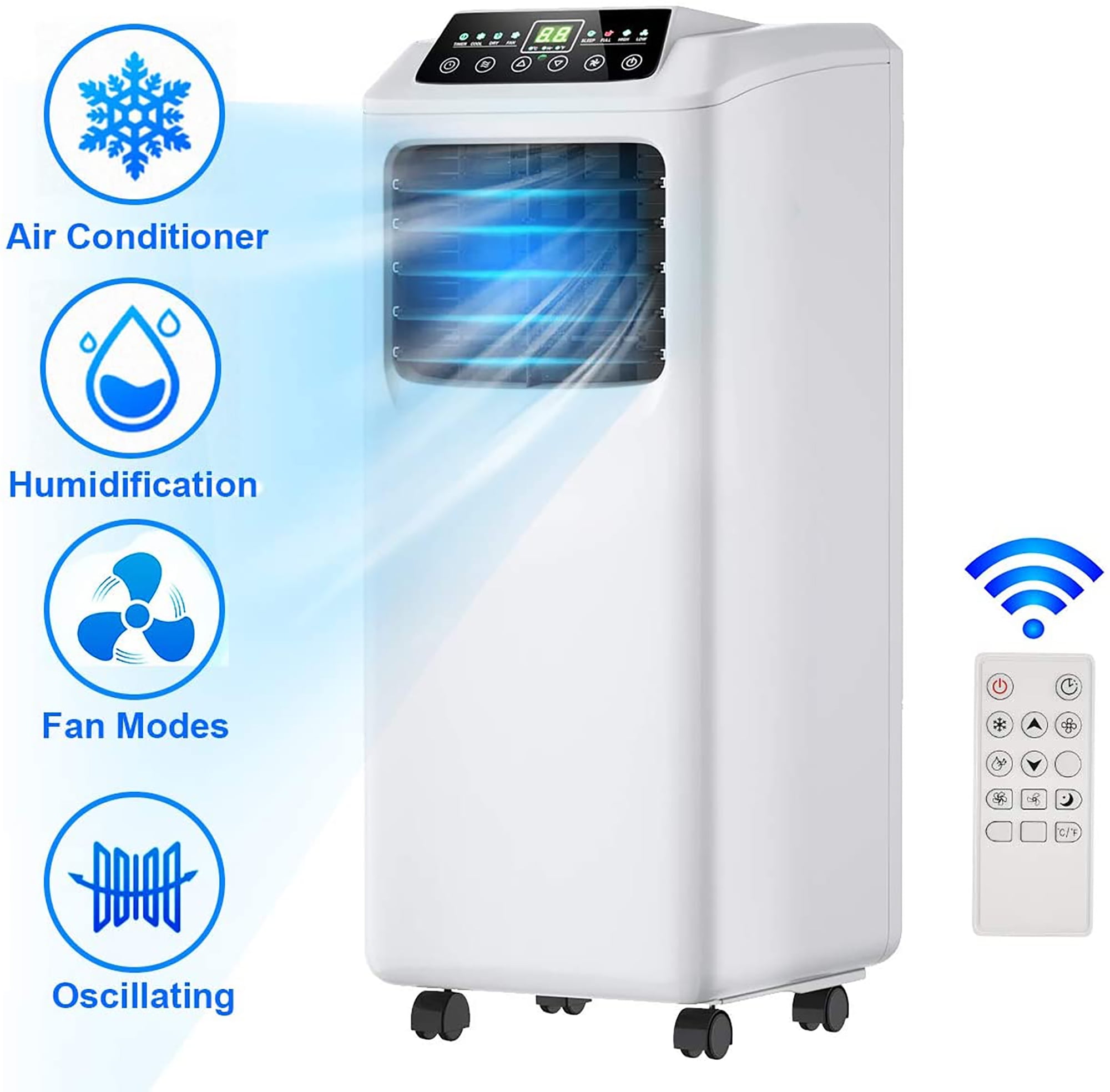 Portable air conditioner with window kit installed
In practice, the refrigeration cycle relies on a refrigerant that changes phase at relatively low temperatures, allowing heat transfer even on mild days. Modern units often use R‑32 refrigerant, which has a lower global warming potential than the older R‑410A. Understanding the cycle helps you diagnose issues like insufficient cooling or short‑cycling.
Types of Air Conditioners
There are different types of air conditioners. Each type is suitable for different needs and spaces.
Window Air Conditioners
Window air conditioners are installed in a window. They are ideal for cooling a single room. They are easy to install and cost-effective.
Split Air Conditioners
Split air conditioners have two units. One unit is inside, and the other is outside. They are great for cooling larger rooms. They are more efficient and quieter than window units.
Portable Air Conditioners
Portable air conditioners can be moved from room to room. They are a good choice for temporary cooling. They are easy to install and do not require a permanent setup.
Central Air Conditioners
Central air conditioners cool the entire house. They use ducts to distribute cool air. They are the most efficient for large homes but are also the most expensive to install.
Comparing Air Conditioner Types
| Type | Typical Capacity | Installation Complexity | Best For |
|---|---|---|---|
| Window | 5,000–12,000 BTU | Low (DIY possible) | Single rooms, apartments |
| Split (ductless) | 9,000–36,000 BTU | Moderate (pro recommended) | Multiple rooms, no ductwork |
| Portable | 8,000–14,000 BTU | Very low (plug‑and‑play) | Renters, temporary spots |
| Central | 24,000–60,000 BTU | High (requires ducts) | Whole‑house cooling |
Choosing among these options often comes down to whether you have existing ductwork, your budget, and how many zones you want to control independently. For a deeper dive into selecting the right system, see our guide on how to match capacity and layout to your home.
Benefits of Using an Air Conditioner
Air conditioners provide many benefits. Here are some of the key advantages:
Comfort: Air conditioners make the indoor environment comfortable by cooling the air.
Air Quality: They filter and clean the air, removing dust and allergens.
Humidity Control: They reduce humidity levels, making the air feel cooler.
Productivity: A cool environment can improve concentration and productivity.
Sleep Quality: Cooler temperatures can improve sleep quality.
Beyond comfort, consistent humidity control helps prevent mold growth and protects wood furnishings. In humid climates, a properly sized AC can keep indoor relative humidity between 30 % and 50 %, which the EPA recommends for healthy indoor air.
Maintaining Your Air Conditioner
Proper maintenance of your air conditioner is important. It ensures efficient performance and extends the unit’s lifespan. Here are some maintenance tips:
Regular Cleaning
Clean the air filters regularly. Dirty filters reduce efficiency and air quality. Clean or replace them every month during the cooling season.
Check The Thermostat
Ensure the thermostat is working correctly. A malfunctioning thermostat can affect cooling performance.
Inspect The Coils
Check the evaporator and condenser coils. Clean them if they are dirty. Dirty coils reduce efficiency and can cause the unit to overheat.
Clear The Area Around The Unit
Ensure the area around the outdoor unit is clear. Remove any debris or plants that can obstruct airflow.
Professional Maintenance
Schedule annual maintenance with a professional technician. They can check for issues and ensure the unit is running efficiently.
A common mistake is neglecting the condensate drain line; a clogged line can cause water damage and shutdowns. Flushing it with a vinegar solution once a year keeps it clear. For a printable seasonal checklist, refer to our seasonal air conditioning maintenance tips.
Energy Efficiency Tips
Using your air conditioner efficiently can save energy and reduce costs. Here are some tips:
Set The Thermostat Wisely
Set the thermostat to a comfortable but not too low temperature. A setting of 78°F (26°C) is usually sufficient.
Use A Programmable Thermostat
A programmable thermostat can adjust the temperature automatically. It can save energy by cooling only when needed.
Seal Windows And Doors
Ensure windows and doors are sealed properly. This prevents cool air from escaping and warm air from entering.
Use Fans
Fans can help distribute cool air more effectively. They can reduce the need for constant air conditioning.
Close Curtains And Blinds
Close curtains and blinds during the day. This prevents heat from entering and keeps the room cooler.
https://www.youtube.com/watch?v=gVLhrLTF878

Smart thermostats go a step further by learning your schedule and adjusting temperatures when you’re away. Pairing one with a zoning system lets you cool only occupied rooms, cutting energy use by up to 20 %. For more on optimal settings, see what are the best air conditioning settings for energy efficiency.
Common Air Conditioner Problems and Solutions
Sometimes, air conditioners can have problems. Here are some common issues and how to fix them:
Air Conditioner Not Cooling
If the air conditioner is not cooling, check the thermostat settings. Ensure it is set to “cool” and the temperature is set correctly. Also, check the air filter. A dirty filter can restrict airflow and reduce cooling.
Strange Noises
If the unit makes strange noises, it could be a sign of a problem. Check for loose parts or debris in the unit. If the noise persists, contact a professional technician.
Water Leaks
If you notice water leaking from the unit, check the drainage system. Ensure the drain line is not clogged. If the problem continues, seek professional help.
Unit Not Turning On
If the air conditioner does not turn on, check the power supply. Ensure the unit is plugged in and the circuit breaker is not tripped. If it still doesn’t work, contact a technician.
If the compressor runs but the fan doesn’t, the issue may be a failed capacitor or a seized motor — both require a licensed technician. For brand‑specific troubleshooting, our guides on Mitsubishi split AC installation, Gree AC troubleshooting, and American Standard AC troubleshooting offer step‑by‑step diagnostics.
Choosing the Right Air Conditioner for Your Home
Selecting an air conditioner involves more than just picking a type. You need to calculate the cooling load (Manual J), consider SEER2 ratings, and decide between ducted and ductless configurations. Oversizing leads to short‑cycling and poor humidity removal; undersizing leaves you uncomfortable on the hottest days. Our article on how to choose the right air conditioner for your home walks through the sizing worksheet and explains the new SEER2 metrics effective in 2026.
Modern Innovations in Air Conditioning
Variable‑speed compressors, inverter technology, and smart‑grid integration are becoming standard in 2026 models. These advances allow the system to modulate capacity precisely, maintaining steady temperatures while using less electricity. Some units now communicate with utility demand‑response programs to earn bill credits. Explore the latest developments in our air conditioning innovations and new innovations in air conditioning roundups.
Rebates, Incentives, and Environmental Considerations
Many utilities and state programs offer rebates for high‑efficiency (SEER2 ≥ 16) equipment. The federal ENERGY STAR program maintains a searchable database of certified products and available incentives — check it at energystar.gov. Proper disposal of old units ensures refrigerants are recovered rather than vented; look for a certified HVAC recycler in your area.
Frequently Asked Questions
How Does An Air Conditioner Work?
An air conditioner removes heat and moisture from indoor air.
What Are The Types Of Air Conditioners?
Common types include window, split, portable, and central air conditioners.
How To Choose An Air Conditioner?
Consider room size, energy efficiency, and cooling capacity.
Why Is My Air Conditioner Leaking Water?
Clogged drain lines or low refrigerant levels can cause leaks.
Conclusion
Air conditioners are essential for maintaining comfort in hot weather. Understanding how they work and proper maintenance can ensure they run efficiently. Choose the right type of air conditioner for your needs. Follow maintenance tips to extend the unit’s lifespan and save energy. Enjoy a cool and comfortable indoor environment with a well-maintained air conditioner.
Ready to upgrade? Schedule a professional load calculation today to find the perfect system for your home and start saving on energy bills.
FAQs
How Often Should I Clean The Air Filters?
Clean or replace the air filters every month during the cooling season.
What Is The Ideal Temperature Setting For An Air Conditioner?
A setting of 78°F (26°C) is usually comfortable and energy-efficient.
How Can I Improve My Air Conditioner’s Efficiency?
Regular maintenance, sealing windows and doors, and using fans can improve efficiency.
When Should I Call A Professional Technician?
Call a technician if you notice persistent problems or for annual maintenance.
More Frequently Asked Questions
What Is SEER2 and Why Does It Matter?
SEER2 is the updated seasonal energy efficiency ratio that reflects real‑world performance under new test conditions effective 2026. Higher SEER2 means lower operating costs.
Can I Install a Split System Myself?
While the indoor unit mounting is DIY‑friendly, refrigerant line charging and electrical connections require EPA‑certified technicians. Improper installation voids most warranties.
How Do I Know If My Ductwork Is Leaking?
Signs include uneven cooling, high utility bills, and excessive dust. A duct‑blaster test by a pro can quantify leakage.
Are There Tax Credits for High‑Efficiency AC in 2026?
Yes, the Inflation Reduction Act provides a 30 % tax credit (up to $600) for qualifying heat pumps and central air conditioners meeting ENERGY STAR Most Efficient criteria.

