Air Condition Install: A Complete Guide for Your Home
Installing an air conditioner can be a game-changer for your home comfort. This guide will walk you through the process, step by step.
Why Install an Air Conditioner?
An air conditioner helps keep your home cool during hot summer days. It also improves air quality by filtering out dust and allergens.
Benefits Of Air Conditioning
Comfort: Enjoy a cool and comfortable home environment.
Health: Better air quality reduces allergies and asthma symptoms.
Productivity: Stay focused and productive in a cool space.
Types of Air Conditioners
There are several types of air conditioners to choose from. Each type has its own benefits and installation process.
Window Air Conditioners
These are installed in a window. They are easy to install and affordable.
Split Air Conditioners
These have two units: one inside and one outside. They are more efficient and quieter.
Portable Air Conditioners
These can be moved from room to room. They are easy to set up but less powerful.
 Window AC unit installed in a standard double‑hung window.
Choosing the Right Capacity (BTU)
Selecting a unit with the correct cooling capacity prevents short‑cycling and excess humidity. A rough rule of thumb is 20 BTU per square foot of living space, but factors such as ceiling height, insulation, sun exposure, and local climate shift the number. In practice, a common mistake is undersizing a room that receives afternoon sun; the unit will run constantly and wear out faster. Use an online BTU calculator or consult a licensed HVAC professional to match the load precisely. For more guidance on sizing, see choose the right capacity.
Tools You Will Need
Before you start, gather these tools:
Tool Purpose
Drill To make holes for screws
Screwdriver To tighten screws
Measuring Tape To measure dimensions
Level To ensure the unit is straight
Electrical Requirements and Permits
Most window units plug into a standard 120 V outlet, but larger split and central systems need a dedicated 240 V circuit and a disconnect box within sight of the outdoor unit. Check local building codes — many jurisdictions require a permit and an inspection for any new 240 V run. In practice, a common mistake is skipping the permit; the result can be a costly re‑work or a voided warranty. If you’re unsure, hire a licensed electrician to handle the circuit and permit paperwork.
Step-by-Step Guide to Install a Window Air Conditioner
Step 1: Choose The Right Window
Pick a window that is near an electrical outlet. Ensure the window can support the weight of the unit.
Step 2: Measure The Window
Measure the width and height of the window. Compare it with the size of your air conditioner.
Step 3: Install The Mounting Brackets
Follow the manufacturer’s instructions to install the mounting brackets. Use a level to ensure they are straight.
Step 4: Place The Air Conditioner
Carefully lift the air conditioner and place it on the brackets. Secure it with screws.
Step 5: Seal The Gaps
Use foam strips to seal any gaps around the unit. This prevents air leaks.
Step 6: Plug It In
Plug the air conditioner into the electrical outlet. Turn it on and enjoy the cool air.
 Split‑system indoor unit mounted on interior wall.
Step-by-Step Guide to Install a Split Air Conditioner
Step 1: Choose The Right Location
Pick a spot on the wall for the indoor unit. Ensure it is away from direct sunlight.
Step 2: Install The Indoor Unit
Mount the indoor unit on the wall bracket. Ensure it is level and secure.
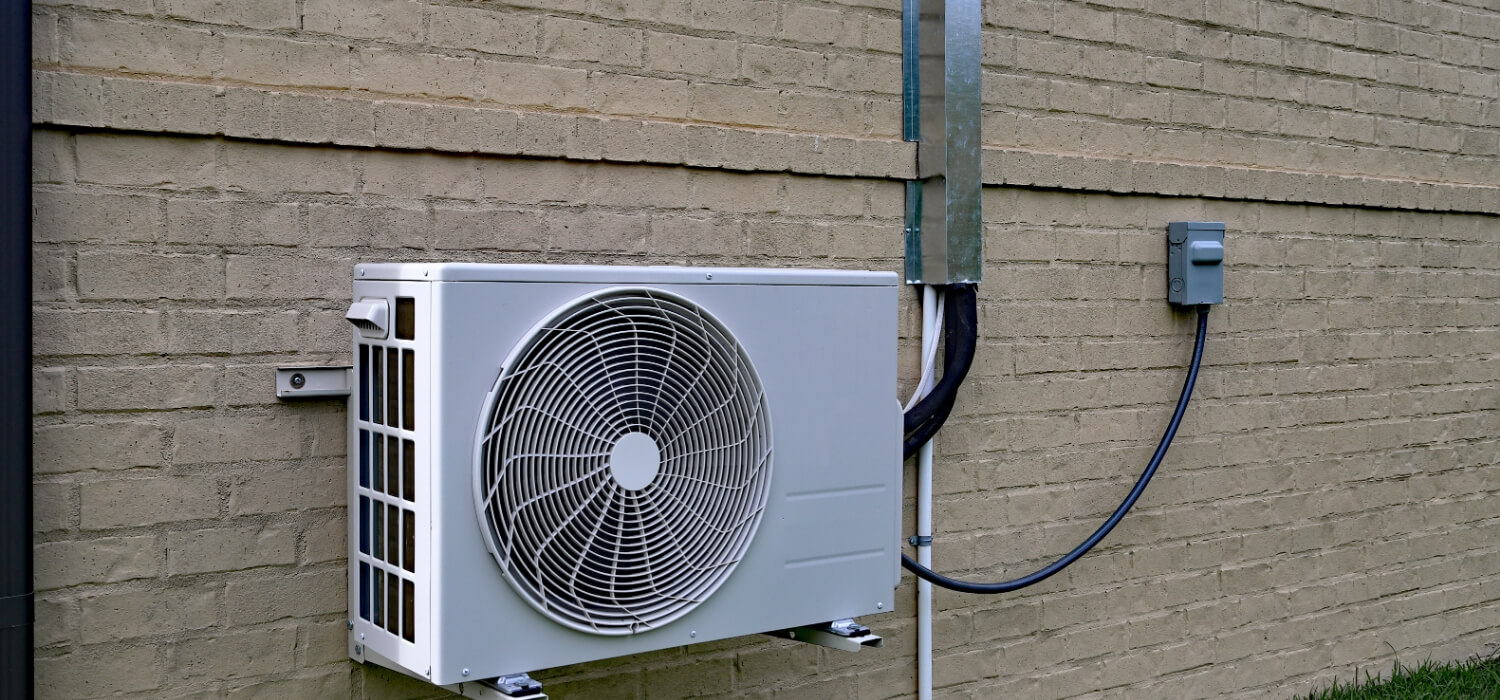
Step 3: Install The Outdoor Unit
Place the outdoor unit on a flat surface. Ensure it has enough ventilation.
Step 4: Connect The Pipes
Connect the refrigerant pipes between the indoor and outdoor units. Ensure there are no leaks.
Step 5: Connect The Electrical Wires
Connect the electrical wires following the manufacturer’s instructions. Ensure all connections are secure.
Step 6: Test The Unit
Turn on the air conditioner and test its functions. Ensure it is cooling properly.
https://www.youtube.com/watch?v=DzVJiSQNbew
Post‑Installation Checklist
- Verify refrigerant pressure with a manifold gauge set (or have a tech do it).
- Confirm condensate drain flows freely; test with a cup of water.
- Check that all electrical connections are tight and the disconnect is accessible.
- Run the system through a full cooling cycle and listen for unusual noises.
- Register the warranty online within the manufacturer’s window (usually 60 days).
For a deeper dive on split‑system setup, refer to the split system setup guide.
Common Mistakes to Avoid
Avoid these mistakes to ensure a successful installation:
Not measuring the window or wall space correctly.
Ignoring the manufacturer’s instructions.
Not sealing gaps around the unit.
Placing the outdoor unit in a poorly ventilated area.
Maintenance Tips
Keep your air conditioner running smoothly with these tips:
Ensure the outdoor unit is free from debris.
Schedule annual maintenance with a professional.
Energy‑Efficiency Settings and Smart Controls
Setting the thermostat to 78 °F (25.5 °C) when you’re home and raising it 7–10 °F when away can cut cooling costs by up to 10 %. Many modern units integrate with Wi‑Fi thermostats that learn occupancy patterns and adjust automatically. In practice, a common mistake is leaving the fan on “ON” instead of “AUTO,” which re‑circulates humidity and reduces comfort. For seasonal upkeep ideas, see seasonal upkeep. The U.S. Department of Energy also publishes guidelines on optimal temperature set‑backs — review the U.S. Department of Energy guidelines for the latest recommendations.
Frequently Asked Questions
What Is The Best Air Conditioner Type?
The best type depends on your needs. Central ACs are efficient for whole-house cooling; window units are perfect for single rooms.
How Much Does Ac Installation Cost?
Installation costs vary widely; recent market data suggests typical whole‑home systems range from $3,500 to $8,500.
How Long Does Ac Installation Take?
Installation typically takes 4–8 hours for a standard split system, though complex ductwork can extend it to a full day.
Can I Install Ac Myself?
Professional installation is recommended. Proper installation ensures efficiency, safety, and warranty validity.
Conclusion
Installing an air conditioner improves your home comfort and air quality. Follow this guide to ensure a successful installation. Enjoy a cool and comfortable home all year round!
Ready to get a professional quote? Contact a licensed HVAC contractor today.