Carrier HVAC: Revolutionize Your Comfort & Efficiency Now!
Carrier HVAC: The Ultimate Guide
Carrier HVAC systems are known for their reliability. They offer comfort in your home. In this guide, we will explore everything about Carrier HVAC.
What is Carrier HVAC?
Carrier HVAC stands for heating, ventilation, and air conditioning. Carrier is a leading brand in this field. They provide top-notch systems for homes and businesses.
The History of Carrier HVAC
Carrier was founded by Willis Carrier in 1902. He invented modern air conditioning. Today, Carrier is a global leader in HVAC solutions.
Types of Carrier HVAC Systems
Carrier offers many types of HVAC systems. Each type serves different needs. Here are the main types:
1. Central Air Conditioners
These units cool your entire home. They are efficient and effective.
2. Heat Pumps
Heat pumps provide both heating and cooling. They are great for moderate climates.
3. Furnaces
Furnaces are used for heating. They work well in cold climates.
4. Ductless Systems
Ductless systems are perfect for small spaces. They do not require ductwork.
5. Air Purifiers
Air purifiers improve indoor air quality. They remove pollutants and allergens.
https://www.youtube.com/watch?v=O9jO_us12-A
Choosing the Right Carrier System for Your Home
Selecting a Carrier system depends on square footage, climate zone, existing ductwork, and budget. A professional load calculation (Manual J) ensures the unit is neither undersized nor oversized, which protects efficiency and comfort. For a step‑by‑step selection framework, see our guide on matching equipment to your home’s needs.
| Feature | Central AC | Heat Pump | Furnace | Ductless Mini‑Split |
|---|---|---|---|---|
| Primary Function | Cooling only | Heating & cooling | Heating only | Heating & cooling (zone) |
| Typical SEER/HSPF | 14‑22 SEER | 15‑20 SEER / 8‑10 HSPF | 80‑98% AFUE | 16‑23 SEER / 9‑12 HSPF |
| Ideal Climate | Hot, humid | Mild‑moderate | Cold | Any, especially retrofit |
| Duct Requirement | Yes | Yes | Yes | No |
Benefits of Carrier HVAC Systems
Carrier HVAC systems offer many benefits. Here are some key advantages:
Energy Efficiency: Carrier units use less energy. This saves you money on bills.
Reliability: Carrier products are built to last. They offer consistent performance.
Comfort: Carrier systems provide optimal comfort. They maintain the desired temperature.
Indoor Air Quality: Carrier air purifiers improve air quality. They keep your home healthy.
Quiet Operation: Carrier units operate quietly. They do not disturb your peace.
Carrier’s current lineup includes models rated up to 22 SEER and 10 HSPF, meeting ENERGY STAR® Most Efficient criteria. Higher ratings translate to lower operating costs and may qualify for utility rebates. For the latest federal efficiency standards, refer to the U.S. Department of Energy’s appliance standards page.

Carrier Comfort 15 central air conditioner
Credit: www.carrier.com
Maintenance Tips for Carrier HVAC Systems
Proper maintenance is crucial for your Carrier HVAC system. Here are some tips to keep your system running smoothly:
1. Change Air Filters Regularly
Dirty filters reduce efficiency. Change them every 1-3 months.
2. Schedule Annual Inspections
Have a professional inspect your system yearly. This ensures it works well.
3. Clean The Outdoor Unit
Remove debris from the outdoor unit. This helps it function better.
4. Check Thermostat Settings
Ensure your thermostat is set correctly. This saves energy and keeps you comfortable.
5. Seal Leaks In Ductwork
Leaky ducts waste energy. Seal any leaks to improve efficiency.
Beyond the basics, seasonal tasks such as cleaning condensate drains in spring and checking refrigerant charge before summer can prevent mid‑season breakdowns. Our seasonal maintenance checklist walks through each step with timing reminders.
Common Issues with Carrier HVAC Systems
Sometimes, problems can occur with HVAC systems. Here are some common issues and solutions:
1. System Not Turning On
Check the thermostat settings. Ensure the power supply is connected.
2. Inadequate Heating Or Cooling
Check for dirty filters. Inspect the ductwork for leaks.
3. Strange Noises
Noises can indicate a problem. Call a professional for help.
4. High Energy Bills
This could mean your system is inefficient. Schedule a professional inspection.
If the unit blows warm air in cooling mode, the cause is often a refrigerant leak or a failed reversing valve. Our troubleshooting guide for warm‑air issues outlines diagnostic steps and when to call a certified technician.
Carrier HVAC Installation Process
Installing a Carrier HVAC system requires professional help. Here are the basic steps involved:
Assessment: A technician evaluates your home’s needs.
Selection: Choose the right Carrier system for your home.
Installation: Professionals install the system properly.
Testing: The system is tested to ensure it works well.
Education: Learn how to use and maintain your new system.
Permitting and code compliance vary by municipality; many jurisdictions require a mechanical permit and a post‑install inspection. The central AC installation guide covers permit workflows and best‑practice piping layouts.

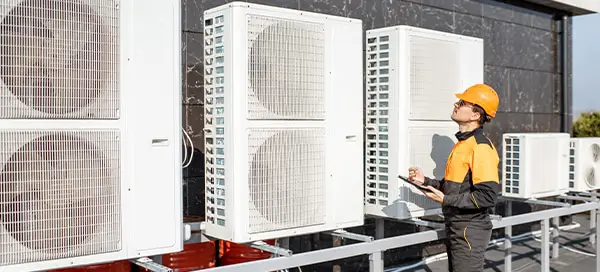
Technician performing Carrier HVAC repair in Las Vegas
Credit: nrs.vegas
Smart Thermostat Integration
Carrier’s Infinity® and Côr® thermostats communicate via the Carrier‑specific protocol, enabling remote diagnostics, adaptive scheduling, and humidity control. Pairing a smart thermostat can shave 8‑12 % off annual heating and cooling costs, according to AHRI field data. For an overview of compatible controls, see the latest innovations in air conditioning.
Why Choose Carrier HVAC?
Carrier is a trusted name in HVAC. Here are some reasons to choose Carrier:
Innovation: Carrier leads in HVAC technology.
Experience: Over 100 years of expertise.
Quality: High-quality products that last.
Customer Support: Excellent customer service.
Warranty and Support
Most Carrier residential units carry a 10‑year limited parts warranty and a 10‑year compressor warranty when registered within 90 days of installation. Extended labor plans are available through authorized dealers. Always verify the exact terms for your model, as warranty coverage can differ between the Infinity®, Performance®, and Comfort™ series.
Frequently Asked Questions
What Is Carrier Hvac?
Carrier HVAC refers to heating, ventilation, and air conditioning systems by Carrier, a leading HVAC manufacturer.
How Does Carrier Hvac Work?
Carrier HVAC systems regulate indoor temperature and air quality using advanced heating, cooling, and ventilation technologies.
Why Choose Carrier Hvac?
Carrier offers reliable, energy-efficient, and innovative HVAC solutions with excellent customer support and durable products.
How To Maintain Carrier Hvac Systems?
Regularly clean filters, check for leaks, and schedule annual professional inspections to keep your system running efficiently.
What SEER Rating Should I Target in 2026?
For most U.S. climate zones, a minimum of 15 SEER is required by federal standards, but 18 SEER or higher delivers the best lifecycle cost. Carrier’s Infinity® 26 SEER model leads the current lineup.
Can I Install a Carrier System Myself?
Carrier strongly recommends professional installation. Improper sizing, refrigerant handling, or electrical work voids the warranty and can create safety hazards.
Conclusion
Carrier HVAC systems offer comfort and reliability. They are a great choice for any home. Follow our tips for maintenance and enjoy a comfortable home all year round.
Ready to upgrade? Contact a Carrier dealer for a free, no‑obligation estimate and start saving on energy bills today.