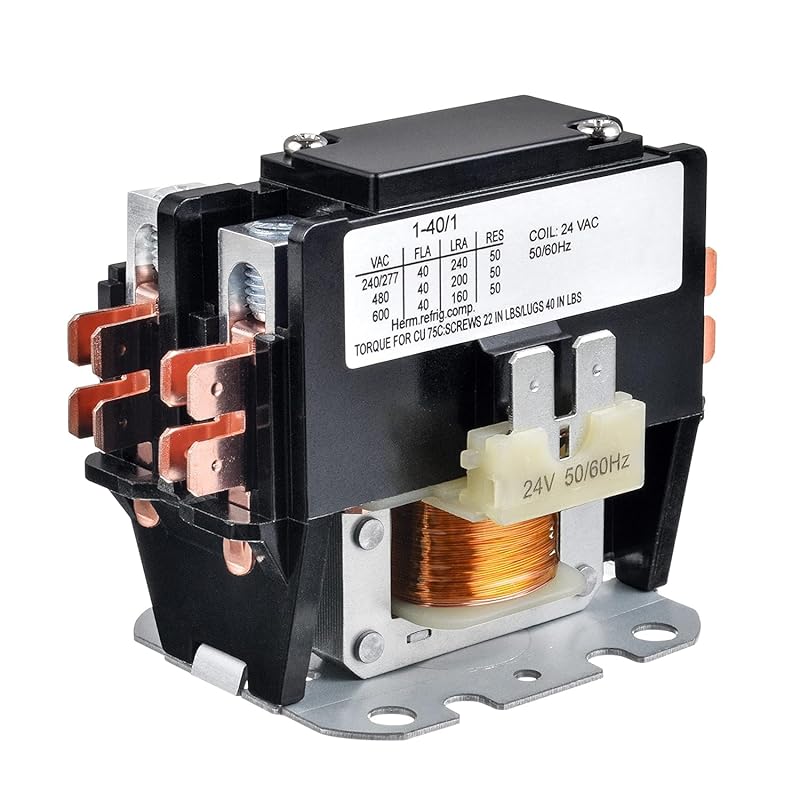
Carrier air conditioner fault code 179 typically indicates a low refrigerant pressure or system imbalance, signaling that your unit isn’t operating safely or efficiently. This diagnostic alert helps prevent long-term damage by prompting immediate attention. Understanding the root cause—whether it’s a leak, faulty sensor, or blocked airflow—is key to restoring cooling performance and extending your system’s lifespan.
Key Takeaways
- Code 179 means low refrigerant levels: The system detects insufficient refrigerant, which can lead to overheating and compressor failure.
- Common causes include leaks or blockages: A refrigerant leak, restricted airflow, or malfunctioning sensors often trigger this error.
- DIY troubleshooting is possible: Check filters, vents, and basic components before calling a technician.
- Professional servicing is recommended: Only certified HVAC technicians should handle refrigerant handling due to EPA regulations.
- Ignoring the code risks major damage: Prolonged operation with low refrigerant can permanently harm the compressor.
- Regular maintenance prevents future issues: Annual inspections help catch problems like minor leaks early.
- Always consult your manual: Model-specific details matter—code interpretations can vary slightly across Carrier systems.
Quick Answers to Common Questions
Is fault code 179 dangerous to ignore?
Yes, ignoring Carrier air conditioner fault code 179 can lead to compressor damage, reduced efficiency, and higher energy bills. Low refrigerant pressure stresses the system and may cause permanent component failure if left unresolved.
Can I fix code 179 myself?
Basic troubleshooting like checking filters and ensuring proper airflow is safe to do yourself. However, refrigerant handling requires EPA certification and specialized tools—never attempt to recharge your system without proper training and authorization.
How much does it cost to repair fault code 179?
Repair costs vary widely: simple fixes like cleaning coils may cost $100-$200, while major repairs like replacing compressors can exceed $3,000. Most refrigerant-related issues fall in the $200-$800 range depending on the severity of leaks and required repairs.
Will a dirty filter cause code 179?
Yes, severely restricted airflow from dirty filters can mimic low refrigerant symptoms by creating abnormal pressure readings. Always replace or clean air filters monthly as part of routine maintenance to prevent this issue.
How long should a refrigerant recharge last?
A properly repaired system with sealed components should maintain refrigerant levels indefinitely. However, undetected small leaks may require periodic recharging. Regular professional inspections help identify developing leaks early.
📑 Table of Contents
Understanding Carrier Air Conditioner Fault Code 179
When your Carrier air conditioner starts flashing error lights or displaying code 179 on its digital display, it’s more than just an inconvenience—it’s a signal from your system that something needs attention. As one of the most reliable brands in residential and commercial cooling, Carrier systems are designed with advanced diagnostics to protect both performance and equipment longevity. But what exactly does fault code 179 mean? And why should you care?
This comprehensive guide will walk you through everything you need to know about Carrier air conditioner fault code 179: what triggers it, how to interpret it, and most importantly, how to resolve it safely and effectively. Whether you’re a homeowner noticing your AC isn’t cooling as it used to or a technician diagnosing a commercial unit, understanding this specific fault code is essential for maintaining peak performance and avoiding costly repairs down the line.
What Is Fault Code 179?
The Meaning Behind the Number
Fault code 179 on Carrier systems specifically relates to low refrigerant pressure conditions. When your AC unit senses that the refrigerant level has dropped below safe operating thresholds, it activates this diagnostic code to prevent potential damage. Think of it as your air conditioner’s way of saying, “Hey, I’m running low on the special fluid that makes cooling possible.”
Visual guide about Carrier Air Conditioner Fault Code 179
Image source: electricalschool.info
This code appears primarily on Carrier models equipped with microprocessor-based control boards, including popular series like the Performance™ 14, Performance™ 16, and some Comfort™ Series units. While the exact wording may vary slightly between models, the underlying message remains consistent: your refrigerant charge is insufficient for proper operation.
Why Refrigerant Matters
Refrigerant—often R-410A in modern Carrier systems—is the lifeblood of your air conditioning unit. It circulates through coils, absorbing heat from indoor air and releasing it outdoors. Without adequate refrigerant levels, this heat exchange process becomes inefficient, leading to several cascading problems:
- Reduced cooling capacity
- Increased energy consumption
- Compressor overheating
- Potential system shutdown
That’s why Carrier’s diagnostic system monitors refrigerant pressure continuously. When pressure drops too low, code 179 appears to alert you before serious damage occurs.
Common Causes of Fault Code 179
Refrigerant Leaks
The most frequent culprit behind Carrier air conditioner fault code 179 is a refrigerant leak. These leaks can occur in several locations:
Visual guide about Carrier Air Conditioner Fault Code 179
Image source: puui.qpic.cn
- Service valves: Loose connections at high-pressure ports
- Schrader valves: Tiny valves used during service procedures that can develop leaks
- Weld joints: Imperfections in copper tubing connections
- Evaporator coils: Corrosion or pinhole leaks in indoor units
- Condenser coils: Damage from debris or weather exposure
Even small leaks that seem insignificant can accumulate over time, causing significant refrigerant loss and triggering the fault code. In fact, many homeowners don’t notice leaks until their AC has lost substantial refrigerant—sometimes 20% or more of its original charge.
Blocked Airflow
Sometimes the problem isn’t a refrigerant leak but restricted airflow through the system. When air can’t flow freely over the evaporator coil, the refrigerant doesn’t absorb heat efficiently, causing pressure imbalances that register as code 179. Common airflow blockages include:
- Dirty or clogged air filters
- Frozen evaporator coils
- Closed or closed dampers in ductwork
- Obstructed return air paths
- Malfunctioning blower motors
In these cases, the system may actually have adequate refrigerant but can’t function properly due to poor air circulation—a situation that still triggers the same fault code because the pressure readings indicate an unsafe condition.
Sensor or Control Board Issues
Faulty sensors or control board malfunctions can also generate false readings that result in code 179. For example:
- A defective pressure transducer sending incorrect data to the control board
- Degraded wiring connecting sensors to the main board
- Software glitches in newer Carrier smart thermostat systems
- Electrical interference affecting sensor accuracy
While less common than mechanical issues, sensor problems require professional diagnosis to distinguish from actual refrigerant problems.
How to Diagnose Fault Code 179
Step-by-Step Troubleshooting Process
Before rushing to call a technician, try this systematic approach to identify whether your Carrier AC truly needs refrigerant service or if there’s a simpler fix:
- Check the display: Note exactly when the code appears (during startup, normal operation, etc.)
- Listen for unusual sounds: Unusual noises might indicate mechanical issues
- Inspect air filters: Replace any dirty filters immediately
- Verify thermostat settings: Ensure temperature isn’t set incorrectly
- Check circuit breakers: Confirm power supply is stable
- Examine outdoor unit: Look for debris blocking airflow
If these steps don’t resolve the issue, it’s time for more detailed diagnostics.
Tools You Might Need
For DIY troubleshooting, consider having these tools on hand:
- Multimeter (for testing electrical components)
- Manifold gauge set (for measuring pressures—but only if you understand what you’re doing!)
- Thermometer (to verify actual vs. reported temperatures)
- Flashlight (for inspecting hard-to-reach areas)
⚠️ Important: Never attempt to add refrigerant yourself. Handling refrigerants requires EPA Section 608 certification and specialized equipment. Improper handling can be dangerous and illegal.
Professional Repair Options
When to Call a Technician
Given the complexity and legal requirements around refrigerant handling, most Carrier air conditioner fault code 179 situations warrant professional attention. Here’s when to pick up the phone:
- You’ve confirmed refrigerant loss through professional testing
- The system shows multiple error codes simultaneously
- You notice hissing sounds near refrigerant lines
- Your utility bills have suddenly increased
- The AC cycles on and off frequently
- Ice buildup appears on indoor components
Certified HVAC technicians have the training, tools, and EPA credentials needed to safely locate leaks, repair them, and properly recharge your system.
What to Expect During Service
A typical Carrier AC repair for fault code 179 involves several steps:
- System inspection: Technician examines all components for visible damage
- Pressure testing: Measures refrigerant levels and identifies pressure drops
- Leak detection: Uses electronic detectors or nitrogen charging to find leaks
- Repair or replacement: Fixes damaged parts or replaces entire sections if necessary
- Recovery and evacuation: Removes existing refrigerant from the system
- Recharge: Adds precisely measured amounts of new refrigerant
- Performance verification:: Tests cooling efficiency and checks for additional faults
Total service time usually ranges from 2-4 hours, depending on the extent of repairs needed.
Prevention and Maintenance Tips
Routine Care Schedule
Preventing Carrier air conditioner fault code 179 starts with regular maintenance. Follow this simple schedule:
- Monthly: Replace or clean air filters
- Quarterly: Remove debris from outdoor unit
- Biannually: Schedule professional inspection
- Annually: Complete full system tune-up including coil cleaning
During professional visits, ask technicians to check refrigerant levels as part of their diagnostic process—even if no codes appear. Early detection of minor leaks prevents major failures.
Energy-Saving Practices
Beyond scheduled maintenance, these habits help keep your Carrier AC healthy:
- Keep windows and doors closed while cooling
- Use ceiling fans to improve air circulation
- Set thermostats to reasonable temperatures (78°F is ideal in summer)
- Install programmable thermostats for automatic adjustments
- Seal ductwork leaks promptly
- Trim vegetation away from outdoor units
These practices reduce strain on your system, minimizing the chances of refrigerant-related errors.
Cost Considerations
Typical Repair Expenses
Costs for resolving Carrier air conditioner fault code 179 vary based on several factors:
| Repair Type | Typical Cost Range |
|---|---|
| Simple filter/coil cleaning | $100-$200 |
| Minor seal replacement | $200-$400 |
| Evaporator coil repair | $400-$800 |
| Compressor replacement | $1,500-$3,500+ |
Remember that adding refrigerant alone costs $100-$300, but only if no leaks exist. If leaks are found, repair costs increase significantly.
Warranty Coverage
New Carrier systems come with comprehensive warranties covering various components. Check your specific model’s coverage for:
- Compressor (typically 10 years)
- Heat exchangers (limited lifetime)
- Labor charges (varies by year)
Many extended warranty plans also cover refrigerant-related repairs within their first few years.
Model-Specific Notes
Different Systems, Same Code
While fault code 179 generally indicates low refrigerant pressure across Carrier platforms, some variations exist:
- Performance Series: May display additional sub-codes indicating specific pressure thresholds
- Comfort Series: Sometimes uses different terminology but identical meaning
- Commercial Units: Larger systems may show related codes for multiple circuits
Always consult your owner’s manual for model-specific interpretation guidance.
Software Updates
Newer Carrier systems receive firmware updates that refine diagnostic algorithms. If your unit shows inconsistent behavior despite apparent fixes, ask your technician about recent software patches that might affect error code interpretation.
Conclusion
Carrier air conditioner fault code 179 serves as an important safety net, alerting you to potentially serious refrigerant issues before they escalate into expensive failures. While the code itself is straightforward—indicating low refrigerant pressure—the path to resolution depends on identifying the underlying cause, whether it’s a simple airflow restriction or a complex leak requiring professional intervention.
The key takeaway is this: don’t ignore fault code 179. Address it promptly through proper diagnosis and authorized repairs. With regular maintenance and timely attention to diagnostic alerts, your Carrier system will continue delivering reliable, efficient cooling for years to come.
Remember that protecting your investment means respecting the technology—and that includes working with qualified professionals when dealing with refrigerants or electrical components. Your comfort, safety, and wallet will thank you for it.
Frequently Asked Questions
What exactly does Carrier air conditioner fault code 179 mean?
Fault code 179 indicates low refrigerant pressure in your Carrier AC system. This warning appears when the refrigerant level drops below safe operating thresholds, potentially causing reduced cooling performance and system damage if not addressed.
How can I tell if my AC has a refrigerant leak?
Signs of refrigerant leaks include ice buildup on indoor coils, hissing sounds near refrigerant lines, unusually high energy bills, and the persistent appearance of fault codes like 179. A certified technician can confirm leaks using specialized detection equipment.
Can dirty air filters trigger fault code 179?
Yes, severely restricted airflow from clogged filters can create abnormal pressure readings that mimic low refrigerant conditions. Replacing dirty filters often resolves the issue without needing refrigerant service.
Should I turn off my AC when I see fault code 179?
It’s best to turn off your AC and contact a technician rather than continuing to run the system. Operating with low refrigerant can damage the compressor and other components beyond repair.
How often should I check my refrigerant levels?
Refrigerant levels shouldn’t need checking unless problems arise. Instead, focus on annual professional maintenance where technicians can detect minor leaks during routine inspections before they cause significant issues.
Are all Carrier models affected by fault code 179?
Most Carrier systems with microprocessor controls use similar diagnostic codes, including 179 for low refrigerant pressure. However, exact terminology may vary slightly between different models and series, so always consult your specific owner’s manual.