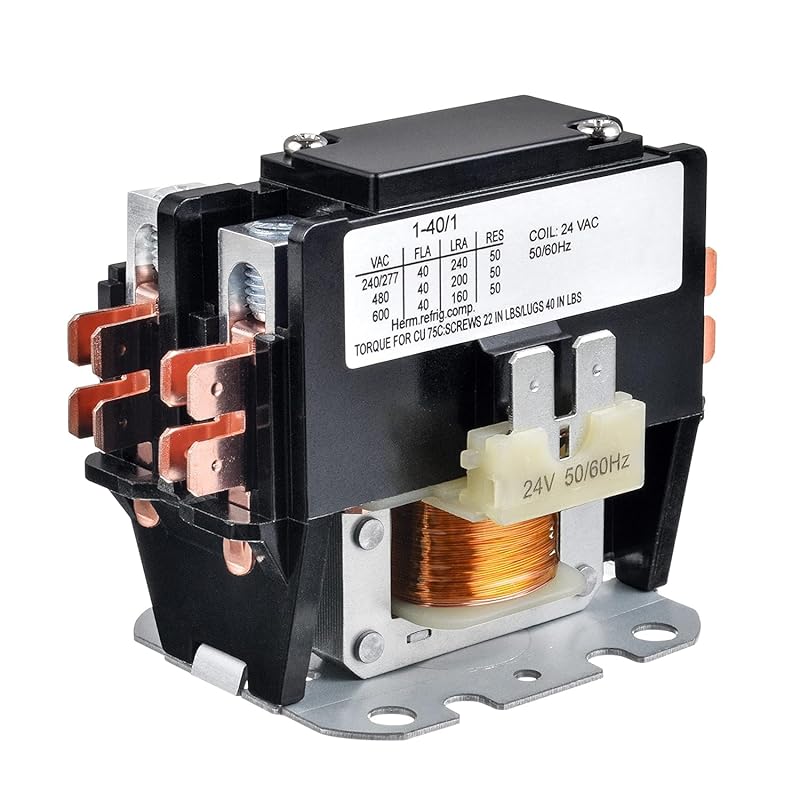
Carrier air conditioner fault code 178 typically signals a communication breakdown between the indoor and outdoor units of your HVAC system. This common issue can stem from loose wiring, damaged control boards, or even environmental factors like power surges. While some basic checks can help identify the cause, improper handling may worsen the problem or void your warranty.
Understanding what triggers code 178 empowers you to act quickly and avoid costly repairs. Whether it’s a simple connection fix or a deeper electrical issue, knowing how to respond ensures your Carrier unit returns to efficient cooling as soon as possible.
Key Takeaways
- Fault Code 178 Definition: This error indicates a communication failure between the indoor air handler and the outdoor condensing unit.
- Common Causes: Loose or corroded wire connections, faulty control boards, voltage fluctuations, or damaged communication cables.
- Safety First: Always turn off power at the breaker before inspecting wiring or internal components to prevent electric shock.
- DIY Troubleshooting: Check terminal connections, inspect the communication cable, and ensure no physical damage exists before calling a technician.
- Professional Help: If basic steps fail, contact a licensed HVAC technician—especially if you suspect board or software issues.
- Prevention Tips: Schedule annual maintenance and protect your system from power surges using a whole-house surge protector.
- Warranty Considerations: Unauthorized disassembly may void your Carrier warranty; always verify coverage before attempting repairs.
Quick Answers to Common Questions
Is fault code 178 dangerous?
Not directly dangerous, but it stops your AC from working and may indicate underlying electrical issues that could worsen if ignored.
Can I reset code 178 myself?
Yes—power cycling the system often resets temporary glitches, but persistent codes require investigation to prevent recurrence.
Will this damage my compressor?
Usually not immediately, but prolonged communication failures can lead to improper staging and eventual compressor strain.
How much does it cost to fix code 178?
Costs vary: simple connection fixes start around $150; board replacements can exceed $500 depending on labor and parts.
Does code 178 affect heating mode?
Yes—since Carrier heat pumps share communication lines, the same fault disrupts both cooling and heating functions.
📑 Table of Contents
- What Is Carrier Air Conditioner Fault Code 178?
- Why Does Fault Code 178 Appear?
- How to Diagnose Carrier Fault Code 178 Safely
- When to Call a Professional Technician
- Preventing Future Carrier Fault Code 178 Occurrences
- Real-World Example: Fixing Code 178 After a Storm
- Conclusion: Act Swiftly, But Wisely
What Is Carrier Air Conditioner Fault Code 178?
If your Carrier central air conditioning system suddenly stops cooling and the display shows “Fault 178,” don’t panic—but do act fast. This diagnostic code is one of the most common alerts in Carrier systems and signals that something has disrupted the vital communication link between your indoor evaporator coil (in the house) and your outdoor compressor unit.
Think of it like a walkie-talkie malfunction: both units need to “hear” each other to coordinate operations like turning on/off, adjusting refrigerant flow, or managing fan speeds. When they can’t communicate properly, the system halts to prevent damage or inefficiency. The good news? In many cases, code 178 isn’t a sign of major mechanical failure—it’s often a fixable electrical or connection issue.
Why Does Fault Code 178 Appear?
Fault code 178 specifically points to an interruption in data transmission along the communication line running between your thermostat, indoor blower, and outdoor unit. Unlike temperature sensor errors or compressor overloads, this isn’t about performance—it’s about connectivity. Carrier systems rely on low-voltage DC signals to send commands back and forth. If those signals get scrambled, dropped, or blocked, the system logs code 178.
This type of error commonly arises after power outages, during storms with lightning strikes, or simply due to aging components. It can also appear if someone recently serviced the unit and accidentally loosened a wire during reassembly. Because Carrier ACs are highly integrated systems, even minor disruptions can trigger full shutdowns as a protective measure.
Top Causes Behind Communication Failures
Let’s break down what usually trips this alert:
- Loose or Corroded Connections: Over time, vibration from the outdoor unit can jostle wires loose. Moisture intrusion may also cause corrosion at terminal blocks.
- Damaged Communication Cable: The thin, shielded cable carrying data between units runs through walls or conduit. Pests, rodents, or construction work near the home might nick it.
- Defective Control Boards: Either the indoor air handler board or the outdoor compressor board may have failed internally, preventing signal processing.
- Power Supply Issues: Voltage drops, brownouts, or transient surges can corrupt data packets mid-transmission.
- Software Glitches: Rare but possible—a firmware bug or interrupted update during a power cut could reset communication protocols.
How to Diagnose Carrier Fault Code 178 Safely
Before grabbing a multimeter or unscrewing panels, remember: your safety comes first. Carrier ACs operate on high-voltage circuits even when powered off, so always disconnect electricity at the main breaker before touching any part of the unit. Never attempt live diagnostics unless you’re trained in electrical work.

Visual guide about Carrier Air Conditioner Fault Code 178
Image source: mmachannel.com
Start by reviewing the user manual or accessing your model-specific error guide via Carrier’s official website. Many newer Carrier models allow you to cycle through recent faults using remote displays or smartphone apps. Once confirmed as code 178, follow these practical steps:
Step 1: Inspect External Wiring
Locate the outdoor condensing unit and trace the communication cable back toward the house. Look for obvious signs of wear: frayed insulation, bent connectors, or rodent chews. Ensure all screws securing the terminal block are tight. If the cable appears damaged, replacement may be necessary—but only after power is fully disconnected.
Step 2: Verify Indoor Unit Connections
Open the access panel inside your furnace or air handler (usually in the basement or utility closet). Check the ribbon-style communication cable connecting the thermostat control board to the blower motor. These delicate wires often get knocked loose during filter changes or cleaning. Reseat them firmly without forcing.
Step 3: Test Voltage Stability
Using a multimeter set to DC volts, measure the 24V supply at the thermostat terminals. Normal range should be 22–26 volts. If readings are erratic or too low, investigate upstream power sources—including the transformer inside the air handler.
Remember: if any step feels beyond your comfort zone, pause and call a certified technician. Attempting to replace internal boards yourself risks permanent damage and voids manufacturer warranties.
When to Call a Professional Technician
While DIY checks can resolve many code 178 scenarios, certain red flags demand expert intervention:
- The fault persists after reseating all visible cables
- You notice burnt smells, smoke, or discoloration around control boards
- Multiple other codes appear alongside 178 (suggesting broader system failure)
- Your unit is under warranty and hasn’t had its first-year service yet
A licensed HVAC pro will use diagnostic tools like Carrier’s proprietary Service Tool or Fluke thermal imagers to pinpoint whether the issue lies with wiring, boards, or software. They’ll also confirm proper grounding and polarity—details easy to overlook but critical for stable operation.
Most importantly, professionals carry liability insurance and follow strict safety protocols. For peace of mind—and to preserve your system’s longevity—it’s wise to trust complex electrical diagnostics to trained eyes.
Preventing Future Carrier Fault Code 178 Occurrences
Once your Carrier AC clears code 178 and resumes normal function, take preventive measures to avoid recurrence:
Schedule Annual Maintenance
Technicians perform thorough inspections including terminal tightening, capacitor testing, and firmware updates. Routine care reduces stress on communication circuits and catches minor wear early.
Install Whole-House Surge Protection
Lightning storms or grid fluctuations are silent killers of sensitive electronics. A quality surge protector shields your HVAC control boards from voltage spikes that disrupt data flow.
Keep Access Areas Clear
Blockages around outdoor units increase condensation buildup and humidity—conditions that accelerate wire corrosion. Trim vegetation and maintain at least two feet of clearance around vents.
Upgrade Old Systems
Units over 10 years old have higher failure rates due to component aging. If your Carrier model frequently throws electrical faults, consider upgrading to a modern, Wi-Fi-enabled system with self-diagnostic capabilities.
Real-World Example: Fixing Code 178 After a Storm
In one suburban home, a sudden thunderstorm knocked out power briefly, then restored it with a surge. The next day, the Carrier unit displayed code 178. The homeowner initially tried rebooting the thermostat, but the error returned within hours. Upon inspection, the outdoor unit’s terminal block showed green oxidation—classic sign of moisture-induced corrosion. After disconnecting power, the tech cleaned contacts with contact cleaner, replaced a cracked wire sleeve, and verified secure connections. Within minutes, the system rebooted normally and has run flawlessly since. This illustrates how environmental events often trigger hidden vulnerabilities.
Conclusion: Act Swiftly, But Wisely
Carrier air conditioner fault code 178 is rarely a catastrophe—but ignoring it risks further complications like compressor lockout or refrigerant leaks. By understanding its root causes and responding methodically, you empower yourself to restore comfort efficiently. Always prioritize safety, respect warranty terms, and leverage professional help when uncertain. With timely action and preventive habits, your Carrier system will keep delivering cool air for years to come.
Frequently Asked Questions
What does Carrier fault code 178 mean?
It indicates a communication failure between your indoor and outdoor HVAC units, preventing them from coordinating operations safely.
How do I clear Carrier fault code 178?
First, power off the unit at the breaker. Check all wire connections, reseat loose cables, then restore power—if the code clears, the issue was likely a loose connection.
Can weather cause fault code 178?
Yes—storms, power surges, or high humidity can damage wiring or corrupt data signals, triggering this error.
Should I replace the control board if I see code 178?
Only after confirming all other causes are ruled out. Boards are expensive, so test connections and voltage first before replacing.
Is fault code 178 covered by warranty?
Often yes—manufacturer defects in control boards or wiring are typically covered, but unauthorized repairs may void coverage.
How often should I service my Carrier AC to prevent faults?
Twice per year (spring/fall) is ideal for optimal performance and early detection of potential issues like code 178.