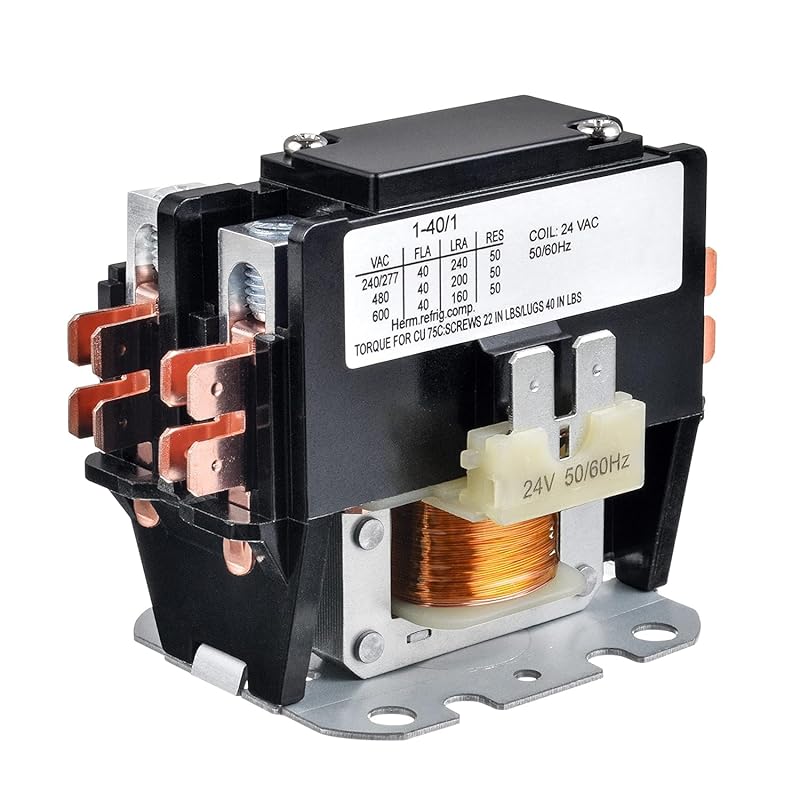
Your Carrier AC fan isn’t blowing? You’re not alone. Whether it’s a loose belt, dirty fan blades, or a faulty motor, a non-working fan stops cool air from reaching your home. This guide walks you through simple checks and repairs so you can restore comfort fast. We cover everything from basic maintenance to knowing when it’s time for professional help.
Key Takeaways
- Check the power supply first: A blown fuse, tripped breaker, or disconnected wire can prevent the fan from turning on.
- Inspect the fan belt: A worn, cracked, or loose belt is a common cause of a Carrier air conditioner fan not working.
- Clean or replace the fan blades: Dust buildup or physical damage can block airflow and strain the motor.
- Test the capacitor: A failing capacitor often causes the fan motor to hum but not spin.
- Examine the limit switch and control board: These components regulate fan operation and can fail over time.
- Know when to call a technician: If basic troubleshooting fails, avoid DIY fixes that may void warranties or cause injury.
Quick Answers to Common Questions
Why is my Carrier AC fan not blowing air?
Answer: The most common reason is a dirty air filter blocking airflow. Other causes include a broken fan belt, failed capacitor, or power supply issues. Start with checking the filter and breaker.
Can I replace the fan motor myself?
Answer: Only if you’re experienced with electrical systems. The blower motor controls airflow and connects to high-voltage components. Improper handling can cause injury or damage. Consult a technician if unsure.
How often should I clean my AC fan blades?
Answer: At least once every 3 months during cooling season. More often if you have pets or live in dusty areas. Use a vacuum or soft brush to remove debris.
Why does my fan hum but not spin?
Answer: This usually indicates a bad capacitor or seized motor. The capacitor provides the starting torque; without it, the motor can’t overcome inertia. Replace the capacitor first—it’s often the culprit.
Is it safe to clean the inside of my AC unit?
Answer: Yes, but only after turning off power at the breaker. Never spray water directly on electrical parts. Use a dry cloth or compressed air for cleaning.
📑 Table of Contents
Introduction: Why Your Carrier AC Fan Isn’t Working
If you’ve turned on your Carrier air conditioner and noticed that the fan isn’t spinning, you might be left wondering what went wrong. After all, the indoor fan is essential—it pushes cool air from the evaporator coil into your living space. Without it, your unit runs but doesn’t cool, leaving rooms uncomfortably warm even on the hottest days.
The good news? In many cases, a Carrier air conditioner fan not working is due to something simple like a loose belt, clogged vents, or a tripped breaker. Before you assume a costly repair is needed, take a step back and walk through some basic troubleshooting steps. This article will guide you through every possible cause, from the most common to the more technical, so you can get your system running smoothly again—without breaking the bank or calling in a pro too early.
Understanding How Your Carrier AC Fan Works
Before diving into fixes, it helps to understand how your Carrier air conditioning system operates. The indoor unit has two main fans: one that circulates room air over the evaporator coil (the blower), and another that moves heat out of the condenser coil outside (the outdoor fan). When you turn on your AC, the thermostat sends a signal to the control board, which powers up the compressor and the indoor blower fan.
Visual guide about Carrier Air Conditioner Fan Not Working
Image source: clarin.com
The Role of the Blower Motor
The blower motor is the heart of the indoor airflow system. It draws warm air from your home, passes it through the cold evaporator coil, and blows the cooled air back into the room. Most Carrier systems use either a permanent split-capacitor (PSC) motor or a variable-speed ECM motor. Both rely on electrical signals and mechanical parts like belts and capacitors to function properly.
Signs of a Faulty Fan System
If your fan isn’t working, you might notice:
- No air coming from vents
- A warm or only slightly cooler room despite the AC running
- Strange noises like grinding or clicking
- Frequent cycling on and off
These symptoms point to a disruption in the fan’s ability to move air—often due to mechanical or electrical failure.
Common Causes of a Carrier Air Conditioner Fan Not Working
When your Carrier air conditioner fan not working, several issues could be at play. Let’s break them down by category so you can identify the culprit quickly.
Visual guide about Carrier Air Conditioner Fan Not Working
Image source: pic.ntimg.cn
1. Power Supply Issues
Sometimes the simplest explanation is the correct one. A tripped circuit breaker, blown fuse, or disconnected power source can stop the fan from receiving electricity. Check your home’s breaker panel and look for any switches that have flipped to the “off” position. Also, inspect the disconnect box near your outdoor unit to ensure the power is still connected there.
For example, if you recently had a storm or power surge, a breaker might have tripped as a safety measure. Reset it and see if the fan starts. If it trips again immediately, there may be a short circuit or overload—something best handled by a licensed electrician.
2. Worn or Broken Fan Belt
In older Carrier models, especially those with belt-driven blowers, the fan is connected to the motor via a rubber belt. Over time, this belt can wear out, crack, or become loose. If the belt breaks or slips off, the fan won’t spin. You’ll usually hear a faint hum from the motor but feel no airflow.
To check:
- Turn off the power to the unit
- Open the access panel
- Look at the belt connecting the motor shaft to the blower wheel
- If it’s frayed, cracked, or missing, it needs replacement
Replacing a belt is a straightforward task with the right tools. Just note the belt model number before buying a replacement—Carrier units often use specific belt sizes.
3. Clogged or Damaged Fan Blades
Dust, pet hair, and debris can build up on the fan blades, throwing off balance and reducing efficiency. In severe cases, a blade might be cracked or bent, causing imbalance and vibration. This can strain the motor and lead to premature failure.
Solution:
- Turn off power
- Remove the fan guard (if present)
- Gently clean the blades with a soft brush or damp cloth
- Inspect for cracks or warping
Never use water directly on electrical components. Instead, wipe dry with a lint-free cloth after cleaning.
4. Faulty Capacitor
The capacitor stores electrical energy and provides the initial boost needed to start the blower motor. A weak or dead capacitor often causes the motor to hum but not rotate. This is one of the most common reasons a Carrier air conditioner fan not working.
How to test:
- Use a multimeter to check capacitance (should match the rating on the capacitor)
- Or visually inspect for bulging or leaking
If the capacitor is bad, replace it with one of the same microfarad (µF) rating. Always discharge the capacitor safely before handling—never touch both leads at once.
5. Dirty Air Filter or Vents
A clogged air filter restricts airflow, which can trigger safety mechanisms that shut down the fan. Your Carrier system may have an automatic shutdown feature to protect itself from overheating when airflow is blocked.
Check:
- Replace or clean the return air filter (usually behind a front grille)
- Ensure supply vents are open and unobstructed
This is a quick fix that often resolves the issue without any tools.
6. Failed Limit Switch or Control Board
The limit switch monitors air temperature and tells the fan when to run. If it’s stuck open or closed, the fan may not activate. The control board distributes power to all components. A fried board due to power surges or age can leave the fan dead in the water.
Testing these requires advanced knowledge. If you suspect either component, consult your manual or contact a technician. Replacing a control board is expensive and typically not worth the risk for DIYers.
Step-by-Step Troubleshooting Guide
Now that you know the common causes, let’s walk through a logical troubleshooting process. Start with the easiest fixes and work your way down.
Step 1: Verify Power Is On
Flip the breaker for your AC. Listen for any sounds—a hum or click means power is reaching the unit. If not, check other outlets on the same circuit.
Step 2: Inspect the Air Filter
A dirty filter is often the hidden culprit. Remove it and check for dust. Replace if thick with debris. Wait 15–30 minutes before testing the fan again.
Step 3: Check the Belt (Belt-Driven Models)
Open the access panel. Look for signs of wear or disconnection. Replace if necessary using a replacement kit designed for your Carrier model.
Step 4: Clean the Fan Blades
Use compressed air or a vacuum to remove dust. Avoid touching the blades while the motor is running.
Step 5: Test the Capacitor
Use a multimeter or visual inspection. Replace if swollen or damaged. Always follow safety procedures.
Step 6: Examine the Limit Switch and Control Board
If none of the above work, these components may need professional diagnosis.
Preventive Maintenance Tips
Keep your Carrier air conditioner fan running smoothly with regular care.
Monthly Checks
- Replace or clean the air filter
- Vacuum around vents and grilles
Seasonal Maintenance
- Schedule professional servicing annually
- Inspect belts, capacitors, and wiring
- Clean the outdoor unit and keep foliage away
DIY Maintenance Tools You’ll Need
- Voltmeter or multimeter
- Phillips and flathead screwdrivers
- Soft brush or vacuum
- Replacement air filter
- Belt (if applicable)
When to Call a Professional
While many issues can be fixed at home, some situations require expert help.
Signs You Need a Technician
- The fan works sometimes but not consistently
- You smell burning or see smoke
- The control board or motor needs replacement
- You’re uncomfortable handling high-voltage components
Why Hire a Pro?
Licensed HVAC technicians have the tools, training, and warranty coverage to diagnose and fix complex issues safely. They can also verify refrigerant levels and check overall system performance—things that aren’t visible during a simple fan check.
Conclusion: Restore Comfort Fast
A Carrier air conditioner fan not working doesn’t always mean a full system overhaul. In most cases, the issue lies in something simple like a dirty filter, loose belt, or faulty capacitor. By following this guide, you can save time, money, and stress by tackling minor fixes yourself.
Remember: safety comes first. Always turn off power before inspecting internal components. And when in doubt, don’t hesitate to call a certified HVAC technician. Regular maintenance not only prevents fan failures but also extends your unit’s lifespan and improves energy efficiency.
With the right care, your Carrier AC will keep you cool for years to come—no fan drama required.
Frequently Asked Questions
How do I know if my AC fan is broken?
Answer: If you hear the compressor running but feel little to no airflow from vents, the fan may be malfunctioning. Also listen for unusual noises like grinding or squealing.
Can a dirty filter stop the fan from working?
Answer: Yes. Many modern Carrier units have safety sensors that shut down the fan if airflow is restricted by a clogged filter to prevent overheating.
What should I do if the fan belt is broken?
Answer: Turn off the power, replace the belt with one matching the original specifications, and ensure proper tension. Refer to your owner’s manual for belt routing instructions.
How long does a typical AC fan last?
Answer: Blower motors usually last 10–15 years with proper maintenance. Belts and capacitors may need replacement every 5–7 years depending on usage.
Can a tripped breaker cause the fan to stop?
Answer: Absolutely. If the circuit powering the AC is overloaded or shorted, the breaker will trip and cut power to the entire unit, including the fan.
Should I lubricate my AC fan motor?
Answer: No. Most modern Carrier fan motors are sealed and self-lubricating. Adding oil can attract dust and cause damage. Only lubricate if explicitly recommended in the manual.