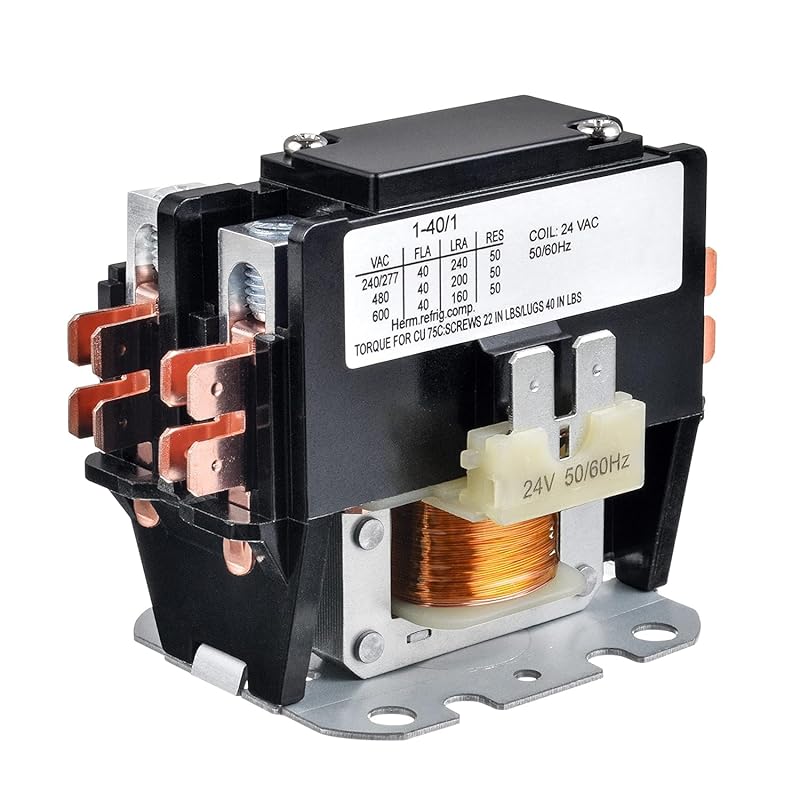
Carrier air conditioner EC error code usually indicates a communication issue between indoor and outdoor units. This problem can prevent your system from cooling properly and often points to wiring, control board, or sensor faults. Understanding what triggers this error helps you take the right steps—whether it’s checking connections, replacing parts, or calling a technician.
Key Takeaways
- What is the EC error? The Carrier EC code stands for “External Communication” fault, signaling a mismatch or failure in data exchange between indoor and outdoor components.
- Common causes: Loose wires, damaged sensors, faulty control boards, power surges, or refrigerant issues can trigger the EC error.
- Safety first: Always turn off power before inspecting wiring or internal parts to avoid electrical shock.
- DIY vs. pro help: Simple fixes like tightening connections may resolve the issue, but complex repairs require certified HVAC technicians.
- Prevention tips: Regular maintenance, clean filters, and stable voltage supply reduce the risk of EC errors.
- Model differences: While most Carrier systems use the same EC code meaning, specific models may have nuances—always consult your manual.
- Warranty matters: Unauthorized tampering during troubleshooting could void your warranty; check coverage before attempting repairs.
Quick Answers to Common Questions
Can I ignore the Carrier EC error if my AC still cools?
No. An active EC error means your system is operating outside safe parameters. Even if cooling seems normal now, inconsistent communication leads to premature component failure and higher energy bills. Address it promptly.
Does the EC error mean my AC needs a new unit?
Not necessarily. Most EC errors stem from affordable fixes like wiring repairs or sensor replacements. Only if multiple major components fail should replacement be considered. Get a diagnostic quote first.
Will resetting the breaker always fix the EC code?
Sometimes—especially after power outages. But if the underlying issue persists (like loose wires), the error will return. A hard reset buys temporary relief, not a permanent solution.
Is the Carrier EC error dangerous?
Generally no. It’s a warning, not an emergency. However, ignoring it risks overheating motors or damaging compressors. Always treat it as a priority repair.
How long does it take to fix a typical Carrier EC error?
Simple fixes take 15–30 minutes DIY. Complex board replacements or refrigerant servicing require 1–2 hours with a technician. Total downtime rarely exceeds half a day.
📑 Table of Contents
Understanding the Carrier Air Conditioner EC Error Code
If your Carrier air conditioner suddenly stops cooling and flashes an “EC” error on the display, don’t panic—but do act quickly. This isn’t just a random message; it’s your system telling you there’s a communication breakdown somewhere inside. The Carrier air conditioner EC error code specifically refers to an external communication fault between the indoor unit (where the air blows out) and the outdoor unit (which compresses the refrigerant). Without proper handshaking between these two halves, your AC can’t operate efficiently or at all.
This error commonly pops up during startup, after power outages, or when environmental conditions strain the system. It might seem technical, but understanding what triggers it makes troubleshooting much simpler. Whether you’re a homeowner who likes rolling up their sleeves or someone ready to call in a pro, knowing the basics of the EC code empowers you to make smart decisions about repair, maintenance, and cost.
What Does the EC Code Actually Mean?
Decoding the Acronym
In Carrier terminology, “EC” stands for External Communication. Think of it like a conversation: the indoor control board sends a signal asking, “Hey, are you online?” The outdoor unit replies, “Yes, I’m here!” If that reply never comes—or arrives garbled—the system throws the EC error. This handshake happens constantly during normal operation to coordinate tasks like compressor speed, fan cycles, and temperature sensing.
Visual guide about Carrier Air Conditioner Ec Error Code
Image source: ishi-con.co.jp
Why Communication Matters
Modern Carrier air conditioners rely heavily on digital signals rather than mechanical switches. When both units talk smoothly, everything runs quietly and efficiently. But if wires fray, connectors loosen, or one board develops glitches, the conversation breaks down. That’s when you see the dreaded EC light flash or display. Unlike older models that failed silently, today’s systems are designed to alert you—so treat this message seriously but stay calm.
Top Causes of the Carrier EC Error
1. Faulty Wiring Connections
The most frequent culprit behind the Carrier air conditioner EC error code is loose or corroded wiring between indoor and outdoor units. Over time, vibration from the compressor can jostle connectors loose. Moisture or dirt buildup near junction boxes also corrodes contacts. Even a single frayed wire in the six-core communication line can disrupt the entire data stream.
Example: A homeowner noticed their Carrier unit worked fine until a recent storm knocked out power. After the grid stabilized, the EC error appeared. Upon inspection, they found one connector slightly pulled out—tightening it resolved the issue instantly.
2. Damaged Control Boards
The main control board acts as the brain of your Carrier system. If either the indoor or outdoor board suffers damage from power surges, overheating, or age, it can stop sending or receiving signals correctly. Symptoms include intermittent EC codes, unresponsive remotes, or complete system lockout.
3. Sensor Failures
Temperature and pressure sensors feed critical data to both control boards. If a sensor drifts out of calibration or physically breaks, it sends false readings that confuse the system into thinking communication failed. For instance, a stuck high-pressure switch might mimic an EC fault.
4. Refrigerant Issues
While less direct, low refrigerant levels or leaks can overload the outdoor unit’s ability to respond promptly to indoor commands. This creates timing mismatches that trigger the EC error. Always verify refrigerant levels if other causes are ruled out.
5. Power Supply Problems
Unstable voltage or brownouts can reset control boards mid-operation, causing them to lose sync. Surge protectors help, but if your area experiences frequent dips, consider installing a dedicated HVAC circuit with a line conditioner.
How to Diagnose the Carrier EC Error
Step 1: Safety First
Before touching anything, shut off power at the breaker. Wait 10–15 minutes—some capacitors hold charge even when powered down. Never open the outdoor unit unless absolutely necessary, and wear insulated gloves if handling internal components.
Step 2: Check the Display
Note exactly what the EC code looks like. Some newer Carriers show additional digits (e.g., EC-12), which narrows the cause. Consult your owner’s manual for model-specific meanings.
Step 3: Inspect Wiring Harnesses
Locate the outdoor disconnect box. Look for loose terminals, burnt insulation, or rodent damage. Gently tug each connector to ensure it’s secure. Use a multimeter to test continuity if visible damage isn’t obvious.
Step 4: Examine Sensors
Check suction and discharge temperature sensors for physical damage or debris. Clean gently with compressed air. Compare readings to manufacturer specs using a clamp meter.
Step 5: Reset the System
After addressing potential issues, restore power and wait 5–10 minutes for boards to reboot. Many EC errors clear automatically after a soft reset. If not, proceed to professional diagnostics.
DIY Fixes vs. Professional Repair
When You Can Handle It Yourself
If the EC error stems from simple causes—like a wobbly wire nut or clogged filter—you’re in luck. Replacing air filters monthly prevents airflow restrictions that stress communication circuits. Tightening loose connections takes just minutes and often solves the problem without tools.
Pro tip: Keep spare wire nuts and dielectric grease on hand for quick outdoor fixes during mild weather.
Knowing When to Call a Technician
Control board replacements, refrigerant handling, or diagnosing hidden wiring faults demand specialized training and EPA-approved equipment. Attempting these without certification risks further damage or safety hazards. Plus, unauthorized work voids most warranties. When in doubt, schedule a service call—it’s cheaper than replacing entire units.
Preventing Future Carrier EC Errors
Regular Maintenance Schedule
Plan biannual tune-ups: clean coils, check refrigerant lines, and inspect electrical connections. Neglecting maintenance increases wear on sensors and boards, raising EC error likelihood.
Environmental Considerations
Ensure the outdoor unit sits level and has 2+ feet of clearance around it for airflow. Avoid placing debris, furniture, or landscaping too close. Extreme heat or cold stresses electronics more than moderate temps.
Electrical Protection
Install a whole-house surge protector and avoid plugging your AC into extension cords. Voltage fluctuations are a silent killer of control circuitry.
Software Updates
Some Carrier models support firmware updates via dealer portals. These patches fix communication bugs discovered post-installation. Ask your installer about this during setup.
Model-Specific Notes
While the core meaning of the Carrier air conditioner EC error code remains consistent across brands like Bryant and Payne (owned by Carrier), minor variations exist. For example, the 48YQ series uses EC to indicate outdoor fan failure, while 24ABCDE units link it strictly to indoor-outdoor communication. Always cross-reference your serial number with Carrier’s official database or user manual.
Newer inverter-driven models (like those with variable-speed compressors) are more sensitive to communication delays due to precise timing requirements. Older fixed-speed units tolerate slight lags better. Knowing your system generation helps set realistic expectations during troubleshooting.
Frequently Asked Questions
What does the Carrier EC error code mean?
The EC error indicates a communication breakdown between your indoor and outdoor AC units. This prevents proper coordination of cooling functions and requires immediate attention to prevent further damage.
How do I reset my Carrier air conditioner after an EC error?
Turn off power at the breaker, wait 10 minutes, then restore power. Allow 5–10 minutes for full reboot. If the error returns, investigate wiring or contact a technician—resetting won’t fix underlying issues.
Can dirty filters cause the EC error?
Indirectly yes. Severe airflow restriction stresses sensors and control boards, potentially triggering communication failures. Replace or clean filters every 1–3 months to maintain optimal performance.
Is the EC error covered under warranty?
Usually yes—if caused by manufacturing defects. Self-repairs using non-OEM parts may void coverage. Always document work and notify your installer if under warranty.
Should I attempt wiring repairs myself?
Only if experienced with HVAC systems and electrical work. Otherwise, hire a licensed contractor. Improper connections risk fire or electrocution and often worsen the problem.
Why does my Carrier show EC after a power outage?
Power surges or brownouts can corrupt control board memory or misalign internal clocks. The system detects this mismatch and halts operation until manually reset or repaired.