Title: Air Conditioning Units: Essential Buying Guide for 2023
Updated for 2026

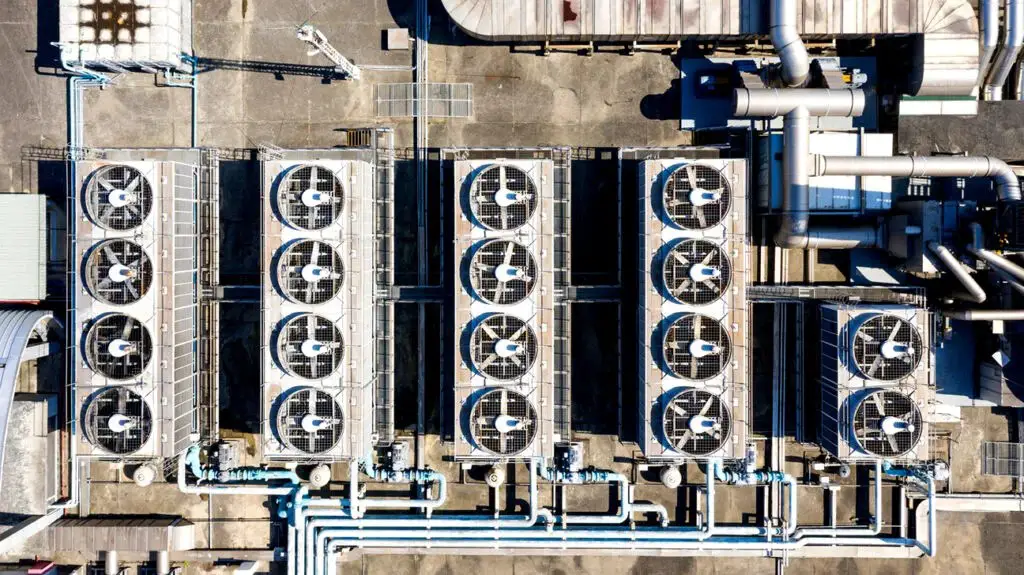
Figure 1: Overview of major air‑conditioner categories
Introduction to Air Conditioning Units
Air conditioning units keep us cool. They are very helpful in hot weather. These units work hard to make our homes comfortable.
This article will help you understand air conditioning units. You will learn their types, how they work, and how to take care of them.
Figure 2: Ice buildup on an evaporator coil indicating airflow issues
Types of Air Conditioning Units
There are different types of air conditioning units. Each type has its own features. Here are the main types:
Window Air Conditioners: These units fit into windows. They are easy to install and are good for small rooms.
Split Air Conditioners: These units have two parts. One part is inside the room, and the other is outside. They are quiet and efficient.
Portable Air Conditioners: These units can be moved from room to room. They are easy to set up and use.
Central Air Conditioners: These units cool the whole house. They are powerful and efficient but can be expensive.
Hybrid Air Conditioners: These units use both electricity and gas. They are energy-efficient and can save money.
https://www.youtube.com/watch?v=_-mBeYC2KGc
How Air Conditioning Units Work
Air conditioning units work by removing heat from the air. Here is a simple explanation:
Evaporator Coil: The unit pulls warm air from the room. The air passes over the evaporator coil. The coil absorbs the heat from the air.
Compressor: The heat absorbed by the coil is transferred to the compressor. The compressor increases the temperature and pressure of the refrigerant gas.
Condenser Coil: The hot gas moves to the condenser coil. The coil releases the heat outside. The gas cools down and turns back into a liquid.
Expansion Valve: The liquid refrigerant passes through the expansion valve. The valve lowers the pressure and temperature of the refrigerant. The process starts again.
This cycle keeps repeating. It helps to keep the room cool and comfortable.
Benefits of Air Conditioning Units
Air conditioning units have many benefits. Here are some of them:
Comfort: They keep the indoor temperature comfortable. This is important during hot weather.
Air Quality: They improve indoor air quality. They filter out dust, pollen, and other pollutants.
Better Sleep: Cool rooms help us sleep better. This is good for our health.
Energy Efficiency: Modern units are energy-efficient. They help save on electricity bills.
Maintaining Your Air Conditioning Unit
Proper maintenance is important. It keeps the unit working well. Here are some maintenance tips:
Regular Cleaning: Clean the filters regularly. Dirty filters reduce efficiency.
Check the Coils: Clean the evaporator and condenser coils. This helps the unit work better.
Inspect the Fins: Check the fins on the coils. They should be straight. Bent fins can block airflow.
Clear the Area: Keep the area around the unit clear. This helps with proper airflow.
Professional Service: Get the unit serviced by a professional. They can check for any issues.
Seasonal Maintenance Tips
In practice, a quick pre‑season check — cleaning filters, clearing debris from the outdoor unit, and verifying refrigerant pressure — can prevent the majority of mid‑summer breakdowns. For a detailed checklist, see our guide on seasonal upkeep steps.
Choosing the Right Air Conditioning Unit
Choosing the right unit is important. Here are some things to consider:
Room Size: Choose a unit that matches the size of the room. A small unit for a big room won't work well.
Energy Efficiency: Look for energy-efficient units. They save money on electricity bills.
Noise Level: Consider the noise level. Some units are quieter than others.
Budget: Set a budget. Choose a unit that fits your budget.
Features: Look for extra features like remote control, timers, and air purifiers.
Sizing Your Air Conditioner (BTU & Load Calculations)
Selecting the correct capacity is the single most important step. An undersized unit runs continuously and never reaches the set point; an oversized unit short‑cycles, wasting energy and leaving humidity high. A proper Manual J load calculation accounts for square footage, insulation, window orientation, occupancy, and local climate. As a rule of thumb, ≈ 20 BTU per sq ft of living space works for many homes, but a professional load calc is far more reliable. For step‑by‑step guidance on matching capacity to your space, see our article on selecting the right capacity. The U.S. Department of Energy also publishes a useful sizing worksheet (Energy.gov).
Energy Efficiency Ratings (SEER, EER, HSPF)
Modern units carry SEER (Seasonal Energy Efficiency Ratio) for cooling and HSPF (Heating Seasonal Performance Factor) for heat‑pump heating. Higher numbers mean lower operating cost. As of 2026, the minimum federal SEER for new central systems is 14 in the north and 15 in the south; many high‑efficiency models exceed 20. EER is a snapshot rating at 95 °F outdoor temperature and is handy for comparing units in hot climates. Pairing a high‑SEER unit with optimal thermostat settings can shave 10‑15 % off summer bills. For the latest federal standards, refer to the DOE’s appliance standards page (Energy.gov).
Refrigerant Types and Environmental Impact
Most residential units today use R‑410A, but the industry is transitioning to lower‑GWP refrigerants such as R‑32 and R‑454B. The EPA’s AIM Act phases down high‑GWP HFCs, so new equipment sold after 2025 will increasingly ship with these alternatives. When comparing models, note the refrigerant type — it affects service availability, global‑warming impact, and sometimes efficiency. The EPA provides a comprehensive refrigerant transition timeline (EPA.gov).
Smart & Connected Features
Wi‑Fi‑enabled thermostats, voice‑assistant integration, and mobile‑app diagnostics are now standard on many mid‑range and premium units. These features let you adjust temperature remotely, receive filter‑change alerts, and even run self‑diagnostics that can pinpoint a fault before a service call. For a look at the newest connected‑AC technologies, browse our roundup of air‑conditioning innovations.
Installation Considerations & Professional vs DIY
Proper installation determines up to 30 % of a system’s rated efficiency. Key factors include correct refrigerant charge, sealed ductwork (for central), proper condensate drainage, and secure mounting of outdoor units. While window and portable units are DIY‑friendly, split and central systems require EPA‑certified technicians for refrigerant handling and often need permits. Our split‑system installation guide and central‑air installation guide walk through the critical steps and common pitfalls.
Cost Breakdown: Purchase, Installation, Operating
| Category | Typical Range (2026 USD) | Notes |
|---|---|---|
| Window / Portable unit | $150 – $600 | Low install cost; higher per‑BTU operating cost |
| Ductless mini‑split (single zone) | $1,200 – $3,500 | Includes indoor + outdoor; professional install $500‑$1,200 |
| Central air (incl. furnace) | $4,500 – $12,000 | Ductwork adds $1,500‑$5,000 if not present |
| Annual electricity (cooling) | $200 – $800 | Varies by climate, SEER, and usage hours |
Operating cost is driven primarily by SEER/EER and local electricity rates. A 20 SEER central system can save $150‑$300 per year versus a 14 SEER baseline in a hot climate.
Warranty & Support
Most manufacturers offer a 5‑year parts warranty and a 10‑year compressor warranty on residential equipment; labor is usually covered only for the first year unless an extended labor plan is purchased. Register the unit online within 60 days to activate the full term. Keep a record of all professional maintenance visits — many brands require proof of annual service to honor the compressor warranty.
Environmental & Health Considerations
Beyond refrigerant GWP, consider units with high‑efficiency filters (MERV 13+ or HEPA) if household members have allergies or asthma. Proper humidity control (30‑50 % RH) reduces mold growth and improves comfort. Some newer models include UV‑C coil sterilization, which can further suppress microbial buildup.
Common Problems and Solutions
Air conditioning units can have problems. Here are some common problems and solutions:
Problem Solution
Unit Not Cooling: Check the thermostat. Make sure it is set to cool. Clean the filters and coils.
Strange Noises: Check for loose parts. Tighten any loose screws. Clean the fan blades.
Water Leaks: Check the drain line. Make sure it is not blocked. Clean the drain pan.
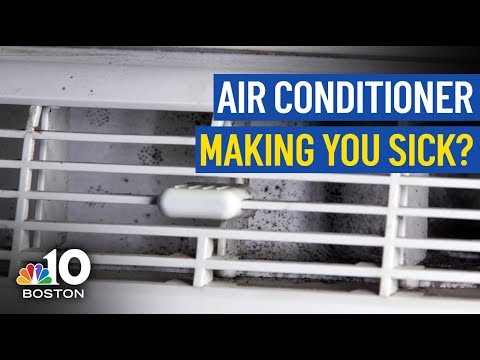
Bad Smells: Clean the filters. Check for mold and mildew. Use air fresheners if needed.
Additional Troubleshooting Resources
If the unit blows warm air despite clean filters, the issue may be low refrigerant or a faulty compressor — see our step‑by‑step guide on diagnosing warm‑air problems. For brand‑specific fault codes, the Delonghi troubleshooting page and Mitsubishi split‑AC guide are helpful references.
Frequently Asked Questions
What Is The Best Air Conditioning Unit?
The best unit depends on your needs and budget.
How Often Should Ac Units Be Serviced?
Service your AC unit annually for optimal performance.
Can Air Conditioning Units Save Energy?
Yes, energy-efficient models can lower electricity bills.
How Long Do Ac Units Last?
Typically, AC units last 10-15 years with proper maintenance.
What SEER Rating Should I Look For In 2026?
Aim for at least 15 SEER in southern regions and 14 SEER in the north; 18+ SEER delivers the best long‑term savings.
Are Smart Thermostats Compatible With All Units?
Most modern split and central systems support standard 24 V thermostat wiring, but verify compatibility with the manufacturer before purchasing.
How Do I Know If My Refrigerant Is Low?
Signs include reduced cooling, ice on the evaporator coil, and a hissing sound. Only a certified technician should measure and recharge refrigerant.
Conclusion
Air conditioning units are important for comfort. They keep us cool and improve air quality. Choosing the right unit is important. Proper maintenance helps the unit last longer.
We hope this article helps you understand air conditioning units better. Stay cool and enjoy your comfortable home!
Ready to find the perfect unit? Check out our step‑by‑step guide on selecting the right air conditioner for your home.