Wall Heat And Air Conditioning Units
When it comes to heating and cooling your home, wall-mounted air conditioning and heating units can be a great option. These units are becoming increasingly popular due to their versatility and efficiency. In this article, we will explore the benefits of wall heat and air conditioning units and provide some valuable insights into their installation and maintenance.
https://www.youtube.com/watch?v=kI2aLKvMHyo
Wall-mounted indoor unit showing sleek design
Credit: ptac4less.com
Benefits of Wall Heat and Air Conditioning Units
Wall-mounted air conditioning and heating units offer several advantages over traditional HVAC systems. Here are some of the key benefits:
Space-saving: These units are ideal for homes with limited space as they are mounted on the wall, freeing up valuable floor space.
Energy-efficient: Wall-mounted units are highly energy-efficient, helping to reduce your energy bills while keeping your home comfortable.
Zoned heating and cooling: With wall units, you can easily create different climate zones within your home, allowing for personalized comfort in each room.
Easy installation: These units are relatively easy to install, making them a convenient option for homeowners.
Sizing Your Wall Unit for Optimal Performance
Choosing the correct BTU rating is critical; an undersized unit will run constantly while an oversized unit short‑cycles, wasting energy and reducing dehumidification. A quick rule of thumb is 20 BTU per square foot of living space, but ceiling height, insulation, window exposure, and local climate all shift the number. For a precise calculation, use a Manual J load calculation or the online sizing tool from the U.S. Department of Energy. In practice, many homeowners discover that a 9,000 BTU mini‑split comfortably serves a 350‑sq‑ft bedroom in a well‑insulated house, while a 12,000 BTU model is better for a sunny living room.
Installation and Maintenance
Installing a wall heat and air conditioning unit requires careful planning and attention to detail. It is recommended to seek professional help to ensure proper installation and optimal performance. Regular maintenance is also crucial to keep the units running smoothly and efficiently.
Installation Considerations and Permits
Most municipalities require a permit for any penetration of an exterior wall, and some HOAs have aesthetic guidelines for condenser placement. Before drilling, verify the required clearance (typically 12‑18 inches) around the outdoor unit for airflow and service access. A common mistake is routing the refrigerant lines through uninsulated attic space, which adds heat gain and reduces efficiency. If you’re planning a DIY install, review the split AC installation guide for step‑by‑step details, and consider the Mitsubishi split AC installation guide for brand‑specific torque specs.
Choosing The Right Unit
When selecting a wall-mounted air conditioning and heating unit, it's important to consider factors such as the size of the room, the unit's cooling and heating capacity, energy efficiency, and any additional features such as remote control and programmable settings.
Energy Efficiency Ratings Explained
Look for the SEER (Seasonal Energy Efficiency Ratio) for cooling and HSPF (Heating Seasonal Performance Factor) for heating. As of 2026, the federal minimum for new residential split systems is SEER 14 / HSPF 8.2, but many top‑tier models exceed SEER 20 and HSPF 10, delivering noticeable savings over a 10‑year horizon. The Energy Star room air conditioner label is a quick way to spot units that meet stricter performance thresholds. In practice, upgrading from a SEER 13 unit to a SEER 18 model can cut cooling electricity use by roughly 30 % in a typical climate zone.
Popular Wall Heat And Air Conditioning Units In Austin, Texas
For residents in Austin, Texas, there are several top-rated wall heat and air conditioning units available in the market. Here are some popular options:
Unit Type Price Retailer
Wall 7,000 BTU $565.00 Global Industrial
Wall 8,000 BTU $829.00 Lowe's
Mini-split 9,000 BTU $99.99 Walmart
These units offer a range of features and price points, catering to different needs and budgets.
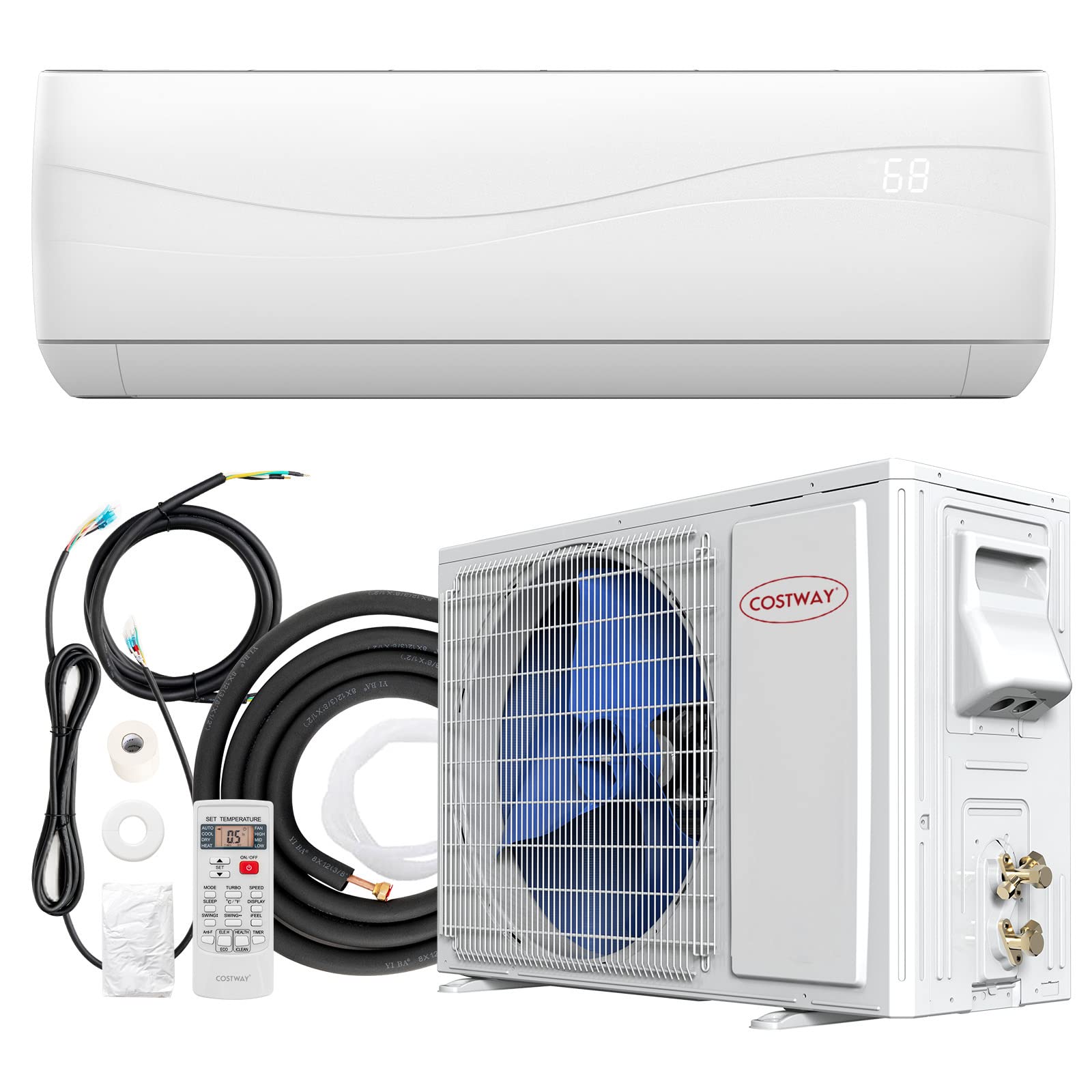
Outdoor condenser of a mini‑split system
Credit: www.amazon.com
Cost Comparison: Wall Units vs. Central HVAC
A single‑zone mini‑split (9,000 BTU) typically costs $1,200‑$2,000 installed, while a comparable central system with ductwork can run $5,000‑$9,000 for a 2,000‑sq‑ft home. Operating cost differences depend on SEER/HSPF ratings and local electricity rates; a high‑efficiency mini‑split often matches or beats a mid‑range central system on a per‑ton basis. For multi‑zone needs, the cost gap narrows because each additional indoor head adds $500‑$800 versus extending ductwork. See our breakdown of best HVAC air conditioning systems for residential use for a deeper dive.
Maintenance Checklist for Longevity
- Monthly – Clean or replace the washable filter; a clogged filter raises static pressure and can trip the high‑pressure switch.
- Quarterly – Inspect the outdoor coil for debris, straighten bent fins with a fin comb, and verify the condensate drain line flows freely.
- Annually – Schedule a professional refrigerant pressure check, electrical connection tightening, and thermostat calibration.
- Seasonally – Adjust the mode (cool/heat/auto) and set the temperature setback per the best air conditioning settings for energy efficiency.
Following this routine helps avoid the common “AC blowing warm air” symptom; if it occurs, the troubleshoot AC blowing warm air guide walks through the diagnostic steps.
Smart Controls and Connectivity
Many 2026 models ship with Wi‑Fi adapters that integrate with Google Home, Alexa, or proprietary apps, enabling geofencing, usage analytics, and remote diagnostics. In practice, enabling “eco‑mode” during away periods can shave another 5‑10 % off the annual bill without sacrificing comfort. If your unit lacks built‑in smarts, a universal IR blaster or a smart thermostat adapter (compatible with most mini‑splits) is a low‑cost retrofit.
Frequently Asked Questions
Are Wall-mounted Ac Units Worth It?
Yes, wall-mounted AC units are worth it for efficient cooling and space-saving benefits. They are easy to install and provide targeted cooling.
Do Wall Ac Units Also Heat?
Wall AC units do not provide heating; they only cool the air. If you need heating, consider a separate heating unit.
What Is An Air Conditioner And Heater Combo Called?
An air conditioner and heater combo is called a wall-mounted air conditioner heater unit.
What Is The Disadvantage Of Wall-mounted Air Conditioner?
The disadvantage of a wall-mounted air conditioner is that it requires a hole in the wall to install, which can be a costly and time-consuming process. Additionally, it may not be suitable for all types of walls or buildings, and may not provide sufficient cooling/heating for larger spaces.
How long do wall-mounted heat pumps typically last?
With proper maintenance, a quality mini‑split heat pump lasts 12‑15 years; premium brands often exceed 18 years. Regular filter cleaning and annual professional service are the biggest factors in reaching the upper end of that range.
What maintenance tasks should I perform each season?
Follow the checklist above: clean filters monthly, clear outdoor coils quarterly, and schedule a full refrigerant and electrical inspection annually. The seasonal air conditioning maintenance tips article provides a printable calendar you can stick on the fridge.
Conclusion
Wall heat and air conditioning units are an excellent choice for homeowners looking for efficient, space-saving, and customizable heating and cooling solutions. With proper installation and maintenance, these units can provide years of reliable comfort for your home.
Ready to upgrade? Explore our guide on choosing the right air conditioner for your home for a step‑by‑step decision framework.