
Title: Residential HVAC Unit Essentials: Maximize Comfort & Efficiency
Residential HVAC Unit: Everything You Need to Know
Residential HVAC units are essential for comfortable living. HVAC stands for Heating, Ventilation, and Air Conditioning. These units help control the temperature in your home.
What is an HVAC Unit?
An HVAC unit is a system that heats and cools your home. It also helps with ventilation. This means it can improve the air quality inside your house.
Components Of An Hvac Unit
An HVAC system has many parts. Here are the main components:
Thermostat: The control panel for your HVAC unit.
Furnace: Heats the air during cold weather.
Air Conditioner: Cools the air during hot weather.
Ductwork: Channels that carry air to different rooms.
Vents: Openings that let air into rooms.
Filters: Clean the air before it enters the house.
How Does an HVAC Unit Work?
An HVAC system works by moving air. It heats or cools the air and then sends it through ducts. The air comes out of vents into your rooms.
Heating
In winter, the furnace heats the air. The warm air travels through the ducts. It comes out of the vents and warms your home.
Cooling
In summer, the air conditioner cools the air. The cool air travels through the ducts. It comes out of the vents and cools your home.
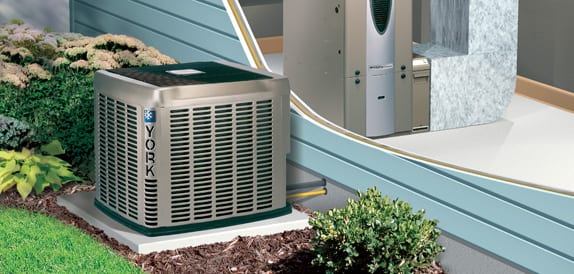
Diagram showing main HVAC components
https://www.youtube.com/watch?v=RTJlq9acCSw
Benefits of an HVAC Unit
Having an HVAC unit offers many benefits. Here are some:
Comfort
An HVAC unit keeps your home at a comfortable temperature. You can stay warm in winter and cool in summer.
Air Quality
An HVAC unit improves the air quality in your home. It filters out dust, pollen, and other particles.
Energy Efficiency
Modern HVAC units are energy efficient. They use less energy to heat and cool your home. This can save you money on your energy bills.
Choosing the Right HVAC Unit
Choosing the right HVAC unit is important. Here are some factors to consider:
Size
The size of the unit should match the size of your home. A unit that is too small won’t heat or cool your home properly. A unit that is too big will waste energy.
Energy Efficiency
Look for an energy-efficient unit. These units use less energy and can save you money.
Features
Some units have extra features. These can include smart thermostats, air purifiers, and humidity control. Choose the features that are most important to you.
Sizing and Load Calculations
Accurate sizing relies on a Manual J load calculation rather than square‑foot rules of thumb. A professional will assess insulation levels, window orientation, local climate data, and internal heat gains to recommend a unit that matches the home’s true heating and cooling load. Oversized equipment short‑cycles, reducing dehumidification and increasing wear, while undersized equipment runs continuously and cannot maintain setpoints on extreme days.
Zoning and Smart Controls
Adding zone dampers and a multi‑stage or variable‑speed compressor lets you condition only occupied areas, cutting energy use by 10‑30 % in typical homes. Pairing zoning with a learning thermostat (e.g., Ecobee, Nest) enables schedule‑based setbacks and remote adjustments, further improving comfort and efficiency.
Refrigerant Types and Environmental Impact
As of 2026, most new residential equipment ships with low‑GWP refrigerants such as R‑454B or R‑32, replacing the phased‑out R‑410A. These alternatives lower global‑warming potential by 70‑80 % while delivering comparable capacity. When servicing older units, technicians must follow EPA Section 608 recovery and recycling rules to avoid venting.
Maintaining Your HVAC Unit
Regular maintenance is important for your HVAC unit. Here are some tips to keep your unit running smoothly:
Change Filters
Change the filters regularly. This helps keep the air clean and the unit running efficiently.
Clean Ducts
Have your ducts cleaned every few years. This removes dust and debris that can block air flow.
Check Thermostat
Make sure your thermostat is working properly. This helps keep your home at the right temperature.
Schedule Professional Maintenance
Have a professional check your HVAC unit once a year. They can find and fix any problems before they become serious.
Seasonal Maintenance Checklist
- Spring – Inspect refrigerant charge, clean outdoor coil, verify fan operation, test safety controls.
- Summer – Replace or clean filters monthly, clear condensate drain, confirm proper airflow at registers.
- Fall – Check heat exchanger for cracks, test ignition sequence, lubricate blower motor bearings.
- Winter – Verify defrost cycle on heat pumps, inspect backup electric heat strips, ensure venting is unobstructed.
Following this checklist aligns with the seasonal maintenance tips recommended by industry experts.
Common HVAC Problems
Sometimes, your HVAC unit may have problems. Here are some common issues and how to fix them:
No Heating Or Cooling
If your unit isn’t heating or cooling, check the thermostat. Make sure it is set to the right temperature. If that doesn’t work, call a professional.
Strange Noises
If your unit is making strange noises, it could be a problem with the fan or motor. Turn off the unit and call a professional.
Poor Air Flow
If the air flow is weak, check the filters and ducts. They may be dirty or blocked. Clean or replace them as needed.
Technician checking ductwork for leaks and insulation gaps
When to Call a Professional vs. DIY
| Issue | DIY Safe? | Recommended Action |
|---|---|---|
| Filter replacement | Yes | Replace every 1‑3 months |
| Thermostat battery change | Yes | Swap batteries annually |
| Refrigerant recharge | No | Licensed tech required (EPA 608) |
| Compressor or motor failure | No | Certified HVAC contractor |
| Duct sealing & insulation | Partial | Use mastic/tape for accessible runs; hire pro for whole‑home audit |
| Electrical board faults | No | Qualified electrician/HVAC tech |
For complex diagnostics such as troubleshoot warm air issues or condenser faults, rely on a certified technician.
Comparing System Types
| System | Typical SEER2 / HSPF2 | Best For | Install Complexity |
|---|---|---|---|
| Central split‑system AC + furnace | 14‑18 SEER2 / 8‑10 HSPF2 | Whole‑home ducted homes | Moderate (ductwork required) |
| Air‑source heat pump | 15‑20 SEER2 / 9‑11 HSPF2 | Mild‑to‑moderate climates, all‑electric | Moderate |
| Ductless mini‑split | 18‑26 SEER2 / 10‑13 HSPF2 | Add‑ons, rooms without ducts, high‑efficiency zones | Low (no ducts) |
| Dual‑fuel (heat pump + gas furnace) | 16‑20 SEER2 / 9‑11 HSPF2 | Cold climates with gas availability | High (two fuel sources) |
Choosing among these options is easier after reviewing the top residential HVAC systems and understanding the differences between HVAC and standard AC.
Frequently Asked Questions
What Is A Residential Hvac Unit?
An HVAC unit controls heating, ventilation, and air conditioning for homes.
How Does An Hvac System Work?
HVAC systems circulate air, regulate temperature, and manage humidity in your home.
How Long Do Hvac Units Last?
Residential HVAC units typically last 15 to 20 years with proper maintenance.
How Often Should Hvac Filters Be Changed?
Change HVAC filters every 1-3 months to maintain optimal performance.
Additional FAQs
What SEER2 rating should I target in 2026?
Aim for ≥ 16 SEER2 for cooling‑dominant climates; higher ratings pay back faster where electricity rates are high.
Are smart thermostats worth the investment?
Yes — they typically reduce heating/cooling runtime 8‑12 % by learning occupancy patterns and enabling remote setbacks.
Can I retrofit a heat pump onto existing ductwork?
Often yes, provided the duct system is sized for the heat pump’s airflow requirements; a Manual D verification is recommended.
What incentives exist for high‑efficiency equipment?
Federal tax credits (up to $2,000 for qualified heat pumps) and many utility rebates are available; check the ENERGY STAR rebate finder for local offers. ENERGY STAR maintains an up‑to‑date database.
How do I verify a contractor’s credentials?
Look for NATE certification, state license, liability insurance, and manufacturer‑authorized dealer status for the brand you select.
Conclusion
An HVAC unit is essential for a comfortable home. It heats, cools, and improves the air quality. Choose the right unit, maintain it well, and fix any problems quickly. This will ensure your home stays comfortable all year round.
Ready to improve your home’s comfort? Explore top‑rated HVAC systems today.
Frequently Asked Questions (FAQs)
What Does Hvac Stand For?
HVAC stands for Heating, Ventilation, and Air Conditioning.
How Often Should I Change My Hvac Filters?
Change your filters every 1-3 months, depending on usage and air quality.
Can I Install An Hvac Unit Myself?
It is best to have a professional install your HVAC unit. This ensures it is done correctly and safely.
How Can I Make My Hvac Unit More Energy-efficient?
Regular maintenance, using a programmable thermostat, and sealing ducts can improve efficiency.
What Should I Do If My Hvac Unit Stops Working?
Check the thermostat and filters first. If the problem persists, call a professional.

