Home Depot Air Conditioner: Your Ultimate Guide to Staying Cool
When summer arrives, staying cool is essential. Home Depot offers many air conditioners to keep your home comfortable. This guide will help you choose the best one.
Types of Air Conditioners at Home Depot
Home Depot has different types of air conditioners. Each type has unique features and benefits. Here are the main types:
Window Air Conditioners: These units fit in your window. They are easy to install and remove.
Portable Air Conditioners: These units can be moved from room to room. They are great for flexible cooling.
Wall Air Conditioners: These units are installed through a wall. They save window space and are very efficient.
Mini Split Air Conditioners: These units have an indoor and outdoor component. They are great for cooling specific rooms.
Central Air Conditioners: These units cool your entire home. They are the best for large homes.
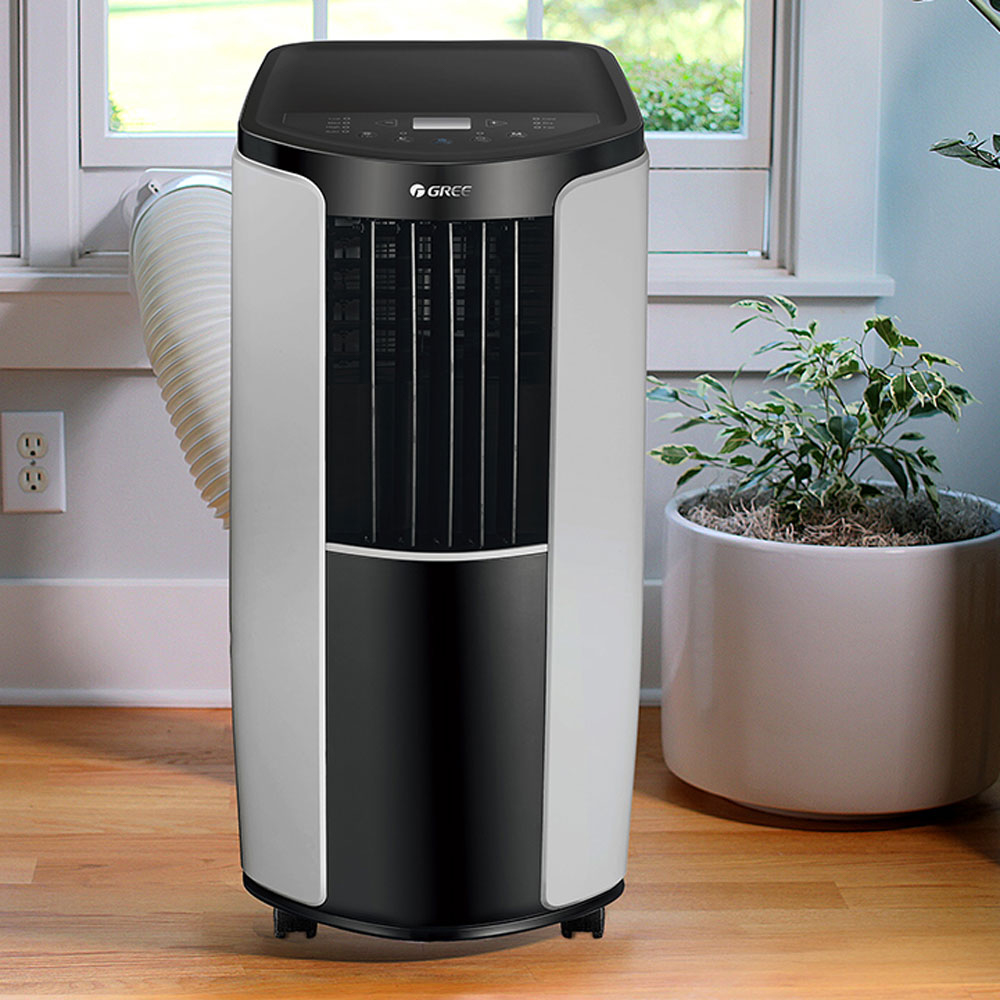 Diagram of a portable air conditioner showing airflow direction.
Features to Look for in a Home Depot Air Conditioner
When choosing an air conditioner, consider these features. They will help you find the perfect unit for your needs:
BTUs: This measures the cooling power. More BTUs mean more cooling.
Energy Efficiency: Look for units with an Energy Star rating. They use less electricity and save money.
Noise Level: Quieter units are more comfortable. Check the decibel rating before buying.
Programmable Thermostat: This feature allows you to set the temperature. It helps maintain a consistent climate.
Remote Control: A remote makes it easy to adjust settings from afar.
Dehumidifier Function: This feature removes excess moisture. It helps keep the air dry and comfortable.
Multiple Fan Speeds: Different speeds allow for better control. Choose the right airflow for your needs.
Air Purification: Some units have filters to clean the air. This is great for people with allergies.
Energy‑saving tip: Pair an Energy Star‑rated model with the optimal thermostat settings for savings to shave 10‑15 % off summer cooling costs.
Benefits of Buying an Air Conditioner from Home Depot
Home Depot offers many benefits when buying an air conditioner. Here are some reasons to choose Home Depot:
Wide Selection: Home Depot has many brands and models. You can find the perfect unit for your home.
Competitive Prices: Home Depot offers great prices. You can find a unit that fits your budget.
Expert Advice: Home Depot staff can help you choose the right unit. They are knowledgeable and friendly.
Installation Services: Home Depot offers professional installation. This ensures your unit is installed correctly.
Warranty Options: Many units come with warranties. This gives you peace of mind.
Top Air Conditioner Brands at Home Depot
Home Depot carries many top air conditioner brands. Here are some of the best brands you can find:
Brand Features Price Range
LG Energy efficient, quiet operation, smart features $150 – $800
GE Multiple fan speeds, easy installation, remote control $200 – $900
Frigidaire Dehumidifier function, air purification, compact design $170 – $750
Honeywell Portable, energy efficient, user-friendly controls $250 – $700
Whirlpool Quiet operation, programmable thermostat, energy saving $180 – $850
Quick comparison: For a side‑by‑side look at window, portable, and mini‑split costs, see the cost‑comparison table added later in this guide.
How to Choose the Right Air Conditioner Size
Choosing the right size air conditioner is important. A unit that is too small won’t cool your space. A unit that is too large will waste energy. Use this table to find the right size for your room:
Room Size (sq. ft.) BTUs Needed
100 – 150 5,000
150 – 250 6,000
250 – 300 7,000
300 – 350 8,000
350 – 400 9,000
400 – 450 10,000
450 – 550 12,000
550 – 700 14,000
700 – 1,000 18,000
1,000 – 1,200 21,000
Pro tip: After you pick a BTU range, read our guide on selecting the right unit for your space for room‑layout nuances like high ceilings or large windows.
Installation Tips for Your Home Depot Air Conditioner
Installing your air conditioner correctly is important. Follow these tips to ensure a smooth installation:
Read the installation manual carefully.
Use the right tools for the job.
Make sure the unit is level.
Seal any gaps around the unit.
Test the unit after installation.
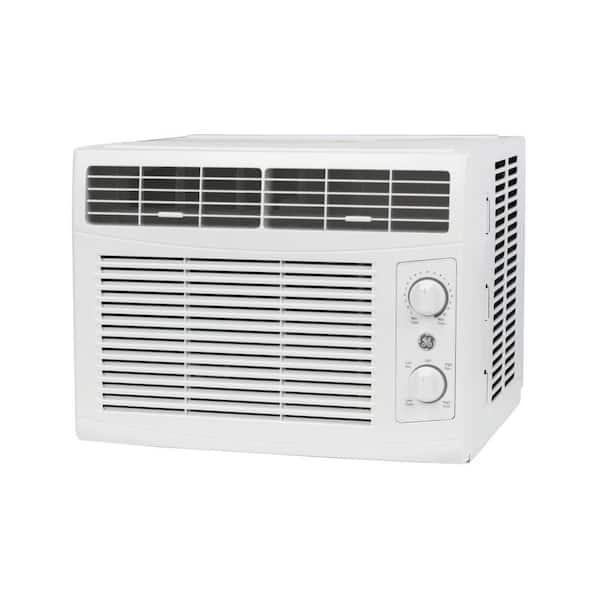 Front view of a GE window air conditioner showing control panel and vent.
Installation cost note: Professional installation for a central system typically runs $3,000‑$7,000; for a window unit it’s often under $200. For step‑by‑step central‑system guidance, see the professional central system setup.
Maintenance Tips for Your Home Depot Air Conditioner
Proper maintenance keeps your air conditioner running well. Here are some tips to keep your unit in top shape:
Check the coils for dirt and debris.
Inspect the fins and straighten them if bent.
Clear any obstructions around the unit.
Check the thermostat settings.
Schedule annual professional maintenance.
https://www.youtube.com/watch?v=248-xhNCHII
Seasonal checklist: Follow the year‑round upkeep checklist to catch issues before they become costly repairs.
Energy Efficiency Deep‑Dive (2026 Update)
Modern units now carry SEER2 ratings that reflect real‑world performance more accurately than the old SEER metric. When browsing Home Depot’s lineup, filter for SEER2 ≥ 15 for the best balance of upfront cost and long‑term savings. The latest cooling technology trends article explains how variable‑speed compressors and smart‑grid connectivity further reduce electricity draw.
Smart Features & Wi‑Fi Controls
Many 2026 models integrate with Home Depot’s Smart Home hub, allowing voice commands via Alexa or Google Assistant and remote scheduling from a phone app. In practice, a common mistake is forgetting to enable the “eco‑mode” schedule, which can cut runtime by up to 20 % during peak‑rate hours. For indoor‑air‑quality benefits, the EPA’s indoor air quality guidelines recommend units with built‑in HEPA‑grade filtration.
Cost Comparison: Window vs. Portable vs. Mini‑Split
| Type | Typical Unit Cost | Install Cost (est.) | Annual Energy Cost* |
|---|---|---|---|
| Window | $150‑$500 | $0‑$150 (DIY) | $60‑$120 |
| Portable | $250‑$700 | $0 (plug‑in) | $80‑$150 |
| Mini‑Split | $800‑$2,500 | $1,500‑$3,000 (pro) | $50‑$100 |
*Based on 1,000 h cooling season at $0.13/kWh. Mini‑splits often win on total cost of ownership after 3‑5 years.
Warranty & Protection Plans
Home Depot offers extended protection plans (up to 5 years) that cover parts, labor, and even refrigerant leaks. Read the fine print: some plans require annual professional maintenance to stay valid — aligning with the year‑round upkeep checklist mentioned earlier.
Seasonal Buying Guide: When to Shop for the Best Deals
- Late February – Early March: End‑of‑winter clearance on last year’s inventory.
- Memorial Day Weekend: Major promo event; expect 10‑15 % off select models.
- Black Friday / Cyber Monday: Deep discounts on smart‑enabled units.
Set a price‑alert on the Home Depot app to catch flash sales automatically.
Frequently Asked Questions
How Do I Choose The Right Air Conditioner?
Consider room size, BTU rating, and energy efficiency.
What Are Btus In Air Conditioners?
BTUs measure cooling capacity. Higher BTUs cool larger spaces.
Are Portable Air Conditioners Effective?
Yes, they’re ideal for smaller spaces and temporary cooling.
Do Air Conditioners Require Maintenance?
Yes, regular cleaning and filter changes ensure efficiency.
What Is a SEER2 Rating?
SEER2 is the 2023‑updated seasonal energy efficiency ratio that reflects real‑world performance; higher numbers mean lower operating cost.
Can I Install a Mini‑Split System Myself?
While handy homeowners can mount the indoor unit, refrigerant line charging requires EPA‑certified technicians — best to schedule professional installation.
How Often Should I Replace the Air Filter?
Every 30‑90 days for standard filters; monthly during heavy use or if you have pets.
Conclusion
Choosing the right Home Depot air conditioner is important. Consider the type, features, and size of the unit. Follow installation and maintenance tips for the best performance. Stay cool and comfortable all summer long!
Ready to shop? Check the latest Home Depot air conditioner promotions on their website and apply the tips above to lock in the best deal.