Repair HVAC: Quick Fixes for Common Problems
Repair HVAC: A Comprehensive Guide for Beginners
Do you have trouble with your HVAC system? Don't worry, we are here to help you. This guide will teach you how to repair HVAC systems easily.
What is HVAC?
HVAC stands for Heating, Ventilation, and Air Conditioning. It is a system that keeps your home comfortable. It can heat or cool the air. It also circulates fresh air inside your home.
Understanding the distinction between a full HVAC system and a standalone air conditioner can help you choose the right solution for your home. For a deeper comparison, see our guide on differences between HVAC and AC and compare air conditioner and HVAC systems.
Why is HVAC Important?
HVAC systems keep your home comfortable. They make sure the air you breathe is clean. They also help save energy.
Beyond comfort, a well-maintained HVAC system improves indoor air quality by filtering pollutants and controlling humidity, which the EPA highlights as key for healthy living spaces. Properly calibrated equipment also reduces energy consumption, lowering your utility bills and environmental impact. You can review EPA guidelines on indoor air quality for more details.
Common HVAC Problems
There are several common HVAC problems. Knowing them can help you fix issues quickly. Here are some common problems:
Dirty filters
Thermostat issues
Refrigerant leaks
Electrical problems
Blocked vents
Other frequent issues include frozen evaporator coils, short cycling, clogged condensate drain lines, and malfunctioning blower motors. Identifying these early can prevent more extensive damage.
How to Repair HVAC: Step-by-Step Guide
Follow these steps to repair your HVAC system. Make sure you have the necessary tools. Safety is important, so take precautions.
Tools and Safety Precautions
Before beginning any repair, gather the following tools: a multimeter, screwdrivers (Phillips and flathead), adjustable wrench, flashlight, and a vacuum with a brush attachment. Always wear safety glasses and gloves. Ensure the power is completely shut off at the breaker and the thermostat is set to 'off' to avoid accidental startup. If you are uncomfortable working with electrical components or refrigerant, stop and call a licensed professional.
Step 1: Turn Off The Power
Before you start, turn off the power to the HVAC system. This will keep you safe.
Step 2: Check The Thermostat
Look at the thermostat. Make sure it is set to the right temperature. If it is not working, replace the batteries.
Step 3: Inspect The Air Filters
Dirty air filters can cause problems. Check the filters. If they are dirty, replace them.
Step 4: Clean The Vents
Blocked vents can reduce airflow. Clean the vents to ensure proper airflow. Use a vacuum to remove dust and debris.
Step 5: Check For Refrigerant Leaks
Refrigerant leaks can affect cooling. Look for any leaks. If you find a leak, call a professional to fix it.
Step 6: Inspect Electrical Components
Electrical problems can cause HVAC issues. Check the wiring and connections. If you see any damage, call a professional.
Step 7: Test the System
After completing the checks and any minor fixes, restore power at the breaker. Set the thermostat to your desired temperature and observe the system through a full heating or cooling cycle. Listen for unusual noises, verify airflow from vents, and confirm the temperature reaches the setpoint. If the problem persists, it’s time to contact a professional.

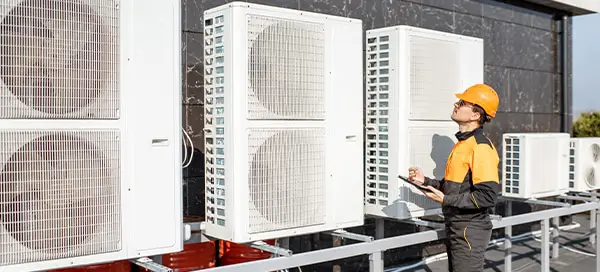
An HVAC technician diagnosing an outdoor condenser unit.
Credit: maichleshvac.com
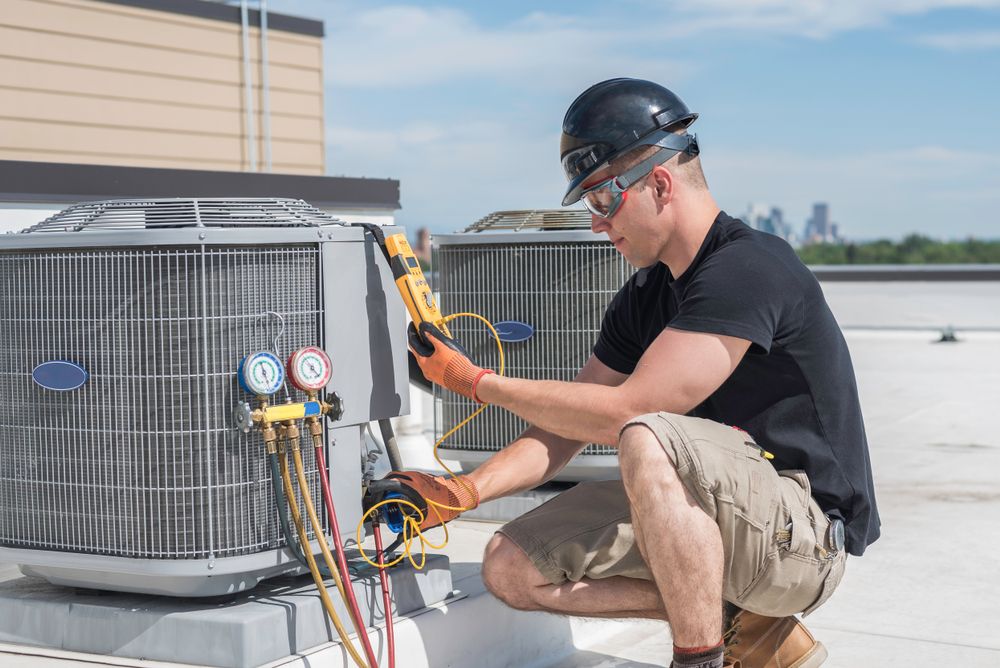
A maintenance checklist ensures all components are inspected.
Credit: www.ambientedge.com
Preventive Maintenance Tips
Regular maintenance can prevent many HVAC problems. Here are some tips to keep your system in good shape:
Change air filters regularly
Clean vents and ducts
Inspect the thermostat
Schedule annual HVAC check-ups
For a detailed seasonal schedule, refer to our seasonal maintenance checklist. In spring, clean the outdoor condenser coils and check refrigerant levels; in fall, inspect the heat exchanger and test the ignition system. Monthly, verify thermostat accuracy and clear debris from the outdoor unit. The U.S. Department of Energy recommends annual professional maintenance to maintain efficiency and extend equipment life.
Troubleshooting Common Symptoms
A brief guide to diagnosing specific symptoms:
- No cooling/heating: Check thermostat settings, power supply, and air filter. If those are fine, the issue may be a faulty capacitor, contactor, or compressor.
- Uneven temperatures: Inspect ductwork for leaks, ensure vents are open, and verify the blower motor is functioning.
- Short cycling: This often indicates an oversized system, a dirty filter, or a malfunctioning thermostat.
- Water leaks: Clear the condensate drain line and check the drain pan for cracks.
For brand-specific guidance, see our articles on fix an AC blowing warm air and troubleshoot the condenser unit.
Repair vs. Replace: Making the Decision
When facing a major repair, consider the 50% rule: if the repair cost exceeds half the price of a new system, replacement is usually wiser. Factor in the system’s age (over 10–15 years), rising energy bills, and the frequency of breakdowns. Newer models offer higher SEER ratings and smart features that can offset the upfront cost over time.
Energy Efficiency Upgrades
Simple upgrades can significantly reduce energy use:
- Install a programmable or smart thermostat to optimize runtime.
- Seal and insulate ductwork to prevent conditioned air loss.
- Upgrade to a high-efficiency filter (MERV 11–13) for better airflow and filtration.
- Consider a variable-speed blower motor for more precise temperature control.
For optimal settings, review our recommendations on optimal thermostat settings for efficiency.
Smart Thermostat Integration
Smart thermostats learn your schedule, adjust temperatures automatically, and provide energy reports. Popular models work with most HVAC systems and can be controlled via smartphone. Ensure compatibility with your system’s wiring (especially C-wire requirements) before purchasing.
When to Call a Professional
Sometimes, you may need help from a professional. Here are some signs that you should call an expert:
Strange noises from the HVAC system
Unusual odors
Frequent system breakdowns
High energy bills
If you notice any of these symptoms, a licensed technician can perform a comprehensive diagnosis. For help selecting a new system if replacement is needed, see our guide on select the right air conditioner and review top residential HVAC systems.
Contact a licensed HVAC technician for a thorough diagnosis and repair.
Benefits of Professional HVAC Repair
Professional HVAC repair has many benefits. Here are some of them:
Expertise and experience
Proper tools and equipment
Quick and efficient service
Long-term solutions
Professionals also ensure repairs comply with local codes and manufacturer warranties, protecting your investment. While DIY fixes can address minor issues, complex problems involving refrigerant, electrical circuits, or sealed systems require specialized training and certification.
https://www.youtube.com/watch?v=d-f5Gu4aGk8
Video tutorial on basic HVAC troubleshooting.
Frequently Asked Questions
What Is Hvac Repair?
HVAC repair involves fixing heating, ventilation, and air conditioning systems to ensure optimal performance and efficiency.
How Often Should Hvac Be Serviced?
HVAC systems should be serviced at least once a year to maintain peak performance and avoid costly repairs.
What Are Common Hvac Problems?
Common HVAC problems include refrigerant leaks, thermostat issues, and dirty filters which can affect system efficiency.
How Do I Know If My Hvac Needs Repair?
Signs include unusual noises, uneven temperatures, and increased energy bills, indicating your HVAC may need repair.
Conclusion
Repairing your HVAC system is important. It keeps your home comfortable and your air clean. Follow our guide to fix common HVAC problems. Remember to do regular maintenance. If you need help, don't hesitate to call a professional.
Schedule your seasonal tune-up today to avoid costly breakdowns.
Frequently Asked Questions (FAQs)
Question Answer
What is HVAC? HVAC stands for Heating, Ventilation, and Air Conditioning.
Why is my HVAC system making noise? Noises can be due to loose parts, debris, or mechanical issues.
How often should I change the air filter? Change it every 1 to 3 months for best performance.
Can I fix a refrigerant leak myself? No, you should call a professional to fix refrigerant leaks.
Why is my energy bill so high? High bills can be due to poor HVAC performance or inefficiency.
What causes an HVAC system to freeze up? Restricted airflow, low refrigerant, or a dirty evaporator coil can cause freezing.
Should I repair or replace my 15-year-old HVAC system? If repair costs exceed 50% of a new system's price, replacement is often more cost-effective.
How can I improve my HVAC energy efficiency? Upgrade to a programmable thermostat, seal duct leaks, and schedule regular maintenance.
Additional Resources
For more information on HVAC repair and maintenance, check out these resources:
Energy Saver: Maintaining Your Air Conditioner
EPA: Central Air Conditioning
HVAC.com