Everything You Need to Know About HVAC Filters
HVAC filters are very important. They keep the air in your home clean. They also help your heating and cooling system work well. This article will teach you all about HVAC filters.
What is an HVAC Filter?
An HVAC filter is a part of your heating and cooling system. HVAC stands for Heating, Ventilation, and Air Conditioning. The filter catches dust, dirt, and other things from the air. This keeps the air clean and helps the system work better. For more on this, see our guide on breathe easy the ultimate guide to hvac humidifiers.
Why Are Hvac Filters Important?
HVAC filters do many important jobs:
They keep the air in your home clean.
They help your HVAC system work well.
They protect your HVAC system from damage.
Clean air is good for your health. It helps you breathe easy and stay healthy. A good HVAC filter can make a big difference.
In practice, many homeowners overlook the filter’s role in system longevity; a clogged filter forces the blower to work harder, raising energy use and wear.
Types of HVAC Filters
There are many types of HVAC filters. Each type has its own good and bad points. Here are some common types:
Filter Type Pros Cons
Fiberglass Filters Cheap, easy to find Not very good at cleaning air
Pleated Filters Better at cleaning air, lasts longer More expensive than fiberglass
HEPA Filters Very good at cleaning air Very expensive, may not fit all systems
Washable Filters Can be reused, saves money Must be cleaned often, not as good at cleaning air
https://www.youtube.com/watch?v=RkjRKIRva58
Comparison Table: Filter Types at a Glance
| Filter Type | Typical MERV Range | Average Lifespan | Best For |
|---|---|---|---|
| Fiberglass | 1‑4 | 30 days | Basic dust protection, low‑cost needs |
| Pleated | 5‑13 | 60‑90 days | Allergy sufferers, pet owners |
| HEPA | 17‑20 | 6‑12 months | Clinical‑grade air cleaning, sensitive occupants |
| Washable | 4‑8 | 3‑6 months (clean) | Eco‑conscious users willing to maintain |
This table summarizes the key trade‑offs so you can match a filter to your household’s priorities.
How to Choose the Best HVAC Filter
Choosing the best HVAC filter can be hard. Here are some tips to help you pick the right one:
Think About Your Needs
Do you have allergies? Do you have pets? Do you live in a place with a lot of dust? These things can help you choose the right filter.
Check The Merv Rating
Filters have a MERV rating. MERV stands for Minimum Efficiency Reporting Value. This rating shows how well the filter can clean the air. A higher MERV rating means the filter is better at cleaning the air. But a higher MERV rating can also make your HVAC system work harder.
Think About The Cost
Some filters are cheap. Others are very expensive. Think about how much you want to spend. Remember, a good filter can save you money in the long run. It can help your HVAC system last longer and work better.
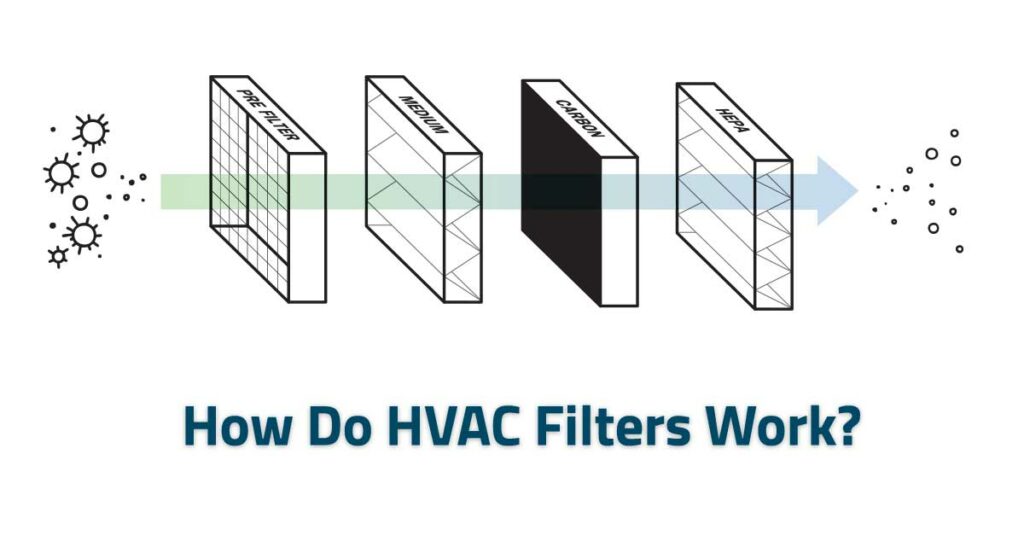
Diagram illustrating the airflow path through a typical residential filter.
A common mistake is installing a high‑MERV filter in a system not rated for it, which can restrict airflow and cause premature component failure.
For deeper guidance on matching filters to specific equipment, see the manufacturer’s airflow specifications or consult a qualified technician.
How to Change Your HVAC Filter
Changing your HVAC filter is important. It helps keep your air clean. It also helps your system work well. Here are some steps to change your filter:
Step 1: Turn Off Your Hvac System
Before you start, turn off your HVAC system. This keeps you safe and helps you change the filter easily.
Step 2: Find The Old Filter
Find where the old filter is. It is usually near the air handler or furnace. Look for a slot or compartment with a cover.
Step 3: Remove The Old Filter
Take out the old filter. Be careful not to spread dust and dirt.
Step 4: Check The Size Of The Old Filter
Check the size of the old filter. You need to buy a new filter that is the same size.
Step 5: Put In The New Filter
Put the new filter in the same place. Make sure it is facing the right way. The filter usually has arrows to show which way the air should flow.
Step 6: Turn On Your Hvac System
Turn your HVAC system back on. Now your system has a clean filter and can work well again.
Pro tip: Write the installation date on the filter frame with a marker; it makes the next check effortless.
When to Change Your HVAC Filter
Knowing when to change your HVAC filter is important. Here are some tips to help you:
Check your filter every month. If it looks dirty, change it.
Most filters need to be changed every 1 to 3 months.
If you have pets or allergies, you may need to change your filter more often.

Chart showing typical replacement timelines for common filter types.
Signs Your Filter Needs Changing Sooner
- Visible dust buildup on vent registers.
- Unexplained increase in utility bills.
- Reduced airflow from supply registers.
- Unusual system noises (whistling, rattling).
Monitoring these cues helps avoid unnecessary strain on the blower motor.
Benefits of Using a Good HVAC Filter
Using a good HVAC filter has many benefits. Here are some of the top benefits:
Cleaner air in your home.
A longer-lasting HVAC system.
Lower energy bills.
Better health for you and your family.
Long‑Term Cost Savings
A high‑quality filter reduces coil fouling, which can cut annual cooling costs by up to 10 % in typical homes. Over a decade, that adds up to hundreds of dollars saved on energy and repair bills.
Common Mistakes to Avoid
- Skipping the airflow direction arrows – installing the filter backward blocks airflow.
- Using a filter that’s too restrictive for the system’s design static pressure.
- Neglecting to seal the filter rack – gaps let unfiltered air bypass the media.
- Forgetting to turn off power – risk of electrical shock or fan damage.
Addressing these points keeps both air quality and equipment health optimal.
Smart HVAC Filters and Emerging Tech
Recent models integrate pressure‑sensor alerts and Wi‑Fi connectivity, notifying you via smartphone when replacement is due. While still a niche, they can be worthwhile for tech‑savvy households wanting automated reminders.
Frequently Asked Questions
What Are Hvac Filters?
HVAC filters trap dust, pollen, and other particles. They improve air quality and protect the HVAC system.
How Often Change Hvac Filters?
Change HVAC filters every 1-3 months. This ensures optimal performance and air quality.
What Is Merv Rating?
MERV rating indicates filter efficiency. Higher MERV means better filtration of smaller particles.
Can Hvac Filters Reduce Allergies?
Yes, high-quality HVAC filters can reduce allergens like pollen, dust, and pet dander, improving air quality.
What MERV Rating Is Safe for Most Residential Systems?
Most residential units handle MERV 8‑11 without airflow issues; always verify with your equipment’s spec sheet.
Are Washable Filters Worth the Effort?
They save material cost but require thorough drying to prevent mold; performance typically lags behind quality pleated media.
Conclusion
HVAC filters are very important. They keep the air in your home clean. They help your heating and cooling system work well. There are many types of filters to choose from. Think about your needs and the MERV rating. Always remember to change your filter on time. A good HVAC filter can make a big difference in your home.
If you have any questions about HVAC filters, feel free to ask. We are here to help you keep your home clean and healthy.
Ready to breathe easier? Schedule a professional HVAC inspection today to ensure your system runs efficiently and your filters are perfectly matched.
For more on system‑wide performance, explore our guide on seasonal air conditioning maintenance tips and learn how to choose the right air conditioner for your home.
External authority: EPA indoor air quality guidance – https://www.epa.gov/indoor-air-quality-iaq
External authority: ASHRAE standards for filtration – https://www.ashrae.org
Related Guides
- Explore top-rated residential HVAC systems for whole-home comfort.
- See energy-saving thermostat settings to maximize efficiency.
- Understand the difference between air conditioners and HVAC systems for better planning.
- Discover latest cooling innovations shaping future indoor air quality.