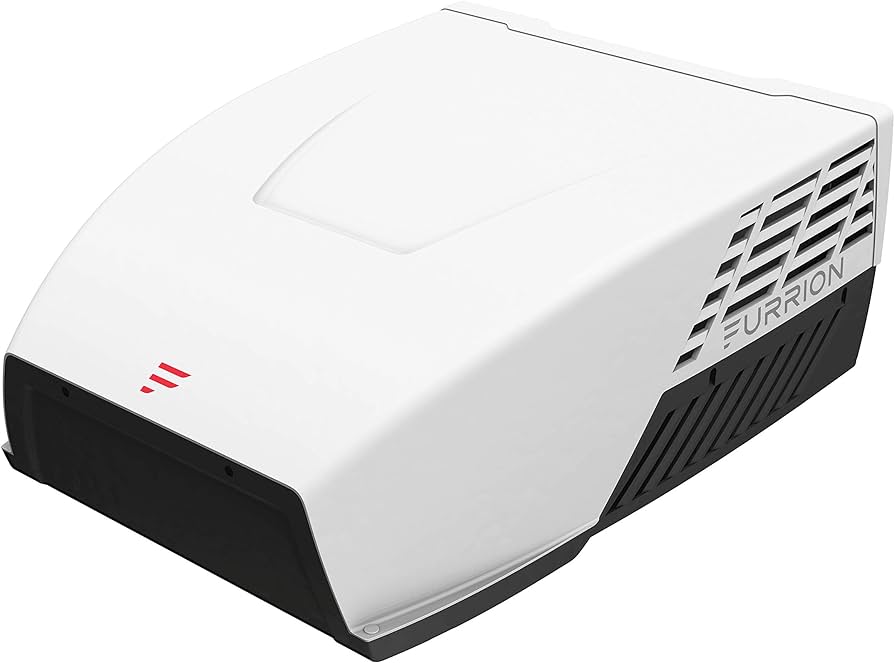
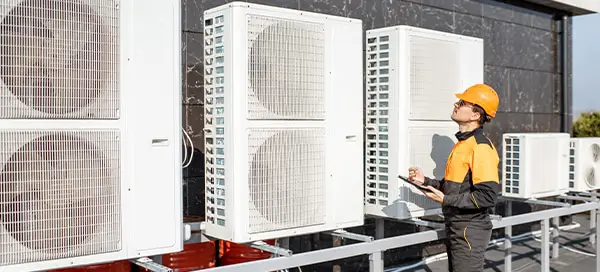
Iflow HVAC: The Ultimate Guide to Home Comfort and Energy Efficiency
Welcome to our comprehensive guide on Iflow HVAC systems. If you're looking to improve your home's comfort and energy efficiency, you've come to the right place. This guide covers everything you need to know about Iflow HVAC systems. Let's dive in!
https://www.youtube.com/watch?v=pgJUkTWWr3I
What is Iflow HVAC?
Iflow HVAC is a modern heating, ventilation, and air conditioning system. It stands for Intelligent Flow HVAC. This system is designed to optimize your home's climate control. It uses advanced technology to ensure comfort and efficiency.
How Does Iflow HVAC Work?
Iflow HVAC systems use smart sensors and controls. These sensors monitor the temperature and humidity levels in your home. The system then adjusts the airflow and temperature accordingly. This ensures that your home stays comfortable at all times.
Benefits of Iflow HVAC
Iflow HVAC systems offer many benefits. Here are some of the key advantages:
Energy Efficiency: Iflow HVAC systems use less energy. This can help you save on your energy bills.
Improved Comfort: The system adjusts the temperature and airflow. This ensures a consistent and comfortable environment.
Better Air Quality: Iflow HVAC systems filter the air. This can help reduce allergens and pollutants.
Smart Controls: You can control the system using your smartphone. This makes it easy to adjust settings from anywhere.

Iflow HVAC overview video thumbnail
Credit: www.iflowhvac.com
Energy Efficiency Settings and Tips
Fine‑tuning the thermostat schedule, enabling adaptive recovery, and using zone‑level setbacks can shave additional kilowatt‑hours off each billing cycle. The U.S. ENERGY STAR program recommends setting cooling setpoints to 78 °F when occupied and raising them 4–7 °F when away; heating setpoints of 68 °F occupied and 60 °F unoccupied deliver comparable savings. Pair these settings with the Iflow mobile app’s “Eco” mode to let the system learn occupancy patterns automatically. For a deeper dive on optimal settings, see the guide on energy‑saving thermostat programming.
Components of Iflow HVAC Systems
Iflow HVAC systems consist of several key components. Each component plays a crucial role in the system's operation. Here is a breakdown of the main parts:
Component Description
Thermostat Monitors and controls the temperature
Air Handler Distributes conditioned air throughout the home
Heat Pump Transfers heat to provide heating or cooling
Filters Remove dust, pollen, and other particles from the air
Ductwork Channels the conditioned air to different rooms
Sizing and Selecting the Right Iflow HVAC System
Proper sizing avoids short‑cycling, humidity problems, and premature wear. A Manual J load calculation — accounting for square footage, insulation R‑values, window orientation, and local climate data — is the industry‑standard method. Oversizing by more than 15 % typically reduces dehumidification performance, while undersizing leads to comfort complaints on design days. The article on choosing the right air conditioner for your home walks through the calculation steps and common pitfalls.
Installation of Iflow HVAC Systems
Installing an Iflow HVAC system requires professional help. A certified technician will assess your home's needs. They will then install the system accordingly. Here are the steps involved in the installation:
Assessment: The technician evaluates your home's size and layout.
Planning: A customized plan is created for your specific needs.
Installation: The components are installed and connected.
Testing: The system is tested to ensure it works correctly.
Cost Considerations and ROI
Typical installed costs for a whole‑home Iflow system range from $8,000 to $15,000 depending on capacity, duct modifications, and regional labor rates. Energy‑savings estimates of 20–30 % versus a conventional 13 SEER split system often yield a payback period of 5–8 years, especially when utility rebates or federal tax credits (e.g., 25 % up to $2,000 under the 2022 Inflation Reduction Act) are applied. For a side‑by‑side cost breakdown, the central AC installation guide includes a budgeting worksheet you can adapt.
Maintenance Tips for Iflow HVAC Systems
Regular maintenance is crucial for keeping your Iflow HVAC system in top shape. Here are some tips to help you maintain your system:
Change Filters: Replace air filters every 1-3 months.
Clean Ducts: Have your ducts cleaned every few years.
Check Thermostat: Ensure the thermostat is functioning properly.
Inspect Components: Regularly check for any signs of wear and tear.
Professional Tune-Up: Schedule annual tune-ups with a certified technician.
Seasonal Maintenance Checklist
Spring: verify refrigerant charge, clean condenser coil, test condensate drain.
Fall: inspect heat‑pump reversing valve, lubricate blower motor, confirm defrost cycle.
Winter (for heat‑pump models): clear snow/ice from outdoor unit, check auxiliary heat strips.
A printable checklist aligned with ASHRAE Standard 180 is available in the seasonal air conditioning maintenance tips article.
Common Issues and Troubleshooting
Even with regular maintenance, issues can arise. Here are some common problems and their solutions:
Issue Solution
System Not Turning On Check the thermostat and power supply.
Poor Airflow Check and replace the air filters.
Strange Noises Inspect the ductwork and air handler for obstructions.
Uneven Temperature Ensure vents are open and unobstructed.

Iflow HVAC side cover illustration
Credit: www.iflowhvac.com
Advanced Troubleshooting
If the compressor short‑cycles, verify low‑pressure switch operation and refrigerant charge using a calibrated manifold set. Persistent high‑head pressure often traces to a fouled condenser coil or a non‑condensable gas buildup — evacuate and recharge per manufacturer specs. For electrical faults, a multimeter check of the contactor coil voltage (24 VAC) and run capacitor microfarad rating can isolate the failure point. The AC condenser troubleshooting guide provides step‑by‑step voltage and pressure tables.
Why Choose Iflow HVAC?
There are many HVAC systems available. So, why choose Iflow HVAC? Here are some compelling reasons:
Advanced Technology: Iflow HVAC uses the latest technology for optimal performance.
Cost Savings: The energy-efficient design can save you money on energy bills.
Enhanced Comfort: The system ensures a comfortable living environment.
Environmentally Friendly: Lower energy consumption means a smaller carbon footprint.
Iflow HVAC vs. Traditional Systems
| Feature | Iflow HVAC (Intelligent Flow) | Conventional Split System |
|---|---|---|
| Variable‑speed compressor | Standard (inverter‑driven) | Often single‑speed |
| Zone‑level airflow control | Built‑in damper modulation | Requires add‑on zone board |
| Smart‑home integration | Native Wi‑Fi, Alexa/Google Home | Usually optional module |
| Real‑time IAQ monitoring | Integrated VOC/CO₂ sensors | Separate IAQ monitor needed |
| Typical SEER2 rating | 18–22 | 13–16 |
In practice, the variable‑speed compressor reduces temperature swing to ±0.5 °F versus ±2–3 °F on single‑speed units, which translates to noticeably steadier comfort and lower humidity spikes. For a broader look at emerging HVAC tech, see the air conditioning innovations overview.
Warranty and Support
Iflow backs its equipment with a 10‑year limited parts warranty and a 5‑year labor warranty when installed by an authorized dealer. Extended labor coverage up to 10 years is available for a modest surcharge. Registration must be completed within 60 days of startup; the online portal also logs service history, which simplifies warranty claims. The best HVAC systems for residential use roundup compares warranty terms across leading brands.
Frequently Asked Questions
What Is Iflow Hvac?
Iflow HVAC is a system that optimizes heating, ventilation, and air conditioning for improved energy efficiency and comfort.
How Does Iflow Hvac Work?
Iflow HVAC uses advanced technology to monitor and adjust airflow, ensuring optimal temperature and humidity levels.
What Are The Benefits Of Iflow Hvac?
The benefits include energy savings, improved air quality, and enhanced comfort in your home or office.
Is Iflow Hvac Energy Efficient?
Yes, Iflow HVAC systems are designed to reduce energy consumption, leading to significant cost savings.
How Do I Size An Iflow System For My Home?
A professional Manual J load calculation is required; the result determines the correct tonnage and airflow capacity.
Can I Integrate Iflow With My Existing Smart Home Hub?
Yes — native Wi‑Fi supports Alexa, Google Home, and Apple HomeKit without additional bridges.
What Maintenance Does The Manufacturer Recommend?
Filter changes every 1–3 months, annual professional tune‑up, coil cleaning biennially, and refrigerant charge verification each spring.
Are There Rebates Or Tax Credits Available?
Many utilities offer $200–$500 rebates for high‑SEER2 heat pumps; the federal 25 % tax credit (up to $2,000) applies to qualifying installations through 2032.
Conclusion
Iflow HVAC systems offer numerous benefits, from energy efficiency to improved comfort. With advanced technology and smart controls, these systems are a great choice for any home. Regular maintenance and professional installation ensure long-lasting performance. Choose Iflow HVAC for a comfortable and efficient home environment.
We hope this guide has been helpful. If you have any questions, feel free to reach out. Thank you for reading!
Ready to upgrade? Contact a certified Iflow installer today for a free assessment.