Daikin HVAC Systems: Revolutionize Your Comfort!
Daikin HVAC: A Comprehensive Guide to Heating and Cooling Solutions
Introduction to Daikin HVAC
Daikin is a leading brand in HVAC systems. HVAC stands for heating, ventilation, and air conditioning. Daikin systems help keep homes comfortable all year round.
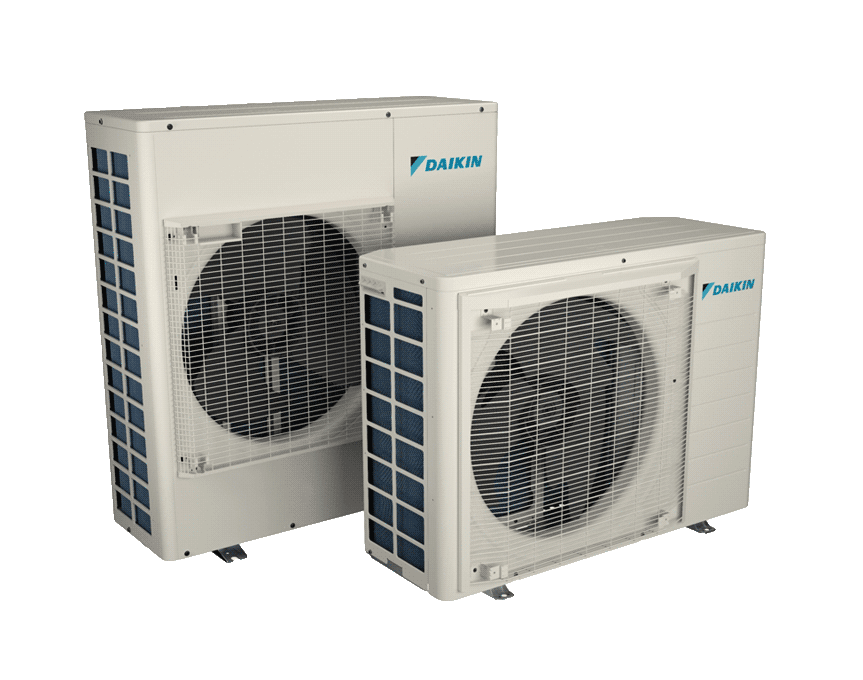
Daikin Fit 3rd generation outdoor unit
Credit: daikincomfort.com
Daikin has been a global innovator in climate control for over 90 years, pioneering technologies like inverter-driven compressors and VRV (Variable Refrigerant Volume) systems. Their products are used in residential, commercial, and industrial settings worldwide, reflecting a commitment to energy efficiency and indoor air quality. For more on this, see our guide on what are the best hvac air conditioning systems.
Why Choose Daikin HVAC?
Daikin offers many benefits. Here are some key reasons to choose Daikin HVAC systems:
Energy Efficiency: Daikin systems use less energy. This means lower utility bills.
Reliability: Daikin systems are built to last. They provide reliable heating and cooling.
Advanced Technology: Daikin uses cutting-edge technology. This ensures optimal performance and comfort.
Environmental Friendliness: Daikin systems are eco-friendly. They help reduce carbon footprints.
In practice, Daikin’s inverter technology allows the compressor to modulate speed rather than cycling on and off, which reduces wear and maintains steadier temperatures. A common mistake is oversizing equipment; Daikin’s wide capacity range helps match the load precisely.
Types of Daikin HVAC Systems
Daikin offers a variety of HVAC systems. Here are the main types:
Type Description
Split Systems These systems have two units: one inside and one outside.
Packaged Systems All components are in one unit, usually outside.
Ductless Systems These systems do not need ducts to distribute air.
Beyond these core categories, Daikin also manufactures VRV/VRF multi-zone systems for larger homes and light commercial applications, as well as air-to-water heat pumps for hydronic heating. Choosing between ducted and ductless often comes down to existing infrastructure and zoning preferences. For more on this, see our guide on score big savings guide to hvac tax credits.
Features of Daikin HVAC Systems
Daikin HVAC systems come with many features. Here are some of the top features:
Inverter Technology: This allows the system to adjust its speed. It provides consistent comfort and saves energy.
Smart Controls: Daikin systems can be controlled using smartphones. This provides convenience and flexibility.
Quiet Operation: Daikin systems are designed to operate quietly. This ensures a peaceful environment.
Air Purification: Many Daikin systems have built-in air purifiers. They help remove allergens and pollutants.
The Daikin One+ smart thermostat integrates with voice assistants and offers geofencing, while the optional Streamer technology decomposes viruses and odors. For allergy sufferers, the combination of high-efficiency filtration and humidity control can make a noticeable difference.
Benefits of Using Daikin HVAC Systems
Using Daikin HVAC systems offers many benefits:
Comfort: Daikin systems provide consistent heating and cooling. This ensures comfort in all seasons.
Cost Savings: Energy-efficient systems reduce utility bills. This saves money in the long run.
Health: Air purifiers remove harmful particles. This improves indoor air quality.
Environmental Impact: Daikin systems are eco-friendly. They help reduce greenhouse gas emissions.
Many Daikin models meet ENERGY STAR® Most Efficient criteria, and the company has committed to reducing refrigerant global warming potential through the use of R-32. Over a 15-year lifespan, the cumulative savings on electricity can offset the higher upfront cost compared to standard-efficiency units. For more on this, see our guide on how long do hvac systems really last.
How to Choose the Right Daikin HVAC System
Choosing the right system is important. Here are some tips to help you decide:
Size of Your Home: Larger homes need more powerful systems.
Climate: Consider the climate in your area. This affects your heating and cooling needs.
Budget: Determine your budget. Daikin offers systems at different price points.
Features: Decide which features are important to you. This could include smart controls or air purification.
A proper Manual J load calculation performed by a certified contractor is essential; rule-of-thumb sizing often leads to short-cycling or insufficient capacity. Also consider future-proofing: if you plan to add solar or a battery, select a system with compatible communication protocols.
Installation and Maintenance of Daikin HVAC Systems
Proper installation and maintenance are key. Here are some tips:
Professional Installation: Always hire a certified technician. This ensures the system is installed correctly.
Regular Maintenance: Schedule regular check-ups. This keeps the system running smoothly.
Filter Replacement: Change filters regularly. This ensures clean air and efficient operation.
Monitor Performance: Keep an eye on the system’s performance. Address any issues promptly.
https://www.youtube.com/watch?v=GYwjq4xYSV0
Seasonal maintenance should include coil cleaning, refrigerant charge verification, and electrical connection tightening. In practice, neglecting the outdoor coil is a frequent cause of reduced efficiency. Daikin’s dealer network offers maintenance plans that can extend the warranty and catch small issues early. For more on this, see our guide on how long do hvac systems last in florida.
Common Issues and Troubleshooting
Even the best systems can have issues. Here are some common problems and solutions:
No Cooling: Check the thermostat and filters. Ensure the power supply is on.
Strange Noises: This could be due to loose parts. Contact a technician for inspection.
Weak Airflow: Check for blocked vents. Clean or replace the air filter.
Water Leaks: This could be due to a clogged drain. Contact a technician for help.
If the unit displays an error code, consult the service manual or the Daikin One app for diagnostics. Many codes point to sensor faults or communication errors that require a qualified technician. Resetting the breaker may clear transient faults, but repeated trips indicate a deeper problem.
Daikin vs. Other Leading Brands
When comparing Daikin to competitors like Mitsubishi Electric, Carrier, or Trane, several distinctions emerge. Daikin’s inverter compressors are manufactured in-house, giving them tight quality control. Their VRV heritage translates to robust multi-zone capabilities. Mitsubishi often matches Daikin in ductless performance but may have a narrower ducted lineup. Carrier and Trane offer strong dealer networks and proprietary communicating systems, but Daikin’s R-32 refrigerant adoption is ahead of many rivals. Ultimately, the best choice depends on local dealer support and the specific model tier. For more on this, see our guide on find your perfect fit exploring different types of.
Daikin Warranty and Support
Daikin typically provides a 10-year parts limited warranty and a 10-year compressor limited warranty on residential equipment when registered within 60 days of installation. Some premium models include a 12-year unit replacement warranty. Labor coverage varies by dealer and optional protection plans. Always confirm the exact terms with your installing contractor, as warranty registration and annual maintenance documentation are usually required to maintain coverage.
Energy Efficiency Ratings Explained
SEER2, EER2, and HSPF2 are the current DOE testing standards (effective 2023). Daikin’s flagship units reach SEER2 ratings above 20 and HSPF2 above 10. Higher ratings correlate with lower operating costs, but the payback period depends on local electricity rates and climate zones. In hot-humid regions, prioritize high SEER2; in cold climates, HSPF2 is more critical. The ENERGY STAR label remains a reliable shorthand for top-tier efficiency.
Frequently Asked Questions
What Is Daikin Hvac Known For?
Daikin HVAC is renowned for its energy efficiency, durability, and advanced technology in climate control systems.
How Efficient Are Daikin Hvac Systems?
Daikin HVAC systems are highly efficient, often featuring SEER ratings above industry standards, ensuring energy savings.
Are Daikin Hvac Units Reliable?
Yes, Daikin HVAC units are known for their reliability and long lifespan, making them a trusted choice.
Do Daikin Hvac Units Have Warranties?
Yes, Daikin offers comprehensive warranties on their HVAC units, covering parts and sometimes labor.
What Is the Difference Between Daikin VRV and VRF?
VRV (Variable Refrigerant Volume) is Daikin’s trademarked term for what the industry generically calls VRF (Variable Refrigerant Flow). Both refer to multi-zone systems that vary refrigerant flow to match each zone’s load.
Can Daikin Systems Work with Solar Panels?
Yes, Daikin’s inverter-driven compressors are well-suited for solar integration because they modulate power draw smoothly. Pairing with a home energy management system can optimize self-consumption.
How Often Should I Service My Daikin System?
Professional maintenance is recommended twice per year — once before cooling season and once before heating season — to maintain efficiency and warranty compliance.
Conclusion
Daikin HVAC systems are reliable and efficient. They offer comfort and cost savings. Choose Daikin for a comfortable and eco-friendly home. Regular maintenance ensures long-lasting performance. Enjoy the benefits of a Daikin HVAC system today! For a personalized quote, contact a certified Daikin dealer in your area.