All About HVAC Units: Importance, Types, and How They Work
HVAC stands for Heating, Ventilation, and Air Conditioning. HVAC units are very important for your home. They help keep your house comfortable. Let's learn more about HVAC units.
Why Are HVAC Units Important?
HVAC units help keep your home warm in winter. They also keep your home cool in summer. They improve air quality inside your home. Clean air is good for your health. HVAC units make your life more comfortable.
Beyond temperature control, a well‑designed system also manages indoor humidity, reduces allergens, and can lower the risk of mold growth — especially valuable in humid climates. Proper ventilation dilutes indoor pollutants such as VOCs from furnishings and cooking, which the EPA identifies as a top‑five environmental health risk【https://www.epa.gov/indoor-air-quality-iaq】.

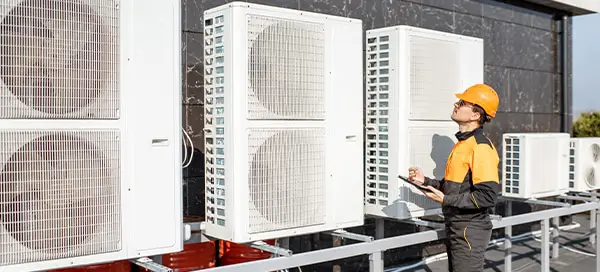
Rooftop packaged unit commonly used on commercial rooftops.
Credit: en.wikipedia.org
https://www.youtube.com/watch?v=SfuSzBja8QA
Types of HVAC Units
There are different types of HVAC units. Each type works in a special way. Let's look at the main types.
1. Split Systems
Split systems have two main parts. One part is outside your home. The other part is inside. They are very common. They are good for both heating and cooling.
2. Hybrid Systems
Hybrid systems are like split systems. But, they use two types of energy. They can use electricity and gas. This helps save energy. They are eco-friendly.
3. Duct-free Systems
Duct-free systems are also called mini-split systems. They do not use ducts. They are good for small spaces. They are easy to install.
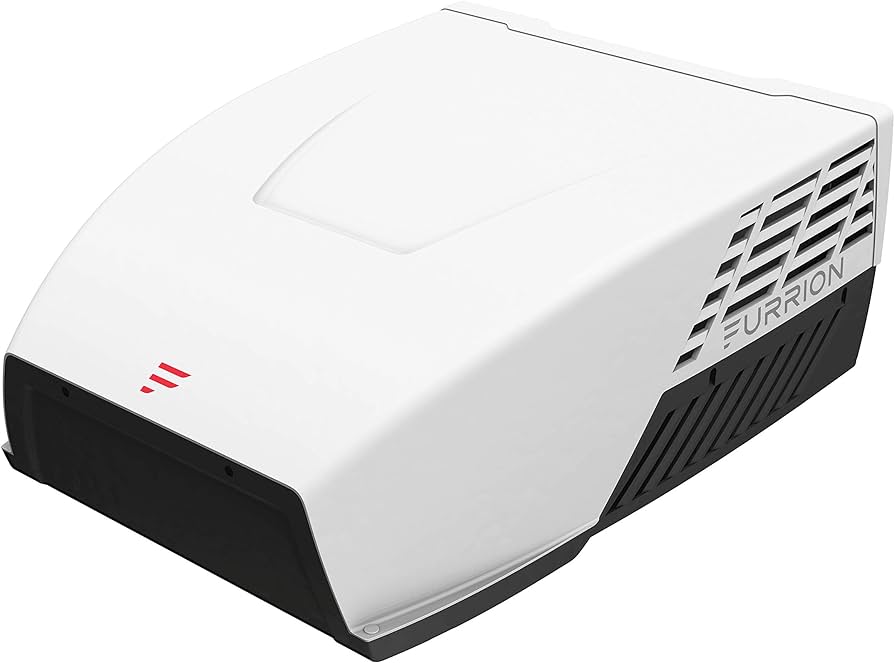
4. Packaged Systems
Packaged systems have all parts in one unit. The unit is usually outside. They are good for homes without much space. They are also good for commercial buildings.
5. Geothermal Heat Pumps
Geothermal (ground‑source) heat pumps exchange heat with the earth rather than outdoor air. They deliver the highest efficiency ratings (often > 30 SEER) and provide both heating and cooling with a single loop. Installation cost is higher, but federal tax credits and long‑term energy savings can offset the upfront investment.
In practice, a common mistake is assuming geothermal is only for new construction; retrofit kits now make it viable for many existing homes.
How Do HVAC Units Work?
HVAC units have many parts. Each part has a job to do. Let's see how they work together.
Heating
Heating keeps your home warm. There are different ways to heat a home. Some units use electricity. Some use gas. The unit heats the air. Then, it blows the warm air into your home. This makes your home warm.
Ventilation
Ventilation is very important. It brings fresh air into your home. It also removes stale air. This helps keep the air clean. Good air quality is good for your health.
Air Conditioning
Air conditioning keeps your home cool. It works like a refrigerator. The unit removes heat from the air. Then, it blows cool air into your home. This makes your home cool.
The refrigeration cycle — compression, condensation, expansion, and evaporation — moves heat from indoors to outdoors. A reversible valve lets a heat‑pump run the cycle in reverse for heating. Understanding this cycle helps when you troubleshoot an AC blowing warm air because a stuck valve or low refrigerant are frequent culprits.
Parts of an HVAC Unit
Let's look at the main parts of an HVAC unit. Each part has an important job.
Part Job
Thermostat Controls temperature
Furnace Heats the air
Evaporator Coil Cools the air
Condensing Unit Releases heat
Ducts Carry air
Vents Release air into rooms
Key components such as the blower motor, refrigerant lines, and the reversing valve (on heat pumps) are also critical but often omitted from basic diagrams.

Diagram of a typical split‑system indoor section with furnace, evaporator coil, and blower.
Credit: cellsitesolutions.com
Maintaining Your HVAC Unit
Maintaining your HVAC unit is very important. It helps the unit work well. It also helps the unit last longer. Here are some tips to maintain your HVAC unit.
- Change the air filter regularly.
- Clean the vents and ducts.
- Check the thermostat.
- Schedule regular check-ups.
Seasonal checklist (spring & fall):
- Inspect and clean the outdoor condenser coil.
- Verify refrigerant pressures (requires a certified tech).
- Lubricate motor bearings if not sealed.
- Test safety controls and the condensate drain.
- Confirm thermostat calibration and program set‑backs for energy savings.
Following a structured checklist mirrors the approach in our seasonal air‑conditioning maintenance tips and can extend equipment life by 3‑5 years.
CTA: Schedule a professional tune‑up today to keep your system running efficiently.
Choosing the Right HVAC Unit
Choosing the right HVAC unit is important. The right unit will keep your home comfortable. Here are some tips to choose the right unit.
- Think about your home's size.
- Consider your budget.
- Look for energy-efficient units.
- Ask a professional for advice.
Sizing & efficiency deep‑dive
- Manual J load calculation is the industry standard for determining the correct BTU/h capacity; oversizing leads to short‑cycling and humidity problems.
- SEER (cooling) and HSPF (heating) ratings — aim for ≥ 16 SEER / ≥ 9 HSPF in 2026 for a good balance of cost and savings.
- Smart thermostats (e.g., Ecobee, Nest) can shave 8‑12 % off annual bills by learning occupancy patterns; they integrate with most modern units.
- Rebates & tax credits — check the Database of State Incentives for Renewables & Efficiency (DSIRE) for local programs.
CTA: Compare top‑rated models on our guide to find the best fit for your home.
Frequently Asked Questions
What Is An Hvac Unit?
An HVAC unit controls heating, ventilation, and air conditioning in buildings for optimal indoor comfort.
How Does An Hvac System Work?
HVAC systems regulate temperature, airflow, and humidity by heating or cooling air and distributing it through ducts.
What Are The Types Of Hvac Systems?
Common types include central air conditioners, heat pumps, ductless systems, and packaged heating and cooling units.
How Often Should Hvac Be Serviced?
Service your HVAC system at least once a year to ensure efficiency and longevity.
What Size HVAC Unit Do I Need?
A professional Manual J calculation matches capacity to your home’s square footage, insulation, windows, and climate zone — avoiding the pitfalls of rule‑of‑thumb sizing.
Can I Install a Mini‑Split Myself?
While the indoor unit mounting is DIY‑friendly, refrigerant charging and electrical connections require EPA‑certified technicians; improper handling voids warranties and can be hazardous.
Are Smart Thermostats Worth It?
Yes — most users see 8‑12 % energy savings and gain remote control, scheduling, and integration with voice assistants.
Conclusion
HVAC units are very important. They keep your home comfortable. They improve air quality. There are different types of units. Each type has its own benefits. Knowing how they work is helpful. Maintaining your unit is key. Choose the right unit for your home. Stay comfortable all year long.
For deeper dives on specific brands or installation steps, explore our split AC installation guide and the central AC installation guide.
Internal resources you may find useful: