HVAC Technician Secrets: Boost Your Home Comfort!
HVAC Technician: A Comprehensive Guide
HVAC stands for Heating, Ventilation, and Air Conditioning. HVAC technicians are skilled workers who install and fix HVAC systems. These systems keep our homes and workplaces comfortable.
What Does an HVAC Technician Do?
HVAC technicians have many tasks. They install, maintain, and repair HVAC systems. These systems control temperature and air quality in buildings.
Installation Of Hvac Systems
Technicians install new HVAC units. They read blueprints and follow instructions. They place units in the right spots. They also connect them to power and test them.
Maintenance Of Hvac Systems
Maintenance is very important. Technicians check systems to ensure they work well. They clean parts and replace filters. Regular maintenance keeps systems running smoothly.
Maintenance Checklist for Homeowners
- Inspect and replace air filters every 1–3 months.
- Clean outdoor condenser coils annually.
- Verify thermostat calibration each season.
- Check refrigerant pressure during professional service.
- Ensure condensate drain lines are clear to prevent water damage.
Repair Of Hvac Systems
When systems break, technicians fix them. They find problems and replace broken parts. They also test the system to make sure it works again.
https://www.youtube.com/watch?v=GktnK0h3iQM
Skills Needed to Be an HVAC Technician
HVAC technicians need many skills. Here are some important ones:
Mechanical Skills: Technicians work with many tools and machines.
Problem-Solving Skills: They find and fix problems quickly.
Attention to Detail: Small mistakes can cause big issues.
Communication Skills: They explain problems and solutions to customers.
Physical Strength: The job can be physically demanding.
Types of HVAC Systems Compared
| System Type | Typical Application | Energy Efficiency | Installation Complexity |
|---|---|---|---|
| Central Split | Whole‑home heating & cooling | High (SEER 16+) | Moderate – requires ductwork |
| Ductless Mini‑Split | Room‑by‑room control | Very high (SEER 20+) | Low – no ducts needed |
| Packaged Unit | Small commercial or rooftop | Moderate (SEER 14‑16) | Moderate – single cabinet |
| Geothermal Heat Pump | Whole‑home, long‑term savings | Highest (COP 3.5‑5) | High – ground loop installation |
Understanding the differences between HVAC and standard AC can help you pick the right technology for your project. understand the differences between HVAC and standard AC
How to Become an HVAC Technician
Becoming an HVAC technician takes training and education. Here are the steps to follow:
Step 1: Get A High School Diploma Or Ged
First, finish high school or get a GED. Subjects like math and science are useful.
Step 2: Complete An Hvac Training Program
Next, complete an HVAC training program. These programs teach you about HVAC systems. You will learn how to install, maintain, and repair them. Programs can last from six months to two years.
Step 3: Get An Apprenticeship
Many technicians start as apprentices. Apprenticeships provide hands-on training. You will work with experienced technicians. Apprenticeships can last from three to five years.
Step 4: Get Certified And Licensed
Some places require technicians to be certified or licensed. Check your local rules. Certification shows you have the skills needed. Organizations like NATE offer certifications.
Job Outlook for HVAC Technicians
The job outlook for HVAC technicians is very good. People always need heating and cooling. The demand for HVAC technicians is growing. Here are some reasons why:
New buildings need HVAC systems.
Old systems need repairs or replacements.
Energy-efficient systems are becoming popular.
Credit: www.coynecollege.edu
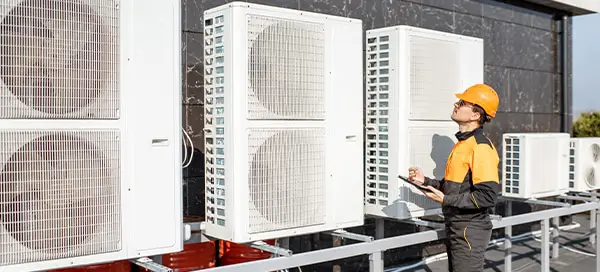
Technician performing routine maintenance on a rooftop unit

Credit: www.jacksonandsons.com
Technician checking indoor air handler components
Salary of an HVAC Technician
HVAC technicians earn a good salary. Here is a table showing average salaries in different locations:
Location Average Salary
New York $50,000
California $55,000
Texas $45,000
Florida $40,000
Figures are approximate 2026 averages; actual compensation varies by experience, certifications, and local market conditions.
Challenges Faced by HVAC Technicians
Being an HVAC technician can be challenging. Here are some common challenges:
Working in Extreme Conditions: Technicians often work in hot or cold places.
Physical Demands: The job can be physically tough.
Complex Systems: Modern HVAC systems can be complicated.
Customer Expectations: Customers expect quick and efficient service.
Common Mistakes to Avoid
- Skipping regular filter changes leads to reduced airflow and higher energy bills.
- Ignoring refrigerant leaks can cause compressor failure.
- Over‑charging or under‑charging refrigerant reduces efficiency and damages components.
- Failing to verify thermostat settings after service calls.
- Not documenting service history makes future troubleshooting harder.
A quick way to diagnose warm air issues is to check the outdoor unit’s fan and refrigerant pressures first. diagnose warm air issues
Benefits of Being an HVAC Technician
Despite the challenges, there are many benefits:
Job Security: The demand for HVAC technicians is high.
Good Salary: Technicians can earn a good income.
Variety: Every day is different with new challenges.
Helping People: You make homes and workplaces comfortable.
Emerging HVAC Technologies
Variable‑speed compressors, smart‑zone controls, and low‑global‑warming‑potential refrigerants are reshaping the industry. The U.S. Department of Energy highlights these advances as key to meeting 2030 efficiency targets. U.S. Department of Energy
ASHRAE continues to publish updated standards for ventilation and refrigerant handling, guiding technicians toward safer, greener installations. ASHRAE standards
Energy Efficiency Tips for Homeowners
- Set thermostats to 78 °F (25 °C) in summer and 68 °F (20 °C) in winter for optimal balance.
- Use programmable or smart thermostats to automate setbacks.
- Seal duct leaks with mastic or UL‑181 tape to cut losses up to 20 %.
- Schedule a professional seasonal upkeep checklist before peak seasons. seasonal upkeep checklist
- Consider upgrading to a high‑SEER unit when replacement is due; the payback period is often under five years.
Choosing the Right HVAC System for Your Home
Sizing, climate zone, and budget drive the selection. A Manual J load calculation ensures the equipment matches the home’s heating and cooling load. Optimal thermostat settings can shave 10 % off annual energy use. optimal thermostat settings
When selecting the right unit for your home, compare warranties, noise ratings, and available rebates. selecting the right unit for your home
Frequently Asked Questions
What Does An Hvac Technician Do?
An HVAC technician installs, maintains, and repairs heating, ventilation, and air conditioning systems.
How Long Is Hvac Technician Training?
HVAC technician training typically lasts between 6 months to 2 years, depending on the program.
Is Hvac Technician A Good Career?
Yes, it's a stable and well-paying career with high demand for skilled professionals.
What Skills Do Hvac Technicians Need?
They need problem-solving skills, mechanical aptitude, and knowledge of electrical systems and safety protocols.
What Certifications Are Most Valuable?
NATE, EPA 608, and manufacturer‑specific certifications (e.g., Carrier, Trane) are widely recognized and often required for advanced service work.
How Often Should I Schedule Professional Maintenance?
At least once per year — ideally before the cooling season and again before heating season — to keep the system running at peak efficiency.
Conclusion
Being an HVAC technician is a rewarding career. It requires hard work and dedication. But the rewards are worth it. If you like working with your hands and solving problems, this career might be for you.
Thank you for reading our guide on HVAC technicians. We hope you found it helpful. If you have any questions, feel free to ask in the comments.