HVAC Certification: Unlock Lucrative Career Opportunities
HVAC Certification: A Comprehensive Guide
https://www.youtube.com/watch?v=8U6_ecZAYQE
What is HVAC Certification?
HVAC stands for Heating, Ventilation, and Air Conditioning. HVAC certification means you are trained to work with heating and cooling systems. It shows you have the skills to do the job well.
Why is HVAC Certification Important?
Having HVAC certification is very important. It helps you get good jobs. It also means you know how to fix and install HVAC systems properly. This keeps people safe and comfortable. For more on this, see our guide on how does hvac air conditioning differ from standard.
How to Get HVAC Certification
Getting HVAC certification takes some steps. Here they are:
Complete High School: First, finish high school or get a GED. You need this to start HVAC training.
Attend an HVAC Program: Next, go to a school that offers HVAC courses. This can be a trade school or community college.
Gain Hands-On Experience: After learning in class, you need real-world experience. Many programs offer internships.
Pass the Certification Exam: Finally, you must pass a certification exam. This test shows you know how to work with HVAC systems.

Infographic of eight primary HVAC certifications
Credit: www.angi.com
Types of HVAC Certifications
There are different types of HVAC certifications. Each one focuses on different skills. Here are some common types:
Type of Certification Description
EPA Section 608 This is required to work with refrigerants.
NATE Certification This shows you have advanced HVAC skills.
HVAC Excellence This is for technicians who want to show high-level skills.
RSES Certification This is for those who specialize in refrigeration.
Certification Comparison Table
| Certification | Focus Area | Typical Prerequisites | Renewal Cycle |
|---|---|---|---|
| EPA Section 608 | Refrigerant handling | None (exam only) | Every 3 years |
| NATE | Broad HVAC competency | 2 years experience + exam | Every 2 years |
| HVAC Excellence | Advanced technical mastery | Coursework + exam | Every 5 years |
| RSES | Refrigeration specialization | Membership + exam | Every 3 years |
In practice, many technicians start with EPA 608 because it’s legally required, then pursue NATE or HVAC Excellence to demonstrate broader expertise. A common mistake is skipping the hands‑on portion of NATE prep; the performance test carries as much weight as the written portion.
Benefits of HVAC Certification
Having HVAC certification offers many benefits:
Better Job Opportunities: Employers prefer certified technicians.
Higher Pay: Certified technicians often make more money.
Skill Recognition: Certification shows you have important skills.
Career Advancement: Certification can help you get promotions.
Customer Trust: Customers trust certified technicians more.

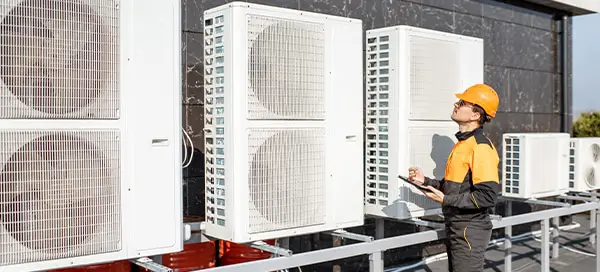
Technician performing HVAC maintenance
Credit: hartmanbrothers.com
Certified technicians in the U.S. typically earn 10‑20 % more than non‑certified peers, with median salaries ranging from $55,000 to $78,000 depending on region and specialty. For a deeper look at which residential systems drive the highest demand, see our roundup of top residential HVAC systems. For more on this, see our guide on air conditioner vs hvac.
How to Prepare for HVAC Certification Exam
Preparing for the HVAC certification exam is important. Here are some tips to help you:
Study the Material: Make sure you understand the topics covered in the exam.
Take Practice Tests: Practice tests help you get used to the exam format.
Join Study Groups: Studying with others can help you learn better.
Attend Review Classes: Some schools offer review classes for the exam.
Get Hands-On Practice: Practice working with real HVAC systems.
Maintaining Your HVAC Certification
Once you have your HVAC certification, you need to keep it up to date. Here’s how:
Continuing Education: Take classes to stay current with new technology.
Renew Your Certification: Some certifications need to be renewed every few years.
Stay Informed: Keep up with changes in HVAC laws and regulations.
Many manufacturers and trade associations offer approved CEU courses; the EPA Section 608 refrigerant handling rules are updated periodically and count toward renewal for that credential. In practice, setting a calendar reminder six months before expiration avoids last‑minute scrambling.
Choosing the Right HVAC Program
Choosing the right HVAC program is important. Here are some tips to help you choose:
Accreditation: Make sure the program is accredited.
Hands-On Training: Look for programs that offer hands-on training.
Qualified Instructors: Check if the instructors have real-world experience.
Job Placement: See if the program helps with job placement.
Cost: Consider the cost and see if financial aid is available.
Online vs. In‑Person Training
Online programs can be flexible for working adults, but they often lack the lab time needed for EPA 608 and NATE performance exams. Hybrid models — online theory plus weekend labs — give the best of both worlds. If you’re leaning toward a split‑system focus, the split system installation steps guide shows the hands‑on tasks you’ll need to master. For more on this, see our guide on air conditioner hvac filter.
State Licensing Requirements
Beyond national certifications, most states require a separate HVAC contractor license to pull permits and run a business. Requirements typically include:
- Proof of EPA 608 certification
- Minimum 2–4 years of documented journeyman experience
- Passing a state‑specific trade exam (often covering code, business law, and safety)
- Carrying liability insurance and a surety bond
Check your state’s licensing board early; some states have reciprocity agreements that simplify moving across borders.
Industry Trends in 2026
- Electrification & Heat Pumps – Federal incentives are accelerating heat‑pump retrofits; technicians fluent in variable‑refrigerant‑flow (VRF) systems are in high demand.
- Smart‑Controls Integration – IoT‑enabled thermostats and building‑automation protocols (BACnet, Modbus) are becoming standard on new installs.
- Refrigerant Transition – Low‑GWP refrigerants (R‑32, R‑454B) are replacing R‑410A; EPA 608 renewal now includes a low‑GWP handling module.
- Workforce Development – Apprenticeship registrations have risen 12 % year‑over‑year, driven by expanded Pell‑Grant eligibility for trade programs.
Staying current on these trends — through manufacturer webinars, ASHRAE chapters, or the NATE certification standards — keeps your skill set marketable.
Ready to launch your HVAC career? Find an accredited program near you and start training today.
Frequently Asked Questions
What Is Hvac Certification?
HVAC certification verifies professional training in heating, ventilation, and air conditioning systems.
How To Get Hvac Certification?
Complete an accredited HVAC training program and pass the certification exam.
Why Is Hvac Certification Important?
It ensures technicians have essential skills and knowledge for safe, efficient HVAC system work.
How Long Does Hvac Certification Take?
Typically, it takes six months to two years, depending on the program.
Conclusion
Getting HVAC certification is a great way to start a rewarding career. It shows you have the skills needed to work with HVAC systems. By following the steps in this guide, you can become a certified HVAC technician. This will open up many job opportunities and help you earn a good salary. So, take the first step today and start your journey to becoming a certified HVAC technician.