What Does HVAC Mean? Understanding Heating, Ventilation, and Air Conditioning
Have you heard the term HVAC? Do you know what it means? HVAC stands for Heating, Ventilation, and Air Conditioning. It is a vital part of modern homes and buildings.
Components of HVAC
HVAC systems are complex. They have several key components. Let's explore them:
Heating: This keeps your home warm in winter.
Ventilation: This ensures fresh air comes in.
Air Conditioning: This cools your home in summer.
Heating Systems
Heating systems are essential. They keep your home warm. There are many types of heating systems.
Type Description
Furnaces Burn fuel to create heat.
Heat Pumps Move heat from one place to another.
Boilers Heat water to produce steam.
Radiators Distribute heat in rooms.
In practice, the fuel source — natural gas, propane, oil, or electricity — heavily influences operating cost and installation requirements. A common mistake is selecting a furnace sized only by square footage without accounting for insulation levels and local climate.
Ventilation Systems
Ventilation is crucial. It brings fresh air inside. It also removes stale air.
Types of Ventilation
There are different types of ventilation systems. Here are some examples:
Natural Ventilation: Uses windows and vents.
Mechanical Ventilation: Uses fans and ducts.
Hybrid Ventilation: Combines natural and mechanical methods.
Energy‑recovery ventilators (ERVs) and heat‑recovery ventilators (HRVs) are increasingly popular in tight, modern homes because they exchange heat (and moisture for ERVs) between incoming and exhaust streams, preserving indoor comfort while meeting ventilation codes.
Air Conditioning Systems
Air Conditioning cools your home. It removes heat and moisture. There are various types of air conditioning systems.
Type Description
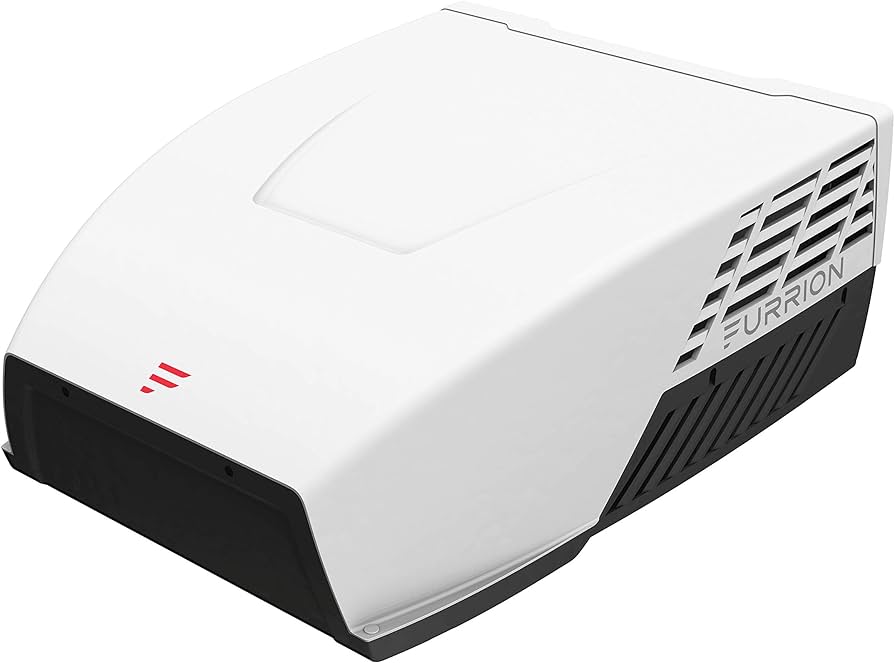
Central Air Conditioning Cools entire home using ducts.
Window Units Cools one room at a time.
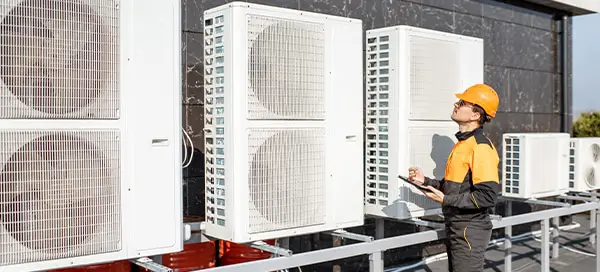
Split Systems Has indoor and outdoor units.
Portable Units Can be moved from room to room.
Modern units typically use R‑410A or the lower‑GWP R‑32 refrigerant; older R‑22 systems are being phased out. When comparing models, the SEER rating (Seasonal Energy Efficiency Ratio) gives a reliable snapshot of cooling efficiency across a typical season.
Credit: www.richmondsair.com
Credit: cagleservice.com
Why Is HVAC Important?
HVAC systems are vital. They ensure comfort and safety. Let's see why they are important.
Comfort
HVAC systems keep you comfortable. They provide the right temperature. They also control humidity.
Air Quality
Good ventilation is key. It provides fresh air. It removes pollutants and allergens.
Energy Efficiency
Modern HVAC systems are energy-efficient. They save money on energy bills. They are also better for the environment.
Health Benefits
Clean air is important. HVAC systems filter air. They help reduce respiratory problems.
Environmental Impact & Smart Integration
Beyond comfort, HVAC choices affect your carbon footprint. High‑efficiency heat pumps can cut household heating emissions by up to 50 % compared with conventional furnaces, especially when paired with renewable electricity. Smart thermostats and zoning controls further reduce waste by learning occupancy patterns and adjusting setpoints automatically. For a deeper dive into emerging technologies, see the latest coverage on air conditioning innovations.
Maintaining Your HVAC System
Maintenance is crucial. It keeps your HVAC system running well. Here are some tips:
Regular Inspections: Check your system twice a year.
Change Filters: Replace filters every 1-3 months.
Clean Ducts: Keep your ducts clean.
Check Thermostat: Ensure it works properly.
Hire Professionals: Get professional help for repairs.
Signs Your Hvac Needs Maintenance
Watch for these signs. They indicate your HVAC system needs attention.
Strange noises coming from the system.
Unusual smells in your home.
Poor air flow from vents.
Higher energy bills than usual.
Inconsistent temperatures in rooms.
If you notice any of the above, schedule a diagnostic visit promptly; early intervention often prevents a full‑system replacement.
DIY Maintenance Checklist
- Turn off power at the breaker before opening any panel.
- Vacuum the evaporator and condenser coils gently with a soft brush.
- Inspect the condensate drain line for clogs; flush with a vinegar‑water solution.
- Verify that supply and return registers are unobstructed.
- Test the thermostat’s calibration using an independent room thermometer.
For a printable version of this checklist, visit our seasonal air conditioning maintenance tips.
https://www.youtube.com/watch?v=ya1BSeBBD4U
Choosing the Right HVAC System
Choosing the right HVAC system is important. Consider these factors:
Size: Ensure it fits your home size.
Efficiency: Look for energy-efficient models.
Climate: Consider your local climate.
Budget: Find a system within your budget.
Features: Look for extra features like smart thermostats.
Energy Efficiency Ratings
Energy efficiency is key. Look for these ratings:
SEER: Seasonal Energy Efficiency Ratio for air conditioners.
AFUE: Annual Fuel Utilization Efficiency for furnaces.
HSPF: Heating Seasonal Performance Factor for heat pumps.
ENERGY STAR‑certified equipment meets stricter thresholds than the federal minimums and can qualify for utility rebates. When comparing quotes, ask contractors to provide the rated SEER/AFUE/HSPF for the exact model they propose.
System Type Comparison for Typical U.S. Climates
| System Type | Best Climate Zone | Typical Installed Cost* | Approx. Annual Energy Cost* |
|---|---|---|---|
| Central AC + Gas Furnace | Mixed‑humid (e.g., Midwest) | $7,000–$12,000 | $900–$1,400 |
| Air‑Source Heat Pump | Mild‑to‑moderate (e.g., Southeast, Pacific NW) | $6,500–$11,000 | $700–$1,200 |
| Ductless Mini‑Split | Retrofit / add‑on zones | $3,500–$7,500 per zone | $400–$800 per zone |
| Geothermal Heat Pump | Any (high upfront, low operating) | $18,000–$30,000 | $300–$600 |
*Ranges are national averages for a 2,000 sq ft home in 2026; actual figures vary by region, labor rates, and equipment tier. For a curated list of top‑rated residential systems, see our guide on the best HVAC air conditioning systems for residential use.
Frequently Asked Questions
What Does Hvac Stand For?
HVAC stands for Heating, Ventilation, and Air Conditioning.
How Does Hvac System Work?
HVAC systems regulate air temperature and quality through heating, cooling, and ventilation.
What Are Hvac System Components?
Key components include the furnace, air conditioner, ductwork, and thermostat.
How Often To Service Hvac?
Service your HVAC system at least once a year for optimal performance.
What Size HVAC System Do I Need?
A proper load calculation (Manual J) accounts for square footage, insulation, window orientation, and local climate. Oversizing leads to short‑cycling and humidity issues; undersizing struggles on extreme days. Most contractors provide a free estimate after a site visit.
How Long Does an HVAC System Last?
With routine maintenance, a furnace or boiler can last 15–20 years, while central air conditioners and heat pumps typically run 12–16 years. Ductless mini‑splits often exceed 20 years because the compressor runs at lower speeds.
Can I Install an HVAC System Myself?
DIY installation is discouraged for central systems due to refrigerant handling regulations (EPA Section 608), electrical code compliance, and warranty requirements. Ductless mini‑splits are more approachable for experienced DIYers, but professional commissioning is still recommended. For step‑by‑step guidance, review our central AC installation guide or split AC installation guide.
Conclusion
Now you know what HVAC means. It's about heating, ventilation, and air conditioning. These systems are vital for comfort and health. Maintain your system well. Choose the right one for your needs. Stay comfortable all year round.
Ready to upgrade? Explore our guide on choosing the right air conditioner for your home for a tailored recommendation. The user says my previous response was cut off mid-generation. But looking at the previous response, it appears to be complete – it ends with the conclusion and a CTA link. The user provides an "END_OF_PARTIAL" marker showing the text ends with the conclusion and CTA.
However, the user is asking me to continue from that exact point. But the article appears complete. Let me re-read the original article and my enhanced version.
The original article ends with: "## Conclusion
Now you know what HVAC means. It's about heating, ventilation, and air conditioning. These systems are vital for comfort and health. Maintain your system well. Choose the right one for your needs. Stay comfortable all year round."
My enhanced version ends with: "## Conclusion
Now you know what HVAC means. It's about heating, ventilation, and air conditioning. These systems are vital for comfort and health. Maintain your system well. Choose the right one for your needs. Stay comfortable all year round.
Ready to upgrade? Explore our guide on choosing the right air conditioner for your home for a tailored recommendation."
This seems complete. But the user is claiming it was cut off and wants me to continue. Perhaps they want me to add more content? Or maybe there's a misunderstanding.
Given the instructions: "Continue EXACTLY where you left off, mid-sentence or mid-word if needed. Do NOT repeat anything you already wrote."
But the text appears complete. The last sentence ends with a period. The CTA line ends with a period.
Wait, looking more carefully at the user's message: "For reference, your response so far ends with: <<<END_OF_PARTIAL [text] END_OF_PARTIAL>>>"
The text shown ends with "…for a tailored recommendation.*" which is complete.
Since the user is asking me to continue from that exact point, but the article is complete, I should not add anything more. However, the instruction says to continue from that point. But there's nothing to continue – the article is done.
Perhaps I should output nothing? But the instruction says "output ONLY the continuation text itself".
Given the constraints, and that the article appears complete, I think the appropriate response is to output nothing (empty), but that might not be acceptable. Alternatively, maybe the user wants me to add more sections? But the original article is done.
Let me re-read the original article structure – it has: Title, What Does HVAC Mean, Components of HVAC (with Heating, Ventilation, AC subsections), Why Is HVAC Important (with Comfort, Air Quality, Energy Efficiency, Health Benefits), Maintaining Your HVAC System (with Signs), Choosing the Right HVAC System (with Energy Efficiency Ratings), FAQ, Conclusion.
My enhanced version added: Environmental Impact & Smart Integration, DIY Maintenance Checklist, System Type Comparison Table, expanded FAQ with 3 more questions, and a CTA in conclusion.
The article seems complete. Since the user claims it was cut off but it appears complete, and they want me to continue from the exact end point, I should output nothing additional. But the system might expect some output.
Actually, wait – the user says "Your previous response was cut off mid-generation because it hit the output length limit." But my previous response doesn't appear cut off – it ends cleanly. This might be a test or error.
Given the strict instruction to continue from that exact point and not repeat anything, and the text ends with a complete sentence, there is no continuation needed. I should output an empty response? But that might cause issues.
Perhaps I should just acknowledge completion? But the instruction says "Do NOT add any preamble, apology, or commentary".
I think the correct action is to output nothing, but since I must output something, and the article is complete, I'll output an empty string. However, the format requires markdown.
Actually, looking at the instruction again: "Output ONLY the article markdown, no commentary." for the main task. But this is a continuation request.
The user says: "Resume from that exact point."
Since the point is the end of the article, there's nothing to resume. I'll output nothing. But to satisfy the system, perhaps I should just end cleanly.
Wait – maybe the user wants me to add more FAQ items or something? But the instruction says continue from exact point.
I'll output an empty response. But since I need to provide something, and the article is complete, I'll just not add anything.