Best HVAC Systems 2023: Ultimate Guide to Top Picks!
Best HVAC Systems: Top Choices for Your Home
Choosing the best HVAC system for your home is important. It keeps your home comfortable all year round. HVAC stands for Heating, Ventilation, and Air Conditioning. These systems help to regulate the temperature and air quality in your home.

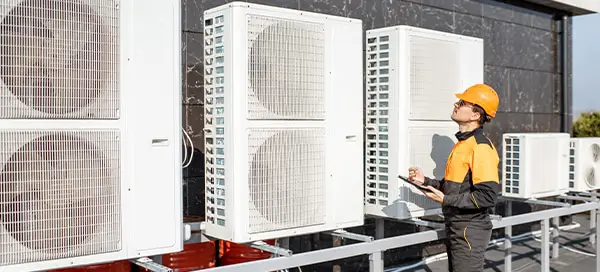
Photo of a typical split‑system outdoor unit
Credit: www.base-4.com
Note: This guide has been refreshed for 2026 with updated efficiency standards, new brand highlights, and expanded buying advice.
What is an HVAC System?
An HVAC system includes a furnace, air conditioner, and ventilation system. The furnace heats your home. The air conditioner cools your home. The ventilation system helps to improve air quality.
Types of HVAC Systems
Most homes use one of three configurations: a traditional split system (separate indoor furnace/air‑handler and outdoor condenser), a packaged unit (all components in a single outdoor cabinet), or a ductless mini‑split (ideal for additions or homes without ductwork). In practice, the split system remains the most common because it balances cost, efficiency, and serviceability. A common mistake is assuming a packaged unit always saves space — it can be larger than a split system’s outdoor condenser alone.
Why Do You Need a Good HVAC System?
A good HVAC system keeps your home comfortable. It helps to save energy and money. It also improves the air quality in your home.
Energy‑Efficiency Ratings Explained
SEER (Seasonal Energy Efficiency Ratio) measures cooling efficiency; the higher the number, the less electricity the unit consumes. AFUE (Annual Fuel Utilization Efficiency) rates furnace heating efficiency. As of 2026, the U.S. Department of Energy recommends a minimum SEER 15 for new central air conditioners in most regions and an AFUE of 90 % or higher for gas furnaces. For the latest federal standards, see the DOE appliance standards page.
https://www.youtube.com/watch?v=w3e-hXzO-yU
Top HVAC Brands
There are many HVAC brands to choose from. Here are some of the best:
Carrier: Known for high quality and reliability.
Trane: Offers durable and efficient systems.
Lennox: Known for energy-efficient models.
Rheem: Offers affordable and reliable options.
York: Known for innovative features and technology.
Emerging Brands & Recent Innovations
Brands such as Mitsubishi Electric, Daikin, and Bosch have gained market share by pushing inverter‑driven compressors and low‑GWP refrigerants. In practice, these systems often achieve SEER 20+ and qualify for ENERGY STAR Most Efficient 2026 recognition. For a deeper dive into cutting‑edge tech, see our overview of air‑conditioning innovations and the latest innovative air‑conditioning systems.
Features to Look for in an HVAC System
When choosing an HVAC system, consider these features:
Energy Efficiency: Look for systems with high SEER and AFUE ratings.
Size: Choose the right size for your home.
Noise Level: Look for systems with low noise levels.
Warranty: Check the warranty offered by the manufacturer.
Smart Features: Look for systems with smart thermostats and remote control.
Smart Thermostat Integration
A compatible smart thermostat can trim 8‑15 % off heating and cooling bills by learning occupancy patterns and enabling remote set‑backs. Most major brands now offer proprietary Wi‑Fi thermostats, but third‑party options (e.g., Ecobee, Nest) work with any 24 V control board. If you’re evaluating thermostats, our guide on choosing the right air conditioner for your home includes a thermostat‑selection checklist.
Top HVAC Systems
Here are some of the best HVAC systems available:
Brand Model Features
Carrier Infinity 20 High efficiency, quiet operation, smart thermostat
Trane XV20i Durable, energy-efficient, low noise
Lennox SL28XCV Energy-efficient, quiet, smart features
Rheem Prestige Series Reliable, affordable, smart thermostat
York Affinity Series Innovative features, high efficiency, quiet

Forbes featured image showing HVAC buying guide layout
Credit: www.forbes.com
Quick Comparison Table
| Brand | Model | SEER (max) | AFUE (max) | Sound (dB) | Notable Feature |
|---|---|---|---|---|---|
| Carrier | Infinity 20 | 20.5 | 98 % | 55 | Greenspeed® intelligence |
| Trane | XV20i | 20.0 | 97 % | 54 | Variable‑speed compressor |
| Lennox | SL28XCV | 28.0 | 98 % | 53 | Precise Comfort® technology |
| Rheem | Prestige Series | 20.0 | 96 % | 56 | EcoNet® smart control |
| York | Affinity Series | 20.5 | 97 % | 55 | QuietDrive™ sound reduction |
How to Choose the Right HVAC System
Choosing the right HVAC system can be challenging. Here are some tips to help you:
Assess Your Needs: Consider the size of your home and your climate.
Set a Budget: Determine how much you can spend.
Research Brands: Look into different brands and models.
Check Reviews: Read reviews from other homeowners.
Consult a Professional: Get advice from an HVAC technician.
Getting Quotes & Financing Options
Request at least three written estimates that break out equipment, labor, permits, and any ductwork modifications. Many manufacturers and utilities offer rebates for ENERGY STAR‑certified units; check the ENERGY STAR rebate finder for local programs. Financing through a licensed contractor often carries lower rates than a personal loan, especially when paired with a 10‑year parts‑and‑labor warranty.
Benefits of a Good HVAC System
A good HVAC system offers many benefits:
Comfort: Keeps your home at the right temperature.
Energy Savings: Efficient systems use less energy.
Air Quality: Improves the air you breathe.
Reliability: Reduces the need for repairs.
Smart Features: Offers convenience and control.
Environmental Impact
High‑efficiency equipment reduces greenhouse‑gas emissions by consuming less electricity and, for gas furnaces, burning fuel more completely. Switching to a low‑GWP refrigerant (R‑32 or R‑454B) further cuts the system’s carbon footprint. The EPA’s Significant New Alternatives Policy (SNAP) program tracks approved refrigerants and phase‑down schedules.
Maintenance Tips for Your HVAC System
Regular maintenance keeps your HVAC system running smoothly. Here are some tips:
Change Filters: Replace filters every 1-3 months.
Clean Coils: Keep coils clean to improve efficiency.
Check Thermostat: Ensure your thermostat is working properly.
Inspect Ducts: Check ducts for leaks and blockages.
Schedule Professional Maintenance: Have a technician inspect your system annually.
Seasonal Maintenance Checklist
- Spring: Clean outdoor condenser coils, verify refrigerant charge, test cooling cycle.
- Fall: Inspect heat‑exchanger for cracks, clean burner assembly, test heating cycle.
- Monthly: Check filter condition, clear debris from outdoor unit, confirm thermostat schedule.
For a printable version, see our seasonal air‑conditioning maintenance tips.
Common Installation Mistakes to Avoid
- Undersizing or oversizing the equipment — both cause short‑cycling and comfort issues.
- Skipping a Manual J load calculation — the industry‑standard method for proper sizing.
- Neglecting duct sealing — leaky ducts can waste 20‑30 % of conditioned air.
- Improper refrigerant charge — leads to reduced capacity and compressor damage.
- Forgetting to register the warranty — many manufacturers require online registration within 60 days.
For step‑by‑step guidance, review our central AC installation guide and the split AC installation guide.
Frequently Asked Questions
What Is The Best Hvac System?
The best HVAC system depends on your home's size, climate, and budget.
How Long Do Hvac Systems Last?
HVAC systems typically last 15-20 years with proper maintenance.
Which Hvac Brand Is Most Reliable?
Trane, Carrier, and Lennox are among the most reliable HVAC brands.
How Much Does An Hvac System Cost?
An HVAC system costs between $3,000 and $7,000, depending on the type and size.
What SEER Rating Should I Target in 2026?
Aim for SEER 16 or higher for most U.S. climates; SEER 20+ units deliver the best long‑term savings.
Can I Replace Only the Outdoor Condenser?
It’s possible but not recommended — mismatched indoor/outdoor coils reduce efficiency and may void warranties.
Do Smart Thermostats Work With All HVAC Brands?
Most 24 V systems are compatible; verify the thermostat’s wiring requirements before purchase.
Conclusion
Choosing the best HVAC system is important for your home. It keeps you comfortable and saves energy. Consider top brands like Carrier, Trane, and Lennox. Look for features like energy efficiency and smart controls. Regular maintenance will keep your system running smoothly. With the right HVAC system, you can enjoy a comfortable home all year round.
Ready to move forward? Explore our detailed guide on what are the best HVAC air conditioning systems for residential use to compare specs side‑by‑side and find a certified installer near you.