HVAC Maintenance: Ultimate Guide to Boost Efficiency
HVAC Maintenance: Tips to Keep Your System Running Smoothly
Do you know how important HVAC maintenance is? Your HVAC system keeps your home comfortable. It's crucial to maintain it regularly. This guide will help you understand HVAC maintenance. Let's dive in!
What is HVAC?
HVAC stands for Heating, Ventilation, and Air Conditioning. This system regulates the temperature in your home. It also ensures good air quality. HVAC systems include heaters, air conditioners, and vents.
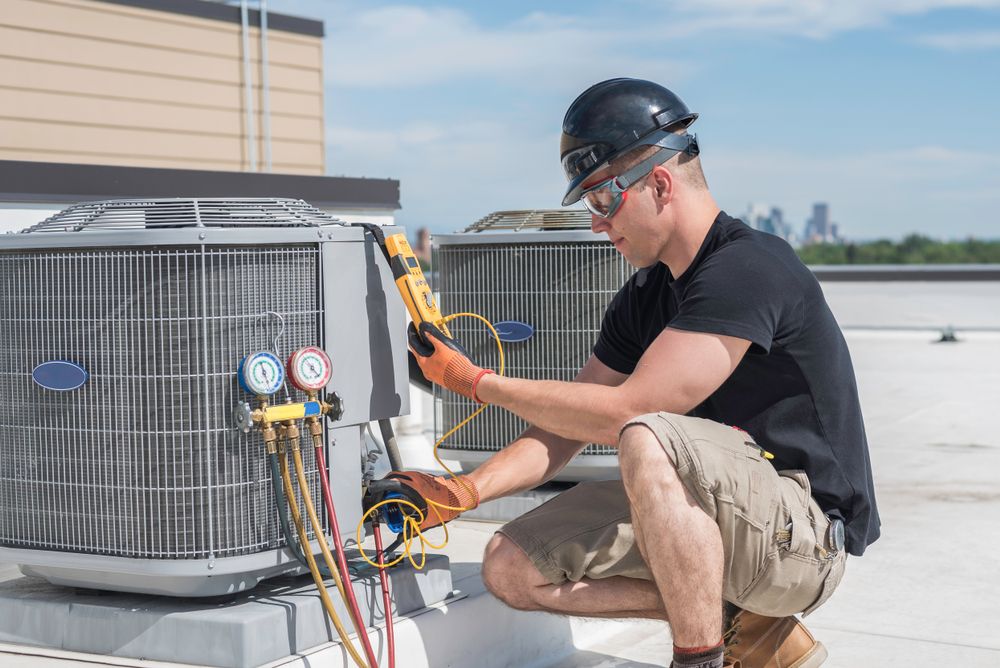
Diagram showing the main components of a typical residential HVAC system.
Credit: www.ambientedge.com
Why is HVAC Maintenance Important?
Maintaining your HVAC system is crucial. It ensures your system runs efficiently. Here are some reasons why HVAC maintenance is important:
Energy Efficiency: Regular maintenance keeps your system energy-efficient. This can lower your energy bills.
Extended Lifespan: Proper maintenance extends the life of your HVAC system.
Better Air Quality: Clean systems provide better air quality.
Fewer Breakdowns: Regular checks help prevent unexpected breakdowns.
Basic HVAC Maintenance Tips
Here are some simple maintenance tips you can follow:
1. Change Air Filters Regularly
Air filters trap dust and debris. Over time, they get clogged. This reduces airflow and efficiency. Change your air filters every 1-3 months.
2. Keep Vents Clean And Unblocked
Ensure vents are clean. Remove any obstructions. This allows air to flow freely.
3. Check The Thermostat
Make sure your thermostat works properly. Set it to the desired temperature. Consider upgrading to a programmable thermostat. This can save energy.
4. Clean The Outdoor Unit
The outdoor unit can get dirty. Remove leaves and debris around it. Clean the fins with a soft brush.
5. Inspect The Ductwork
Check your ductwork for leaks. Seal any leaks with duct tape. This improves efficiency.
6. Schedule Professional Maintenance
Hire a professional for annual maintenance. They can check for issues you might miss.
HVAC Maintenance Checklist
A printable checklist helps you stay on track throughout the year. Use the following monthly, quarterly, and annual items as a baseline:
Monthly
- Verify thermostat programming matches occupancy schedule.
- Inspect supply and return vents for blockages.
- Listen for unusual noises during system start‑up.
Quarterly
- Replace or clean air filters (more often with pets or allergies).
- Clear debris from around the outdoor condenser coil.
- Check condensate drain line for clogs; flush with a vinegar solution.
Annually (professional)
- Full refrigerant charge verification and leak test.
- Electrical connection tightening and capacitor testing.
- Blower motor lubrication and belt inspection.
- Heat exchanger or coil cleaning.
- Safety control and limit switch verification.
Keeping this checklist on the fridge or in a home‑maintenance app reduces the chance of missed steps.
Seasonal HVAC Maintenance
Different seasons require different maintenance tasks. Here is a guide for each season:
Spring
Clean or replace air filters.
Check the outdoor unit for debris.
Inspect the ductwork for leaks.
Schedule a professional check-up.
Summer
Ensure the thermostat is set correctly.
Keep the outdoor unit clean.
Check for refrigerant leaks.
Clean air filters regularly.
Fall
Replace air filters.
Check the heating system.
Inspect and clean the chimney.
Schedule a professional inspection.
Winter
Keep vents open and unblocked.
Check the thermostat settings.
Inspect the outdoor unit for snow or ice buildup.
Replace air filters regularly.

A certified technician completes a routine HVAC check‑up.
Credit: byrdheatingandair.com
Energy Efficiency Tips for HVAC Systems
Beyond routine maintenance, a few strategic adjustments can cut energy use noticeably:
- Setback temperatures: Program a 7‑10 °F setback when the house is empty or overnight; each degree saves roughly 1‑3 % on heating/cooling costs.
- Seal and insulate ducts: Leaky ducts can waste 20‑30 % of conditioned air; use mastic sealant or foil‑backed tape, then insulate runs in unconditioned spaces.
- Upgrade to a high‑efficiency filter: MERV 13‑16 filters capture finer particles without excessive pressure drop when the system is sized correctly.
- Leverage smart thermostats: Learning algorithms adapt to occupancy patterns and can integrate with utility demand‑response programs.
- Consider zoning: Separate zones for bedrooms, living areas, and basements avoid over‑conditioning unused spaces.
For deeper guidance on thermostat programming, see the optimal thermostat settings article.
Choosing a Qualified HVAC Technician
Not all service providers deliver the same thoroughness. Look for these markers:
- NATE or EPA 608 certification – confirms refrigerant handling competence.
- Licensed, insured, and bonded – protects you from liability.
- Written, itemized estimates – avoids surprise charges.
- References and online reviews – check for consistent on‑time arrivals and clear communication.
- Maintenance plan options – a plan that includes seasonal visits often costs less than ad‑hoc calls.
A good technician will also explain findings in plain language and prioritize repairs by safety and efficiency impact.
Common HVAC Problems and Solutions
Here are some common HVAC problems and how to fix them:
1. No Airflow
Check if the air filter is dirty. Replace it if needed.
Ensure vents are open and unblocked.
Inspect the ductwork for leaks.
2. Strange Noises
Listen for any unusual sounds.
Check if any parts are loose.
Call a professional if the noise persists.
3. High Energy Bills
Ensure regular maintenance is done.
Replace old air filters.
Consider upgrading to an energy-efficient system.
4. Uneven Heating Or Cooling
Check for blocked vents.
Inspect the ductwork for leaks.
Ensure the thermostat is working correctly.
5. Water Leaks
Check the condensate drain for clogs.
Ensure the outdoor unit is level.
Call a professional if the leak persists.
https://www.youtube.com/watch?v=rjPhfaGznSA
When to Call a Professional
Some HVAC issues require a professional. Here are signs you need expert help:
Strange noises that don't go away.
Persistent water leaks.
No airflow despite clean filters.
High energy bills with no clear cause.
Regular professional maintenance can prevent many issues. Schedule an annual check-up with a trusted HVAC technician.
Frequently Asked Questions
What Is Hvac Maintenance?
HVAC maintenance involves regular inspections and servicing of heating, ventilation, and air conditioning systems to ensure optimal performance.
How Often Should Hvac Be Serviced?
Servicing HVAC systems twice a year is recommended for optimal performance and efficiency.
Why Is Hvac Maintenance Important?
Regular maintenance prevents costly repairs, extends system lifespan, and ensures efficient energy use.
What Does Hvac Maintenance Include?
It includes inspecting, cleaning, and replacing components like filters, coils, and thermostats.
How Can I Improve My System’s Efficiency Between Professional Visits?
Keep filters clean, maintain clear airflow around the outdoor unit, use a programmable thermostat with setback schedules, and seal accessible duct leaks with mastic tape.
What Are the Signs My Refrigerant Charge Is Low?
Reduced cooling capacity, ice buildup on the evaporator coil, and a hissing sound near the indoor unit often indicate a low charge — require a certified technician to test and recharge.
Additional Resources
- Seasonal upkeep checklist – a printable month‑by‑month guide.
- Selecting the right unit – sizing, efficiency ratings, and feature comparison.
- Central system installation guide – steps for a whole‑home ducted system.
- Split system installation guide – wall‑mounted and ductless options.
- EPA guidance on HVAC maintenance – EPA guidance on HVAC maintenance
- Energy Star recommendations – Energy Star recommendations
Conclusion
HVAC maintenance is essential for a comfortable home. Regular checks and cleanings can save you money. Follow these tips to keep your system running smoothly. Don't forget to call a professional when needed. Your HVAC system will thank you!
By taking care of your HVAC system, you'll enjoy a comfortable home all year round. Remember, a well-maintained system is an efficient system. Happy maintaining!
Ready to maximize efficiency? Book a professional HVAC tune‑up today.