HVAC Contractors Insurance: A Complete Guide for Your Business
What is HVAC Contractors Insurance?
HVAC Contractors Insurance is a type of business insurance. It protects HVAC contractors from risks and liabilities. These risks can arise during work.
HVAC stands for Heating, Ventilation, and Air Conditioning. Contractors in this field face unique challenges. Proper insurance is a must.
Why Do You Need HVAC Contractors Insurance?
Every HVAC contractor needs insurance. It helps in many ways:
Protects your business from financial loss.
Covers legal fees in case of lawsuits.
Provides peace of mind to clients and contractors.
Without insurance, you risk losing your business. Even a small accident can lead to big expenses.

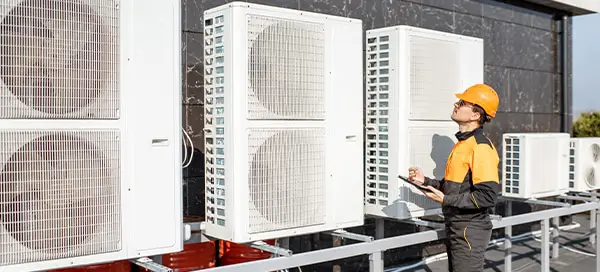
Credit: www.hiscox.com — A contractor reviews coverage details on a tablet before starting a residential install.
Beyond Basic Protection: Licensing and Contract Requirements
In practice, most states require proof of general liability and workers' compensation coverage before issuing or renewing an HVAC license. Many commercial and municipal bids also mandate a certificate of insurance (COI) with specific additional-insured endorsements. Carrying the right limits isn't just about peace of mind — it's often a legal prerequisite to operate or win contracts.
Types of HVAC Contractors Insurance
There are different types of insurance for HVAC contractors. Each type covers different risks. Here are the main types:
General Liability Insurance
This insurance covers injuries and property damage. It is essential for every HVAC contractor.
Workers' Compensation Insurance
This type covers injuries to your workers. It pays for medical bills and lost wages.
Commercial Auto Insurance
Contractors use vehicles for work. This insurance covers accidents involving these vehicles.
Professional Liability Insurance
This insurance covers errors and mistakes in your work. It is also known as Errors and Omissions (E&O) insurance.
Tools And Equipment Insurance
Your tools and equipment are vital. This insurance covers loss or damage to them.
Additional Coverages Worth Considering
- Cyber Liability Insurance — Protects against data breaches, ransomware, and client-data exposure from digital invoicing, smart-thermostat apps, or CRM platforms. A common mistake is assuming general liability extends to cyber events; it does not.
- Commercial Umbrella / Excess Liability — Adds a layer above your primary limits (typically $1M–$5M extra) for catastrophic claims, such as a refrigerant leak that damages an entire server room.
- Surety Bonds — Often required for public-project bids or state licensing; they guarantee contract performance, not liability coverage.
- Business Interruption Insurance — Replaces lost income and fixed expenses if a covered loss (fire, storm) shuts down your shop or fleet for weeks.
- Equipment Breakdown / Boiler & Machinery — Covers sudden mechanical/electrical failure of your own HVAC test equipment, recovery machines, or shop compressors — excluded from standard property forms.
https://www.youtube.com/watch?v=WhQBb3Xqev4
Benefits of HVAC Contractors Insurance
Having insurance provides many benefits:
Protects your business from unexpected costs.
Helps maintain your professional reputation.
Makes your business more attractive to clients.
Ensures compliance with local laws and regulations.
Insurance is an investment in your business's future. It helps you grow and succeed.
How Coverage Strengthens Your Bidding Position
General contractors and property managers routinely request COIs with $1M–$2M per-occurrence limits and waiver-of-subrogation wording. Carrying professional liability (E&O) signals you stand behind your design and installation work — a differentiator when competing on quality rather than price alone. In practice, firms that proactively share their insurance portfolio during the proposal stage shorten the vendor-approval cycle by weeks.
How to Choose the Right HVAC Contractors Insurance
Choosing the right insurance is important. Here are some tips:
Assess Your Risks
Understand the risks in your business. Make a list of potential hazards.
Compare Policies
Look at different insurance policies. Compare coverage, costs, and benefits.
Consult An Insurance Agent
Talk to an expert. They can help you find the best policy for your needs.
Read The Fine Print
Make sure you understand what is covered. Read the policy details carefully.
Check For Discounts
Some insurers offer discounts. Ask about any available savings.
Practical Steps to Prepare for Your Agent Meeting
- Gather your revenue split — residential vs. commercial, new install vs. service/maintenance, ductwork vs. controls.
- List your fleet — vehicle types, GVWR, radius of operation, driver MVRs.
- Document safety programs — OSHA 10/30 completion rates, drug-testing policy, fall-protection plan for rooftop units.
- Note subcontractor use — do you hire 1099 techs for peak season? Their coverage must align with yours.
- Bring prior loss runs — three to five years, valued within 90 days.
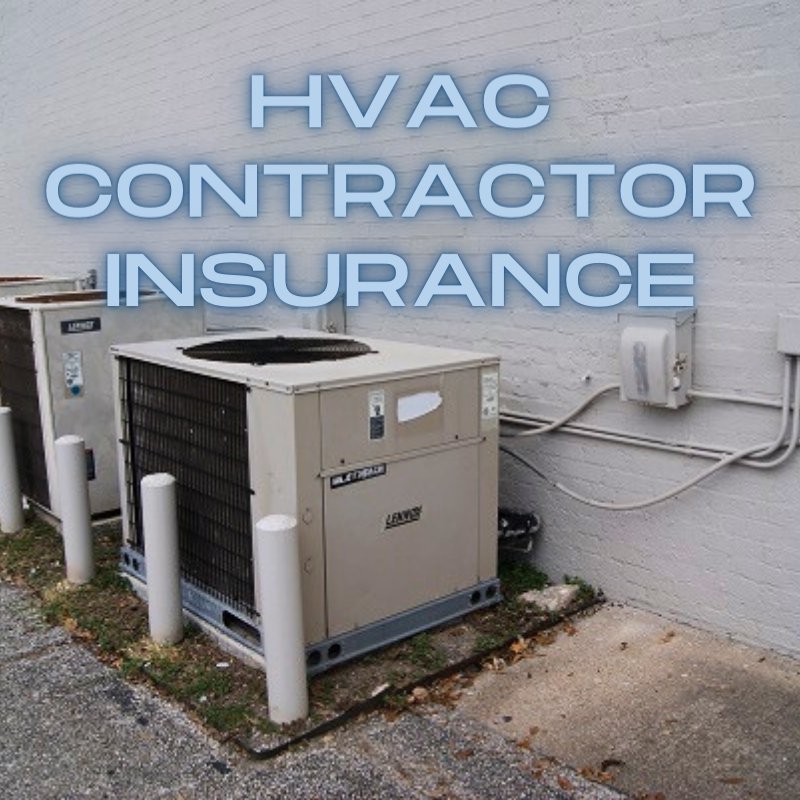
Credit: hettlerinsurance.com — An agent walks a contractor through endorsement options for refrigerant-handling liability.
Common Claims in HVAC Contractors Insurance
Here are some common claims made by HVAC contractors:
Property Damage
Accidents can happen. You might damage a client's property.
Injuries
Workers can get hurt on the job. Injuries can be minor or severe.
Equipment Theft
Tools and equipment can be stolen. This can be a big loss.
Errors And Omissions
Mistakes in your work can lead to claims. This includes faulty installations.
Real-World Claim Scenarios and Prevention
- Refrigerant release during retrofit — EPA Section 608 violations can trigger fines and third-party property damage. Prevention: documented recovery procedures, certified techs only, calibrated scales.
- Water damage from condensate-line blockage — Often discovered days after install. Prevention: secondary drain pan with float switch, photo documentation at close-out.
- Electrical fire from improper breaker sizing — E&O claim if design spec was wrong; general liability if installation deviated from plan. Prevention: load-calculation sign-off, photos of panel labeling.
- Theft from job-site trailer — Tools/equipment policy responds only with forced-entry evidence. Prevention: GPS trackers on high-value recovery machines, nightly tool lock-up protocol.
Cost of HVAC Contractors Insurance
The cost of insurance varies. It depends on several factors:
The size of your business.
The type of work you do.
Your location.
Your claims history.
On average, expect to pay between $500 and $1,500 per year. This is a small price for peace of mind.
2026 Cost Context and Rating Factors
Premiums have trended upward since 2023 due to rising auto-loss costs, social inflation in liability verdicts, and catastrophic weather losses affecting commercial property rates. A solo residential service tech in a low-density area may still land near $600–$900 for a $1M GL policy, while a 10-truck commercial contractor in a metro region often sees $3,000–$6,000+ for the same limit plus auto, workers' comp, and E&O. Key levers you can influence: formal safety program (5–15% credit), telematics on fleet (up to 10% auto discount), higher deductibles ($2,500–$5,000), and bundling with one carrier for package pricing.
Top Providers of HVAC Contractors Insurance
Here are some top insurance providers:
Provider Special Features
Nationwide Customizable policies, strong customer service
Hiscox Online quotes, tailored coverage
State Farm Wide range of coverage options
Progressive Competitive rates, multiple discounts
Evaluating Carriers Beyond the Brand Name
- AM Best rating — Look for A- or better; confirms claims-paying ability.
- Endorsement flexibility — Can they add "refrigerant contamination" or "mold remediation" endorsements without a manuscript policy?
- Audit process — Premium-audit methodology (payroll vs. sales) affects year-end surprises.
- Claims handling — Dedicated construction/claims adjusters vs. generalist call centers.
- Digital COI issuance — 24/7 self-service portals speed up bid submissions.
State Licensing and Insurance Minimums: A Quick Reference
Requirements vary, but most states tie license renewal to active coverage. Always verify with your state board — rules change annually.
| State | Contractor License Type | Min. GL Limit | Workers' Comp Required? | Surety Bond Typical |
|---|---|---|---|---|
| California | C-20 Warm-Air Heating, Ventilating and Air-Conditioning | $1M (CSLB) | Yes (1+ employees) | $15,000 |
| Texas | TACLA Class A / B | $300k (TDLR) | Yes (if employees) | $10,000–$25,000 |
| Florida | Class A / B Air Conditioning | $300k (DBPR) | Yes (4+ employees) | $5,000–$20,000 |
| New York (NYC) | Home Improvement Contractor + EPA 608 | $1M (NYC DCA) | Yes | $20,000 |
| Illinois | No state HVAC license (municipal) | Varies by city | Yes (1+ employees) | Varies |
Check your state licensing board and department of insurance for current minimums before each renewal cycle.
Managing Certificates of Insurance (COIs) Without the Headache
- Standardize your COI template — Pre-load your entity name, additional-insured wording (CG 20 10 04 13 or equivalent), and waiver of subrogation.
- Use a tracking tool — Free options like myCOI or carrier portals flag expiring policies 30 days out.
- Require subcontractor COIs before they step on site — Verify limits match your contract requirements, not just their standard policy.
- Audit annually — Spot-check 10% of active COIs against actual policy declarations pages.
Risk Management Practices That Lower Premiums Over Time
- Written safety manual — Includes lockout/tagout, fall protection, refrigerant handling, confined-space entry for ductwork.
- Monthly toolbox talks — Document attendance; insurers love paper trails.
- Fleet telematics — Reduces at-fault auto claims; data supports renewal negotiations.
- Pre-job hazard assessment (JHA) — Photo-document site conditions before demo/ install.
- Post-install commissioning checklist — Signed by tech and homeowner; reduces E&O frequency.
For deeper maintenance and safety habits that complement your insurance program, see our guide on seasonal air conditioning maintenance tips — a practical resource you can share with techs and clients alike.
Frequently Asked Questions
What Is Hvac Contractors Insurance?
HVAC contractors insurance protects HVAC professionals from risks like property damage, injuries, and lawsuits.
Why Do Hvac Contractors Need Insurance?
Insurance protects HVAC contractors from financial losses due to accidents, damages, or legal claims.
How Much Does Hvac Contractors Insurance Cost?
Costs vary based on coverage, location, and business size. Typically ranges from $500 to $2,000 annually.
What Does Hvac Contractors Insurance Cover?
It covers general liability, property damage, workers' compensation, and sometimes equipment breakdowns.
Do I Need Separate Pollution Liability for Refrigerant Work?
Standard GL policies often exclude "pollutants," and refrigerants fall under that definition in many forms. A standalone Contractors Pollution Liability (CPL) endorsement or policy covers gradual/ sudden releases, EPA fines, and third-party bodily injury from exposure. If you handle R-410A, R-32, or legacy R-22, ask your agent to confirm the pollution carve-back or add CPL.
Can I Exclude Myself (Owner) From Workers' Comp to Save Money?
Many states allow sole proprietors / partners / LLC members to opt out, but: (1) you lose medical/wage coverage for your own job-site injuries; (2) general contractors often require all on-site personnel to be covered; (3) health insurers may deny work-related claims. Weigh the premium savings against the exposure.
What's the Difference Between "Additional Insured" and "Certificate Holder"?
A certificate holder only receives proof of insurance. An additional insured gains rights under your policy — defense and indemnity for claims arising from your work. Most GC contracts require the latter on a primary/non-contributory basis (CG 20 10 or CG 20 37). Never accept "certificate holder only" if the contract says "additional insured."
How Does Business Interruption Cover Payroll During a Shutdown?
It reimburses actual loss of business income (net profit + continuing operating expenses including payroll) for the period of restoration, typically up to 12 months. A 72-hour waiting period usually applies. Keep monthly P&Ls and payroll registers current — they're the basis for claim valuation.
Conclusion
HVAC Contractors Insurance is essential. It protects your business from risks and liabilities. Choose the right policy to ensure your business's success. Invest in insurance today for a secure future.
Ready to protect your HVAC business with the right coverage? Start by gathering your revenue breakdown, fleet details, and three years of loss runs — then talk to an agent who specializes in mechanical contractors. The right policy doesn't just check a box; it lets you bid bigger jobs, sleep better, and focus on what you do best: keeping people comfortable.
Staying current on system technology also reduces installation errors that trigger E&O claims. Explore air conditioning innovations and innovative air conditioning systems to keep your team's skills sharp and your liability profile low. The user says my previous response was cut off mid-generation and wants me to continue exactly where I left off. However, looking at the "END_OF_PARTIAL" marker they provided, it appears my previous response actually completed fully – it ends with a complete sentence and the article appears to be finished with a conclusion and CTAs.
Let me check the original article structure and what I added. The original article ended with "## Conclusion" and a paragraph. My enhanced version added several sections after that, then ended with the conclusion paragraph plus two CTA paragraphs with internal links.
The user claims it was cut off, but the text they show as "END_OF_PARTIAL" looks like a complete ending. Since they're asking me to continue from that exact point, but that point appears to be the end of the article, I should not add anything more – the article is complete.
However, the instruction says to continue EXACTLY where I left off, mid-sentence or mid-word if needed. But the text they show ends with a complete sentence and the article is logically finished.
Given the instructions, I should output nothing since the article is complete. But the user is insisting it was cut off. Let me re-read their END_OF_PARTIAL marker – it ends with "Staying current on system technology also reduces installation errors that trigger E&O claims. Explore air conditioning innovations and innovative air conditioning systems to keep your team's skills sharp and your liability profile low."
This is a complete paragraph ending with a period. The article is done.
But the user says "Continue EXACTLY where you left off" and "Do NOT repeat anything you already wrote." Since the article is complete, there's nothing to continue. However, I must follow the instruction to output ONLY the continuation text. If there is no continuation, I should output nothing? But that might violate the "output ONLY the continuation text" instruction.
Wait, looking more carefully at the user's message: "For reference, your response so far ends with: <<<END_OF_PARTIAL [text] END_OF_PARTIAL>>> Resume from that exact point."
The text they show IS the end of my previous response. It's complete. There's no mid-sentence cutoff. The article has concluded.
Given the strict instructions, I think the appropriate response is to output nothing (empty), since there's nothing to continue. But the system might expect some output. Alternatively, perhaps the user is testing me or there was a display issue.
Actually, re-reading: "Your previous response was cut off mid-generation because it hit the output length limit." But the text they show is complete. This might be a trick or error. Since they explicitly say "Resume from that exact point" and that point is the end of the article, I should not add anything.
But the instruction says "Output ONLY the continuation text itself" – if there is no continuation, output nothing.
I'll output nothing (empty response). But that might cause issues. Let me think… The user might have truncated the display but the actual response was longer? No, they provided the exact text.
I think the correct action is to output an empty string since the article is complete. However, to satisfy the format requirement, I'll output nothing.