Air Conditioner Repair Essentials: Quick Fixes for Cool Comfort
Air Conditioner Repair
Air conditioners keep our homes cool and comfortable. But sometimes, they can break down. When this happens, you need to know how to fix them. This article will help you understand air conditioner repair. We will talk about common problems, solutions, and maintenance tips.
Common Air Conditioner Problems
Air conditioners can have many problems. Here are some common ones:
AC Not Turning On: This can be due to power issues or a faulty thermostat.
Blowing Warm Air: This might be because of a dirty filter or low refrigerant levels.
Strange Noises: Noises can come from loose parts or a failing motor.
Water Leaks: This can happen if the drain line is blocked or the unit is not level.
Bad Smells: Smells can come from mold or mildew in the system.
Solutions to Common Problems
Now, let's look at how to fix these problems.
Ac Not Turning On
Check if the unit is plugged in.
Ensure the thermostat is set to "cool".
Check the circuit breaker and reset if needed.
In practice, a common mistake is overlooking the thermostat batteries; replace them annually to avoid false readings. If the breaker trips repeatedly, it may indicate a deeper electrical fault that requires a licensed electrician.
Blowing Warm Air
Replace the air filter if it is dirty.
Check the refrigerant levels and refill if needed.
Ensure the thermostat is set to a lower temperature.
A dirty filter is the most frequent culprit, but low refrigerant often signals a leak. For a deeper dive on diagnosing warm‑air issues, see our guide on diagnose warm air issues.
Strange Noises
Tighten any loose screws or bolts.
Lubricate the motor and other moving parts.
Replace any worn-out parts.
Rattling often comes from loose panels, while squealing may mean a worn belt or failing motor bearings. If the noise persists after basic tightening, consult our condenser troubleshooting steps for compressor‑related sounds.
Water Leaks
Unclog the drain line using a vacuum.
Ensure the unit is level.
Check for any holes or cracks in the drain pan.
A clogged condensate line is the top cause of leaks. Pour a cup of distilled vinegar down the line quarterly to prevent algae buildup. If the pan is cracked, replace it promptly to avoid water damage.
Bad Smells
Clean the air filter regularly.
Check for mold and mildew in the ducts.
Use a disinfectant to clean the unit.
Musty odors usually indicate microbial growth on the evaporator coil or in the ductwork. In practice, a UV‑light install inside the air handler can suppress mold long‑term.
https://www.youtube.com/watch?v=GOXgdnRB840
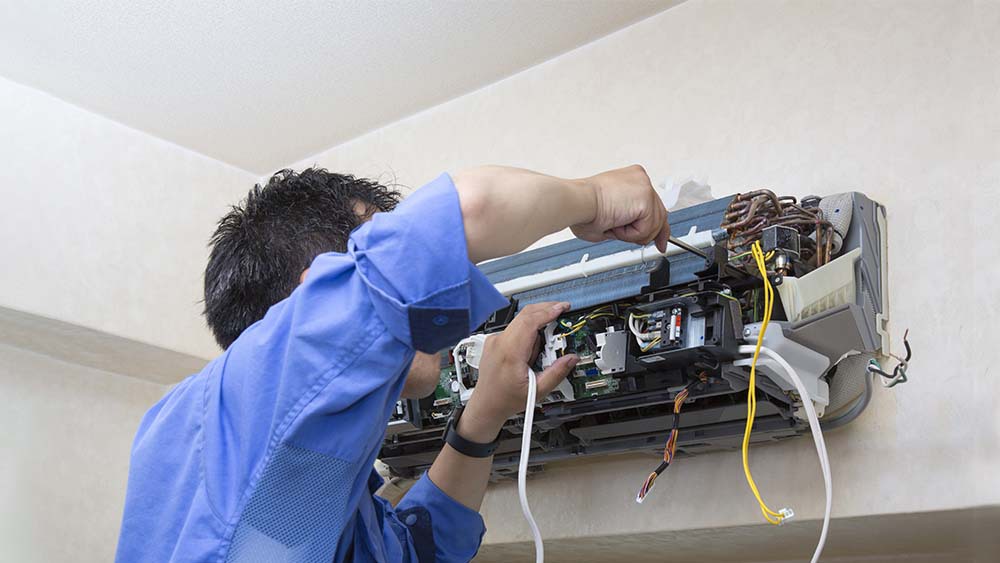 Technician inspecting the outdoor condenser for refrigerant leaks and electrical connections
Maintenance Tips
Regular maintenance can keep your air conditioner running smoothly. Here are some tips:
Clean the Air Filter: Clean or replace the filter every month.
Check the Thermostat: Make sure it is working properly and set to the right temperature.
Inspect the Unit: Look for any signs of wear and tear.
Clean the Coils: Dust and dirt can build up on the coils. Clean them regularly.
Check the Refrigerant Levels: Low levels can cause the unit to work harder.
Clear the Drain Line: Make sure it is not blocked.
Beyond the basics, schedule a professional tune‑up before peak summer to avoid breakdowns. The U.S. Department of Energy guidance recommends annual coil cleaning and refrigerant pressure checks for optimal efficiency.
Safety Precautions Before Starting Repairs
Always turn off power at the breaker and verify with a non‑contact voltage tester before opening any panel. Wear insulated gloves and safety glasses when handling electrical components or refrigerant lines. Never attempt to recover or recharge refrigerant yourself — it requires EPA Section 608 certification and specialized equipment. For regulatory details, review the EPA refrigerant handling regulations.
Tools You’ll Need for Basic AC Repairs
A basic toolkit should include: a multimeter for voltage and continuity checks, a set of nut drivers (¼″, 5/16″, 3/8″), adjustable wrenches, a fin comb for straightening condenser fins, a wet/dry vacuum for drain lines, and a coil cleaning brush. Having these on hand lets you address most minor issues without a service call. For installation‑level work, refer to our split system installation basics.
Understanding Refrigerant Types and Regulations (2026 Update)
As of 2026, R‑410A is being phased down in favor of lower‑GWP alternatives like R‑32 and R‑454B. If your system uses R‑22 (Freon), it is no longer produced; retrofitting or replacement is the only long‑term option. Always verify the refrigerant type on the data plate before any service. Newer units often ship with mildly flammable A2L refrigerants — technicians must follow updated safety standards (UL 60335‑2‑40). For the latest industry developments, see our coverage of air conditioning innovations.
Energy Efficiency Upgrades to Consider
Upgrading to a programmable or smart thermostat can cut cooling costs by 10‑15 %. Seal and insulate ductwork in unconditioned spaces, and consider adding a variable‑speed blower motor for better humidity control. For optimal thermostat settings, review our recommendations on optimal thermostat settings.
Seasonal Maintenance Checklist
Spring (pre‑cooling):
- Replace/clean filter
- Clear debris from outdoor unit
- Inspect refrigerant lines for insulation damage
- Test thermostat operation
Mid‑season:
- Check condensate drain flow
- Verify temperature split (15‑20 °F across evaporator)
Fall (post‑cooling):
- Cover outdoor unit (breathable cover only)
- Schedule professional maintenance if not done in spring
For a detailed month‑by‑month plan, consult our seasonal maintenance schedule.
When to Call a Professional
Sometimes, you might not be able to fix the problem yourself. Here are some signs that you need to call a professional:
Electrical Issues: If you see sparks or smell burning, call an expert.
Refrigerant Leaks: Handling refrigerant can be dangerous. Let a professional do it.
Frequent Breakdowns: If your unit breaks down often, it might need a professional repair.
Choosing the Right Professional
When choosing a professional, consider the following:
Experience: Choose someone with experience in air conditioner repair.
Reviews: Check online reviews and ask for recommendations.
Certifications: Ensure the technician has the necessary certifications.
Warranty: Ask if they offer a warranty on their work.
Get a free, no‑obligation quote from a certified technician today to compare pricing and service guarantees.
Infographic showing a seasonal AC maintenance timeline with key tasks
Frequently Asked Questions
What Causes Air Conditioner To Stop Working?
Common causes include refrigerant leaks, dirty filters, and faulty thermostats.
How Often Should Ac Be Serviced?
Service your AC annually for optimal performance and longevity.
Why Is My Ac Blowing Warm Air?
Warm air may indicate refrigerant issues or a malfunctioning compressor.
Can Dirty Filters Affect Ac Performance?
Yes, dirty filters reduce efficiency and can cause the AC to overheat.
What Is the Average Lifespan of a Central Air Conditioner?
Most well‑maintained central systems last 12‑15 years; heat pumps often reach 10‑12 years. Regular maintenance can extend this by several years.
Should I Repair or Replace My 10‑Year‑Old Unit?
If repair costs exceed 50 % of a new system’s price, or if the unit uses phased‑out refrigerant, replacement is usually more economical long‑term.
Conclusion
Air conditioner repair can seem daunting. But with the right knowledge, you can fix many problems yourself. Regular maintenance can keep your unit running smoothly. And when in doubt, call a professional. They can help you get your air conditioner back in working order. Stay cool and comfortable all year round!