Master the Energy Saver mode on your LG air conditioner to reduce power consumption and lower electricity bills without sacrificing comfort. This guide walks you through setup, tips, and troubleshooting for optimal efficiency in 2026.
Key Takeaways
- Energy Saver mode reduces power use by up to 30% by adjusting fan speed and compressor cycles intelligently.
- Access the mode via the remote or smart app—no technical skills needed, just a few button presses.
- Best used in mild weather or when away from home to maximize savings without discomfort.
- Regular maintenance boosts efficiency—clean filters and coils help the Energy Saver work better.
- Smart features in 2026 models allow scheduling and remote control via LG ThinQ app for hands-free energy management.
- Combine with eco-friendly habits like closing curtains and sealing windows for even greater savings.
- If the AC struggles to cool, check settings or filters—Energy Saver isn’t a fix for mechanical issues.
How to Use Energy Saver in LG Air Conditioner: A Complete 2026 Guide
Welcome to your complete guide on how to use the Energy Saver mode in your LG air conditioner. Whether you’re looking to cut your electricity bill, reduce your carbon footprint, or simply make your home more energy-efficient in 2026, this feature is a game-changer. LG has continued to innovate its air conditioning technology, and the Energy Saver mode—now smarter and more intuitive than ever—helps you stay cool while using less power.
In this guide, you’ll learn exactly how to activate and optimize the Energy Saver mode on your LG AC unit. We’ll cover everything from basic setup using the remote control to advanced features like scheduling and smart home integration. You’ll also get practical tips to maximize efficiency and troubleshoot common issues. By the end, you’ll be confident using this feature to save energy, money, and the planet—all while enjoying a comfortable indoor climate.
What Is Energy Saver Mode in LG Air Conditioners?
Energy Saver mode is a smart energy-saving feature built into most LG air conditioners, including window units, split systems, and portable models. When activated, it adjusts the compressor and fan speed to reduce power consumption without drastically affecting cooling performance. Instead of running at full blast continuously, the system cycles more efficiently—slowing down when the room is nearly at the desired temperature and resuming only when needed.
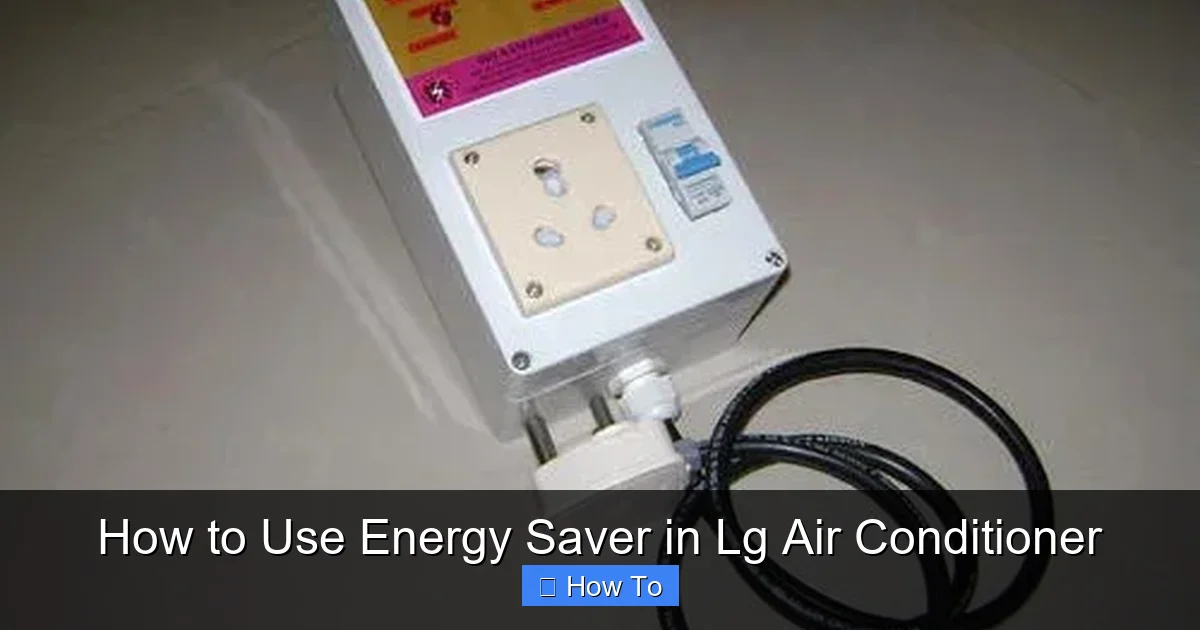
Visual guide about How to Use Energy Saver in Lg Air Conditioner
Image source: 5.imimg.com
In 2026, LG has enhanced this mode with AI-driven sensors and connectivity. Newer models can detect room occupancy, outdoor temperature, and even your usage patterns to optimize performance. For example, if you’re away during the day, the AC might run in Energy Saver mode at a slightly higher temperature, then cool down just before you return. This intelligent adaptation makes it easier than ever to save energy without lifting a finger.
The result? Lower electricity bills, reduced wear and tear on your unit, and a smaller environmental footprint. And the best part? You don’t have to sacrifice comfort. Modern LG ACs are designed to maintain a pleasant indoor environment even in energy-saving modes.
Why Use Energy Saver Mode in 2026?
With rising energy costs and growing concerns about climate change, using Energy Saver mode is more important than ever. In 2026, electricity prices have continued to climb in many regions, making energy efficiency a top priority for homeowners and renters alike. LG’s Energy Saver mode helps you fight back by reducing your AC’s power draw by up to 30% compared to standard cooling modes.
But it’s not just about saving money. Using less energy means fewer greenhouse gas emissions, especially if your electricity comes from fossil fuels. By choosing Energy Saver mode, you’re doing your part to support a cleaner, greener planet. Plus, LG’s 2026 models are built with sustainability in mind—using eco-friendly refrigerants and recyclable materials.
Another benefit? Extended lifespan for your air conditioner. Because the compressor doesn’t run as hard or as often, there’s less strain on internal components. This means fewer repairs, longer service life, and better long-term value for your investment.
Finally, many utility companies now offer rebates or incentives for using energy-efficient appliances. Check with your local provider—you might qualify for a discount just for using Energy Saver mode regularly.
Step-by-Step: How to Activate Energy Saver Mode
Activating Energy Saver mode on your LG air conditioner is simple, whether you’re using the remote control, the unit’s control panel, or the LG ThinQ app. Here’s how to do it step by step.
Using the Remote Control
Most LG air conditioners come with a standard remote that includes an Energy Saver button. Here’s how to use it:
- Turn on your air conditioner using the Power button on the remote.
- Set your desired temperature using the up and down arrow buttons. A good starting point is 24°C (75°F) for balanced comfort and efficiency.
- Press the “Mode” button until the display shows “Cool” or “Cooling.”
- Look for the “Energy Saver” button—it’s usually labeled clearly and may have a leaf or eco symbol.
- Press the Energy Saver button once to activate the mode. The indicator light on the remote or unit should turn on.
- Adjust fan speed if needed—some models allow you to choose between Auto, Low, Medium, or High. For maximum savings, select “Auto” or “Low.”
Once activated, your LG AC will begin operating in Energy Saver mode. The compressor will cycle on and off more efficiently, and the fan will slow down when cooling demand is low.
Using the Control Panel on the Unit
If you don’t have the remote or it’s not working, you can still activate Energy Saver mode directly on the air conditioner:
- Locate the control panel on the front of your LG AC unit. It usually has buttons for Power, Mode, Temperature, and Fan Speed.
- Press the Power button to turn on the unit.
- Use the Mode button to cycle through options until “Cool” is selected.
- Set your preferred temperature using the temperature adjustment buttons.
- Look for an “Eco” or “Energy Saver” button—on some models, this may be a dedicated button; on others, it’s accessed by holding the Mode button for 3 seconds.
- Press or hold the appropriate button until the Energy Saver indicator lights up.
Note: The exact button layout may vary by model. Refer to your user manual if you’re unsure.
Using the LG ThinQ App (2026 Models)
If you have a smart LG air conditioner from 2026, you can control Energy Saver mode remotely using the LG ThinQ app. This is perfect for adjusting settings while you’re away or scheduling energy-saving routines.
- Download and install the LG ThinQ app from the Apple App Store or Google Play.
- Create an account or log in if you already have one.
- Add your air conditioner by following the on-screen instructions. You’ll need to connect it to your home Wi-Fi network.
- Open the app and select your AC unit from the dashboard.
- Tap the “Mode” option and choose “Cool.”
- Enable “Energy Saver” by toggling the switch or selecting it from the menu.
- Set your temperature and fan speed as desired.
- Use the “Schedule” feature to automate Energy Saver mode—for example, activate it every weekday from 9 AM to 5 PM when you’re at work.
The app also shows real-time energy usage, so you can track how much you’re saving over time.
Tips to Maximize Energy Savings
Using Energy Saver mode is a great start, but you can do even more to boost efficiency. Here are some practical tips to help you get the most out of your LG air conditioner in 2026.
Set the Right Temperature
The ideal temperature for Energy Saver mode is between 24°C and 26°C (75°F–78°F). Every degree lower can increase energy use by up to 8%. Avoid setting the thermostat too low—your body won’t notice the difference, but your bill will.
Use a programmable or smart thermostat if your model supports it. This lets you automatically raise the temperature when you’re away and cool the house before you return.
Use Fans to Enhance Cooling
Ceiling fans and portable fans help circulate cool air, making the room feel cooler without lowering the AC temperature. This allows you to use Energy Saver mode at a higher setting while still feeling comfortable.
Remember: fans cool people, not rooms. Turn them off when you leave to save energy.
Keep Doors and Windows Closed
Cool air escapes quickly through open doors and windows. Always close them when the AC is running. Use weather stripping or draft stoppers to seal gaps around windows and doors.
In summer, close curtains or blinds during the day to block out heat from the sun. Light-colored or reflective window films can also reduce heat gain.
Maintain Your Air Conditioner
A clean, well-maintained AC runs more efficiently. Follow these maintenance tips:
- Clean or replace air filters every 1–2 months—dirty filters restrict airflow and force the system to work harder.
- Clean the outdoor unit by removing leaves, dirt, and debris from the condenser coils.
- Check refrigerant levels annually—low refrigerant reduces cooling efficiency and can damage the compressor.
- Schedule professional servicing once a year to ensure optimal performance.
Many 2026 LG models include filter cleaning reminders and self-diagnostic features to help you stay on top of maintenance.
Avoid Heat-Generating Activities
Cooking, using the oven, or running hot appliances like dishwashers and dryers can raise indoor temperatures. Try to use these appliances during cooler parts of the day or in well-ventilated areas.
Switch to LED lighting—it produces less heat than incandescent bulbs and uses less energy.
When to Use (and Not Use) Energy Saver Mode
Energy Saver mode is ideal for everyday use, but there are times when it works best—and times when you might want to switch it off.
Best Times to Use Energy Saver Mode
- During mild weather—when outdoor temperatures are between 22°C and 30°C (72°F–86°F), the AC doesn’t need to work as hard.
- When you’re away from home—set the mode to run at a higher temperature to save energy without sacrificing comfort.
- At night—cooler outdoor temperatures allow the AC to operate more efficiently.
- In well-insulated homes—homes with good insulation and sealing retain cool air better, making Energy Saver mode more effective.
When to Avoid Energy Saver Mode
- During extreme heatwaves—if temperatures exceed 35°C (95°F), the AC may struggle to cool the room, leading to discomfort or longer run times.
- When humidity is very high—Energy Saver mode may reduce dehumidification, making the air feel sticky.
- If the unit is old or underpowered—older models may not cool effectively in energy-saving modes.
- When quick cooling is needed—for example, after returning from a hot day, switch to “Cool” or “Turbo” mode first, then activate Energy Saver once the room is comfortable.
Use your judgment. If the room feels too warm or the AC is running constantly, switch to a standard cooling mode temporarily.
Troubleshooting Common Issues
Even with the best settings, you might run into issues with Energy Saver mode. Here’s how to fix the most common problems.
AC Isn’t Cooling Enough
If your LG air conditioner isn’t cooling properly in Energy Saver mode, check the following:
- Is the filter dirty? A clogged filter restricts airflow. Clean or replace it.
- Is the temperature set too high? Try lowering it by 1–2 degrees.
- Are windows or doors open? Close them to prevent cool air from escaping.
- Is the outdoor unit blocked? Clear any debris around the condenser.
- Is the room too large for the AC? Energy Saver mode works best in properly sized spaces. Consider upgrading if your unit is undersized.
Energy Saver Mode Won’t Activate
If the mode won’t turn on, try these steps:
- Check the remote batteries—low power can cause buttons to malfunction.
- Ensure the AC is in Cool mode—Energy Saver only works in cooling, not fan or dry modes.
- Reset the unit—turn it off, unplug it for 5 minutes, then plug it back in.
- Update the firmware—if using a smart model, check for updates in the LG ThinQ app.
- Consult the user manual—some models require a specific sequence to activate Energy Saver.
High Energy Bills Despite Using Energy Saver
If your bills are still high, consider these factors:
- Old or inefficient unit—older ACs may not save as much energy, even in Eco mode.
- Poor insulation—heat gain through walls, roofs, or windows increases cooling load.
- Frequent use of other appliances—ovens, dryers, and lights generate heat.
- Thermostat placement—if it’s near a window or heat source, it may misread room temperature.
Use the LG ThinQ app’s energy monitoring feature to identify usage patterns and adjust accordingly.
Conclusion
Using the Energy Saver mode on your LG air conditioner is one of the easiest and most effective ways to save energy, reduce costs, and protect the environment in 2026. With smart features, intuitive controls, and enhanced efficiency, LG has made it simpler than ever to stay cool without wasting power.
By following the steps in this guide—activating the mode via remote, control panel, or app, maintaining your unit, and using smart habits—you can enjoy a comfortable home while cutting your energy use by up to 30%. Whether you’re at home or away, day or night, Energy Saver mode adapts to your lifestyle and helps you make smarter choices.
So go ahead—press that Energy Saver button today. Your wallet, your air conditioner, and the planet will thank you.