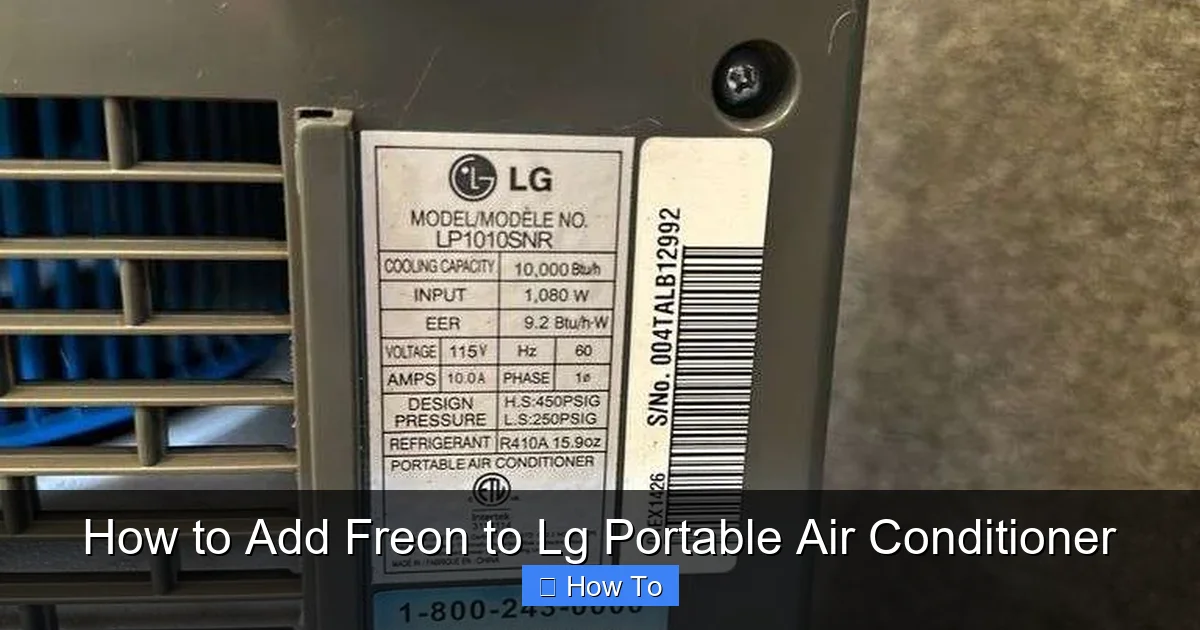
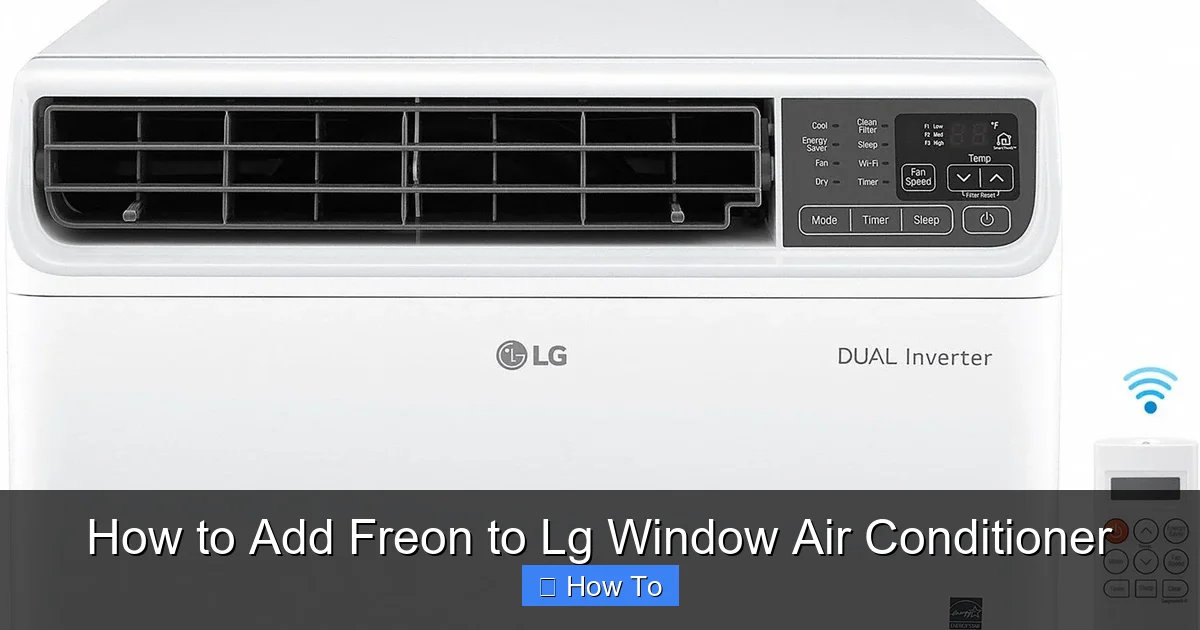
Master your LG portable air conditioner with ease using this detailed 2026 guide. From unboxing and installation to daily use and smart features, we’ll walk you through everything you need for cool, comfortable air all summer long.
Key Takeaways
- Proper setup is essential: Correct window installation and leveling ensure optimal performance and prevent leaks or damage.
- Use the right mode for your needs: Cool, fan, dry, and sleep modes let you customize comfort based on weather and time of day.
- Smart features enhance convenience: Connect via the LG ThinQ app to control your unit remotely, set schedules, and monitor energy use.
- Regular maintenance prevents issues: Clean filters monthly and check the exhaust hose to maintain efficiency and air quality.
- Energy-saving tips reduce costs: Use timers, close doors, and maintain room insulation to maximize efficiency.
- Troubleshoot common problems fast: From water leaks to unresponsive remotes, most issues have simple fixes.
- Placement matters: Keep the unit away from heat sources and ensure proper airflow for best results.
How to Use an LG Portable Air Conditioner: A Complete 2026 Guide
Summer heat in 2026 is no joke—especially with rising global temperatures and more frequent heatwaves. Whether you’re working from home, relaxing with family, or trying to sleep through a sweltering night, a reliable air conditioner is a must. LG portable air conditioners have become a top choice for homeowners and renters alike, thanks to their sleek design, energy efficiency, and smart technology integration.
But even the best appliances can underperform if not used correctly. That’s why we’ve created this comprehensive, step-by-step guide on how to use an LG portable air conditioner in 2026. Whether you’re setting up your first unit or upgrading to a newer model with advanced features, this guide will walk you through everything—from unboxing to daily operation, maintenance, and troubleshooting.
By the end of this article, you’ll know exactly how to install, operate, and care for your LG portable AC so it runs smoothly all season long. We’ll cover smart controls, energy-saving tips, and common pitfalls to avoid. Let’s get started and turn your space into a cool, comfortable oasis.
Unboxing and Initial Setup
Before you even plug in your LG portable air conditioner, it’s important to unbox and inspect it carefully. Most LG models come well-packaged, but shipping can sometimes cause minor damage.
Step 1: Unbox Carefully
Remove the unit from its box and lay out all components. You should find:
– The portable air conditioner unit
– Exhaust hose (usually 5–6 feet long)
– Window installation kit (includes adjustable panels, brackets, and screws)
– Remote control with batteries
– User manual and warranty card
– Drain hose (on some models with auto-evaporation)
Check for any visible damage, especially to the hose or electrical cord. If anything looks cracked or frayed, contact LG customer support before use.
Step 2: Choose the Right Location
Placement is key to performance. Your LG portable AC should be:
– Near a window for exhaust hose installation
– On a flat, level surface to prevent tipping or vibration
– At least 12–18 inches away from walls, furniture, or curtains
– Away from direct sunlight, heaters, or electronics that generate heat
Avoid placing it in corners or enclosed spaces—this restricts airflow and reduces cooling efficiency.
Step 3: Prepare the Window
Most LG portable ACs use a single-hose system that vents hot air out through a window. You’ll need to install the window kit to secure the hose and prevent air leaks.
1. Open your window slightly (about 4–6 inches).
2. Slide the adjustable window panel into the opening.
3. Extend the panel to fit snugly, then secure it with screws or brackets.
4. Attach one end of the exhaust hose to the back of the AC unit and the other to the window panel.
Make sure the hose isn’t kinked or bent sharply—this can block airflow and strain the compressor.
Connecting Power and First-Time Use
Once your unit is in place and the hose is installed, it’s time to power it up.
Step 1: Plug Into a Dedicated Outlet
Use a grounded electrical outlet that’s not shared with high-wattage appliances like microwaves or space heaters. LG portable ACs typically draw 800–1500 watts, so avoid power strips or extension cords unless they’re heavy-duty and rated for the load.
Step 2: Turn On the Unit
Press the power button on the unit or use the remote. The display should light up, and you’ll hear the fan start. Wait a few minutes for the compressor to engage—this is normal.
Step 3: Set the Mode and Temperature
Use the remote or control panel to select your desired mode:
– Cool Mode: Cools the room to your set temperature.
– Fan Mode: Circulates air without cooling—great for mild days.
– Dry Mode: Reduces humidity (ideal for damp climates or rainy seasons).
– Sleep Mode: Gradually adjusts temperature overnight for comfort and energy savings.
Set the temperature using the up/down arrows. Most LG models allow settings between 60°F and 86°F (15°C–30°C).
Using Smart Features (2026 Models)
In 2026, LG has enhanced its portable ACs with advanced smart technology through the LG ThinQ app. If your model supports Wi-Fi, you can unlock remote control, scheduling, and energy monitoring.
Step 1: Download the LG ThinQ App
Available on iOS and Android, the app lets you control your AC from anywhere. Create an account and log in.
Step 2: Connect Your AC to Wi-Fi
1. Press and hold the Wi-Fi button on the unit (usually near the control panel) until the indicator blinks.
2. Open the ThinQ app and tap “Add Product.”
3. Follow the on-screen instructions to connect to your home network.
Once connected, you can:
– Turn the AC on/off remotely
– Adjust temperature and mode
– Set daily or weekly schedules
– Monitor energy usage
– Receive filter change reminders
Step 3: Use Voice Control (Optional)
If you have a smart speaker (Google Assistant or Amazon Alexa), link your LG ThinQ account to control your AC with voice commands like:
– “Hey Google, set the living room AC to 72 degrees.”
– “Alexa, turn on the portable air conditioner.”
This is especially handy when you’re cooking, sleeping, or away from home.
Daily Operation and Best Practices
Now that your LG portable AC is set up, here’s how to use it efficiently every day.
Choose the Right Mode for the Situation
– Hot afternoons: Use Cool Mode with a temperature 5–7°F below room temp.
– Humid days: Switch to Dry Mode to reduce moisture and prevent mold.
– Evening relaxation: Fan Mode with a ceiling fan creates a gentle breeze.
– Nighttime: Sleep Mode gradually warms the room to save energy while you sleep.
Use the Timer Function
Set the timer to turn the AC on before you arrive home or off after you fall asleep. This prevents unnecessary runtime and saves electricity.
Close Doors and Windows
Keep the room sealed while the AC is running. Open windows let in hot air, forcing the unit to work harder.
Use Curtains or Blinds
Block sunlight during peak hours (10 a.m.–4 p.m.) to reduce heat gain. Reflective window film or blackout curtains can make a big difference.
Maintaining Your LG Portable Air Conditioner
Regular maintenance keeps your AC running efficiently and extends its lifespan. LG recommends a few simple tasks every month.
Clean the Air Filter
A dirty filter blocks airflow and reduces cooling power.
1. Turn off and unplug the unit.
2. Remove the front panel (usually snaps off).
3. Pull out the filter and rinse it under warm water.
4. Let it air dry completely before reinserting.
Do this every 2–4 weeks during heavy use.
Check the Exhaust Hose
Inspect the hose monthly for cracks, leaks, or blockages. Clean the exterior with a damp cloth and ensure it’s securely attached at both ends.
Empty the Water Tank (If Applicable)
Some LG models collect condensation in an internal tank. If the “Full” indicator lights up, turn off the unit and:
1. Place a towel under the drain port.
2. Remove the drain cap and let water flow into a container.
3. Replace the cap and restart the unit.
Auto-evaporation models reduce this need, but check during humid weather.
Wipe Down the Exterior
Use a soft, damp cloth to clean the unit’s surface. Avoid harsh chemicals or abrasive sponges that could scratch the finish.
Store Properly in Off-Season
When summer ends:
1. Clean the filter and interior.
2. Drain all water from the tank and hose.
3. Coil the hose neatly and store indoors.
4. Cover the unit to protect from dust.
Energy-Saving Tips for 2026
With rising energy costs and environmental concerns, using your LG portable AC efficiently is more important than ever.
Set a Reasonable Temperature
Each degree below 72°F increases energy use by 3–5%. Aim for 74–76°F for comfort and savings.
Use Zoning
Only cool the room you’re in. Close doors to unused areas to focus cooling where it’s needed.
Upgrade Insulation
Seal gaps around windows and doors. Use weatherstripping or foam tape to prevent cool air from escaping.
Leverage Smart Scheduling
Use the ThinQ app to program your AC to run only when needed. For example, cool your bedroom 30 minutes before bedtime.
Combine with Fans
Ceiling or floor fans help circulate cool air, allowing you to raise the thermostat by 4°F without sacrificing comfort.
Troubleshooting Common Issues
Even the best units can have hiccups. Here’s how to fix the most common problems with LG portable air conditioners.
Unit Won’t Turn On
– Check if it’s plugged in and the outlet has power.
– Ensure the remote has working batteries.
– Reset the unit by unplugging it for 5 minutes.
Not Cooling Enough
– Clean the air filter.
– Make sure the exhaust hose isn’t blocked or kinked.
– Close windows and doors.
– Check if the room is too large for the unit’s BTU rating.
Water Leaking Inside the Room
– Ensure the unit is level—tilting can cause water to spill.
– Check if the drain hose is clogged or disconnected.
– Empty the water tank if full.
Strange Noises
– Rattling: Tighten loose screws or secure the hose.
– Humming: Normal during compressor startup.
– Gurgling: Air in the refrigerant line—contact LG support.
Remote Not Working
– Replace batteries.
– Point the remote directly at the sensor.
– Reset the remote by removing batteries for 1 minute.
Wi-Fi Connection Issues
– Restart your router and the AC unit.
– Reconnect via the ThinQ app.
– Ensure your phone and AC are on the same network.
When to Call LG Support
If troubleshooting doesn’t resolve the issue, it may be time to contact LG. Common reasons to call:
– Refrigerant leaks (oily residue near the unit)
– Compressor failure (unit runs but doesn’t cool)
– Electrical problems (burning smell, sparks)
– Warranty-covered repairs
LG offers 1-year limited warranty on parts and labor, with extended options available. Visit LG.com/support or call 1-800-243-0000 for assistance.
Conclusion
Using an LG portable air conditioner in 2026 is easier than ever—thanks to smart controls, energy-efficient designs, and user-friendly features. By following this guide, you’ve learned how to set up your unit correctly, operate it efficiently, maintain it properly, and troubleshoot common problems.
Remember, the key to long-term performance is consistency: clean the filter regularly, keep the room sealed, and use smart scheduling to save energy. With a little care, your LG portable AC will keep you cool and comfortable for many summers to come.
Whether you’re cooling a small bedroom, a home office, or a studio apartment, your LG unit is a powerful tool for beating the heat. So plug in, power up, and enjoy the cool breeze.