Is your LG air conditioner not cooling properly? This guide walks you through simple checks, common fixes, and maintenance steps to restore cool air fast. Get your AC running efficiently again with proven solutions.
Key Takeaways
- Check the thermostat settings first: Ensure it’s set to “Cool” mode and the temperature is lower than the room temperature.
- Clean or replace air filters regularly: Dirty filters block airflow and reduce cooling efficiency—clean them every 1–2 months.
- Inspect the outdoor unit for obstructions: Clear debris, leaves, or dirt around the condenser to maintain proper airflow.
- Ensure proper ventilation around the unit: Keep at least 2 feet of space around indoor and outdoor units for optimal performance.
- Verify the refrigerant level: Low refrigerant may indicate a leak and requires professional servicing.
- Reset the AC unit if it’s unresponsive: Power cycling can resolve temporary glitches in the system.
- Schedule annual professional maintenance: Prevent long-term issues with routine inspections and tune-ups.
How to Get My LG Air Conditioner to Cool: A Complete Step-by-Step Guide
There’s nothing more frustrating than turning on your LG air conditioner on a hot summer day, only to feel warm air blowing out instead of a refreshing cool breeze. If your LG AC isn’t cooling like it used to, don’t panic—many common issues are easy to fix with a little troubleshooting. In this comprehensive guide, you’ll learn exactly how to get your LG air conditioner to cool effectively, whether you have a window unit, portable AC, or a split-system model.
This guide covers everything from basic checks to advanced troubleshooting, including maintenance tips to keep your unit running smoothly all season long. We’ll walk you through each step clearly, so even if you’re not technically inclined, you can follow along and restore cool comfort to your home. By the end, you’ll know how to diagnose problems, perform simple fixes, and decide when it’s time to call a professional.
Step 1: Check the Thermostat Settings
The first and easiest thing to check is your thermostat. It might sound obvious, but sometimes the simplest mistakes cause the biggest problems. If your LG air conditioner isn’t cooling, it could be because the thermostat is set incorrectly.
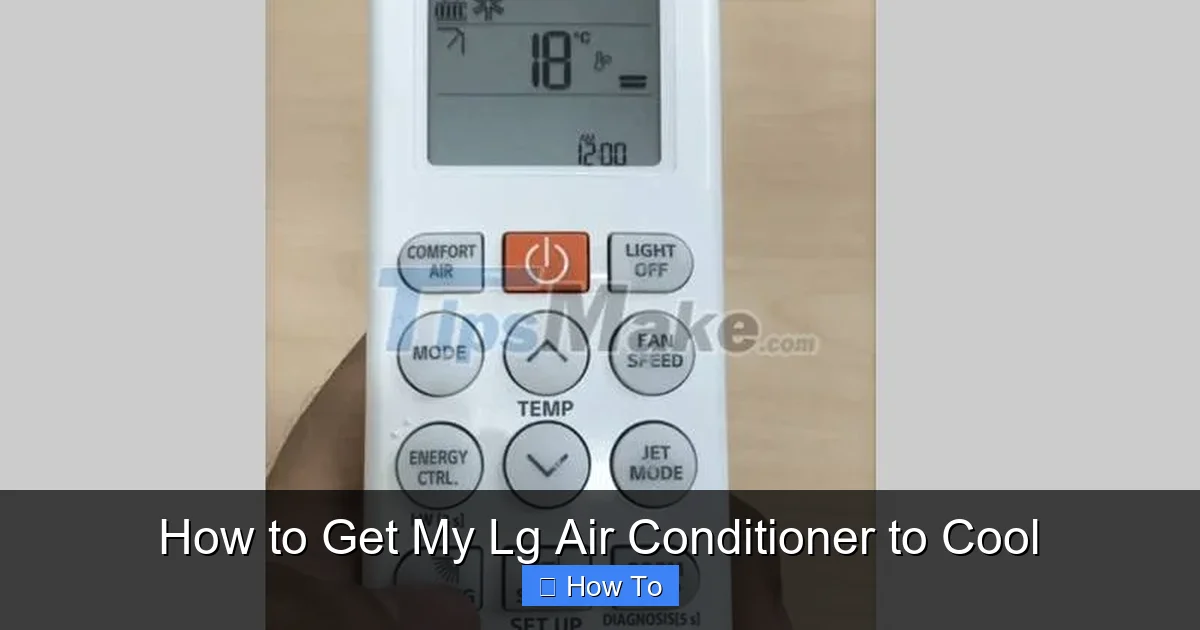
Visual guide about How to Get My Lg Air Conditioner to Cool
Image source: tipsmake.com
Make Sure It’s in “Cool” Mode
Look at your remote control or the display on your indoor unit. Is it set to “Cool” mode? If it’s accidentally switched to “Heat,” “Fan,” or “Auto,” the AC won’t produce cold air. Press the mode button until you see “Cool” or a snowflake icon on the screen.
Set the Temperature Correctly
Even in “Cool” mode, the temperature setting matters. If you set it to 85°F on a 90°F day, the AC might not kick on because the room isn’t “warmer” than the set point. Try setting it to 72°F or lower to trigger cooling. Give it 10–15 minutes to respond—sometimes the compressor takes a moment to start.
Check for Remote Control Issues
If your remote isn’t working, the AC might not respond to your commands. Replace the batteries and make sure there’s no obstruction between the remote and the unit’s sensor. You can also try using the manual controls on the AC itself to see if it responds.
Step 2: Inspect and Clean the Air Filters
Dirty air filters are one of the most common reasons an LG air conditioner fails to cool. Over time, dust, pet hair, and debris build up on the filters, blocking airflow and reducing efficiency. When airflow is restricted, the evaporator coil can freeze, which further prevents cooling.
Locate the Air Filter
Most LG window and split AC units have a front panel that opens to reveal the air filter. On portable models, the filter is usually behind a side or front grille. Refer to your user manual if you’re unsure where it is.
Remove and Clean the Filter
Gently pull out the filter. If it’s reusable (most LG filters are), rinse it under lukewarm water. Use a mild detergent if needed, but avoid harsh chemicals. Let it air dry completely before reinserting. Never reinstall a wet filter—it can promote mold growth and damage the unit.
Replace if Necessary
If the filter is damaged, torn, or hasn’t been replaced in over a year, buy a new one. LG recommends cleaning filters every 1–2 months during heavy use and replacing them annually. A clean filter improves air quality and helps your AC cool more efficiently.
Step 3: Ensure Proper Airflow Around the Unit
Airflow is critical for your LG air conditioner to function properly. If the indoor or outdoor unit is blocked, it can’t exchange heat effectively, leading to poor cooling or system shutdowns.
Clear the Indoor Unit
Make sure furniture, curtains, or decor aren’t blocking the front vent of your indoor unit. The air needs to flow freely in and out. For wall-mounted split units, keep at least 2 feet of clearance above and around the unit.
Check the Outdoor Condenser Unit
If you have a split-system or central AC, the outdoor condenser unit must also have proper airflow. Walk outside and inspect it. Remove any leaves, grass, dirt, or debris stuck in the fins. Trim back bushes or plants that are growing too close—LG recommends at least 2 feet of clearance on all sides.
Clean the Condenser Fins
Over time, the aluminum fins on the outdoor unit can get bent or clogged with dirt. Use a soft brush or a fin comb to gently straighten bent fins. For heavy dirt buildup, use a garden hose (not a pressure washer) to spray the fins from the inside out. Never use sharp tools—they can damage the coils.
Step 4: Check the Power Supply and Circuit Breaker
If your LG air conditioner isn’t turning on at all, the issue might be electrical. Before assuming a mechanical failure, verify that power is reaching the unit.
Check the Power Cord and Outlet
Make sure the AC is plugged in securely. Try plugging another device (like a lamp) into the same outlet to confirm it’s working. If the outlet is dead, check your home’s circuit breaker panel.
Inspect the Circuit Breaker
Go to your electrical panel and look for the breaker labeled “AC” or “Air Conditioner.” If it’s tripped (switched to “Off”), flip it back to “On.” If it trips again immediately, there may be an electrical issue—don’t keep resetting it. Call an electrician or HVAC technician.
Test the Capacitor (Advanced)
If the unit hums but doesn’t start, the capacitor might be faulty. This is a small cylindrical component that helps start the compressor and fan motors. Capacitors can fail over time, especially in hot weather. Replacing one requires technical skill and safety precautions—only attempt this if you’re experienced with electrical components.
Step 5: Look for Ice or Frost Buildup
If your LG air conditioner is running but not cooling, and you notice ice or frost on the indoor unit or refrigerant lines, it’s a sign of a problem. Ice buildup prevents proper heat exchange and can damage the system if ignored.
Turn Off the AC
If you see ice, turn off the unit immediately. Running it with ice can damage the compressor. Switch it to “Fan” mode to help melt the ice, or simply let it sit for a few hours.
Identify the Cause
Ice usually forms due to restricted airflow (dirty filters, blocked vents) or low refrigerant. It can also happen if the thermostat is set too low on a humid day. After the ice melts, clean the filter and check for airflow issues. If ice returns, there may be a refrigerant leak—this requires professional repair.
Prevent Future Freezing
To avoid ice buildup, maintain clean filters, ensure proper ventilation, and avoid setting the thermostat below 68°F. If your home is very humid, consider using a dehumidifier to reduce moisture in the air.
Step 6: Verify Refrigerant Levels
Refrigerant is the substance that absorbs heat from your home and releases it outside. If your LG air conditioner isn’t cooling, low refrigerant could be the culprit. However, refrigerant doesn’t “run out” under normal conditions—low levels usually mean there’s a leak.
Signs of Low Refrigerant
- Warm air blowing from vents
- Hissing or bubbling sounds near the unit
- Ice on refrigerant lines or coils
- Higher-than-normal electricity bills
Don’t Add Refrigerant Yourself
Handling refrigerant requires EPA certification and special equipment. Never try to recharge your AC with a DIY kit—this can damage the system or expose you to harmful chemicals. If you suspect a leak, contact a licensed HVAC technician. They’ll locate the leak, repair it, and recharge the system safely.
Step 7: Reset the Air Conditioner
Sometimes, your LG air conditioner just needs a fresh start. A simple reset can clear temporary glitches in the control board or sensors.
Power Cycle the Unit
Turn off the AC using the remote or control panel. Then, unplug it from the wall or turn off the circuit breaker. Wait at least 5–10 minutes—this gives the internal components time to reset. Plug it back in and turn it on. Set it to “Cool” mode and see if it starts working.
Use the Reset Button (If Available)
Some LG models have a small reset button on the indoor or outdoor unit. Press and hold it for 3–5 seconds. Refer to your user manual to see if your model has this feature.
Step 8: Check the Fan and Blower
The indoor and outdoor fans are essential for moving air through the system. If either fan isn’t working, your AC won’t cool properly.
Listen for Fan Operation
When you turn on the AC, listen for the indoor blower and outdoor fan to start spinning. If you don’t hear them, or if they’re running slowly, there may be an issue.
Inspect for Obstructions
Check the fan blades for dirt, debris, or damage. Clean them gently with a soft brush. If a blade is cracked or bent, it may need replacement.
Test the Fan Motor
If the fan isn’t spinning at all, the motor might be faulty. This is a complex repair that usually requires a technician. However, you can try cleaning the motor housing and ensuring it’s not overheating.
Step 9: Schedule Professional Maintenance
Even if your LG air conditioner is working now, regular maintenance can prevent future cooling problems. LG recommends annual servicing, especially before the summer season.
What a Technician Will Do
- Inspect and clean coils and filters
- Check refrigerant levels and look for leaks
- Test electrical connections and capacitors
- Lubricate moving parts
- Calibrate the thermostat
- Check for proper drainage
DIY Maintenance Tips
Between professional visits, you can do your part:
- Clean filters monthly
- Keep the area around units clear
- Check the drain line for clogs
- Monitor performance and note any changes
Troubleshooting Common LG AC Problems
Here are some specific issues you might encounter and how to fix them:
AC Turns On But Doesn’t Cool
This is usually due to dirty filters, blocked airflow, or low refrigerant. Follow the steps above to check each possibility.
AC Blows Warm Air Intermittently
Could be a failing compressor, thermostat issue, or electrical problem. Try resetting the unit first. If it continues, call a technician.
Strange Noises (Rattling, Grinding, Hissing)
Rattling may mean loose parts. Grinding could indicate a bad motor. Hissing might signal a refrigerant leak. Turn off the unit and get it inspected.
Water Leaking Inside the House
Check the drain line for clogs. Use a wet/dry vacuum to clear it. Ensure the unit is level—tilted units can cause drainage issues.
Remote Control Not Working
Replace batteries, clean the sensor, or try using the manual controls. If the remote is damaged, order a replacement from LG.
When to Call a Professional
While many cooling issues can be fixed at home, some problems require expert help. Call a licensed HVAC technician if:
- The AC still doesn’t cool after trying all troubleshooting steps
- You suspect a refrigerant leak
- The compressor or fan motor is faulty
- There’s a burning smell or electrical issue
- The unit frequently trips the breaker
- You’re not comfortable performing repairs
Regular professional maintenance can also extend the life of your LG air conditioner and improve energy efficiency.
Conclusion
Getting your LG air conditioner to cool doesn’t have to be a mystery. By following this step-by-step guide, you can diagnose and fix many common issues—from dirty filters to airflow problems—without calling a technician. Remember to check the thermostat, clean the filters, ensure proper ventilation, and reset the unit when needed.
For more serious problems like refrigerant leaks or electrical faults, don’t hesitate to contact a professional. And don’t forget routine maintenance—it’s the best way to keep your AC running smoothly for years to come. With a little care and attention, your LG air conditioner will keep you cool and comfortable all summer long.