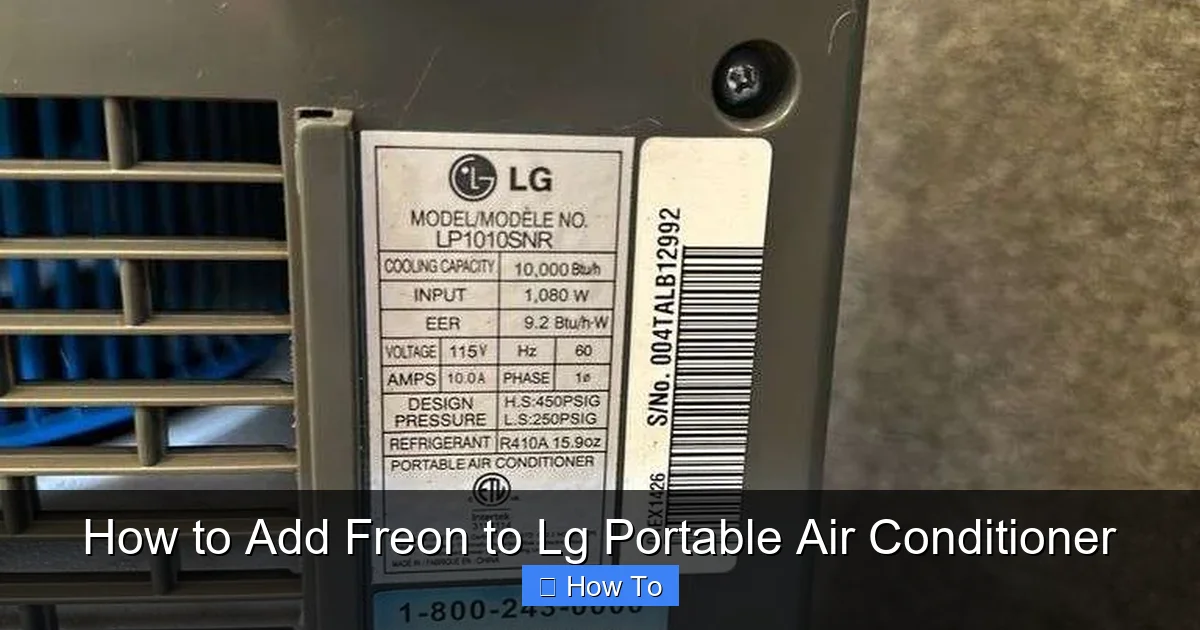
Is your LG portable air conditioner not cooling, leaking, or making strange noises? This guide walks you through diagnosing and fixing the most common problems—from clogged filters to drainage issues—so you can restore comfort without calling a technician.
Key Takeaways
- Clean or replace the air filter regularly: A dirty filter restricts airflow and reduces cooling efficiency—clean it every two weeks during heavy use.
- Check the exhaust hose for kinks or blockages: Proper ventilation is essential; a blocked hose prevents hot air from escaping, causing the unit to overheat or shut down.
- Ensure proper drainage: Standing water or a clogged drain can cause leaks or trigger error codes—empty the water tank and clean the drain port monthly.
- Verify room size and placement: Using an undersized unit or placing it near heat sources reduces performance—match the AC’s BTU rating to your room size.
- Reset the unit after power issues: Unplug the AC for 5–10 minutes to reset the internal electronics if it won’t turn on or behaves erratically.
- Listen for unusual sounds: Rattling, grinding, or hissing may indicate loose parts, fan issues, or refrigerant leaks—address these promptly.
- Use the auto-evaporation feature wisely: Most LG portable ACs recycle condensate to cool the condenser—avoid manual draining unless in high-humidity areas.
How to Fix a LG Portable Air Conditioner: A Complete Step-by-Step Guide
Summer heat can be relentless, and when your LG portable air conditioner suddenly stops working, it can feel like a disaster. Whether it’s not cooling, leaking water, making strange noises, or refusing to turn on, these issues are often fixable with some basic troubleshooting and maintenance. The good news? You don’t always need to call a technician or replace the unit. With the right steps, you can restore your LG portable AC to peak performance and enjoy cool, comfortable air again.
In this comprehensive guide, we’ll walk you through the most common problems with LG portable air conditioners and show you exactly how to fix them. From cleaning filters to checking drainage systems, resetting the unit, and diagnosing mechanical issues, you’ll learn practical, do-it-yourself solutions that save time and money. Whether you’re a first-time user or have owned your unit for years, this guide will help you keep your LG portable AC running smoothly all season long.
Understanding How Your LG Portable Air Conditioner Works
Before diving into fixes, it helps to understand how your LG portable air conditioner operates. Unlike window units, portable ACs are self-contained systems that sit on the floor and vent hot air out through a window or wall using an exhaust hose. They cool the room by drawing in warm air, passing it over cold evaporator coils, and blowing cool air back into the space. Meanwhile, the heat absorbed from the air is expelled outside via the exhaust hose.
Most LG portable air conditioners also feature an auto-evaporation system. This means that the moisture collected during the cooling process (condensation) is reused to help cool the internal condenser coils. This reduces the need for frequent manual draining—unless you live in a very humid climate. The unit typically has a water tank that collects excess water when evaporation can’t keep up, and it may shut off automatically when full to prevent leaks.
Knowing this basic operation helps you identify where problems might occur. For example, if the unit isn’t cooling, it could be due to a clogged filter, blocked exhaust, or full water tank. If it’s leaking, the issue might be with the drainage system or improper installation. Understanding these components will make troubleshooting much easier.
Common Problems and How to Fix Them
1. The Unit Isn’t Cooling Properly
One of the most frequent complaints is that the LG portable air conditioner runs but doesn’t cool the room. This can be frustrating, especially on a hot day. The good news is that this issue is often caused by simple, fixable problems.
Check the Air Filter
The air filter is the first line of defense against dust and debris. Over time, it becomes clogged, restricting airflow and reducing cooling efficiency. A dirty filter forces the unit to work harder, which can lead to overheating or reduced performance.
- Turn off and unplug the unit.
- Locate the filter compartment—usually on the back or side of the unit.
- Remove the filter and inspect it. If it’s gray or covered in dust, it needs cleaning.
- Rinse it under lukewarm water or use a soft brush to remove debris. Let it dry completely before reinserting.
- Replace the filter every 3–6 months, or more often if you have pets or live in a dusty area.
Inspect the Exhaust Hose
The exhaust hose removes hot air from the room. If it’s kinked, blocked, or not properly attached, hot air can’t escape, causing the unit to overheat and lose cooling power.
- Check the hose for bends, twists, or obstructions.
- Ensure both ends are securely connected—one to the unit and one to the window kit.
- If the hose is damaged or excessively long, consider replacing it with a shorter, insulated one for better efficiency.
Verify Room Size and Placement
Using an undersized unit for a large room will result in poor cooling. LG portable ACs are rated by BTUs (British Thermal Units)—the higher the BTU, the larger the area it can cool.
- Check your unit’s BTU rating (e.g., 8,000, 10,000, 14,000).
- Match it to your room size: 8,000 BTUs for up to 300 sq ft, 10,000 for up to 400 sq ft, and 14,000 for up to 500 sq ft.
- Avoid placing the unit near heat sources like ovens, lamps, or direct sunlight.
- Keep doors and windows closed while the AC is running.
2. The Unit Is Leaking Water
Water leaking from your LG portable air conditioner is a common issue, especially in humid weather. While some condensation is normal, excessive leakage can damage floors and indicate a problem.
Check the Water Tank
Most LG portable ACs have a built-in water tank that collects excess condensation. When full, the unit may shut off or leak.
- Turn off and unplug the unit.
- Locate the water tank—usually at the bottom rear of the unit.
- Remove the tank and empty it completely.
- Wipe it clean with a damp cloth and mild detergent.
- Reinsert the tank and ensure it’s seated properly.
Inspect the Drain Port
Some models have a drain port for manual water removal. If clogged, water can back up and leak.
- Locate the drain port (often near the water tank).
- Use a small brush or pipe cleaner to clear any debris.
- Flush it with water to ensure it’s open.
Ensure Proper Leveling
If the unit isn’t level, water may not drain properly and can pool inside.
- Place the AC on a flat, even surface.
- Use a level tool to check for tilt.
- Adjust the feet or place shims under one side if needed.
3. The Unit Won’t Turn On
If your LG portable air conditioner doesn’t power up, it could be due to electrical issues or internal safety mechanisms.
Check the Power Source
Start with the basics—make sure the unit is receiving power.
- Ensure the power cord is fully plugged into a working outlet.
- Test the outlet with another device (like a lamp) to confirm it’s live.
- Avoid using extension cords or power strips—plug directly into the wall.
Reset the Unit
Electronic glitches can cause the AC to freeze or fail to start. A simple reset often fixes this.
- Unplug the unit from the wall.
- Wait 5–10 minutes to allow the internal electronics to reset.
- Plug it back in and try turning it on.
Check the Remote and Control Panel
Sometimes the issue is with the remote or control panel.
- Replace the remote batteries.
- Make sure the remote is pointed at the unit and within range.
- Try using the control panel on the unit itself to rule out remote issues.
4. The Unit Is Making Strange Noises
Unusual sounds—like rattling, grinding, or hissing—can indicate mechanical problems that need attention.
Rattling or Vibrating Sounds
These often come from loose parts or debris in the fan.
- Turn off and unplug the unit.
- Inspect the fan blades for dirt, dust, or foreign objects.
- Tighten any loose screws on the front panel or base.
- Ensure the unit is on a stable surface to reduce vibration.
Grinding or Squealing Noises
These may indicate a problem with the fan motor or bearings.
- This is more serious and may require professional repair.
- Stop using the unit to prevent further damage.
- Contact LG customer support or a certified technician.
Hissing or Bubbling Sounds
These could signal a refrigerant leak, which is dangerous and requires immediate attention.
- Turn off the unit immediately.
- Do not attempt to fix refrigerant issues yourself.
- Contact a licensed HVAC technician for inspection and repair.
5. The Unit Keeps Shutting Off Automatically
Frequent shutdowns can be caused by overheating, full water tanks, or sensor issues.
Check for Overheating
Portable ACs have thermal protection that shuts them off if they overheat.
- Ensure the exhaust hose is not blocked.
- Clean the air filter and condenser coils.
- Allow the unit to cool down before restarting.
Monitor the Water Tank
If the tank is full, the unit may shut off as a safety measure.
- Empty the tank regularly, especially in humid conditions.
- Consider using the continuous drain option if your model supports it.
Inspect the Thermostat and Sensors
Dust or misalignment can cause inaccurate temperature readings.
- Clean the area around the thermostat sensor (usually near the air intake).
- Ensure the unit is not placed near heat sources that could skew readings.
Preventive Maintenance Tips
Regular maintenance can prevent many common issues and extend the life of your LG portable air conditioner. Here’s how to keep it in top shape:
Monthly Maintenance
- Clean the air filter every 2–4 weeks during peak use.
- Wipe down the exterior with a damp cloth.
- Check the exhaust hose for kinks or damage.
- Empty and clean the water tank.
Seasonal Maintenance
- Before summer, inspect all components and clean thoroughly.
- After the season, clean the unit, remove the filter, and store it in a dry place.
- Cover the unit to protect it from dust.
Use the Right Settings
- Set the temperature to a comfortable level (72–78°F) to avoid overworking the unit.
- Use the “Fan Only” mode on milder days to save energy.
- Enable the “Sleep” mode at night for quieter operation.
Troubleshooting Error Codes
LG portable air conditioners display error codes to help diagnose problems. Here are some common ones:
- E1: Water tank is full. Empty the tank and restart.
- E2: Temperature sensor error. Clean the sensor area or contact support.
- E3: Communication error between components. Reset the unit.
- E4: Overheating. Check airflow and clean filters.
- E5: Fan motor issue. May require professional repair.
Refer to your user manual for a complete list of error codes and solutions.
When to Call a Professional
While many issues can be fixed at home, some problems require expert help. Contact LG customer service or a certified technician if:
- The unit still doesn’t cool after cleaning and resetting.
- You suspect a refrigerant leak (hissing sounds, oily residue).
- The compressor or fan motor is faulty.
- Electrical components are damaged.
- The unit is under warranty—DIY repairs may void it.
Conclusion
Fixing your LG portable air conditioner doesn’t have to be overwhelming. With regular maintenance, proper placement, and a few troubleshooting steps, you can resolve most common issues and keep your unit running efficiently. From cleaning filters to checking drainage and resetting the system, these simple actions can save you time, money, and frustration.
Remember, prevention is key. By staying on top of maintenance and addressing problems early, you’ll enjoy reliable cooling all summer long. And if you ever run into a problem you can’t solve, don’t hesitate to reach out to LG support—they’re there to help. Stay cool and comfortable with a well-maintained portable air conditioner!