Emptying your LG portable air conditioner is essential to prevent water buildup, mold, and unit malfunction. This guide walks you through the process clearly, safely, and efficiently, ensuring your AC runs smoothly all season long.
Key Takeaways
- Regular emptying prevents water overflow and damage: LG portable air conditioners collect condensation, which can overflow if not drained regularly, leading to water damage and mold growth.
- Check the water tank indicator first: Most LG models have a built-in indicator or alert system that signals when the tank is full—don’t ignore it.
- Always unplug the unit before draining: Safety is crucial—never attempt to empty the water tank while the air conditioner is plugged in.
- Use the continuous drainage hose for long-term use: If you plan to run your AC for extended periods, connect the included drain hose to avoid frequent manual emptying.
- Clean the tank and filter during maintenance: While emptying, take the opportunity to clean the water tank and air filter to improve efficiency and air quality.
- Store the unit properly after use: After emptying, dry the tank completely before storing to prevent mildew and odors.
- Follow the user manual for model-specific steps: LG models vary slightly—always refer to your specific unit’s manual for exact instructions.
How to Empty an LG Portable Air Conditioner
If you own an LG portable air conditioner, you know how convenient and effective these units can be at cooling your space. But like all portable ACs, they produce condensation as part of the cooling process. This moisture collects in an internal water tank, and if left unchecked, it can overflow, cause leaks, or even damage your flooring and the unit itself. That’s why learning how to empty an LG portable air conditioner is not just helpful—it’s essential for safe and efficient operation.
In this comprehensive guide, we’ll walk you through the entire process of emptying your LG portable air conditioner, from recognizing when it’s time to drain to choosing between manual and continuous drainage methods. We’ll also cover safety tips, maintenance best practices, and troubleshooting common issues. Whether you’re a first-time user or just need a refresher, this step-by-step guide will ensure your AC stays in top condition all summer long.
Why Emptying Your LG Portable Air Conditioner Matters
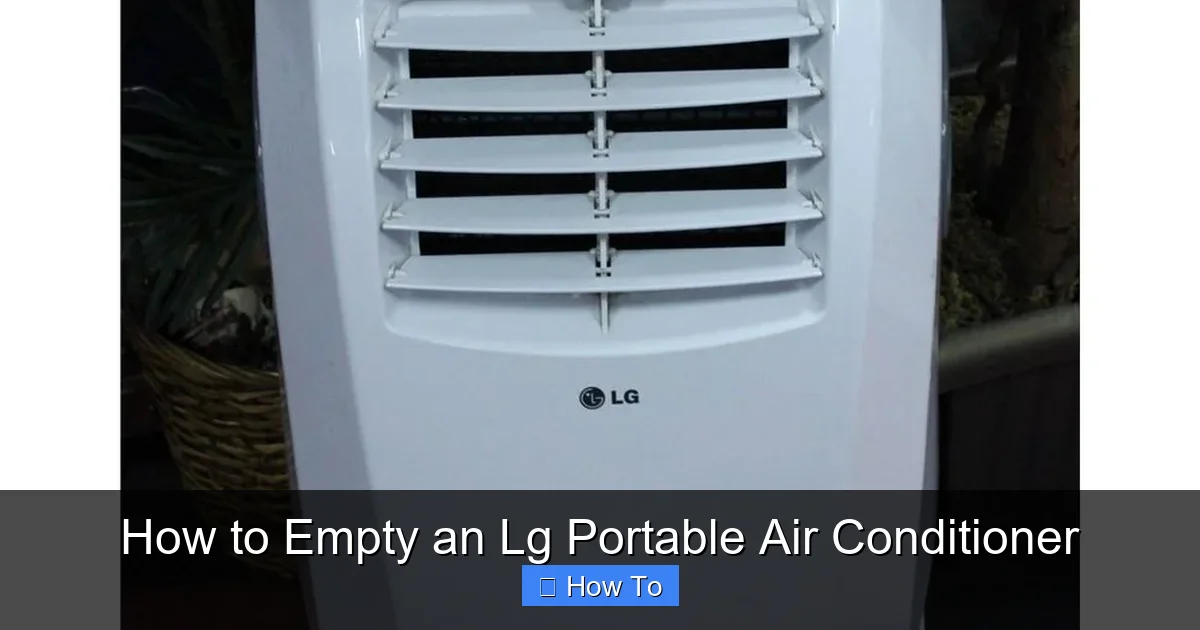
Visual guide about How to Empty an Lg Portable Air Conditioner
Image source: dygtyjqp7pi0m.cloudfront.net
Before diving into the how-to, it’s important to understand why this task is so critical. Portable air conditioners work by pulling warm air from the room, passing it over cold evaporator coils, and then blowing the cooled air back into the space. During this process, moisture in the air condenses on the coils—just like water droplets form on a cold drink on a hot day. This condensation drips into a collection tray or tank inside the unit.
Over time, this tank fills up. Most LG portable air conditioners have a built-in float sensor that detects when the tank is full. When it reaches capacity, the unit will either shut off automatically or display a warning light (often labeled “FULL” or “CHECK TANK”). Ignoring this signal can lead to several problems:
– Water leaks: Overflowing water can seep out of the unit, damaging floors, carpets, or furniture.
– Mold and mildew growth: Standing water creates a breeding ground for bacteria and mold, which can affect indoor air quality and cause unpleasant odors.
– Reduced efficiency: A full tank can interfere with the unit’s operation, making it work harder and use more energy.
– Unit damage: Prolonged exposure to moisture can corrode internal components, shortening the lifespan of your AC.
By emptying the water tank regularly, you prevent these issues and keep your LG portable air conditioner running smoothly.
When to Empty Your LG Portable Air Conditioner
Knowing when to empty the tank is just as important as knowing how. Here are the most common signs that it’s time to drain your unit:
1. The “FULL” or “CHECK TANK” Light Is On
Most LG portable air conditioners come with a visual indicator—usually an LED light on the control panel—that lights up when the water tank is full. This is the most reliable signal. Don’t ignore it! Even if the unit hasn’t shut off yet, the tank is likely near capacity.
2. The Unit Shuts Off Unexpectedly
If your AC suddenly stops cooling or powers down during operation, a full water tank could be the culprit. The float sensor triggers an automatic shutoff to prevent leaks. Check the indicator light and drain the tank if needed.
3. You Hear Water Sloshing Inside
If you tilt the unit slightly and hear liquid moving around, the tank is probably full. This is more common in humid environments or during extended use.
4. It’s Been Several Days Since Last Draining
Even if the indicator hasn’t lit up, it’s a good idea to check the tank every 2–3 days during heavy use, especially in hot, humid weather. Prevention is better than dealing with a leak.
5. You Notice Water Around the Unit
If you see puddles or damp spots near your portable AC, the tank may have overflowed. Turn off the unit immediately, unplug it, and drain the tank.
Tools and Materials You’ll Need
Emptying your LG portable air conditioner is a simple task that requires minimal tools. Here’s what you’ll need:
- A flat, stable surface (like a table or counter)
- A towel or rag (to catch any spills)
- A shallow container or bucket (to collect the water)
- Optional: The continuous drain hose (included with most LG models)
- Optional: Mild soap and water (for cleaning the tank)
- Optional: A soft brush or cloth (for cleaning)
Most of these items are probably already in your home. The key is to be prepared before you start, so you don’t have to scramble mid-process.
Step-by-Step Guide: How to Empty Your LG Portable Air Conditioner
Now that you understand the importance and timing, let’s get into the actual process. Follow these steps carefully to empty your LG portable air conditioner safely and effectively.
Step 1: Turn Off and Unplug the Unit
Safety first! Before doing anything, make sure your air conditioner is completely turned off. Use the power button on the unit or remote control to shut it down. Then, unplug it from the wall outlet. This prevents any electrical hazards while you’re handling water near the machine.
Pro Tip: Wait about 10–15 minutes after turning off the unit before draining. This allows any residual moisture in the system to drip into the tank.
Step 2: Locate the Water Tank
The water tank is usually located at the back or bottom of the unit. On most LG portable air conditioners, it’s behind a small access panel or drawer. Look for a labeled compartment or a removable tray.
To find it:
– Check the user manual for your specific model (e.g., LG LP1419IVSM, LP0821WSR, etc.).
– Look for a panel with a latch or screw.
– Some models have a pull-out drawer at the base.
Once you’ve located it, gently open the access panel. You should see the water tank inside.
Step 3: Prepare for Draining
Place a towel on the floor beneath the unit to catch any drips. Have your container or bucket ready to collect the water. If you’re using the continuous drain hose, make sure it’s nearby.
Important: Never tip the unit on its side or upside down. This can cause water to spill into internal components, damaging the motor or electrical parts.
Step 4: Remove the Water Tank
Carefully pull out the water tank. Most LG models have a handle or grip to make this easier. The tank is typically made of lightweight plastic and holds about 0.5 to 1 liter of water, depending on the model.
Hold the tank level as you remove it to avoid spilling. If it’s full, it may be heavier than expected—use both hands.
Step 5: Empty the Water
Pour the water into your container or bucket. You can dispose of it down the sink, toilet, or outside. Avoid pouring large amounts of water on plants, as the water may contain minerals or residues from the AC process.
Pro Tip: If the water looks cloudy or has an odor, it’s a sign that mold or bacteria may be growing. This means it’s time to clean the tank (we’ll cover that below).
Step 6: Inspect and Clean the Tank (Optional but Recommended)
While the tank is out, take a moment to inspect it. Look for:
– Slime or film on the walls
– Mineral deposits (white or chalky residue)
– Mold or mildew spots
If you see any of these, clean the tank with mild soap and warm water. Use a soft brush or cloth to scrub the interior. Rinse thoroughly and let it air dry completely before reinserting.
Note: Never use harsh chemicals or abrasive scrubbers, as they can damage the plastic.
Step 7: Reinsert the Tank
Once the tank is empty (and cleaned, if needed), slide it back into place. Make sure it’s fully seated and the access panel clicks or locks securely. A loose tank can trigger false “full” alerts or cause leaks.
Step 8: Plug In and Restart the Unit
After reinserting the tank, plug the unit back in and turn it on. The “FULL” light should go off, and the AC should resume normal operation. If the light stays on, double-check that the tank is properly seated.
Using the Continuous Drainage Hose (For Long-Term Use)
If you plan to run your LG portable air conditioner for extended periods—such as all day or overnight—manual emptying can become a hassle. That’s where the continuous drainage hose comes in.
Most LG portable ACs include a small drain hose that allows you to divert condensation directly to a floor drain, sink, or outside. This eliminates the need for frequent tank emptying.
How to Set Up Continuous Drainage
Step 1: Locate the Drain Port
Find the drain port on the back or side of your unit. It’s usually a small rubber plug or cap labeled “DRAIN” or “CONTINUOUS DRAIN.”
Step 2: Attach the Hose
Remove the plug and insert one end of the drain hose. Make sure it’s snug and secure to prevent leaks.
Step 3: Route the Hose
Run the other end of the hose to a suitable drainage point. Options include:
– A nearby floor drain
– A sink or bathtub
– A window leading outside (use a window kit if needed)
Step 4: Secure the Hose
Use tape or clips to keep the hose in place and ensure it slopes downward for proper flow. Avoid kinks or bends that could block water flow.
Step 5: Test the Setup
Turn on the unit and let it run for 10–15 minutes. Check that water is flowing steadily through the hose and draining properly.
Important: Even with continuous drainage, check the system weekly to ensure the hose isn’t clogged and the drain path is clear.
Maintenance Tips to Reduce Water Buildup
While emptying the tank is necessary, you can reduce how often you need to do it with a few smart maintenance practices.
1. Use the Unit in Dehumidify Mode
Many LG portable air conditioners have a “Dry” or “Dehumidify” mode. This setting reduces humidity without overcooling the room, which can slow condensation buildup.
2. Improve Room Ventilation
Keep windows and doors closed while the AC is running, but ensure the room isn’t overly humid. Use exhaust fans in kitchens and bathrooms to reduce moisture.
3. Clean the Air Filter Regularly
A dirty filter restricts airflow, making the unit work harder and produce more condensation. Clean or replace the filter every 2–4 weeks during peak use.
4. Position the Unit Properly
Place the AC on a level surface away from direct sunlight and heat sources. This helps it operate efficiently and reduces strain.
5. Avoid Overcooling
Set the thermostat to a comfortable temperature (around 72–75°F). Lower settings don’t cool the room faster—they just run longer, increasing condensation.
Troubleshooting Common Issues
Even with proper care, you might run into problems. Here are some common issues and how to fix them.
The “FULL” Light Won’t Turn Off After Draining
If the indicator stays on after emptying the tank:
– Make sure the tank is fully reinserted and seated properly.
– Check for debris or water residue in the tank sensor area.
– Wipe the float sensor (if accessible) with a dry cloth.
– Restart the unit by unplugging it for 30 seconds, then plugging it back in.
Water Is Leaking from the Unit
If you notice leaks:
– Stop using the unit immediately.
– Check if the drain hose (if used) is clogged or disconnected.
– Inspect the tank for cracks or warping.
– Ensure the unit is level—tilting can cause water to spill.
The Unit Won’t Turn On After Draining
This could be due to:
– A tripped circuit breaker (check your home’s electrical panel).
– A faulty power cord or outlet.
– Internal damage from water exposure (rare, but possible if the unit was tipped).
If basic troubleshooting doesn’t work, contact LG customer support or a certified technician.
Unusual Odors Coming from the Unit
Musty or sour smells often indicate mold or bacteria in the tank or evaporator coils. To fix:
– Clean the water tank thoroughly.
– Run the unit in fan-only mode for an hour to dry internal components.
– Consider using an AC cleaner spray designed for portable units.
Storing Your LG Portable Air Conditioner
At the end of the cooling season, proper storage is key to maintaining your unit’s performance and longevity.
Step 1: Empty and Clean the Tank
Drain all water and clean the tank with soap and water. Let it dry completely.
Step 2: Clean the Air Filter
Remove and clean the filter. Let it air dry before reinstalling.
Step 3: Wipe Down the Exterior
Use a damp cloth to clean the outside of the unit. Avoid harsh chemicals.
Step 4: Coil and Store the Hoses
If you used the drain hose or window kit, coil them neatly and store them with the unit.
Step 5: Store in a Dry, Cool Place
Keep the AC in a closet, basement, or garage—away from moisture and extreme temperatures. Cover it with a breathable cloth to prevent dust buildup.
Conclusion
Emptying your LG portable air conditioner is a simple but vital task that ensures safe, efficient, and long-lasting performance. By following the steps in this guide—turning off the unit, removing and emptying the tank, and optionally using continuous drainage—you can prevent water damage, mold, and costly repairs.
Remember to check the water tank regularly, especially during hot and humid weather, and take advantage of maintenance tips to reduce how often you need to drain it. And when in doubt, always refer to your user manual for model-specific instructions.
With a little routine care, your LG portable air conditioner will keep you cool and comfortable for many seasons to come.