
How to Bypass the Ac Compressor : Step-By-Step Guide
How to Bypass the Ac Compressor : Step-By-Step Guide
There are times when the AC compressor in your vehicle stops working, but you still need the other components of the system to function. In such cases, you may need to bypass the AC compressor. Let's explore some important aspects of bypassing the AC compressor.
Understanding the AC Compressor
The AC compressor is a vital component of the air conditioning system in a vehicle. It's responsible for circulating the refrigerant and pressurizing it so that the system can function effectively. When the AC compressor stops working, it can affect the overall performance of the air conditioning system.

Serpentine belt kit used to bypass the AC compressor. Credit: www.amazon.com
Safety Precautions Before Starting
Before you begin any bypass work, disconnect the battery negative terminal to avoid accidental shorts. Wear safety glasses and gloves, and ensure the engine is cool. Relieve any residual refrigerant pressure only if you are opening the sealed system — otherwise keep the lines capped. Refer to the vehicle service manual for torque specifications on the tensioner and power‑steering bolts. For a routine upkeep schedule that includes belt inspections, see our routine upkeep schedule.
How to Bypass the AC Compressor
There are a few methods you can use to bypass the AC compressor. One common approach is to use a smaller belt. By using a smaller belt, you can bypass the AC compressor and ensure that the other components of the system can still function properly. It's important to consult with an experienced mechanic or refer to the vehicle’s manual to understand the specific requirements for bypassing the AC compressor.
Steps To Bypass The Ac Compressor
When bypassing the AC compressor, it's crucial to ensure the correct installation of the serpentine belt . The ribbed side of the belt should typically align with grooved pulleys, while the smooth side interacts with smooth pulleys. Placing the ribbed edge on a smooth tensioner pulley is not recommended as it may lead to improper functioning or wear.
Here’s how you should proceed:
Check Belt Orientation : Ensure the ribbed side of the belt is consistently aligned with grooves on the crankshaft and power steering pulleys.
Align Properly with Tensioner : The smooth tensioner pulley should have contact with the belt 's smooth side.
Consult Your Vehicle's Manual : Always verify with the specific service manual or technical guidelines for your vehicle model to obtain the correct belt routing diagram.
By following these steps, you can prevent potential damage and ensure efficient vehicle operation.
Common Mistakes to Avoid
- Using a belt that is too short or too long, which causes improper tension and premature wear.
- Forgetting to unplug the compressor clutch wiring, leaving the electromagnetic coil energized.
- Neglecting to inspect the idler and tensioner pulleys for bearing noise before reassembly.
- Over‑tightening the tensioner, which can damage the power‑steering pump shaft.
- Skipping a post‑install test drive; belt alignment often shifts after the first heat cycle.
For bypassing the AC compressor on a 2003 Eclipse GS, you'll need a 43-inch belt . A suitable option is the Dayco belt with part number 5050430. This size and type will allow you to effectively bypass the AC compressor without any issues. You can find these belt s at most auto parts stores.
Here are the steps you can follow to bypass the AC compressor using a smaller belt:
Detach the wiring that energizes the clutch of the AC compressor.
Install the smaller belt, ensuring it fits securely and runs smoothly on the pulleys of the other components.
Test the system to ensure that the bypass has been successful and that the other parts of the AC system are functioning as intended.
To adjust the power steering pump and tensioner while bypassing the AC compressor, you'll need a few essential tools. Here's a breakdown of what's required:
Tools Needed
12mm Deep Socket Essential for accessing and removing the top bolts, especially the one on the passenger side, which can be reached through a hole in the pulley.
12mm Wrench Handy for loosening the bottom passenger side bolt. A wrench offers better control in tight spaces where a ratchet might not fit comfortably.
These tools will help efficiently adjust the power steering pump and tensioner. Always ensure you have a reliable socket set and wrench collection to manage these adjustments effectively.
How to Measure the Correct Belt Size for Bypassing the AC Compressor
When you need to bypass the AC compressor in your vehicle and find the right belt size, follow these steps:
Gather Your Tools : You’ll need a piece of string or a flexible measuring tape.
Route the String : Run the string around all the pulleys in the engine setup, ensuring you skip the pulley on the AC compressor. This simulates the new path the belt will take.
Measure the String : Once the string is in place, mark where it completes the loop. Then, remove the string and measure its total length. This will give you the approximate size of the belt needed.
Visit an Auto Parts Store : Armed with your measurement, visit an auto parts store and ask for a belt matching the specific length you’ve determined.
By using this method, you can ensure that you select a belt that fits properly after bypassing the AC compressor.
Using a Smaller Rib Size Belt to Bypass the AC Compressor
Absolutely, it's feasible to use a belt with a smaller rib size when bypassing the AC compressor. This technique dates back to the muscle car days and remains effective today.
Key Considerations:
Compatibility : Switching to a smaller rib belt typically involves using a belt with fewer ribs. For example, while some setups might originally use a five-rib belt , others have successfully switched to a three-rib belt .
Harmonic Balancer Adaptation : By employing an aftermarket harmonic balancer, like the 2G model, you can streamline the conversion process. These balancers are often designed to work with smaller rib belt s, making them a practical choice.
Maintaining Belt Tension : One of the biggest concerns when altering belt size is maintaining adequate tension. Fortunately, the tensioner pulley plays a pivotal role here. It ensures the belt remains tight, minimizing the risk of any wobble or slippage during operation.
Benefits of Using a Smaller Rib Belt :
Efficiency : A smaller rib belt can potentially reduce unnecessary drag on the engine, improving overall efficiency.
Cost-Effective : Smaller belt s may be more affordable than their larger counterparts, providing a budget-friendly option for those looking to tweak their setup.
By implementing these adjustments, you can effectively bypass the AC compressor without compromising engine performance. The key is ensuring all components work harmoniously to maintain optimal tension and function.
How to Adjust the Tensioner and Power Steering Pump for Correct Belt Tension
Achieving the right belt tension requires some adjustments to both the tensioner and the power steering pump. Here’s a step-by-step guide to help you through the process:
Select the Correct Belt Length Before beginning, ensure you have the correct belt for your vehicle's specific requirements. A 43-inch belt is a common choice for many models.
Prepare the Power Steering Pump Start by removing the top two bolts from the power steering pump.
Loosen the bottom bolt. This allows you to gently move the pump and pulley backward, creating enough space for the belt to be positioned around the crank and power steering pulleys.
Position the Belt Carefully route the belt over the pulleys. While the pump is moved back, it should be easier to slip the belt onto the necessary components.
Adjust the Tensioner With the belt in place, work on the tensioner by significantly loosening it. This step is crucial to eliminate any slack that might prevent proper belt operation.
Once the belt is successfully positioned, re-tighten the tensioner to apply the required tension to the belt .
Secure the Power Steering Pump Push the power steering pump back into its original position.
Fasten the top bolts back in place and ensure the bottom bolt is securely tightened. This stabilizes the pump, helping to maintain consistent tension.
Final Check and Adjustments After everything is bolted back, double-check the belt 's tension. Ensure there's no excessive slack.
If necessary, make small adjustments to the tensioner until the belt is tight enough to operate efficiently but not so tight that it causes undue stress on the components.
By following these steps, you can effectively adjust both the tensioner and the power steering pump to ensure your belt operates with the right amount of tension, contributing to the optimal functioning of your vehicle's engine components.
Adjusting the Power Steering Pump to Fit a New Belt When Bypassing the AC Compressor
Tools You'll Need
12mm deep socket
12mm wrench
Step-by-Step Guide
Select the Correct Belt Size: Obtain a 43-inch belt suitable for your vehicle. Check compatibility with the crank pulley and power steering pulley.
Prepare the Power Steering Pump: Loosen the top two bolts of the power steering pump using a 12mm deep socket. These are located at the top driver and passenger sides.
The driver side bolt is straightforward to handle, while the passenger side bolt requires accessing through the side hole of the pulley.
Adjust the Bottom Bolt: Use a 12mm wrench to loosen the bottom bolt located at the bottom passenger side. There’s no need to completely remove it.
This adjustment allows the pump and pulley sufficient movement.
Install the New Belt : With the pump slightly loosened, push it backwards to create the necessary space to fit the new belt over the crank and power steering pulleys.
Apply some force if needed, but ensure not to overstress any components.
Tighten the System: Once the new belt is securely in place, retighten the bolts on the power steering pump.
Adjust the tensioner to ensure the belt is taut but not overly tight, correcting any minor slack from the initial installation.
Following these steps will enable you to bypass the AC compressor while effectively adjusting the power steering pump for the new belt installation.
How to Bypass the AC Compressor on a 2003 Eclipse GS 2.4L Engine
If you're looking to bypass the AC compressor on your 2003 Eclipse GS with a 2.4L engine, follow these steps to keep your vehicle running smoothly without air conditioning. This can be especially useful if your AC pulley has seized or if you want to delay repairs.
Materials Needed:
A length of string
A measuring tape
A 43-inch serpentine belt (ensure it's suitable for your vehicle model)
A socket set, including a 12mm deep socket
A 12mm wrench
Step-by-Step Instructions:
Measure for Belt Size First, take a piece of string and loop it around all the pulleys, excluding the AC compressor. Measure the string to determine the length of the belt you will need. A commonly used size is 43 inches.
Get the Right Belt Visit an auto parts store and request a 43-inch belt. Confirm the part is compatible with bypassing the AC on your specific vehicle model.
Loosening the Power Steering Pump Start by removing the top two bolts of the power steering pump. This allows flexibility to maneuver.
The driver's side bolt is straightforward, but for the passenger's side bolt, use the 12mm deep socket through the pulley’s side holes.
Use a 12mm wrench to loosen, but not remove, the bottom bolt on the passenger side. This loosens the pump enough to shift it slightly.
Installing the Belt Loosen the tensioner significantly.
With the power steering pump slightly moved, fit the 43-inch belt over the crank pulley and the power steering pulley.
Once in place, tighten the power steering pump bolts back to secure the position.
Tensioning the Belt With the belt installed, ensure there is a slight slack, which the tensioner can adjust to secure proper tightness.
Make any necessary adjustments to the tensioner to ensure the belt operates smoothly.
Helpful Tips:
Make sure the new belt is securely positioned on each pulley before starting the engine.
Re-check tension and all bolt positions after a short test drive to ensure everything remains in place.
By following these steps, you can effectively bypass the AC compressor, allowing your vehicle to operate without the need for air conditioning. This solution helps you extend your car's life while preparing for future repairs.
https://www.youtube.com/watch?v=JGOr-M1NFdU
When to Consider Bypassing vs Repairing
In practice, bypassing the compressor is a temporary workaround, not a permanent fix. If the compressor clutch is seized but the rest of the system is healthy, a clutch replacement often costs less than a full compressor swap and restores cooling. However, on older vehicles where parts are scarce or the repair bill exceeds the car’s value, a bypass lets you keep the engine running while you plan a proper repair. A common mistake is ignoring the loss of defrost capability — without the compressor, the windshield defroster may not clear moisture effectively in humid or cold weather. Weigh the trade‑off between short‑term drivability and long‑term comfort before committing to a bypass. For more guidance on evaluating repair versus replacement, see our article on troubleshooting AC blowing warm air.
Cost Estimate for Bypass vs Repair
A typical bypass using a shorter serpentine belt and a bypass pulley costs roughly $40–$120 in parts (belt $25‑$55, pulley $15‑$65) plus 1–2 hours of labor if you hire a shop. A full compressor replacement on the same platform can run $350–$750 for the compressor alone, plus refrigerant recharge and labor. If the vehicle is older than 12 years or the repair estimate exceeds 50 % of the car’s current market value, many owners choose the bypass as a stop‑gap. For a deeper look at diagnosing whether the compressor is the root cause, review our guide on diagnosing warm‑air issues.
Potential Impact on Fuel Economy and Emissions
Removing the compressor load can shave a few percent off parasitic engine loss, which may slightly improve fuel economy — typically 1–2 % on a modern engine. However, the ECU may still command the idle‑up strategy for the missing compressor, negating some gains. In regions with emissions testing, a missing compressor can trigger a readiness monitor failure because the AC system readiness flag never sets. Check local regulations; some states require the AC system to be functional for the inspection to pass. If you need to retain emissions compliance, consider a bypass pulley that keeps the belt routing intact while eliminating the compressor. For a deeper dive into system readiness, refer to our AC condenser troubleshooting guide.
Emissions Testing and Readiness Monitors
Many OBD‑II readiness monitors include an “A/C system” flag that only sets when the compressor cycles. A permanent bypass will keep this flag unset, potentially causing an emissions test failure in states that follow the EPA’s “enhanced” inspection program. The EPA provides guidance on vehicle emissions readiness at EPA vehicle emissions guidelines. If you must pass inspection, a delete‑kit that retains the original pulley geometry (or a functional compressor clutch) is the safer route.
Can You Run the AC Without the Compressor?
While bypassing the AC compressor can allow the other components of the system to function, it's essential to understand that the cooling effect may not be as effective without the compressor. The compressor plays a crucial role in the air conditioning process, and bypassing it may lead to reduced cooling performance.
Running the blower and vent controls without the compressor will still circulate ambient air, which can be useful for ventilation but will not dehumidify or cool the cabin. In humid climates this can make the interior feel muggy, and the windshield may fog more easily. If you only need airflow, the bypass is acceptable; if you need true cooling, plan a compressor repair or replacement. For tips on maintaining airflow efficiency, see our seasonal air conditioning maintenance tips.
Using an AC Compressor Bypass Pulley
Another alternative to bypassing the AC compressor is to use an AC compressor bypass pulley. This pulley is installed in place of the factory compressor, allowing you to maintain the functionality of the other components without relying on the original compressor. It's advisable to seek professional guidance when considering this option.
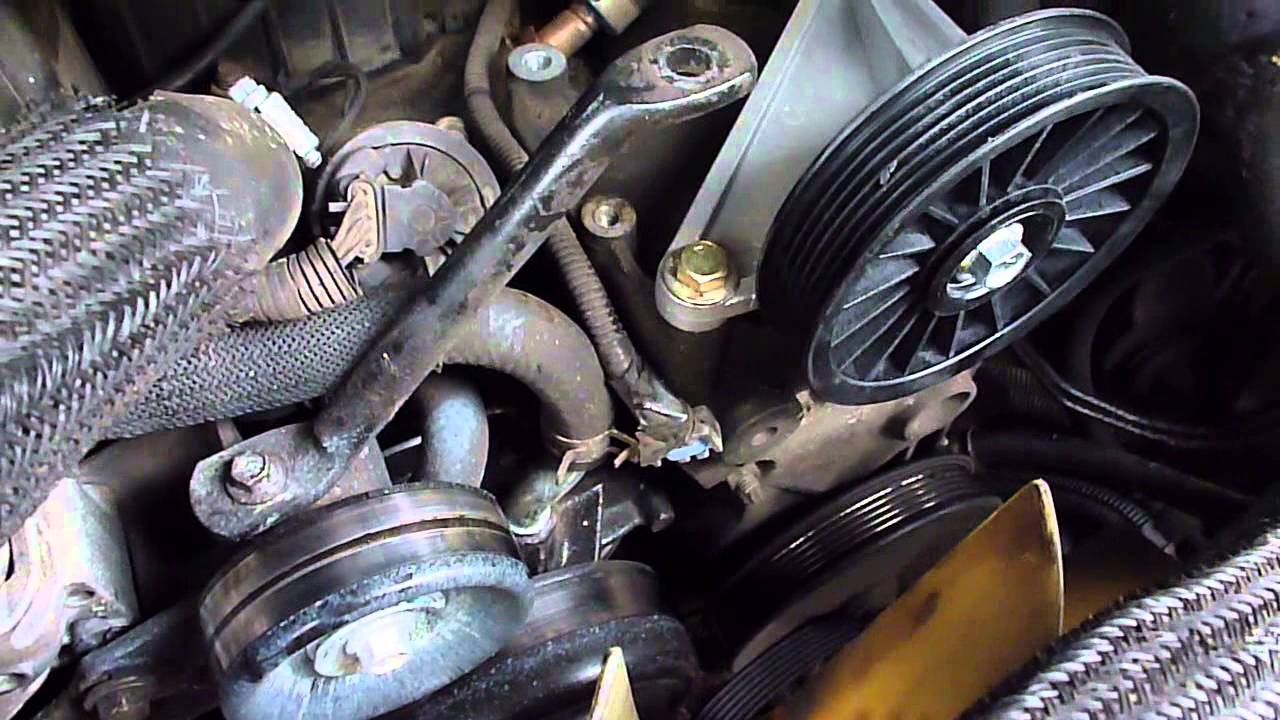
Bypass pulley installed in place of the factory compressor, preserving belt routing. Credit: storables.com
Alternative: AC Compressor Delete Kit
A delete kit replaces the compressor with a purpose‑built idler pulley that matches the original bolt pattern and belt alignment. Kits are available for many popular platforms (e.g., GM 3.6 L, Ford 2.0 L EcoBoost) and typically include the pulley, mounting hardware, and a revised belt length. Installation follows the same steps as a bypass pulley but eliminates the need to measure a custom belt. SAE J636 standards govern serpentine belt dimensions; you can review the specification at SAE belt standards. Choose a kit that lists your exact engine code to avoid fitment issues.
Legal and Warranty Considerations
Before installing a bypass pulley or a shorter belt, verify whether the modification voids any remaining powertrain warranty. Many manufacturers treat the AC system as an emissions‑related component; altering it can affect warranty coverage for related parts such as the tensioner or serpentine belt. Additionally, some jurisdictions classify a non‑functional AC system as a safety defect because it impairs defrost performance. Consult your dealer or a qualified technician and keep documentation of the original compressor condition in case a warranty claim arises later. For a broader overview of how AC systems intersect with vehicle regulations, review the NHTSA vehicle safety guidelines here.
Is It Safe to Disconnect the AC Compressor?
When considering any modifications to the AC system, it's essential to prioritize safety and seek expert advice. Disconnecting an AC compressor, especially for DIY purposes, may pose risks and could lead to potential hazards. It's always recommended to consult a licensed and certified professional before attempting any modifications to the AC system in your vehicle.
Disconnecting the clutch wiring eliminates the electromagnetic load but leaves the pulley spinning freely; if the pulley bearing fails, it can seize and throw the belt, damaging other accessories. Always inspect the pulley for play before deciding to leave it in place. If the bearing is noisy, replace the pulley assembly or install a bypass pulley rather than simply unplugging the clutch. For professional diagnostics, our split AC installation guide includes a section on compressor health checks.
Maintenance After Bypass
Once the compressor is bypassed, the serpentine belt runs a shorter path and may experience altered tension dynamics. Inspect the belt every 5,000 mi (8,000 km) for glazing, cracking, or excessive wear. Verify that the tensioner maintains proper deflection — typically ½ in (12 mm) of free play on the longest span. Lubricate the tensioner pivot if the service manual calls for it. Also, keep the refrigerant lines capped to prevent moisture ingress; a vacuum pump and refrigerant recovery are not required for a bypass, but sealing the open ports protects the rest of the system if you later reinstall a compressor. For a comprehensive maintenance schedule, see our central AC installation guide which covers belt and tensioner service intervals.
Maintenance Checklist After Bypass
- Belt inspection – every 5,000 mi: look for cracks, glazing, or missing ribs.
- Tensioner deflection – verify ½ in (12 mm) free play on longest span.
- Pulley bearings – spin each idler and tensioner pulley by hand; listen for roughness.
- Refrigerant line caps – ensure all open ports are sealed with O‑ring caps.
- Electrical connectors – confirm compressor clutch plug is secured or safely stowed.
- Test drive – after first 50 mi, re‑check belt tension and bolt torque.
Frequently Asked Questions On How To Bypass The Ac Compressor : Step-by-step Guide
Can I Bypass The Ac Compressor With A Smaller Belt?
Yes, you can bypass the AC compressor with a smaller belt by unplugging the wires that power the clutch.
Can I Use Ac Without Compressor?
No, you cannot use an AC without a compressor. The compressor is responsible for cooling the air, and without it, the AC cannot function properly. So, the compressor is essential for the AC to provide cooling.
Can I Run My Ac With A Broken Compressor?
Yes, you can run your AC with a broken compressor. However, the AC will not cool as effectively as with a functioning compressor. It is recommended to have the compressor repaired or replaced for optimal cooling performance. Unplugging the wires that energize the clutch can help bypass the broken compressor temporarily.
Can The Ac Compressor Be Disconnected?
Yes, the AC compressor can be disconnected by unplugging the wires that energize the clutch. This can be done safely with proper knowledge.
Will Bypassing the Compressor Void My Powertrain Warranty?
It can. Many manufacturers consider the AC system an emissions‑related component; modifying it may void coverage on the tensioner, belt, or related drivetrain parts. Document the original compressor condition and consult your dealer before proceeding.
What Belt Length Do I Need for a 2005 Honda Civic 1.7 L?
Measure the pulley path without the compressor (string method) — most 2005 Civics require a 41‑inch 6‑rib belt (e.g., Gates K060410). Verify with the parts catalog for your exact VIN.
Can I Re‑install the Compressor Later Without Flushing the System?
Yes, if you kept the refrigerant lines capped and moisture‑free. Before reinstalling, evacuate the system with a vacuum pump, replace the receiver‑dryer, and recharge to spec.
Conclusion
Bypassing the AC compressor is a potential solution for maintaining the functionality of the air conditioning system when the compressor is not operating. Whether using a smaller belt or an AC compressor bypass pulley, it's crucial to approach such modifications with caution and ensure that all safety measures and guidelines are adhered to. Consulting with experienced professionals can provide valuable insights and ensure the appropriate steps are taken to bypass the AC compressor safely and effectively.
Explore our guide on choosing the right air conditioner for your home to understand when a full system replacement might be more cost‑effective than a bypass. Ready to decide between a bypass and a full repair? Explore our guide on choosing the right air conditioner for your home.

