A/C Not Blowing Cold Air in House? Quick Fixes!
A/C Not Blowing Cold Air in House: Causes and Solutions
Is your air conditioner not blowing cold air? This can be very frustrating. A warm home is uncomfortable. It can also be unhealthy. In this article, we will look at common reasons why your A/C might not be cooling. We will also share simple solutions you can try.
Common Reasons for A/C Issues
There are several reasons why your A/C may not be working well. Here are the most common issues:
1. Dirty Air Filters
Air filters clean the air that comes into your home. If they are dirty, air cannot flow well. This can cause your A/C to blow warm air. Check your air filter. If it is dirty, clean or replace it. For more on this, see our guide on why is my mini split not blowing cold.
2. Refrigerant Leaks
Refrigerant is a liquid that helps cool the air. If there is a leak, the A/C cannot cool properly. This is a serious issue. You may need a professional to fix it.
3. Thermostat Issues
The thermostat controls the temperature in your home. If it is broken or set incorrectly, your A/C may not work. Make sure the thermostat is set to “cool” and the temperature is low enough. For more on this, see our guide on why is my rv ac not blowing cold.
4. Blocked Condenser Unit
The condenser unit is outside your home. It removes heat from the air. If it is blocked by dirt or debris, it cannot work well. Check for leaves, dirt, or other things blocking it. Clean it if needed.
5. Faulty Compressor
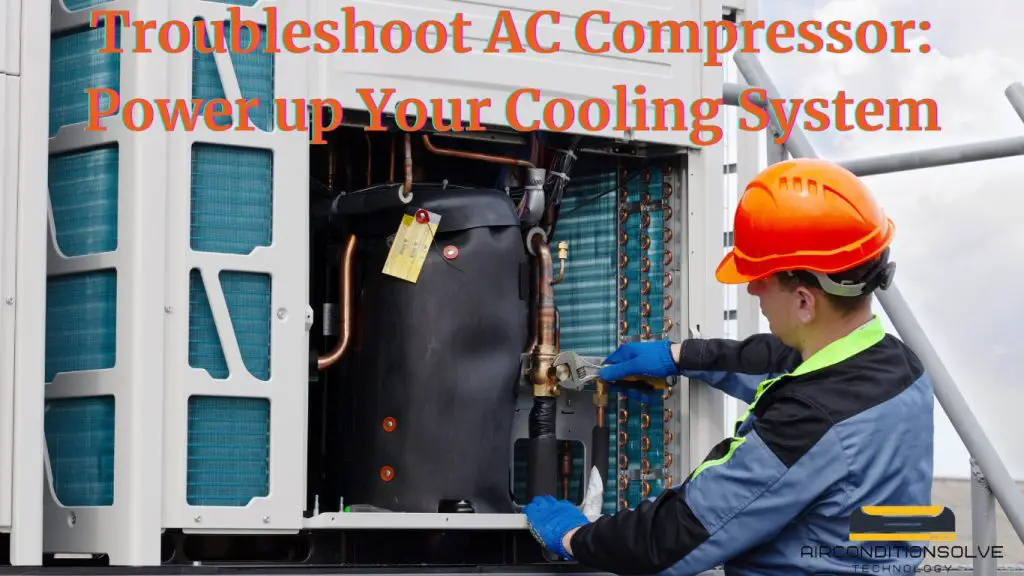
The compressor is a vital part of your A/C. It helps circulate refrigerant. If it is not working, the A/C may not cool. This can be a costly repair. A professional may need to check it. For more on this, see our guide on goodman heat pump not blowing cold air.
Signs Your A/C Needs Help
How do you know if your A/C needs repair? Look for these signs:
Warm air instead of cool air
Strange noises when the A/C runs
High energy bills
Water pooling around the A/C unit
Frequent cycling on and off
Quick Fixes to Try
Before calling a professional, try these simple fixes:
Check The Thermostat
Make sure the thermostat is set correctly. Set it lower than the room temperature. If it is not working, replace the batteries.
Replace Air Filters
Check the air filter. If it is dirty, replace it. Clean filters help air flow. This can help cool your home.
Clear The Condenser Unit
Check the outdoor unit. Remove any dirt or debris. Make sure there is at least two feet of clear space around it. This helps it work better. For more on this, see our guide on mini split ac not blowing cold air 2.
Inspect Ducts
Look for any visible damage in the air ducts. If ducts are blocked or leaking, it can cause issues. Sealing leaks can improve airflow.
 Thermostat display showing cool setting
When to Call a Professional
Sometimes, you need help from a professional. Call an expert if:
You cannot find the problem
The A/C is still not cooling
You see ice on the coils
You hear strange noises
Preventive Maintenance Tips
To keep your A/C working well, follow these tips:
Regular Filter Changes
Change your air filter every one to three months. This helps keep the air clean. It also helps the A/C run better.
Annual Professional Check-ups
Have a professional check your A/C once a year. They can find small problems before they become big. This keeps your A/C running smoothly. For more on this, see our guide on my mini split is not blowing cold air.
Keep The Area Clean
Keep the area around your outdoor unit clean. Trim any plants or bushes. This helps air flow and keeps the unit cool.
Seal Ductwork
Check for leaks in the ductwork. Sealing them can improve air flow. This helps your A/C work efficiently.
Seasonal Maintenance Checklist
A concise checklist helps you stay on track each season. Follow these steps at the start of summer and again before winter to keep performance steady:
- Verify thermostat calibration and replace batteries if needed
- Replace or clean the air filter (see the year‑round upkeep schedule for timing)
- Clear debris from the condenser coil and ensure two‑foot clearance
- Inspect refrigerant lines for oil stains that may indicate a leak
- Check duct connections for visible gaps and seal with mastic or foil tape
- Test system airflow with a handheld anemometer; aim for 350–450 CFM per ton
- Schedule a professional tune‑up if any reading falls outside spec
For deeper guidance, the U.S. Department of Energy guidance on air‑conditioner efficiency outlines seasonal best practices.
Understanding A/C Components
To better understand how your A/C works, let's look at its main parts:
Component Function
Thermostat Controls the temperature
Compressor Pumps refrigerant through the system
Condenser Releases heat outside
Evaporator Coils Absorbs heat from inside
Ductwork Distributes cool air in the home
Choosing the Right Size AC for Your Home
An undersized unit runs constantly, while an oversized one short‑cycles, both wasting energy and reducing comfort. Proper sizing depends on square footage, insulation, window orientation, and local climate. Use a Manual J load calculation or consult a qualified installer to size the unit correctly. The EPA indoor air quality recommendations for AC systems also stress correct sizing for healthy humidity control. If you’re planning a new central system, review the plan a central system install guide for layout considerations.
DIY vs Professional Repair: Quick Comparison Table
| Task | DIY Feasible | Professional Recommended |
|---|---|---|
| Replace air filter | ✅ | |
| Clean condenser coils | ✅ | |
| Recharge refrigerant | ✅ | |
| Replace compressor | ✅ | |
| Diagnose electrical control board | ✅ | |
| Seal duct leaks (accessible) | ✅ | |
| Perform full system load calc | ✅ |
For issues like refrigerant handling or compressor replacement, the diagnose warm‑air issues article explains why certified technicians are required.
Conclusion
Your air conditioner is important for comfort. If it is not blowing cold air, don’t panic. Check the simple things first. Look at the air filter and thermostat. If these don’t work, consider calling a professional. Regular maintenance can help prevent problems. Keep your home cool and comfortable all summer long.
Keep your system running efficiently — explore our year‑round upkeep schedule for a step‑by‑step plan.
 Portable AC unit showing ice on coils
Frequently Asked Questions (FAQs)
Why Is My A/c Blowing Warm Air?
Warm air can be caused by dirty filters, refrigerant leaks, or thermostat issues.
How Often Should I Change My Air Filter?
Change your air filter every one to three months.
Can I Fix My A/c Myself?
You can try simple fixes. For complex issues, call a professional.
What Should I Do If My A/c Freezes Up?
Turn it off and let it thaw. Check for airflow issues.
How Can I Improve My A/c Efficiency?
Regular maintenance and cleaning can improve efficiency.
What Size AC Do I Need for My Home?
Proper sizing requires a Manual J load calculation that accounts for square footage, insulation, windows, and climate. An HVAC professional can perform this assessment.
How Do I Know If My Refrigerant Is Low?
Low refrigerant often shows as reduced cooling, ice on the evaporator coil, or a hissing sound near the lines. Only a certified technician can measure pressure and recharge safely.
Can a Smart Thermostat Improve Cooling Performance?
Yes. Smart thermostats optimize run‑times, learn occupancy patterns, and can integrate with humidity sensors to maintain comfort while lowering energy use.