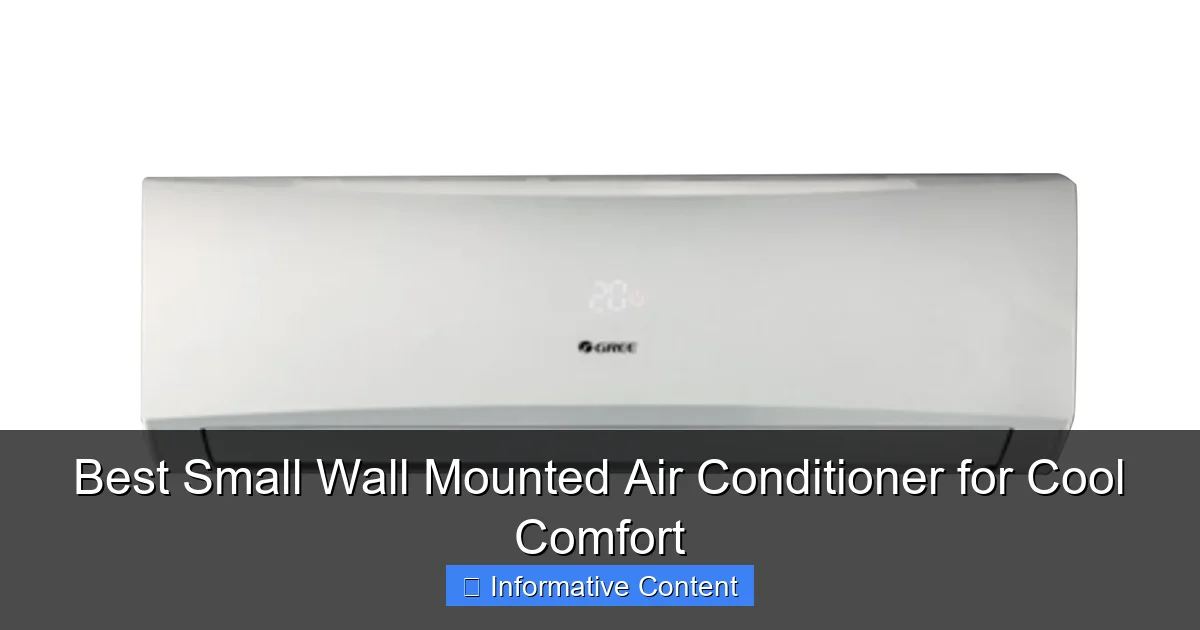
Featured image for how do wall air conditioners work
Image source: 3.bp.blogspot.com
Wall air conditioners work by drawing in warm room air, passing it over cold evaporator coils to remove heat and humidity, and then blowing the cooled air back into the space. This self-contained system, installed directly into a wall or window frame, uses a refrigeration cycle involving a compressor, condenser, and expansion valve to maintain efficient cooling. Designed for single-room use, they offer a permanent, energy-efficient solution without the need for ductwork, making them ideal for targeted climate control.
Key Takeaways
- Wall ACs cool rooms by extracting heat and recirculating chilled air efficiently.
- Proper sizing ensures optimal performance—match BTU to room square footage.
- Seal gaps around units to prevent energy loss and boost efficiency.
- Clean filters monthly to maintain airflow and reduce strain on the system.
- Use programmable settings to save energy and customize cooling schedules.
- Ventilation is key— ensure outdoor exhaust airflow is unobstructed for peak operation.
📑 Table of Contents
- The Cool Truth Behind Wall Air Conditioners
- How Do Wall Air Conditioners Work? The Core Mechanics
- Wall AC vs. Other Cooling Systems: What Sets Them Apart?
- Energy Efficiency and BTU: Matching the Right Unit to Your Space
- Installation and Maintenance: Keeping Your Wall AC Running Smoothly
- Smart Features and Modern Innovations
- Conclusion: Are Wall Air Conditioners Right for You?
The Cool Truth Behind Wall Air Conditioners
Remember that sweltering summer afternoon when the air felt thick enough to chew? You probably cranked up the AC and sighed in relief as cool air rushed out. But have you ever stopped to wonder: how do wall air conditioners work? Unlike central AC systems or portable units, wall air conditioners—often called through-the-wall or wall-mounted units—have a unique setup that makes them a favorite for apartments, rooms, and spaces where central cooling isn’t an option. They’re sleek, efficient, and often more powerful than their window-mounted cousins.
Wall air conditioners are a game-changer for anyone who wants consistent, targeted cooling without the hassle of ductwork or the clutter of a portable unit. But how do they actually pull heat from your room and send it outside? And more importantly, are they the right choice for your home? In this guide, we’ll dive into the mechanics, benefits, and quirks of wall ACs. Whether you’re a curious homeowner, a renter trying to beat the heat, or just someone who loves knowing how things work, you’re in the right place. Let’s break down the science and the real-world performance behind these compact cooling powerhouses.
How Do Wall Air Conditioners Work? The Core Mechanics
At first glance, a wall air conditioner might look like a box shoved into your wall. But inside, it’s a well-orchestrated system that moves heat from your room to the outside world. Understanding how this works starts with the refrigeration cycle—a process that’s the backbone of most modern cooling systems, from fridges to ACs.

Visual guide about how do wall air conditioners work
Image source: 4.bp.blogspot.com
The Refrigeration Cycle: The Heart of Cooling
Imagine a looped racetrack where a special fluid—called refrigerant—zips around, absorbing heat and releasing it. Here’s how it works in a wall AC:
- Step 1: Evaporation (Cooling Inside) – The refrigerant enters the indoor coil as a cold, low-pressure liquid. As warm air from your room blows over this coil, the refrigerant absorbs the heat and evaporates into a gas. This is why the air coming out of the AC feels cool.
- Step 2: Compression (Pumping It Up) – The now-warm gas travels to the compressor, which squeezes it, raising both its temperature and pressure. Think of it like pumping air into a bike tire—it gets hot.
- Step 3: Condensation (Releasing Heat Outside) – The hot, high-pressure gas moves to the outdoor coil. Here, a fan blows outside air over the coil, causing the refrigerant to release its heat and condense back into a liquid.
- Step 4: Expansion (Back to Cold) – The liquid refrigerant passes through an expansion valve, which drops its pressure and temperature dramatically. Now it’s ready to absorb heat again, and the cycle repeats.
<
This continuous loop is what makes wall air conditioners so effective. The magic isn’t in creating cold air—it’s in removing heat from your space.
Dual-Fan System: One for Inside, One for Outside
Wall ACs use two fans to keep the cycle going:
- The indoor fan pulls warm room air across the cold evaporator coil, cooling it, then blows it back into your room.
- The outdoor fan blows outside air over the hot condenser coil, helping the refrigerant release heat to the environment.
This separation is key. Because the unit is installed through the wall, it can access both indoor and outdoor air without needing a window or ductwork. It’s like having a dedicated heat shuttle built into your wall.
Real-World Example: A Hot Bedroom at 90°F
Let’s say your bedroom hits 90°F (32°C) by midday. You turn on your 10,000 BTU wall AC. Within minutes, the indoor fan starts pulling hot air across the cold evaporator coil. The refrigerant inside the coil absorbs the heat, turning into a gas. That gas is compressed, sent outside, and cooled down by the outdoor fan. The cooled refrigerant returns inside, and the cycle repeats. In about 20–30 minutes, your room drops to a comfortable 72°F (22°C). The wall AC didn’t “make” cold air—it just moved the heat outside, one BTU at a time.
Wall AC vs. Other Cooling Systems: What Sets Them Apart?
Not all air conditioners are created equal. To truly appreciate how wall air conditioners work, it helps to compare them to other common systems: window units, portable ACs, and central HVAC.
Wall AC vs. Window Air Conditioners
At first glance, wall and window ACs look similar. Both use the same refrigeration cycle and have indoor/outdoor sections. But the differences matter:
- Installation – Wall units are installed through a wall, not in a window. This means they’re more permanent, often flush with the wall, and don’t block your view.
- Airflow & Efficiency – Wall ACs usually have better insulation and less air leakage than window units, which can have gaps around the frame. This means better cooling efficiency and lower energy bills.
- Noise – Because the compressor and outdoor fan are farther from your window, wall ACs tend to be quieter indoors. No more rattling or vibration through the glass.
Pro Tip: If you rent, check with your landlord before installing a wall AC. Unlike window units, they require permanent modifications to the wall.
Wall AC vs. Portable Air Conditioners
Portable ACs are the “plug-and-play” option—great for renters. But they have a major flaw: they vent heat through a hose that must be placed in a window. This creates a few problems:
- Heat Recirculation – The exhaust hose often lets some hot air back into the room, reducing efficiency.
- Space Hog – They take up floor space and require a window nearby.
- Lower BTU per Watt – Portable units are generally less energy-efficient than wall ACs of the same BTU rating.
Wall ACs, by contrast, vent heat directly outside through the wall. No hoses, no floor clutter, and better cooling per watt. If you have a dedicated space (like a home office or bedroom), a wall unit is often the smarter long-term choice.
Wall AC vs. Central Air Conditioning
Central AC cools your whole house using ducts and a central unit. Wall ACs are the opposite: they cool one room at a time. But this “zoning” has big advantages:
- Energy Efficiency – Why cool the whole house if you’re only using one room? Wall ACs let you target cooling where it’s needed, saving energy.
- No Duct Loss – Central systems lose up to 30% of cooled air through leaky ducts. Wall ACs deliver air directly, with no losses.
- Lower Upfront Cost – Installing central AC can cost thousands. A wall unit? Often under $500, including installation.
But there’s a trade-off: wall ACs aren’t ideal for whole-house cooling. They’re best for rooms 300–600 sq. ft. or as supplemental cooling in a large home.
Energy Efficiency and BTU: Matching the Right Unit to Your Space
Not all wall air conditioners are equally efficient. Choosing the right one depends on two key factors: BTU (British Thermal Units) and Energy Efficiency Ratio (EER).
What Is BTU and Why Does It Matter?
BTU measures how much heat an AC can remove per hour. The higher the BTU, the more powerful the cooling. But bigger isn’t always better. An oversized unit will cool too fast, then turn off, leaving the room humid and uncomfortable. An undersized unit will run constantly, struggling to keep up.
Here’s a simple guide to match BTU to room size:
- 150–350 sq. ft. → 5,000–6,000 BTU
- 350–550 sq. ft. → 7,000–8,000 BTU
- 550–700 sq. ft. → 9,000–10,000 BTU
- 700–1,000 sq. ft. → 12,000 BTU
Adjust for these factors:
- Sun Exposure – Add 10% BTU if the room gets direct sunlight.
- Kitchen Use – Add 4,000 BTU for a kitchen (heat from cooking).
- Ceiling Height – Rooms over 8 feet high may need a higher BTU.
Energy Efficiency Ratio (EER): The Real Cost of Cooling
EER tells you how efficiently an AC uses electricity. It’s calculated as: BTU per hour ÷ watts used. A higher EER means more cooling per dollar.
For example:
- AC A: 10,000 BTU, 1,000 watts → EER = 10
- AC B: 10,000 BTU, 800 watts → EER = 12.5
AC B uses 20% less energy for the same cooling. Over a summer, that could save you $20–$40 in electricity.
Pro Tip: Look for ENERGY STAR-certified wall ACs. They meet strict efficiency standards and often have EERs of 10+.
Data Table: Wall AC Efficiency Comparison (Sample Models)
| Model | BTU | EER | Est. Annual Cost (8 hrs/day) | Best For |
|---|---|---|---|---|
| Frigidaire FHWW083WB1 | 8,000 | 11.2 | $85 | Bedrooms, 400 sq. ft. |
| LG LW1019IVSM | 10,000 | 12.0 | $92 | Large rooms, 600 sq. ft. |
| Keystone KSTAT10-2C | 10,000 | 9.8 | $115 | Budget option (less efficient) |
| Friedrich Kuhl SQ08N10A | 8,000 | 12.5 | $78 | Energy-conscious users |
Note: Estimated annual cost based on $0.15/kWh. Actual costs vary by location and usage.
Installation and Maintenance: Keeping Your Wall AC Running Smoothly
Installing a wall air conditioner isn’t as simple as plugging in a lamp. But with the right prep, it’s a manageable DIY project—or a job for a pro.
Installation: What You Need to Know
Most wall ACs come in a “sleeve” that’s mounted in the wall. Here’s the process:
- Step 1: Choose the Right Wall – Pick an exterior wall with access to outside. Avoid walls with plumbing, electrical, or structural beams.
- Step 2: Cut the Opening – Use a saw to cut a hole slightly larger than the sleeve. Most units need a 24–26 inch wide, 16–18 inch tall opening.
- Step 3: Install the Sleeve – Insert the metal sleeve, secure it with screws, and insulate gaps to prevent air leaks.
- Step 4: Mount the Unit – Slide the AC into the sleeve, connect the power, and secure it with screws.
- Step 5: Seal and Insulate – Use foam or caulk to seal gaps around the sleeve. This keeps hot air from sneaking in.
Pro Tip: If you’re not comfortable with wall cutting, hire a handyman. A pro can install most wall ACs in 2–4 hours for $200–$400.
Maintenance: The Key to Longevity
A well-maintained wall AC can last 10–15 years. Neglect it, and you’ll face breakdowns, higher bills, and poor performance. Here’s what to do:
- Clean the Air Filter Monthly – A clogged filter reduces airflow and efficiency. Most filters are washable—rinse with water and let dry.
- Check the Coils Annually – Dust and dirt on the evaporator or condenser coils insulate them, making the AC work harder. Use a soft brush or vacuum to clean.
- Clear the Drain Pan – Condensation collects in a pan inside the unit. If it clogs, water can leak. Wipe it clean each season.
- Inspect the Exterior – Make sure the outdoor section isn’t blocked by leaves, debris, or snow. Clear a 2-foot radius around it.
Real-World Example: My neighbor ignored his wall AC’s filter for a year. By summer, it was blowing warm air. We cleaned the filter and coils—within an hour, it was cooling like new. A $0 fix saved him $300 in repairs.
Smart Features and Modern Innovations
Wall air conditioners aren’t stuck in the 1980s. Today’s models come with tech that makes cooling smarter, quieter, and more efficient.
Smart Controls: Cooling at Your Fingertips
Many modern wall ACs have Wi-Fi, letting you control them with a smartphone app or voice assistant (Alexa, Google Home). Features include:
- Remote On/Off – Turn on the AC before you get home so it’s cool when you walk in.
- Scheduling – Set it to run only during peak hours or when you’re home.
- Energy Monitoring – Track usage and adjust settings to save money.
Example: The LG LW1019IVSM has a “SmartThinQ” app. You can set a 7-day schedule, get filter-clean reminders, and even receive error alerts if something’s wrong.
Inverter Technology: The Future of Efficiency
Older ACs use “on/off” compressors—they run at full power, then shut off. Inverter models use variable-speed compressors that adjust output based on need. Benefits:
- Lower Energy Use – No sudden power spikes when starting up.
- Quieter Operation – The compressor ramps up slowly, not with a loud “clunk.”
- Consistent Temperature – No hot/cold swings—just steady, even cooling.
Units with inverter tech often have EERs of 12+ and can save 20–30% on energy vs. non-inverter models.
Noise Reduction and Air Quality
Modern wall ACs are quieter than ever. Many now have:
- Ultra-Quiet Modes – As low as 45–50 dB (about as loud as a refrigerator).
- Air Purification – Some include HEPA or activated carbon filters to remove dust, pollen, and odors.
- Dehumidify Mode – Reduces humidity without overcooling—perfect for muggy climates.
These features make wall ACs not just coolers, but all-around air quality improvers.
Conclusion: Are Wall Air Conditioners Right for You?
So, how do wall air conditioners work? They use a clever refrigeration cycle to move heat from inside to outside, powered by a dual-fan system and sealed into your wall for efficiency. They’re not magic—but they’re close to it when you’re sweating through a summer heatwave.
Wall ACs shine when you want targeted, energy-efficient cooling for a single room. They’re quieter, more efficient, and more powerful than window or portable units. With smart features, inverter tech, and low maintenance needs, they’re a smart long-term investment.
But they’re not perfect. Installation requires permanent changes to your wall, and they’re not ideal for whole-house cooling. If you’re a renter, check with your landlord. If you’re a homeowner with a large space, consider pairing a wall AC with other systems.
The bottom line? If you’re tired of noisy, inefficient cooling and want a sleek, reliable way to beat the heat, a wall air conditioner might be your summer savior. Just pick the right BTU, prioritize EER, and keep it clean. With a little care, your wall AC will keep you cool for years—no ductwork, no hassle, just comfort, one BTU at a time.
Frequently Asked Questions
How do wall air conditioners work to cool a room?
Wall air conditioners work by drawing in warm air from the room, passing it over cold evaporator coils filled with refrigerant, and then blowing the cooled air back into the space. The refrigerant absorbs heat from the indoor air and carries it outside through the unit’s exhaust system.
What makes wall-mounted air conditioners energy efficient?
Wall-mounted air conditioners are energy efficient because they are designed to cool specific zones without wasting energy on unoccupied areas. Many models feature programmable thermostats, inverter technology, and high SEER ratings, which help reduce electricity usage while maintaining comfort.
Can wall air conditioners also provide heat?
Yes, many wall air conditioners come with a heat pump function, allowing them to reverse the refrigeration cycle and provide heating during colder months. These units are often called “wall-mounted heat pumps” or “ductless mini-splits” and offer year-round climate control.
How is a wall air conditioner different from a window unit?
Wall air conditioners are installed directly into a wall sleeve, offering a more permanent and secure fit compared to window units that sit in an open window. This installation method reduces air leaks and improves overall cooling efficiency, especially in homes without suitable window space.
Do wall air conditioners require professional installation?
Yes, installing a wall air conditioner typically requires professional help to cut the wall opening, secure the sleeve, and ensure proper electrical connections. Professional installation ensures safety, optimal performance, and compliance with building codes.
How do you maintain a wall air conditioner for best performance?
Regular maintenance includes cleaning or replacing the air filter monthly, clearing debris from the outdoor unit, and checking for refrigerant leaks. Proper upkeep ensures efficient operation, extends the unit’s lifespan, and maintains indoor air quality.