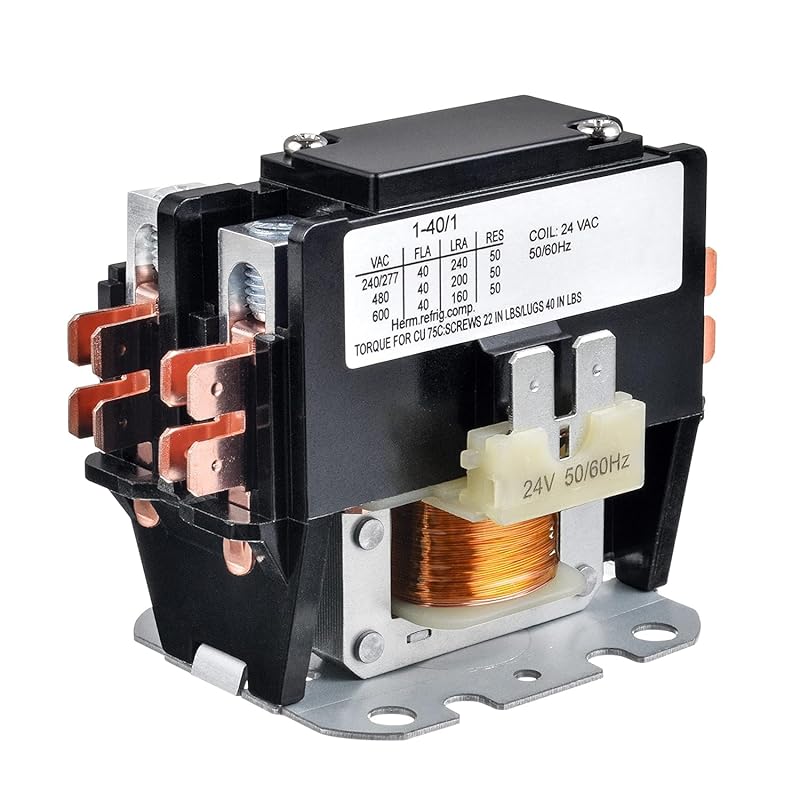
Replacing a Carrier home air-conditioner compressor can cost between $1,200 and $3,000, depending on the model, refrigerant type, and installation complexity. DIY isn’t recommended due to safety risks and technical requirements, so hiring a licensed HVAC technician is usually the best choice. Understanding the full scope of costs helps you plan ahead and avoid unexpected expenses.
Key Takeaways
- Typical Cost Range: Replacing a Carrier AC compressor usually costs between $1,200 and $3,000, including parts and labor.
- DIY Not Advised: Compressor replacement involves high-voltage wiring and refrigerants—best left to certified professionals.
- Older Models May Need Full Unit Replacement: If your system is over 10–15 years old, investing in a new unit may be more cost-effective than just replacing the compressor.
- Refrigerant Type Matters: Systems using R-410A are standard; R-22 units (pre-2010) require special handling and are harder to service.
- Warranty & Rebates Available: Check if your compressor is under warranty or if utility rebates apply for energy-efficient upgrades.
- Preventive Maintenance Saves Money: Regular servicing can extend compressor life and delay the need for costly replacements.
- Get Multiple Quotes: Always compare at least three estimates from licensed HVAC contractors to ensure fair pricing.
Quick Answers to Common Questions
How long does a Carrier AC compressor typically last?
Most Carrier compressors last 10–15 years under normal conditions. Proper maintenance can extend this lifespan significantly.
Can I replace my AC compressor myself?
No—compressor work involves high-voltage wiring and regulated refrigerants. DIY attempts risk injury, void warranties, and violate environmental laws.
Is it cheaper to repair or replace a failing compressor?
It depends on your unit’s age and condition. For systems over 12 years old, full replacement is often wiser than partial fixes.
Does insurance cover AC compressor replacement?
Homeowners insurance rarely covers normal wear-and-tear. However, storm-related damage might qualify—check your policy details.
What’s the difference between a scroll and reciprocating compressor?
Scroll compressors are quieter, more efficient, and last longer than reciprocating types, which tend to vibrate more and wear faster.
📑 Table of Contents
- Understanding Your Carrier Air Conditioner: Why the Compressor Matters
- How Much Does It Really Cost to Replace a Carrier AC Compressor?
- When Should You Actually Replace the Compressor?
- Choosing Between Repair, Compressor Replacement, or New Unit
- Tips to Save Money During Your Compressor Replacement
- What Happens During a Professional Compressor Replacement?
- Warranty Coverage: Will It Cover the Replacement?
- Environmental & Safety Considerations
Understanding Your Carrier Air Conditioner: Why the Compressor Matters
If you own a Carrier home air conditioner, you’re likely familiar with how vital this appliance is during hot summer months. But have you ever stopped to think about what keeps it running smoothly? That’s where the compressor comes in—the heart of your HVAC system. Without it, your air conditioner simply won’t cool your home.
The compressor is responsible for circulating refrigerant throughout the system, compressing it to increase its temperature and pressure. This process enables heat to be expelled outside while cool air flows into your living spaces. When the compressor fails, your AC stops working altogether—or worse, starts blowing warm air. Recognizing the signs early can help you avoid emergency breakdowns and expensive repairs.
How Much Does It Really Cost to Replace a Carrier AC Compressor?
One of the most common questions homeowners ask is: “How much does it cost to replace a Carrier home air conditioner compressor?” The answer isn’t one-size-fits-all. Several factors influence the final price, including the age of your unit, the type of refrigerant used, and whether you need additional repairs or upgrades.
Parts vs. Labor: Breaking Down the Costs
The average cost to replace a Carrier AC compressor typically falls between $1,200 and $3,000. Here’s how that breaks down:
- Compressor Unit: $600–$1,800, depending on whether it’s a standard scroll or reciprocating model.
- Labor Charges: $400–$1,200, based on hourly rates ($75–$150/hour) and job complexity.
- Additional Parts: Capacitors, contactors, or wiring may add $100–$300.
- Refrigerant Handling: If your system needs recharging, expect another $150–$400.
For example, a mid-range Carrier 3-ton central air conditioner with a failing scroll compressor might run around $2,200 total—including parts, labor, and refrigerant refill.
Age of Your System: A Major Cost Factor
Your air conditioner’s age plays a huge role in replacement decisions. Most experts agree that systems older than 10–15 years are nearing the end of their lifespan. In such cases, replacing only the compressor may not be worth it—especially since other components like coils, fans, and electrical boards often wear out alongside the compressor.
Consider this real-world scenario: Maria owns a 1998 Carrier furnace-cooled combo unit. Her compressor died last month. After getting quotes, she learned that fixing just the compressor would cost $2,100, but installing a brand-new ENERGY STAR® model with a 16 SEER rating would cost $4,500—and come with a 10-year warranty. Given rising electricity bills and frequent repairs, Maria opted for the full upgrade. Over five years, she saved an estimated $800 in energy costs alone.
When Should You Actually Replace the Compressor?
Not every strange noise or warm airflow means your compressor has failed. But certain warning signs indicate it’s time to act:
Common Symptoms of Compressor Failure
- AC Blowing Warm Air: The most obvious sign—your thermostat says 72°F, but rooms stay at 80°F+.
- Tripped Circuit Breaker: Frequent breaker trips suggest electrical issues within the compressor circuit.
- Loud Grinding or Clicking Sounds: Unusual noises often point to internal mechanical failure.
- Excessive Oil Leaks: Refrigerant leaks near the compressor housing signal seal or valve damage.
- High Electric Bills: A sudden spike in usage despite consistent settings may mean the compressor works harder than usual.
If you notice any of these, schedule a diagnostic check immediately. Delaying could lead to complete system failure or secondary damage to other components.
Diagnostic Process Before Replacement
A qualified technician will first perform a thorough inspection before recommending a compressor replacement. They’ll check:
- Electrical continuity and voltage levels
- Refrigerant charge and pressure readings
- Capacitor functionality
- Coil cleanliness and airflow restrictions
This step-by-step evaluation ensures you’re not spending money unnecessarily. Sometimes, cleaning coils or replacing a faulty capacitor resolves the issue without touching the compressor.
Choosing Between Repair, Compressor Replacement, or New Unit
Once you confirm the compressor is bad, you face a decision: fix just that part, replace the entire unit, or explore alternatives like heat pumps?
Option 1: Replace Only the Compressor
This makes sense if:
- Your system is less than 10 years old
- All other components are in good condition
- You’re under a manufacturer warranty
However, even with a fresh compressor, older systems lose efficiency over time. You might see diminishing returns on performance and reliability.
Option 2: Install a Brand-New Carrier AC Unit
Modern Carrier models offer superior SEER ratings (up to 26!), smart thermostats compatibility, and quieter operation. While the upfront cost is higher, long-term savings on energy and maintenance often justify it. Plus, many utility companies offer rebates for high-efficiency units.
Option 3: Consider a Heat Pump Alternative
In milder climates, a Carrier heat pump provides both heating and cooling in one efficient package. These systems use less electricity year-round compared to traditional furnaces + AC combos.
Tips to Save Money During Your Compressor Replacement
Nobody wants to break the bank when their family needs cooling now. Here are practical ways to reduce costs without sacrificing quality:
Bargain Wisely: Getting Fair Pricing
- Request Detailed Estimates: Ask for itemized quotes showing parts, labor, permits, and disposal fees.
- Compare At Least Three Contractors: Avoid the cheapest bid—look for licensed, insured pros with good reviews.
- Ask About Financing Options: Many HVAC companies partner with credit programs offering 0% APR for qualified buyers.
- Check for Manufacturer Promotions: Carrier occasionally runs limited-time offers on compressors or full-system installations.
Energy Efficiency Upgrades Pay Off
Upgrading to a higher SEER-rated unit (14 SEER → 18 SEER) can lower monthly bills by 20–30%. For instance, switching from a 10-year-old 10 SEER system to a 16 SEER Carrier model could save you roughly $150 annually on cooling costs.
Maintenance = Prevention
Simple tasks like changing filters every 60 days, keeping outdoor units clear of debris, and scheduling annual tune-ups can add 5–7 years to your compressor’s life. Think of it as investing in longevity instead of reactive spending.
What Happens During a Professional Compressor Replacement?
Curious about what technicians actually do? Here’s a behind-the-scenes look at the process:
Step-by-Step Installation Process
- System Shutdown & Safety Checks: Technician turns off power and verifies no live circuits remain.
- Refrigerant Recovery: Licensed professional safely extracts existing refrigerant into approved cylinders—never released into the atmosphere.
- Compressor Removal: Old unit disconnected from suction/liquid lines, capacitors, and control board.
- New Compressor Installation: Mounts new compressor, seals all connections with flare nuts or solder.
- Vacuum & Recharge: Evacuates moisture and air from lines, then refills with correct refrigerant charge.
- Test Run & Calibration: Powers up system, checks pressures, temperatures, and airflow before handing over to customer.
This entire procedure takes 4–8 hours depending on access and complexity. Never attempt it yourself—working with refrigerants requires EPA Section 608 certification and specialized tools.
Warranty Coverage: Will It Cover the Replacement?
Carrier offers robust warranties, but coverage varies by product line and purchase date. Standard compressors typically carry:
- 5-Year Limited Warranty: On original equipment compressors (parts only)
- 10-Year Extended Warranty: Available through optional Protection Agreements
- Lifetime Compressor Warranty: On select Infinity® Series models (with registration)
If your compressor fails within warranty period and isn’t due to improper maintenance, the manufacturer may cover 100% of parts and labor. Always keep proof of purchase and service records handy.
Environmental & Safety Considerations
Handling refrigerants isn’t just about cost—it’s regulated by federal law. Improper recovery can result in fines up to $37,500 per violation. Certified technicians follow strict protocols to protect both people and the planet.
Additionally, newer Carrier units use R-410A refrigerant, which doesn’t deplete ozone like older R-22 systems. This makes them safer for environmental compliance and easier to service moving forward.
Frequently Asked Questions
How much does it cost to replace a Carrier air conditioner compressor?
The typical cost ranges from $1,200 to $3,000, including parts, labor, and refrigerant handling. Prices vary based on model, age, and local market rates.
Should I replace just the compressor or the whole AC unit?
If your system is under 10 years old and other components are healthy, compressor-only replacement may suffice. Otherwise, a new unit offers better efficiency and reliability.
Are there any rebates for upgrading my Carrier AC compressor?
Yes—many utility companies offer rebates for high-efficiency Carrier units. Check your local energy provider’s website for current incentives.
What causes Carrier AC compressors to fail prematurely?
Common culprits include dirty coils, low refrigerant levels, inadequate airflow, or power surges. Regular maintenance prevents most issues.
How often should I service my Carrier air conditioner?
We recommend professional maintenance twice a year—once before peak cooling season and once before heating season.
Can a failing compressor cause other problems in my HVAC system?
Absolutely. A compromised compressor can strain coils, blow capacitors, and reduce overall system performance, leading to higher energy bills and secondary failures.