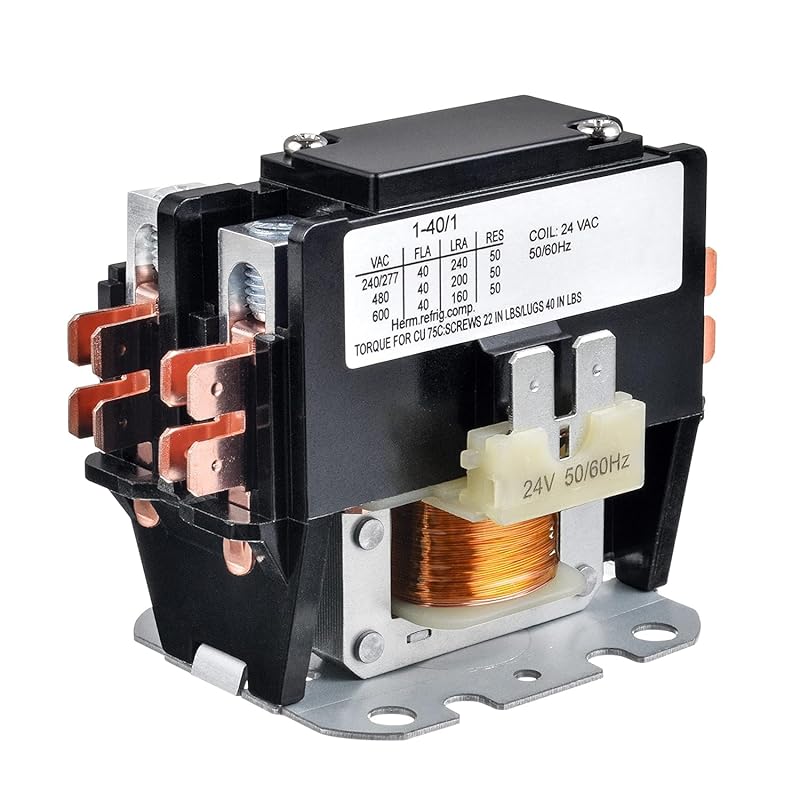
The cost of a compressor for a Carrier air conditioner can range from $500 to $2,000+, depending on whether you’re repairing or replacing the unit. This critical component powers your AC system and affects both performance and energy efficiency. Understanding pricing helps homeowners make smart decisions during repairs or upgrades.
Key Takeaways
- Compressor Cost Range: Expect to pay between $500 and $2,000 for a new Carrier compressor, not including installation labor.
- Repair vs. Replacement: Minor issues may only require a refrigerant charge, while major damage often demands full compressor replacement.
- DIY Savings Potential: Replacing a compressor yourself can save up to $1,000 in labor costs, but it requires technical skill and safety precautions.
- Energy Efficiency Matters: Newer compressors improve efficiency, potentially lowering monthly electricity bills by 10–20%.
- Warranty Impact: Using non-OEM parts may void your Carrier warranty, so always verify compatibility and coverage.
- Timing Affects Price: Peak summer demand can increase prices, so consider off-season purchases for better deals.
- Professional Installation: Hiring an HVAC technician ensures proper setup, refrigerant handling, and adherence to local regulations.
Quick Answers to Common Questions
How much does a compressor cost for a Carrier air conditioner?
On average, a Carrier air conditioner compressor costs between $500 and $2,000, depending on the type and model. Scroll compressors are typically more expensive than reciprocating types, and labor adds another $500–$1,500.
Can I replace my Carrier compressor myself?
It’s possible, but not recommended unless you’re a trained HVAC technician. Improper handling can damage the system, expose you to refrigerant, and void warranties. Most experts advise hiring a professional.
Is it cheaper to repair or replace a Carrier compressor?
Minor issues like low refrigerant may only cost $200–$400 to fix. But if the compressor is damaged beyond repair, replacement is usually more cost-effective than repeated repairs, especially for older units.
Do I need an OEM compressor for my Carrier system?
Yes, ideally. OEM compressors are designed specifically for your model and come with warranty support. Aftermarket parts may save money but risk incompatibility and reduced reliability.
How long should a Carrier compressor last?
With proper maintenance, a Carrier compressor typically lasts 15–20 years. Factors like refrigerant quality, electrical stability, and environmental conditions can affect lifespan.
📑 Table of Contents
- Understanding the Heart of Your Carrier Air Conditioner: The Compressor
- What Is a Compressor and Why Does It Matter?
- Average Cost of a Compressor for Carrier Air Conditioner
- Signs Your Carrier Compressor Needs Attention
- DIY vs. Professional Replacement: Pros and Cons
- How to Save Money on Compressor Replacement
- Choosing the Right Compressor for Your Carrier Unit
- Environmental and Regulatory Notes
- Long-Term Tips to Protect Your Compressor
- Conclusion: Making Smart Decisions About Your Carrier Compressor
Understanding the Heart of Your Carrier Air Conditioner: The Compressor
If you’ve ever wondered what makes your Carrier air conditioner blow cold air, you’re looking at the compressor. Often called the “heart” of the system, the compressor is responsible for pressurizing the refrigerant, which then circulates through your home, absorbing heat and releasing it outside. Without a properly functioning compressor, your air conditioning unit simply won’t work—no matter how clean the filters are or how well the thermostat is calibrated.
Carrier has long been recognized as a leader in HVAC innovation, and their air conditioners are built with high-quality components, including durable compressors designed to last 15–20 years under normal use. However, like any mechanical part, compressors can fail due to age, lack of maintenance, electrical issues, or refrigerant problems. When this happens, understanding the cost of compressor for Carrier air conditioner becomes essential for homeowners trying to balance budget and comfort.
In this comprehensive guide, we’ll walk you through everything you need to know about Carrier air conditioner compressors—from identifying signs of failure to estimating repair and replacement costs, choosing the right model, and saving money along the way. Whether you’re planning a DIY fix or hiring a pro, this article will help you make informed decisions and avoid costly mistakes.
What Is a Compressor and Why Does It Matter?
The Role of the Compressor in Cooling
The compressor is the powerhouse of your air conditioning system. It draws in low-pressure, low-temperature refrigerant gas from the evaporator coil and compresses it into a high-pressure, high-temperature gas. This process raises the refrigerant’s temperature above the outdoor ambient level, allowing it to release heat through the condenser coil—essentially expelling warm air from your home.
Visual guide about Cost of Compressor for Carrier Air Conditioner
Image source: flowerillust.com
This cycle is repeated continuously, pulling heat from inside your house and pushing it outside. The entire process relies on the compressor’s ability to maintain consistent pressure and flow. Any disruption—such as low refrigerant levels, electrical faults, or mechanical wear—can cause the compressor to overwork, fail prematurely, or shut down entirely.
Why Carrier Uses High-Quality Compressors
Carrier air conditioners are engineered with precision, and the compressor is no exception. Unlike generic units, Carrier systems often use scroll or reciprocating compressors made from durable materials like cast iron and copper. These components are designed to withstand harsh conditions, including extreme temperatures and humidity, making them more reliable than cheaper alternatives.
For example, Carrier’s R-410A compatible systems typically use hermetic compressors that are sealed to prevent refrigerant leaks. This design reduces the risk of contamination and increases longevity. Additionally, many newer Carrier models feature variable-speed compressors that adjust output based on cooling demand, improving efficiency and reducing wear.
Average Cost of a Compressor for Carrier Air Conditioner
Breakdown of Typical Pricing
The cost of compressor for Carrier air conditioner varies significantly based on several factors, including model, size, type (scroll vs. reciprocating), and whether it’s original equipment manufacturer (OEM) or aftermarket. On average, you can expect to pay:
Visual guide about Cost of Compressor for Carrier Air Conditioner
Image source: q1.itc.cn
- Reciprocating Compressor: $600–$1,200
- Scroll Compressor: $900–$1,800
- Variable-Speed Compressor: $1,500–$2,500+
These prices reflect only the compressor itself. Labor costs for installation typically add another $500–$1,500, depending on complexity and location.
Cost Factors Explained
Several variables influence the final price of a Carrier air conditioner compressor:
- Model Compatibility: Not all compressors fit every Carrier unit. You must match the exact model number (found on the existing compressor or unit label).
- Refrigerant Type: Older models use R-22 (now phased out), while newer ones use R-410A. R-410A compressors are more expensive but more efficient.
- Brand vs. Aftermarket: OEM parts cost more but come with warranty and guaranteed compatibility. Aftermarket options may be cheaper but carry higher risk.
- Regional Pricing: Costs vary by state and city due to shipping, taxes, and local market demand.
Example Scenarios
Scenario 1: A homeowner with a Carrier 3-ton central AC unit needs a replacement reciprocating compressor. They order an OEM part priced at $950 and hire a technician who charges $1,200 for labor. Total cost: $2,150.
Scenario 2: A tech-savvy homeowner decides to replace the compressor themselves using a compatible aftermarket scroll compressor ($1,100) and spends $200 on tools and refrigerant. Total cost: $1,300—but only if done correctly.
Signs Your Carrier Compressor Needs Attention
Warning Signs of Compressor Failure
Recognizing early symptoms can save you money and prevent further damage. Watch for these red flags:
- Loud humming or grinding noises coming from the outdoor unit—this often indicates internal mechanical failure.
- Unit cycling on and off frequently, especially if it’s shorter cycles than usual.
- No cool air blowing, even when the thermostat is set correctly.
- Ice buildup on the indoor coils, which can result from restricted airflow or low refrigerant caused by compressor strain.
- Burning smell or visible sparks near the unit, signaling electrical issues.
When to Call a Technician
If you notice any of the above, it’s best to call a licensed HVAC technician. Attempting to diagnose or repair a compressor without proper training can lead to injury, refrigerant exposure, or voiding your warranty. Professionals have the tools to test voltage, check refrigerant levels, and assess capacitor health—all critical to diagnosing compressor problems accurately.
DIY vs. Professional Replacement: Pros and Cons
Can You Replace the Compressor Yourself?
Technically, yes—but it’s risky. Replacing a compressor involves disconnecting refrigerant lines, evacuating the system, soldering components, and recharging with the correct refrigerant charge. Improper handling can contaminate the system, reduce efficiency, or cause another failure.
That said, experienced DIYers with HVAC certification and access to recovery machines can attempt the job. If successful, they could save $1,000–$1,500 in labor fees. However, most professionals recommend leaving this task to certified technicians due to legal and environmental regulations around refrigerant handling.
Benefits of Hiring a Pro
- Safety: Technicians follow EPA guidelines for refrigerant recovery and disposal.
- Warranty Protection: Proper installation maintains your Carrier warranty coverage.
- Efficiency Guarantee: Experts ensure optimal performance and energy savings.
- Diagnostic Tools: Access to advanced equipment for precise troubleshooting.
Most reputable HVAC companies offer service contracts and post-installation inspections, giving you peace of mind.
How to Save Money on Compressor Replacement
Shop During Off-Peak Seasons
HVAC demand peaks in spring and summer, driving up prices. Consider scheduling compressor replacement in fall or winter when contractors are less busy and may offer discounts or flexible payment plans.
Compare Quotes from Multiple Contractors
Always get at least three estimates. Be wary of extremely low bids—they may indicate substandard parts or hidden fees. Ask for detailed breakdowns of labor, parts, and permits.
Consider Refurbished or Remanufactured Units
Some companies sell remanufactured compressors that meet OEM specifications at 30–50% lower cost. Ensure they come with a warranty and are compatible with your model.
Maintain Your System Regularly
Preventive maintenance—such as annual tune-ups, cleaning coils, checking refrigerant levels, and replacing air filters—can extend compressor life by 5–10 years. A well-maintained system also runs more efficiently, reducing wear and tear.
Explore Financing Options
Many HVAC suppliers and contractors partner with financing companies to offer 0% APR plans for major repairs. This spreads the cost over months without interest, making expensive replacements more manageable.
Choosing the Right Compressor for Your Carrier Unit
Matching the Correct Model
Never guess—use the model number printed on your existing compressor or consult your Carrier manual. Cross-reference it with manufacturer catalogs or ask your contractor for confirmation. Mismatched parts can damage your system or cause immediate failure.
Scroll vs. Reciprocating: Which Is Better?
- Scroll Compressors: Quieter, more efficient, longer lifespan. Ideal for modern Carrier systems.
- Reciprocating Compressors: Cheaper upfront, simpler design, but louder and less durable under heavy load.
Most new Carrier units come with scroll compressors. If yours uses a reciprocating type, upgrading during replacement may be worth considering for improved performance.
Warranty Considerations
Using non-OEM parts may void your Carrier warranty unless explicitly approved. Always confirm with your dealer or the manufacturer before purchasing third-party components.
Environmental and Regulatory Notes
Refrigerant Regulations
Due to environmental concerns, R-22 (Freon) was discontinued in new systems in 2010. Systems still using R-22 require special handling and are increasingly expensive to service. Most modern Carrier units use R-410A, which is safer and more efficient.
Proper Disposal of Old Components
Old compressors contain refrigerants that must be recovered and recycled per EPA regulations. Never vent refrigerant into the atmosphere—it’s illegal and harmful to the ozone layer.
Long-Term Tips to Protect Your Compressor
Schedule Annual Maintenance
Have a professional inspect your system once a year. They’ll check refrigerant levels, clean components, lubricate moving parts, and test electrical connections—all key to compressor longevity.
Keep the Area Around Your Unit Clear
Ensure at least 2 feet of clearance around the outdoor unit for proper airflow. Blocked vents cause the compressor to overheat and cycle more frequently.
Install a Surge Protector
Power surges from storms or grid fluctuations can fry sensitive compressor electronics. A whole-house surge protector adds an extra layer of protection.
Monitor Energy Bills
Sudden spikes in electricity usage may signal compressor inefficiency. Track your monthly kWh consumption to catch issues early.
Conclusion: Making Smart Decisions About Your Carrier Compressor
Understanding the cost of compressor for Carrier air conditioner empowers you to take control of your HVAC expenses without sacrificing comfort. While prices can range widely, knowing what drives those costs—and how to navigate them—lets you choose between DIY savings and professional reliability, refurbished parts and brand-new units, and seasonal discounts versus urgent fixes.
Remember: the compressor isn’t just a repair—it’s an investment in your home’s cooling performance, energy efficiency, and overall HVAC health. With proper care, maintenance, and informed decision-making, your Carrier system can deliver years of dependable service.
Whether you’re facing a sudden breakdown or planning ahead, stay proactive, stay informed, and don’t hesitate to consult certified HVAC experts when in doubt.
Frequently Asked Questions
What causes a Carrier air conditioner compressor to fail?
Common causes include low refrigerant levels, electrical surges, dirty coils, blocked airflow, and aging components. Poor maintenance accelerates wear and increases failure risk.
Should I replace the entire AC unit or just the compressor?
If your unit is over 10–15 years old and other components are outdated, replacing the whole system may be more efficient. For newer units, compressor-only replacement is often sufficient and cost-effective.
Are remanufactured compressors safe to use?
Yes, if purchased from a reputable supplier with quality assurance and warranty. Remanufactured compressors are rebuilt to OEM standards and can offer significant savings over new units.
How can I reduce compressor repair costs?
Regular maintenance, timely filter changes, keeping the area around the unit clear, and avoiding short cycling can all help prevent compressor stress and reduce repair frequency.
Does the compressor affect energy bills?
Absolutely. A failing or inefficient compressor forces the system to work harder, increasing electricity consumption by 10–20%. Upgrading to a variable-speed or new compressor improves efficiency and lowers utility costs.
Is refrigerant recovery required when replacing a compressor?
Yes. Federal law requires certified technicians to recover refrigerant from old systems before disposal or reuse. DIY recovery without proper equipment is illegal and environmentally hazardous.