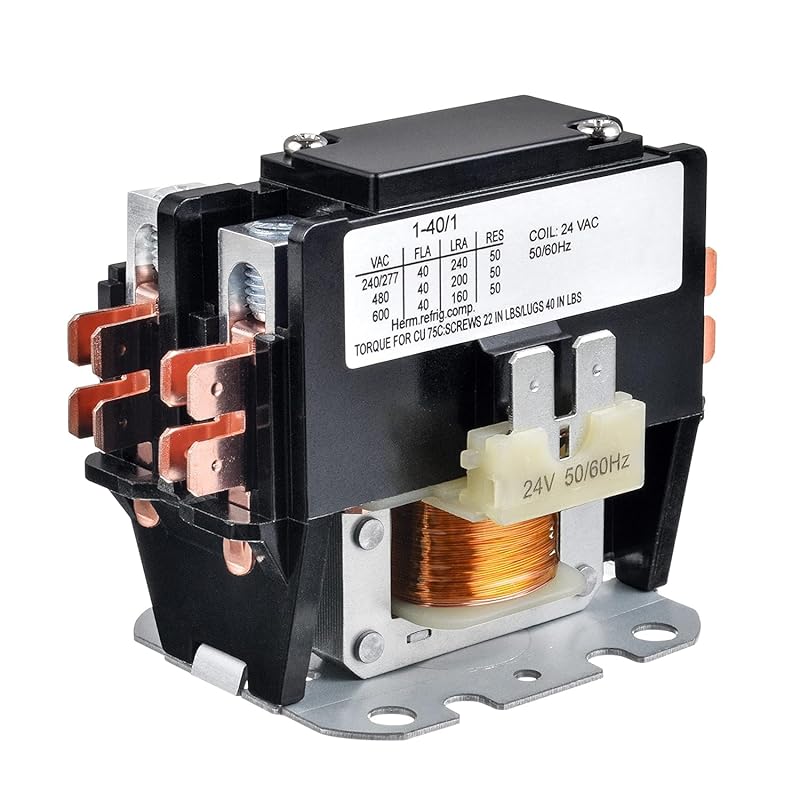
The cost of Carrier Performance Series air conditioner includes more than just the purchase price — it covers energy bills, maintenance, and lifespan. These units offer strong performance and reliability, making them a smart investment for homeowners seeking comfort and value. While the initial cost is higher than entry-level models, their energy efficiency and robust build can save you money over time.
Key Takeaways
- Upfront Cost vs. Long-Term Value: Carrier Performance Series ACs are priced higher than basic models but offer better efficiency and durability, reducing long-term costs.
- Energy Efficiency Matters: With high SEER ratings, these systems cut electricity use, lowering utility bills significantly year-round.
- Installation Costs Vary: Professional installation is recommended and adds to the total cost, especially if ductwork modifications are needed.
- Maintenance Keeps Performance High: Regular servicing extends life and maintains efficiency, protecting your investment.
- Rebates and Incentives Available: Many regions offer tax credits or rebates for efficient HVAC systems, helping offset the initial expense.
- Warranty Adds Peace of Mind: Extended warranties reduce repair costs and cover parts and labor for several years.
- Resale Value Impact: A well-maintained Carrier system can boost your home’s resale value due to brand reputation and reliability.
Quick Answers to Common Questions
How much does a Carrier Performance Series AC cost?
The total cost, including installation, ranges from $3,500 to $5,500 depending on size, location, and system features. Financing and rebates can help reduce out-of-pocket expenses.
Is the Carrier Performance Series worth the higher price?
Yes, because of its energy efficiency, durability, and strong warranty. It saves money on utility bills and lasts longer than cheaper models.
What SEER rating does the Carrier Performance Series have?
It typically ranges from 14 to 16 SEER, making it highly efficient compared to older units with ratings below 13.
Are there rebates for installing a Carrier Performance Series?
Yes, federal, state, and utility rebates are often available. The Inflation Reduction Act offers up to a 30% tax credit for qualifying systems.
How long does a Carrier Performance Series AC last?
With proper maintenance, these units can last 15 to 20 years — significantly longer than outdated systems.
📑 Table of Contents
- Understanding the True Cost of Carrier Performance Series Air Conditioner
- What Is the Carrier Performance Series?
- Breaking Down the Upfront Cost
- Energy Savings and Utility Bills
- Maintenance and Lifespan Considerations
- Financing and Incentive Options
- Comparing to Other Brands and Models
- Conclusion: Is It Worth the Investment?
Understanding the True Cost of Carrier Performance Series Air Conditioner
When it comes to cooling your home, choosing the right air conditioner isn’t just about comfort — it’s about making a smart financial decision. The **cost of Carrier Performance Series air conditioner** may seem high at first glance, but when you look beyond the sticker price, the picture becomes clearer. These units represent a balance between upfront investment and long-term savings. They’re built for reliability, energy efficiency, and consistent performance — all of which matter when calculating the real cost of ownership.
Carrier has been a trusted name in HVAC systems for over a century. Their Performance Series sits in the mid-to-high range of their product lineup, offering excellent features without the premium price tag of top-tier models. This makes it a popular choice for homeowners who want quality without overspending. But what does “cost” really mean in this context? Is it only the price you pay today? Or does it include monthly electric bills, annual maintenance, and potential repairs down the road?
Let’s break it all down so you can make an informed decision that fits your budget and lifestyle.
What Is the Carrier Performance Series?
Visual guide about Cost of Carrier Performance Series Air Conditioner
Image source: sydney-australia.biz
The Carrier Performance Series is designed for homeowners who want dependable cooling without the complexity or expense of luxury models. These air conditioners are part of Carrier’s broader product ecosystem, which ranges from affordable options to high-end Infinity units. The Performance Series strikes a sweet spot — it’s not the cheapest, nor the most expensive, but it delivers solid performance with modern technology.
These systems typically come with a SEER (Seasonal Energy Efficiency Ratio) rating between 14 and 16, depending on the model. That means they use less energy to cool your home compared to older or lower-efficiency units. For example, upgrading from a 10 SEER system to a 15 SEER Carrier Performance AC could reduce your cooling costs by up to 30%.
Another key feature is the two-speed compressor. Unlike single-stage compressors that run at full power all the time, two-speed units adjust their output based on demand. This results in quieter operation, better humidity control, and longer equipment life. You’ll notice fewer temperature swings and a more comfortable indoor environment.
Who Is the Performance Series Best For?
If you’re building a new home, renovating, or replacing an aging AC unit, the Carrier Performance Series is ideal for:
– Homeowners in moderate to hot climates
– Those who want energy savings without paying for high-end features
– People who value quiet operation and reliable performance
– Buyers looking for a system with good resale value
It’s not meant for extreme climates where ultra-high efficiency is critical, nor is it the best fit for someone who wants smart home integration or advanced diagnostics (those are found in Carrier’s higher-end lines). But for most average households, the Performance Series delivers everything you need — and nothing you don’t.
Breaking Down the Upfront Cost
Visual guide about Cost of Carrier Performance Series Air Conditioner
Image source: mvagusta.com
Let’s talk numbers. The **cost of Carrier Performance Series air conditioner** starts around $3,500 to $5,500, including equipment and professional installation. This can vary based on:
– Model size (measured in tons)
– Local labor rates
– Ductwork requirements
– Additional features like programmable thermostats or enhanced filtration
For instance, a 3-ton unit for a 1,800 sq ft home might cost $4,200 installed. Compare that to a basic 10 SEER model, which could be $2,800 — but remember, cheaper doesn’t always mean smarter.
Why is the Performance Series more expensive? Here’s what you get:
– Two-speed compressor for efficiency and comfort
– Better insulation and sealed components to prevent refrigerant leaks
– Enhanced coil design for faster heat exchange
– Higher-quality materials that resist wear and tear
While the initial outlay is greater, many customers find the extra cost justified by the long-term benefits. Plus, financing options are often available through Carrier dealers or third-party lenders, spreading the cost over several months or years.
Hidden Costs to Watch For
Even with a quality system, unexpected expenses can pop up. Be aware of: One of the biggest advantages of the Carrier Performance Series is its energy efficiency. With a SEER rating of 14 to 16, these units use significantly less electricity than older models. Let’s put that into perspective. Suppose your old AC was 10 SEER and consumed 3,000 kWh annually for cooling. At $0.12 per kWh, that’s $360 a year. Now switch to a 15 SEER Performance Series model. Due to improved efficiency, it might use only 2,000 kWh — bringing your bill down to $240. Over 10 years, that’s $1,200 saved, not counting inflation or rate increases. And it’s not just about money. Lower energy use means less strain on the grid, especially during peak summer days. Some utilities even offer time-of-use rates, where electricity is cheaper at night. Pairing your AC with a smart thermostat allows you to take advantage of those savings automatically. Maria, a homeowner in Phoenix, AZ, replaced her 20-year-old 8 SEER unit with a Carrier Performance Series 15 SEER AC. Her monthly cooling bill dropped from $180 to $95. After accounting for the $4,800 installation cost, she broke even in just under three years. Today, she’s saving over $1,000 annually — money she’s reinvested in landscaping and solar panels. This kind of return on investment is typical for efficiency upgrades. The **cost of Carrier Performance Series air conditioner** pays for itself over time. Like any major appliance, your AC needs care to perform well. The good news? The Carrier Performance Series is built to last — typically 15 to 20 years with proper maintenance. Neglect it, and you risk early failure, higher repair bills, and reduced efficiency. Annual Maintenance Checklist: A yearly service visit usually costs $100–$200 and can prevent costly breakdowns. Think of it as insurance for your system. Also, keep in mind that two-speed compressors have fewer moving parts than single-stage ones, which reduces wear and tear. That contributes to longer life and fewer service calls. Even with great care, things go wrong. Here are some typical repair costs for Carrier Performance Series units: Most of these are covered under warranty — usually 5 to 10 years on parts and 12 years on the compressor. That’s a huge benefit when calculating the true **cost of Carrier Performance Series air conditioner**. High upfront costs shouldn’t scare you away from a quality system. Many ways exist to make the Carrier Performance Series more affordable: Dealer Financing: Carrier partners with ComfortChoice Financial, offering 0% interest for qualified buyers over 36–60 months. Federal Tax Credits: As of 2024, the Inflation Reduction Act provides a 30% credit (up to $600) for high-efficiency heat pumps and AC units. To qualify, your system must be ENERGY STAR certified and meet minimum SEER2 standards. Utility Rebates: Companies like PG&E, Con Edison, and Southern California Edison offer cash back for efficient HVAC upgrades. Amounts vary, but they can cover 10–30% of the total cost. State and Local Programs: Some cities provide grants or low-interest loans for energy-efficient home improvements. Always ask your dealer about available incentives — they’re trained to help you maximize savings. How does the Carrier Performance Series stack up against competitors like Trane, Lennox, or Rheem? | Feature | Carrier Performance | Trane XV14 | Lennox XP16 | As you can see, Carrier offers competitive pricing with strong performance. While Lennox and Trane go further in customization and whisper-quiet operation, they come at a premium. For most homes, the Performance Series delivers excellent value. Still using a 20-year-old AC? It might be time to replace, not repair. Signs include: New systems like the Carrier Performance Series use R-410A, which is safer and more efficient. Plus, modern controls allow remote monitoring via apps — something older units can’t do. So, what’s the final verdict on the **cost of Carrier Performance Series air conditioner**? It’s not cheap, but it’s far from unreasonable. When you factor in energy savings, longer lifespan, and available rebates, these systems prove their worth over time. You’re not just buying a machine — you’re investing in comfort, peace of mind, and lower utility bills. For the average household, the return on investment appears within 3–5 years. After that, every dollar spent on cooling goes directly to your pocket. If you’re ready to upgrade, start by getting quotes from multiple Carrier-certified dealers. Ask about financing, warranties, and local incentives. And remember: the cheapest option today could cost you more tomorrow in higher bills and frequent repairs. With the Carrier Performance Series, you get reliability, efficiency, and support from a brand that’s stood the test of time. That’s a combination few other brands match — and a smart reason to consider it for your home. The cost includes the unit price, professional installation, and sometimes a thermostat. Additional expenses may involve ductwork repairs or electrical upgrades. No, HVAC systems require licensed professionals for safety, code compliance, and warranty validity. DIY installation voids most warranties and risks system damage. Professional maintenance typically costs between $100 and $200 per year. It ensures optimal performance and prevents expensive repairs. Yes, most models include a 5- to 12-year parts and labor warranty, with the compressor often covered for up to 12 years. Yes, it performs well in most U.S. climates, especially in moderate to hot regions. For extreme heat, pairing it with a heat pump or zoning system improves comfort. A licensed contractor performs a Manual J load calculation based on your home’s size, insulation, windows, and climate to determine the correct tonnage.
– Ductwork issues: If your ducts are leaky or undersized, the AC has to work harder, reducing efficiency. Repairing ducts can add $500–$1,500 to the project.
– Thermostat replacement: If your current thermostat isn’t compatible, you may need a new one ($150–$400).
– Electrical upgrades:Energy Savings and Utility Bills
Real-World Example
Maintenance and Lifespan Considerations
– Replace or clean air filters every 1–3 months
– Schedule professional tune-ups twice a year (preferably before summer and winter)
– Clear debris around the outdoor unit
– Check refrigerant levels and electrical connections
– Inspect ducts for leaks or blockagesCommon Repairs and Their Costs
– Compressor failure: $1,500–$3,000 (rare but possible)
– Refrigerant leak repair: $300–$700
– Capacitor replacement: $100–$200
– Blower motor issue: $200–$500Financing and Incentive Options
Comparing to Other Brands and Models
|——–|———————|———-|————-|
| SEER Rating | 14–16 | 16 | 16+ |
| Compressor | Two-speed | Variable-speed | Variable-speed |
| Price Range | $3,500–$5,500 | $5,000–$7,000 | $6,000–$8,000 |
| Warranty | 5–12 years | 10–12 years | 10–12 years |
| Noise Level | Moderate | Quiet | Very Quiet |When to Upgrade vs. Repair
– Frequent breakdowns
– Rising energy bills
– Poor airflow or uneven cooling
– R-22 refrigerant (being phased out)Conclusion: Is It Worth the Investment?
Frequently Asked Questions
What is included in the cost of a Carrier Performance Series air conditioner?
Can I install the Carrier Performance Series myself?
How much do annual maintenance visits cost?
Does the Carrier Performance Series come with a warranty?
Will the Carrier Performance Series work in my climate?
How do I know if I need a larger or smaller AC unit?