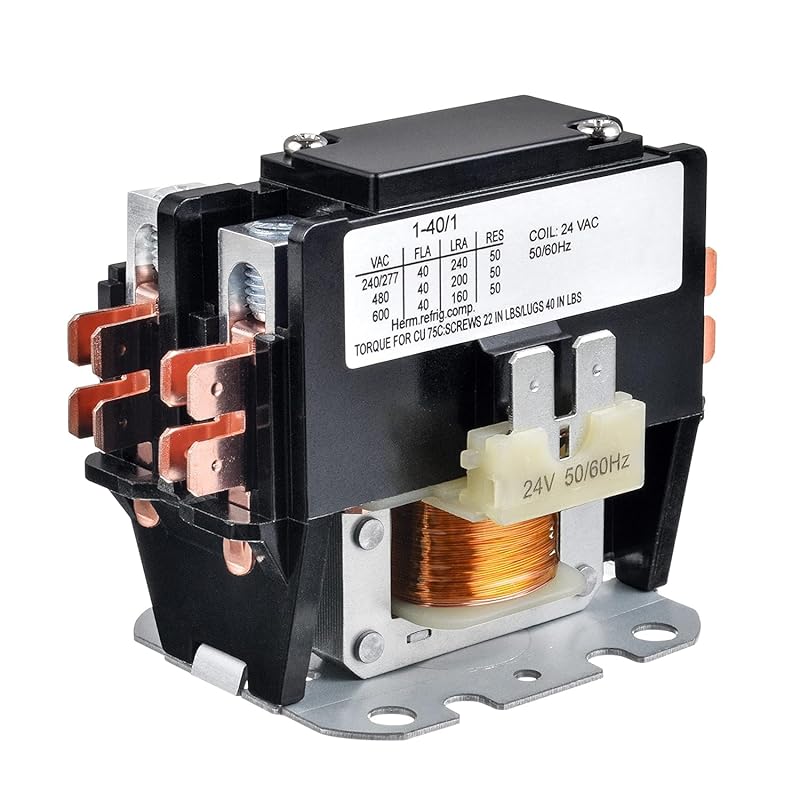
Carrier air conditioners range from affordable entry-level models around $2,000 to premium systems over $6,000. This includes unit price, labor, and extras like thermostats or ductwork. Understanding the full cost helps you budget wisely and choose the right cooling solution for your home.
Key Takeaways
- Understanding cost of carrier air conditioners: Provides essential knowledge
Quick Answers to Common Questions
How much does a Carrier air conditioner cost installed?
Prices range from $2,000 for basic models to over $6,000 for high-end systems. Installation adds 30–50% to the unit’s base price.
Are Carrier air conditioners expensive to run?
No—especially newer high-SEER models. A 26 SEER unit uses 20–30% less electricity than older 13 SEER systems.
Can I get a discount on a Carrier air conditioner?
Yes! Look for seasonal promotions, bundle deals with furnaces, or utility rebates. Spring and fall are best times to negotiate.
Does Carrier offer financing?
Absolutely. Interest-free financing is often available through Comfort Finance, sometimes for 12–18 months.
How often should I service my Carrier air conditioner?
Once a year—ideally before summer. Regular maintenance keeps efficiency high and prevents unexpected breakdowns.
📑 Table of Contents
- Understanding the True Cost of Carrier Air Conditioners
- What Is Included in the Cost of a Carrier Air Conditioner?
- How Efficiency Ratings Affect Carrier Air Conditioner Prices
- Comparing Carrier Air Conditioners: Budget vs. Performance
- Tips to Reduce Your Total Carrier Air Conditioner Expense
- Long-Term Value: What Does a Carrier Air Conditioner Really Cost Over Time?
- Frequently Asked Questions About Carrier Air Conditioner Costs
Understanding the True Cost of Carrier Air Conditioners
Choosing an air conditioner is more than picking a brand—it’s about balancing performance, comfort, energy use, and budget. Carrier has long been recognized as a leader in HVAC innovation, offering everything from reliable residential units to commercial-grade chillers. But how much does a Carrier air conditioner actually cost? The answer isn’t just about sticker price. It involves unit type, installation needs, energy efficiency, and ongoing maintenance.
In this comprehensive guide, we’ll break down every aspect of Carrier air conditioner pricing—so you know exactly what to expect before making a purchase. Whether you’re replacing an old unit, upgrading for better efficiency, or installing central cooling for the first time, understanding the full cost helps you avoid surprises and invest wisely.
What Is Included in the Cost of a Carrier Air Conditioner?
When you ask “How much does a Carrier air conditioner cost?”, it’s important to clarify that there are several components involved:
– **The unit itself** (indoor and outdoor coils)
– **Labor for professional installation**
– **Permits and inspections**
– **Ductwork modifications or new installations**
– **Thermostat upgrades**
– **Warranty setup fees**
Let’s explore each in detail so you can plan accordingly.
The Base Price: Unit Cost by Type
Carrier offers a wide range of air conditioners categorized by capacity, efficiency, and technology. Here’s a general price breakdown based on model lines:
- Entry-Level Single-Stage Units: Starting around $1,700–$2,200 installed. These are basic models ideal for smaller homes or mild climates.
- Mid-Range Two-Stage Models: Priced from $2,800–$3,800 fully installed. These adjust output in two steps—perfect for consistent comfort and moderate energy savings.
- High-Efficiency Variable-Capacity Systems: Top-tier Carrier units with SEER up to 26 can run $4,500–$6,500+ installed. They match cooling output precisely to demand, saving energy and reducing wear.
Keep in mind these are averages. Regional differences, dealer markups, and optional features affect final pricing.
Installation Labor: A Major Cost Driver
Most homeowners don’t realize that the biggest chunk after the unit is installation. On average:
- Simple replacements in existing setups: ~$1,200–$2,000
- New installations with partial ductwork: ~$2,500–$4,000
- Full ductwork overhaul or new construction: $4,000–$7,000+
Factors influencing labor costs include:
– Accessibility of outdoor space
– Need for electrical upgrades
– Refrigerant line routing
– Thermostat wiring requirements
Always get multiple quotes from licensed Carrier dealers to compare apples-to-apples.
Hidden Costs You Might Not Expect
Beyond the obvious, here are some often-overlooked expenses:
– **Permits**: Required by most municipalities; typically $100–$300.
– **Thermostats**: Basic digital thermostats start at $100; smart Wi-Fi models (like Carrier’s Comfort™ Touch) run $300–$600.
– **Duct Sealing & Repairs**: Older homes may need duct sealing ($200–$800) to prevent energy loss.
– **Refrigerant Charges**: If lines need recharging or replacement, add $200–$500.
– **Extended Warranties**: Carrier Protect plans start around $15/month but cover repairs and parts.
These add up fast—but they’re worth considering for peace of mind and long-term performance.
How Efficiency Ratings Affect Carrier Air Conditioner Prices
One of the most important decisions you’ll make is choosing your air conditioner’s Seasonal Energy Efficiency Ratio (SEER). Carrier leads in high-efficiency technology, offering models with SEER ratings from 13 all the way to 26.
Why Higher SEER Means Higher Upfront Cost
A Carrier 38YVA (19 SEER2) might cost $3,200 installed, while the same tonnage 26VNA (26 SEER2) could be $5,800+. That’s a $2,600 difference—but let’s look at what you gain:
- Lower monthly electric bills
- Reduced carbon footprint
- Potential eligibility for rebates
- Better humidity control and indoor air quality
For hot climates like Florida or Texas, investing in a higher SEER unit pays off quickly through energy savings. In cooler regions, a mid-range model may suffice.
Federal and Utility Rebates Can Offset Premium Pricing
Thanks to the Inflation Reduction Act (IRA), many high-efficiency Carrier units qualify for federal tax credits up to $600. Plus, utilities like PG&E, Con Edison, and Southern California Edison offer direct rebates ranging from $100–$1,200. Always ask your installer about available incentives—they should help you apply.
Comparing Carrier Air Conditioners: Budget vs. Performance
Not all Carrier air conditioners are built the same. Let’s compare three common scenarios:
Scenario 1: Small Home in Mild Climate
– Unit: Carrier 24ABC6 (16 SEER2, single-stage)
– Installed Cost: ~$2,100
– Best For: First-time buyers or those replacing a failed old unit
– Pros: Affordable, reliable, easy to maintain
– Cons: Less precise temperature control, higher runtime
Scenario 2: Family Home in Hot Region
– Unit: Carrier 25VNA5 (26 SEER2, variable-capacity)
– Installed Cost: ~$5,600
– Best For: Large homes needing consistent comfort year-round
– Pros: Quiet operation, adaptive defrost, superior dehumidification
– Cons: Higher initial outlay, requires professional setup
Scenario 3: Eco-Conscious Upgrade
– Unit: Carrier Infinity 24VNA9 (26 SEER2, inverter-driven)
– Installed Cost: ~$6,200+
– Best For: Those prioritizing sustainability and smart home integration
– Pros: App-controlled, learns usage patterns, ultra-quiet
– Cons: Premium pricing, limited availability in some areas
Each scenario reflects different priorities. Know your goals before shopping.
Tips to Reduce Your Total Carrier Air Conditioner Expense
You don’t have to sacrifice quality to save money. Try these strategies:
Shop During Off-Peak Seasons
Installing in spring or fall avoids rush-hour pricing. Dealers often offer discounts to move inventory.
Bundle with Furnace Replacement
Many contractors provide package deals when replacing both HVAC systems. You’ll save on labor duplication.
Choose a Reputable Dealer
While third-party installers may seem cheaper, Carrier-certified technicians ensure proper refrigerant charge, airflow balance, and warranty validity.
Consider Financing Options
Carrier offers interest-free financing for qualified buyers through their Comfort Finance program. Terms vary, but 0% APR for 18 months is common during summer promotions.
Maintain Regularly
Annual tune-ups (~$100–$200) keep efficiency high and prevent costly repairs. Carrier’s Preventive Maintenance Agreement covers two visits per year.
Upgrade Smart Features Gradually
Start with a standard thermostat, then add Wi-Fi connectivity later. This spreads out costs without sacrificing core performance.
Long-Term Value: What Does a Carrier Air Conditioner Really Cost Over Time?
Upfront cost is only part of the story. A Carrier air conditioner is designed for 15–20 years of service—if cared for properly. Let’s compare total ownership costs over 10 years:
| Model | Initial Install | Est. Annual Energy Use* | 10-Year Energy Cost | Maintenance (10 yrs) | Total 10-Year Cost |
|——-|——————|————————–|———————|————————|———————|
| 16 SEER | $2,100 | 12,000 kWh | $2,400 | $1,000 | $5,500 |
| 21 SEER | $3,300 | 9,600 kWh | $1,920 | $1,000 | $6,220 |
| 26 SEER | $5,600 | 8,200 kWh | $1,640 | $1,000 | $8,240 |
*Energy cost assumed at $0.12/kWh. Actual varies by region.
At first glance, the 16 SEER looks cheapest. But in extreme heat zones, its frequent cycling increases wear and raises utility bills. The 26 SEER may cost more now but offers smoother operation and lower stress on components.
Also remember: older units lose efficiency faster. If yours is over 10 years old, even a modest upgrade can yield immediate savings.
Frequently Asked Questions About Carrier Air Conditioner Costs
Can I install a Carrier air conditioner myself?
No. All Carrier units require EPA-certified technicians for refrigerant handling and electrical connections. DIY risks voiding warranty and creating safety hazards.

Visual guide about Cost of Carrier Air Conditioners
Image source: images.qiecdn.com
Visual guide about Cost of Carrier Air Conditioners
Image source: iasgyan.sgp1.digitaloceanspaces.com
Is a Carrier air conditioner worth the premium over other brands?
Yes—for reliability, resale value, and long-term performance. While pricier initially, Carrier systems often last longer with fewer repairs than generic brands.
Do I need a permit to replace my Carrier AC?
Almost always. Most cities require permits for HVAC replacements to ensure code compliance. Your contractor should handle this—don’t skip it.
What’s the cheapest Carrier air conditioner available?
The 24ABC6 16 SEER2 starts around $1,700 for the unit alone. Fully installed, expect $2,000–$2,300 in most regions.
Will a larger unit cool my home faster?
Not necessarily. Oversized units short-cycle, wasting energy and failing to remove humidity. Proper sizing by a load calculation ensures efficiency and comfort.
Frequently Asked Questions
How much does a Carrier air conditioner cost?
A Carrier air conditioner typically costs between $2,000 and $6,500 fully installed, depending on size, efficiency, and installation complexity.
Is Carrier more expensive than other brands?
Carrier is generally priced above budget brands but below some luxury HVAC manufacturers. The difference reflects durability, warranty support, and advanced features.
What affects the final price of my Carrier AC?
Key factors include unit SEER rating, installation difficulty, ductwork condition, thermostat type, and whether permits or electrical upgrades are needed.
Should I buy the most efficient Carrier model?
Only if you live in a hot climate and use your AC heavily. In mild areas, a mid-SEER model offers the best balance of cost and performance.
How long does a Carrier air conditioner last?
With proper care, Carrier systems last 15–20 years. Annual maintenance and timely repairs significantly extend lifespan.
Where can I find the best deal on a Carrier air conditioner?
Contact certified Carrier dealers during off-peak seasons, ask about rebates, and compare at least three quotes for transparency.