Carrier air conditioners offer top-tier performance and energy efficiency, but their upfront cost can vary widely based on system type, size, and installation needs. From central AC units to ductless mini-splits, understanding the total cost helps you make a smart investment for comfort and savings.
Key Takeaways
- Average Cost Range: Carrier air conditioner systems typically range from $3,500 to $10,000 installed, depending on capacity and features.
- Energy Efficiency Saves Money: High SEER-rated Carrier units reduce long-term utility bills significantly compared to older models.
- Installation Complexity Affects Price: Ductwork, electrical upgrades, and zoning systems add to overall costs.
- Rebates & Incentives Available: Federal and utility rebates can lower your out-of-pocket expense by hundreds or even thousands.
- Maintenance Costs Are Low: Annual servicing keeps systems running smoothly and extends lifespan with minimal added expense.
- Financing Options Exist: Many HVAC contractors and manufacturers offer payment plans to spread costs over time.
- Long-Term Value Is High: Reliable Carrier systems often last 15–20 years with proper care, offering excellent return on investment.
Quick Answers to Common Questions
How much does a Carrier air conditioner cost installed?
The installed cost of a Carrier air conditioner typically ranges from $3,500 to $10,000, depending on the system type, home size, and installation complexity.
Is Carrier worth the extra cost?
Yes, Carrier systems offer superior durability, energy efficiency, and performance, making them a smart long-term investment despite higher upfront prices.
Can I finance my Carrier air conditioner?
Many HVAC dealers and manufacturers offer financing options with low-interest rates, allowing you to spread payments over 12–60 months.
Do Carrier units qualify for tax credits?
In some cases, yes. Check the IRS website or consult a tax professional about current incentives for ENERGY STAR-certified HVAC systems.
How often should I service my Carrier AC?
We recommend annual maintenance by a licensed technician to keep your system running efficiently and extend its lifespan.
📑 Table of Contents
- Introduction: Why Carrier Air Conditioners Stand Out
- Understanding the Types of Carrier Air Conditioner Systems
- Breaking Down the Average Cost of Carrier Air Conditioner Systems
- Factors That Influence the Final Cost
- Hidden Costs You Should Know About
- Tips to Reduce Your Carrier Air Conditioner System Cost
- Long-Term Savings and ROI of Carrier Systems
- Conclusion: Is the Cost Worth It?
Introduction: Why Carrier Air Conditioners Stand Out
When it comes to keeping your home cool during scorching summer months, few names carry as much trust and recognition as Carrier. Known for innovation, durability, and energy-efficient designs, Carrier has been a leader in HVAC technology for over a century. But if you’re considering upgrading or replacing your current air conditioning system, one of the first questions on your mind is likely: How much does a Carrier air conditioner system really cost?
The answer isn’t simple—because the cost depends on many factors, including the type of unit, your home’s size, existing ductwork, and even local labor rates. However, understanding what drives these costs can help you plan smarter and avoid surprises. In this guide, we’ll break down every aspect of the price tag so you can make an informed decision without overspending or undershooting your needs.
Whether you’re eyeing a sleek ductless mini-split, a powerful central air system, or a hybrid heat pump setup, we’ve got you covered. Let’s dive into what makes Carrier systems worth the investment—and how to manage the cost effectively.
Understanding the Types of Carrier Air Conditioner Systems

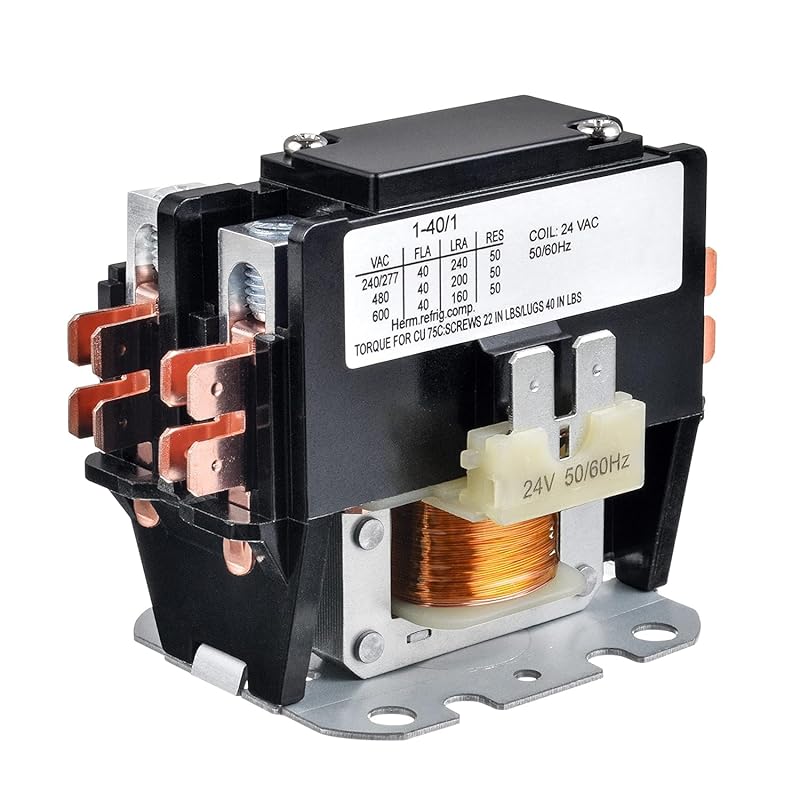
Visual guide about Cost of Carrier Air Conditioner System
Image source: i.pinimg.com
Before discussing pricing, it’s important to know the different types of Carrier AC systems available. Each comes with its own price range, installation requirements, and performance benefits.
Central Air Conditioning Systems
These are the most common residential cooling systems. They consist of an outdoor condenser unit and an indoor air handler or furnace, connected by refrigerant lines. Central ACs are ideal for homes with existing ductwork and provide whole-house cooling.
Ductless Mini-Split Systems
Perfect for additions, sunrooms, or homes without ducts, Carrier’s ductless mini-splits allow zoned cooling with individual indoor units per room. These systems are quieter and more energy-efficient than traditional window units.
Packaged HVAC Systems
All components (cooling coil, blower, compressor) live in a single cabinet outside your home. These are great for tight spaces and come in both electric and gas-heat models.
Hybrid Heat Pumps
Carrier’s hybrid systems combine a high-efficiency heat pump with a gas furnace. In mild weather, the heat pump runs alone; in extreme cold, the furnace kicks in. This dual approach saves energy and money year-round.
Each type affects your total cost differently. For example, a ductless mini-split may cost less to install than a full central system if you don’t have ducts—but it might not cool your entire house as evenly.
Breaking Down the Average Cost of Carrier Air Conditioner Systems
So, how much should you expect to pay? On average, installing a Carrier air conditioner system ranges from **$3,500 to $10,000**, with most homeowners spending around **$6,000 to $7,500** for a standard central air setup. Here’s a rough breakdown:
– Unit Cost Only: $1,800 – $6,500
– Installation Labor: $1,200 – $4,000
– Additional Components (ductwork, thermostat, etc.): $500 – $2,000
Keep in mind that higher-end models with advanced features like Wi-Fi controls, variable-speed compressors, or enhanced filtration will push the price toward the upper end of this range.
For instance, a Carrier Infinity Series 24VNA9 (a premium model) starts around $4,800 for the unit alone, while a basic Comfort Series 24ABC6 can be found under $2,500. Add professional installation, and the difference becomes clear.
Cost Comparison by System Type
| System Type | Unit Price | Installation | Total Estimate |
|————-|————|————–|—————-|
| Central AC (Standard) | $2,000 – $4,000 | $1,500 – $3,000 | $3,500 – $7,000 |
| Ductless Mini-Split | $1,800 – $4,500 | $1,000 – $2,500 | $2,800 – $7,000 |
| Packaged Unit | $3,000 – $6,000 | $1,200 – $2,800 | $4,200 – $8,800 |
| Hybrid Heat Pump | $4,000 – $7,500 | $2,000 – $4,000 | $6,000 – $11,500 |
This table gives you a quick reference, but always get multiple quotes—prices can vary by region and contractor.
Factors That Influence the Final Cost
Several variables affect how much you’ll ultimately spend. Being aware of them helps you anticipate expenses and possibly save money.
Home Size and Layout
Larger homes require bigger units or multiple zones, increasing both equipment and labor costs. A 2,000 sq ft home might need a 3-ton unit ($3,200), while a 3,500 sq ft home could require a 4.5-ton system ($4,100) plus extra ductwork.
Existing Ductwork
If your home already has properly sized and insulated ducts, installation is faster and cheaper. But if ducts are old, leaky, or missing entirely, sealing, repairing, or adding new ducts can add $1,000–$3,000 to the bill.
SEER Rating and Energy Efficiency
Higher SEER (Seasonal Energy Efficiency Ratio) ratings mean better efficiency but higher initial cost. Carrier offers SEER ratings from 14 up to 26+. While a 14-SEER unit costs less upfront, a 21-SEER model saves $150–$300 annually on electricity—paying off over time.
Location and Local Labor Rates
HVAC prices vary by state and city. Urban areas like New York or San Francisco often charge more for labor than rural regions. Also, permitting fees and local building codes can add to the final tally.
Additional Features and Upgrades
Smart thermostats, UV filters, antimicrobial coils, and zoning controls all increase comfort—and cost. For example, adding a smart thermostat like the Carrier Cor smart Wi-Fi thermostat adds about $200–$300 but improves control and efficiency.
Hidden Costs You Should Know About
While the unit and installation are major expenses, there are often hidden costs that catch people off guard.
Electrical Upgrades
Older homes may need updated electrical panels or dedicated circuits to handle the load of a modern Carrier system. This can run $500–$1,500 depending on complexity.
Refrigerant Line Installation
New lines must be installed between indoor and outdoor units. If they’re too short or poorly routed, refrigerant leaks can occur, reducing efficiency. Properly installed lines add $300–$800.
Permits and Inspections
Most cities require permits for HVAC installations. These usually cost $100–$300 and ensure your system meets safety standards.
Removal and Disposal of Old Units
Disposing of your old AC unit isn’t free. Expect to pay $100–$300 to remove and recycle it responsibly.
Warranty Considerations
Some extended warranties or maintenance plans cost extra monthly. While helpful for peace of mind, they’re optional and not required for operation.
Tips to Reduce Your Carrier Air Conditioner System Cost
You don’t have to break the bank to enjoy reliable cooling. Here are practical ways to save without sacrificing quality.
Get Multiple Quotes
Always get at least three estimates from licensed Carrier dealers. Prices vary widely, and competition drives down costs.
Choose the Right Size Unit
An oversized unit cycles on/off frequently, wasting energy and wearing out faster. A certified technician will perform a Manual J load calculation to size your system correctly.
Opt for Mid-Range Models
You don’t need the top-tier Infinity series if you want reliability. The Comfort Series offers solid performance at a lower price point.
Schedule Off-Peak Installation
Installing during shoulder seasons (spring or fall) often means lower labor rates and fewer scheduling delays.
Check for Rebates and Tax Credits
Programs like the Federal Residential Clean Energy Credit or utility company rebates can cover 10%–50% of your purchase. For example, some states offer $500–$1,000 off ENERGY STAR-certified systems.
Maintain Regularly
Annual maintenance prevents breakdowns and keeps your system running efficiently. Most technicians include cleaning and inspection in their service call for around $100–$200/year.
Long-Term Savings and ROI of Carrier Systems
Yes, Carrier systems cost more upfront than generic brands, but their longevity and efficiency deliver strong returns. A well-maintained Carrier AC can last 15–20 years with minimal repairs. Over that time, energy savings from high SEER ratings add up quickly.
For example, upgrading from a 10-SEER unit to a 20-SEER Carrier system could save you $200–$400 per year on electricity. That’s $4,000–$8,000 over 20 years—far exceeding the initial price difference.
Additionally, resale value improves when you install a reputable brand like Carrier. Homebuyers recognize the reliability and comfort of a quality HVAC system, making your investment easier to sell later.
Conclusion: Is the Cost Worth It?
Investing in a Carrier air conditioner system is more than just buying a machine—it’s choosing peace of mind, comfort, and long-term savings. While the cost of Carrier air conditioner systems may seem high at first glance, the combination of superior engineering, energy efficiency, and enduring performance makes it a worthwhile upgrade for any homeowner.
By understanding the variables that affect pricing—from ductwork to SEER ratings—you can budget accurately and avoid costly mistakes. With smart choices like securing rebates, choosing the right size, and scheduling regular maintenance, you’ll maximize both comfort and value.
Whether you’re cooling a cozy bungalow or a sprawling suburban home, Carrier delivers consistent results backed by a trusted name in HVAC. So yes, it costs more—but when you factor in reliability, savings, and resale appeal, Carrier stands out as one of the best investments you can make for your home.
Frequently Asked Questions
What is the average lifespan of a Carrier air conditioner?
With proper maintenance, a Carrier air conditioner can last 15 to 20 years, outperforming many budget brands that may fail after 10 years.
Are Carrier systems noisy?
No, Carrier uses advanced sound-dampening technology. Even their loudest models operate below 60 decibels, quieter than a normal conversation.
Can I install a Carrier system myself?
We strongly advise against DIY installation. Improper setup can void warranties, reduce efficiency, and create safety hazards. Always hire a certified technician.
Does Carrier offer smart thermostats?
Yes, Carrier’s Cor smart Wi-Fi thermostat integrates seamlessly with Carrier systems, allowing remote control and energy-saving automation.
Will a smaller AC unit save me money?
Only if it’s properly sized. An undersized unit struggles to cool your home, leading to higher energy use and wear. Correct sizing is key to efficiency.
How do I find a qualified Carrier dealer?
Visit Carrier.com and use their “Find a Dealer” tool to locate authorized professionals near you who are trained and certified to install their products.