Title: Changed AC Compressor still Not Cold: Common HVAC Solutions
Why is my AC Compressor Still Not Cold?
You recently had your AC compressor replaced, hoping for a blast of cold air to combat the scorching days. However, to your dismay, the air is not as cool as you expected. Don't worry; in this comprehensive guide, we'll cover the common reasons and solutions for why your AC compressor is still not cooling after replacement.
Possible Causes and Solutions
Several factors could contribute to your AC compressor not producing cold air. Here are some common issues and their potential solutions:
Issue Solution
Improper Vacuuming before Recharging Check for leaks and ensure proper vacuuming and recharging of the system
Low Pressure Lockout or Bad Clutch Coil Inspect and rectify any low pressure lockout or faulty clutch coil
Refrigerant Leak Check for leaks and ensure the refrigerant system is not leaking
It's important to address these issues promptly to restore your AC's cooling efficiency.
In practice, a frequent oversight is skipping the deep vacuum step, which leaves moisture and non‑condensables that degrade cooling capacity. A proper evacuation to at least 500 microns for 30 minutes is the industry baseline, and many technicians also perform a nitrogen purge before the final charge. For more on condenser health, see our condenser troubleshooting steps.
https://www.youtube.com/watch?v=ggELi8v0hns
Common Questions and Answers
After replacing the AC compressor, it's normal to have questions about the cooling performance. Below, we address some frequently asked questions regarding AC compressor replacement:
Why is my AC compressor not engaging?
How long does it take for an AC compressor to reset?
Can a car AC compressor be running but not cooling?
Understanding the answers to these questions can shed light on the potential reasons for your AC compressor not cooling as expected.
Additional Common Issues
Beyond the three primary causes, several other factors can leave a newly‑installed compressor warm. A clogged orifice tube or expansion valve restricts refrigerant flow, while an over‑charged system raises head pressure and triggers the high‑pressure switch. Contaminated oil from the old compressor can also degrade the new unit’s lubrication. Checking the orifice tube, verifying charge weight with a scale, and flushing the system with approved solvent are practical next steps. If you’re working on a split system, the split system installation guide outlines the correct piping and valve orientation. You can also troubleshoot warm air issues to pinpoint airflow or control problems.

Diagram showing common compressor engagement issues
Credit: www.supertechhvac.com
Further Steps to Troubleshoot the Issue
If you're unable to identify the root cause of your AC compressor's poor performance, consider the following additional steps to troubleshoot the issue:
Check the system pressures with a manifold gauge set
Ensure the refrigerant level is sufficient and not leaking
Inspect the airflow routing through the plenum to verify proper air circulation
Examine the condenser for potential blockages
By systematically addressing these aspects, you can improve the functionality of your AC compressor and enjoy cooler air in your vehicle or home.
Electrical and Control Circuit Checks
Electrical faults are a common hidden cause of a compressor that runs but doesn’t cool. Verify that the compressor relay, contactor, and capacitor are within spec — a weak start capacitor can let the motor spin without building sufficient pressure. Use a multimeter to confirm the control board is sending the correct 24 V signal to the clutch coil, and inspect the wiring harness for chafed insulation or corroded connectors. The seasonal maintenance checklist includes a quick capacitor test that can catch this early. Understanding the air conditioner vs hvac differences also helps when diagnosing control‑board logic.
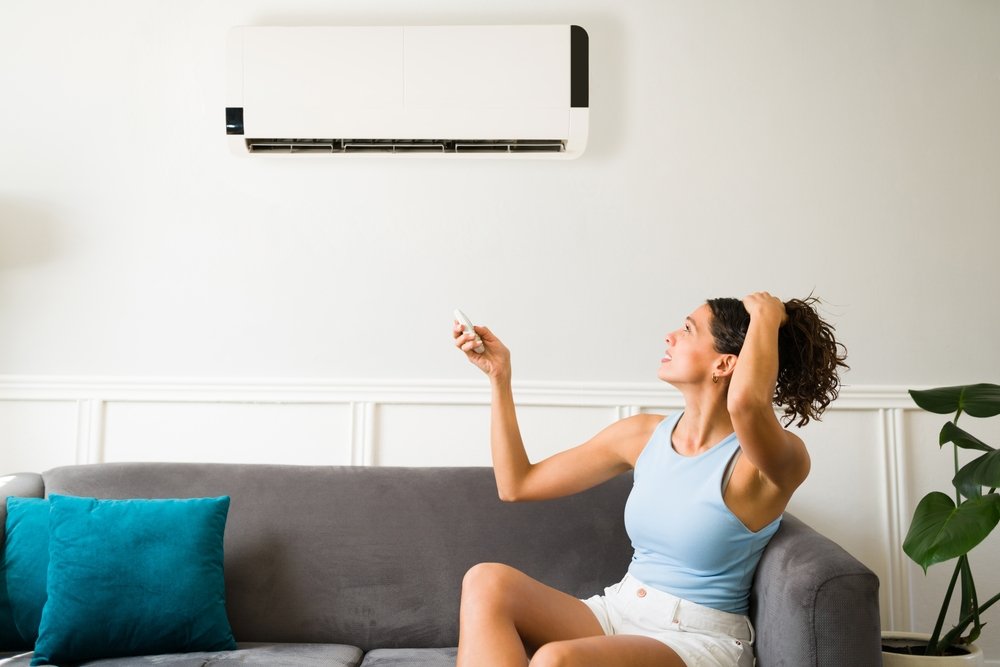
Photo of an AC unit failing to blow cold air
Credit: www.austingsmechanical.com
Refrigerant Type and Charge Considerations (2026 Update)
As of 2026, many residential and light‑commercial systems have transitioned to lower‑GWP refrigerants such as R‑32 or R‑454B. These blends require precise charge weights and compatible POE oil; using the legacy R‑410A charge amount will cause capacity loss and possible compressor damage. Always confirm the refrigerant type on the unit’s data plate and follow the manufacturer’s charging chart. The EPA’s Section 608 program provides the current handling and recovery guidelines for these newer fluids.
Frequently Asked Questions On Changed Ac Compressor Still Not Cold: Common Hvac Solutions
Why Is My Ac Compressor On But Not Cooling?
Is your AC compressor running but not cooling? Possible causes include thermostat issues, compressor problems, clogged components, or refrigerant leaks.
What To Do After Replacing Ac Compressor?
After replacing the AC compressor, if the A/C is not cooling as expected, there are a few things to check. First, ensure that there are no leaks in the system and it has been properly vacuumed and recharged. Additionally, check for clogs in the system, such as dust and debris.
Finally, check the thermostat, compressor, and evaporator coils for any issues. If the problem persists, consult a professional AC repair service.
Why Is My Brand New Ac Compressor Not Engaging?
There are several possible reasons why a brand new AC compressor may not be engaging. It could be due to a low pressure lockout, a poor ground, a faulty clutch coil, a wiring issue, or a blown fuse. To troubleshoot the problem, check for these issues and ensure proper power supply to the compressor.
How Long Does It Take An Ac Compressor To Reset?
An AC compressor typically takes about 10-15 minutes to reset. If it still has issues, check the system pressures and refrigerant levels.
What Refrigerant Should I Use After a Compressor Replacement in 2026?
Most new residential units now specify R‑32 or R‑454B. Verify the data plate on the outdoor unit and charge to the exact weight listed by the manufacturer; using the wrong refrigerant or an outdated charge amount will void warranties and reduce efficiency.
How Do I Verify Proper System Vacuum?
After evacuation, hold the vacuum for at least 15 minutes and watch for a rise above 500 microns. A stable reading confirms that moisture and non‑condensables have been removed before you add refrigerant.
Can a Faulty Thermostat Cause a New Compressor to Run Warm?
Yes. A thermostat that misreads room temperature or fails to send the correct Y‑call signal can keep the compressor running without satisfying the cooling demand, leading to warm supply air. Test the thermostat with a known‑good reference or replace it if it’s out of calibration.
Conclusion
In conclusion, a non-cooling AC compressor can be a frustrating issue, especially after replacement. By understanding the potential causes and implementing the appropriate solutions, you can restore your AC system's cooling performance to its optimal level. If you're unsure about resolving the problem yourself, it's advisable to seek professional assistance to diagnose and rectify the issue effectively.
Ready to get your system back to peak performance? Schedule a professional diagnostic today and enjoy reliable cooling all season.