Bypassing the AC Compressor
In some situations, bypassing the AC compressor in a vehicle can be a necessary step. Whether you are looking to save money on repairs or simply temporarily bypass the compressor, there are a few things to consider.
https://www.youtube.com/watch?v=LZMKVGm1ViY
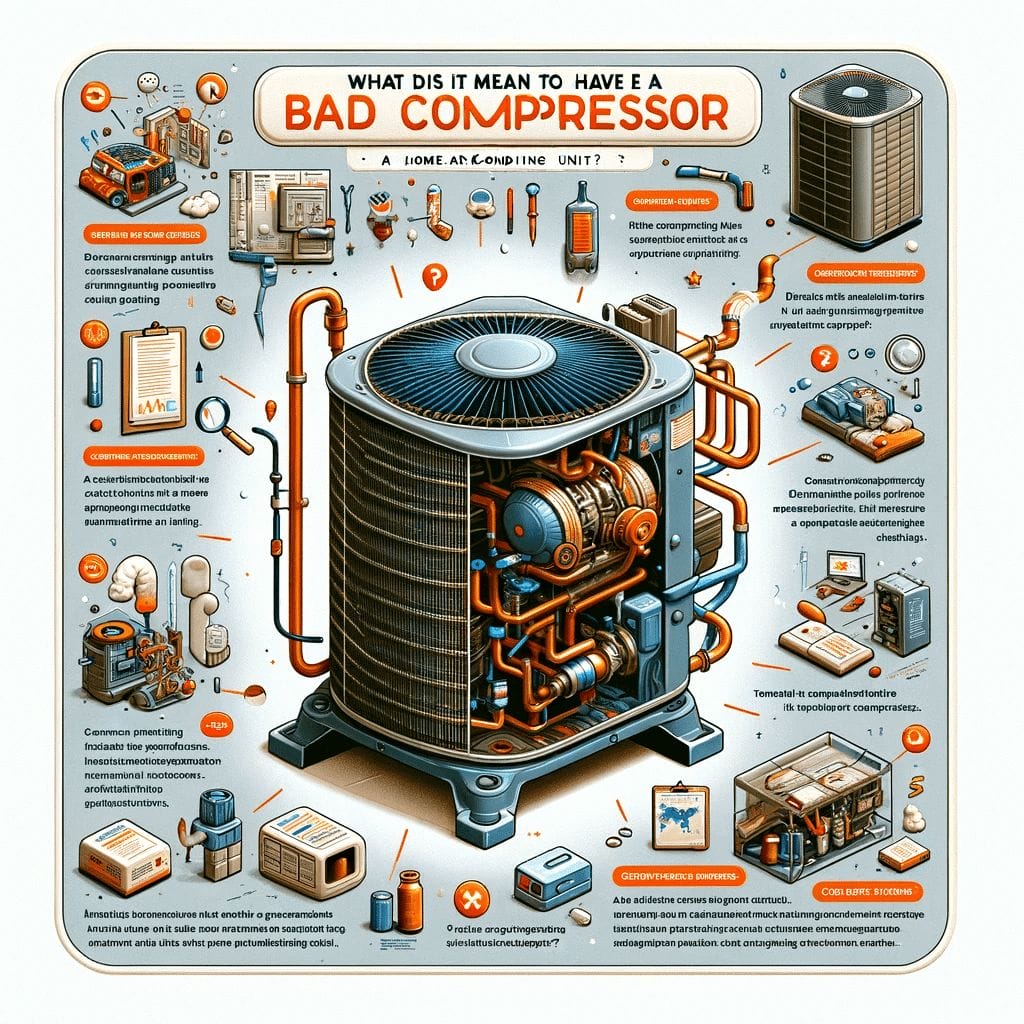
Diagram showing belt routing and clutch wiring for a typical bypass.
Credit: www.fastacservice.com
Can I Bypass the AC Compressor?
Yes, you can bypass the AC compressor by utilizing a smaller belt and disconnecting the wires that energize the clutch. This process can be done to continue using the vehicle without the need for AC functionality. For more on this, see our guide on rv air conditioner tips and tricks.
Why Bypass the AC Compressor?
There are various reasons for bypassing the AC compressor, such as reducing strain on the engine, saving money on repairs, or troubleshooting issues with the AC system.
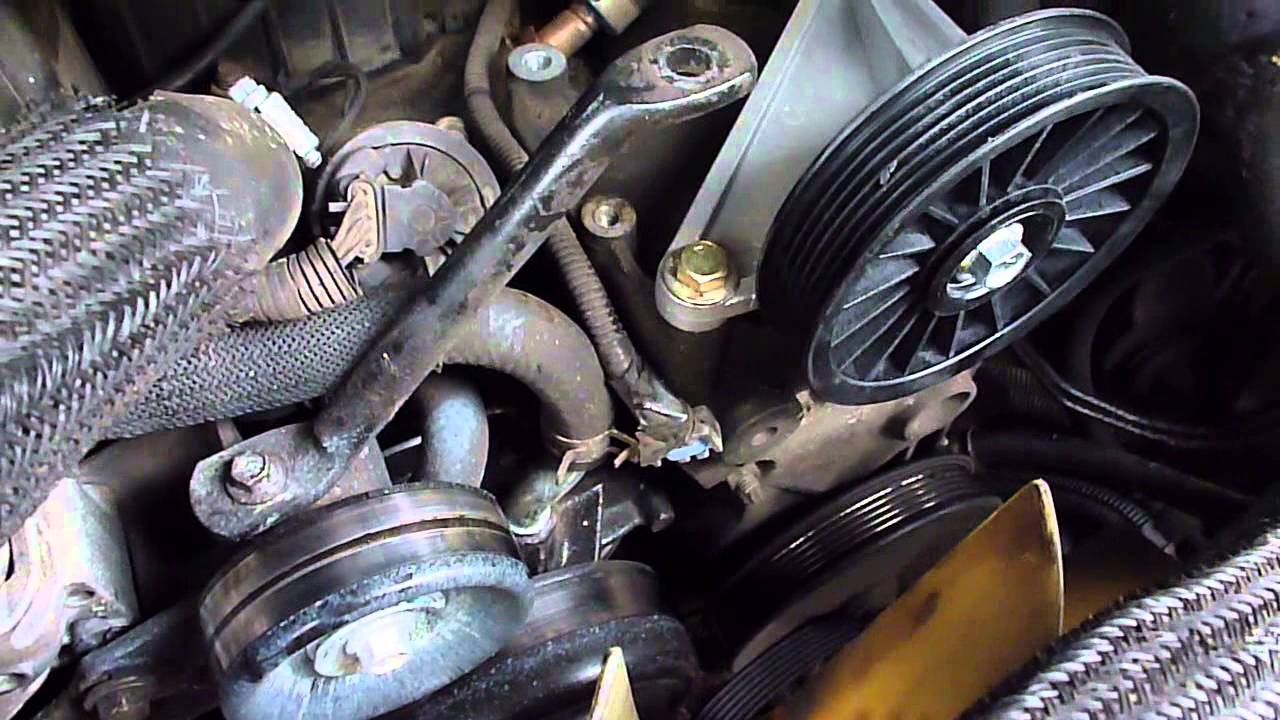
Close‑up of the pulley, bypass pulley, and baling‑wire securing method.
Credit: storables.com
Steps to Bypass the AC Compressor
Here is a simple step-by-step guide to bypassing the AC compressor when needed:
Time Activity
00:16 Disconnect AC Compressor
00:40 Gather Necessary Tools
01:06 Use Serpentine Belt Tool
03:18 Remove Serpentine Belt
10:17 Secure with Baling Wire
20:08 Install New Unit if Available
27:32 Re-attach the Serpentine Belt
Tools and Parts Checklist (added)
- Serpentine‑belt tensioner tool or long‑handle ratchet
- Correct‑length bypass belt (often 1–2 inches shorter than OEM)
- Baling wire or zip‑ties for temporary pulley securing
- Basic socket set (10 mm, 13 mm, 15 mm)
- Safety glasses and gloves
Having these items on hand before you start prevents mid‑job trips to the parts store and reduces the chance of damaging surrounding components. For more on this, see our guide on window air conditioner tips and tricks.
Benefits of Bypassing the AC Compressor
- Save money on expensive AC repairs
- Reduce strain on the vehicle's engine
- Continue using the vehicle without AC functionality
Quick tip: If you plan to keep the bypass long‑term, schedule a professional AC inspection at the next service interval to verify that the refrigerant circuit remains sealed and that no hidden leaks develop. Explore our guide on seasonal AC maintenance for long‑term reliability.
Safety Precautions (added)
- Disconnect the battery before working on the clutch wiring to avoid accidental shorts.
- Relieve belt tension slowly; a sudden release can snap the belt and cause injury.
- Never run the engine with the bypass belt installed if the compressor pulley is still spinning freely — it can overheat and seize.
- Check local emissions regulations; some jurisdictions require a functional AC system for certain vehicle inspections.
When Not to Bypass the Compressor (added)
- The vehicle is still under warranty — bypassing may void coverage.
- You notice refrigerant oil leaks; a bypass will not stop the loss and can contaminate the engine bay.
- The compressor clutch is seized but the pulley bearings are intact; a simple clutch replacement is often cheaper than a full bypass kit.
- You plan to sell the vehicle soon; a working AC system adds resale value.
Cost Comparison: Bypass vs. Repair (added)
| Option | Typical Parts Cost | Labor (DIY vs. Shop) | Longevity | Comments |
|---|---|---|---|---|
| Bypass kit (belt + pulley) | $30‑$80 | DIY 1‑2 hrs / Shop $150‑$250 | 1‑3 years (temporary) | Good for short‑term budget constraints |
| Compressor clutch replacement | $120‑$250 | DIY 2‑3 hrs / Shop $300‑$500 | 5‑10 years | Restores full AC function |
| Full compressor replacement | $350‑$700 | Shop $500‑$900 | 10‑15 years | Best long‑term reliability |
Numbers are averages for 2026 U.S. market; actual prices vary by make/model and region.
Professional vs. DIY Considerations (added)
- DIY is feasible if you have a basic socket set, a belt‑tensioner tool, and a safe workspace. Follow the steps above and double‑check belt routing against the vehicle’s service manual.
- Professional service adds a diagnostic scan for related codes (e.g., P0530, P0645) and ensures the refrigerant system is properly evacuated and recharged if you later decide to restore AC.
- If you lack confidence with serpentine‑belt tensioning, a shop visit eliminates the risk of belt slip or premature wear on the alternator and water pump.
Environmental Note (added)
Refrigerant (R‑134a or newer R‑1234yf) is a potent greenhouse gas. Even when bypassing the compressor, any existing leak should be repaired before the vehicle returns to regular use. The U.S. EPA’s Section 608 program provides guidelines for proper handling and recovery — see the EPA’s official page for details: EPA Section 608 Refrigerant Management.
Frequently Asked Questions On Bypassing The Ac Compressor: Expert Tips & Tricks
Can I Bypass The Ac Compressor With A Smaller Belt?
Yes, you can bypass the AC compressor with a smaller belt. Simply unplug the wires that energize the clutch and replace the original belt with a smaller one. This will prevent the AC compressor from engaging while still allowing the other components to function properly.
Can Ac Work Without Compressor?
An air conditioner cannot function without a compressor, as it is essential for cooling the air.
Can I Run My Ac With A Broken Compressor?
Yes, you can run your AC with a broken compressor by bypassing the compressor pulley. Just unplug the wires energizing the clutch. Without the compressor, the refrigerant won't cool your home. The fans may still run, but it won't produce cool air.
What Is An Ac Bypass?
An AC bypass, also known as grid bypass or grid support, is an essential feature found in hybrid inverters. It allows the inverter to seamlessly switch between different power sources such as solar panels, batteries, and the grid. This feature ensures a smooth and uninterrupted power supply.
Is a bypass legal for road use? (added)
In most U.S. states a bypass is legal for temporary operation, but some emissions‑testing programs (e.g., California Smog Check) require a functional AC system. Verify local regulations before committing to a long‑term bypass.
How do I know the correct bypass belt length? (added)
Measure the distance between the crankshaft pulley and the next driven accessory (alternator, power‑steering pump, etc.) with the compressor pulley removed, then subtract 1–1.5 inches for tension. Most parts catalogs list a “bypass belt” part number for each engine family.
Conclusion
Bypassing the AC compressor can be a temporary solution to various issues related to the AC system in a vehicle. It is essential to follow proper procedures and precautions when performing this task to ensure the vehicle's optimal performance.
Next step: If you decide the bypass is only a stop‑gap, consider reading our article on troubleshooting AC blowing warm air to diagnose the root cause, or review the central AC installation guide for a permanent fix.