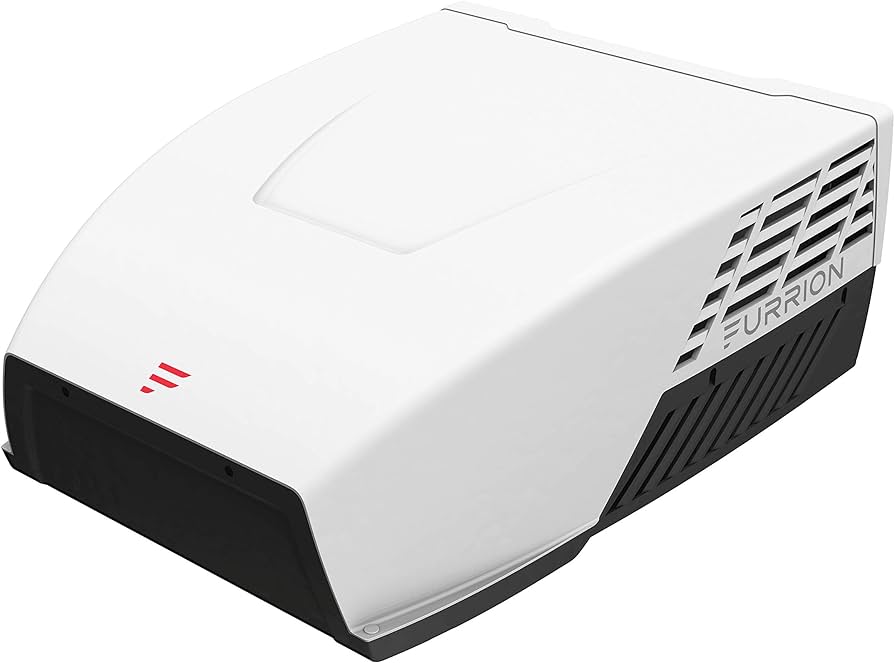
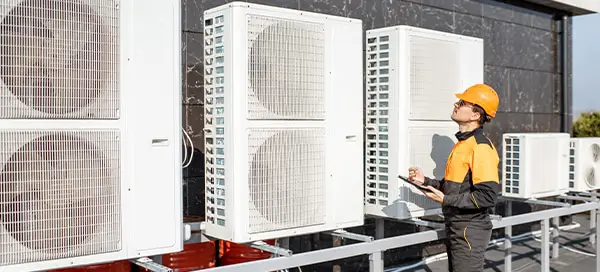
Carrier HVAC Systems: Unleash Ultimate Comfort & Efficiency!
Carrier HVAC Systems: The Ultimate Guide
Carrier HVAC systems are known for their quality and reliability. They help keep your home comfortable all year round.
What is an HVAC System?
HVAC stands for Heating, Ventilation, and Air Conditioning. These systems provide heating and cooling to your home.
How Does An Hvac System Work?
Heating: The system warms up your home during cold weather.
Cooling: It cools down your home during hot weather.
Ventilation: The system circulates air to keep it fresh.
Why Choose Carrier HVAC Systems?
Carrier is a trusted name in HVAC systems. Here are some reasons to choose Carrier:
Quality And Reliability
Carrier has been in the HVAC industry for over 100 years. They are known for their high-quality products.
Energy Efficiency
Carrier HVAC systems are energy-efficient. This means they use less energy to heat and cool your home.
Advanced Technology
Carrier uses the latest technology in their HVAC systems. This includes smart thermostats and advanced air filters.
Quiet Operation
Carrier systems are designed to operate quietly. You won't be disturbed by loud noises.
https://www.youtube.com/watch?v=IaX4MIjTLLA
Carrier's Industry Leadership & Certifications
Carrier consistently meets or exceeds ENERGY STAR® criteria and AHRI performance standards, giving homeowners confidence that each unit delivers verified efficiency. For the latest certification details, see the ENERGY STAR program and the AHRI directory.
Types of Carrier HVAC Systems
Carrier offers different types of HVAC systems. Here are some of them:
Carrier Air Conditioners
Carrier air conditioners cool your home during hot weather. They come in different models to suit your needs.
Carrier Heat Pumps
Heat pumps can both heat and cool your home. They are very efficient and work well in mild climates.
Carrier Furnaces
Furnaces provide heating during cold weather. Carrier furnaces are reliable and efficient.
Carrier Ductless Systems
Ductless systems do not require ductwork. They are perfect for homes without existing ducts.
Carrier 14 SEER energy efficient HVAC system
Credit: www.aireserv.com
Quick Comparison: Carrier System Types
| System Type | Primary Function | Ideal Climate | Typical SEER/HSPF Range |
|---|---|---|---|
| Central Air Conditioner | Cooling only | Hot, humid | 14–26 SEER |
| Heat Pump | Heating & cooling | Mild to moderate | 15–22 SEER / 8–13 HSPF |
| Gas Furnace | Heating only | Cold | 80–98% AFUE |
| Ductless Mini‑Split | Heating & cooling (zone) | Any | 16–30 SEER / 9–14 HSPF |
Benefits of Carrier HVAC Systems
Here are some benefits of using Carrier HVAC systems:
Improved Air Quality
Carrier systems come with advanced air filters. These filters remove dust, pollen, and other allergens from the air.
Consistent Comfort
Carrier HVAC systems maintain a consistent temperature in your home. This ensures you are always comfortable.
Lower Energy Bills
Energy-efficient Carrier systems can lower your energy bills. You save money while keeping your home comfortable.
Environmentally Friendly
Carrier systems are designed to be eco-friendly. They use less energy and produce fewer emissions.

Carrier Comfort 15 central air conditioner
Credit: www.carrier.com
Smart Home Integration
Many Carrier models now support Wi‑Fi‑enabled thermostats and voice‑assistant compatibility, letting you adjust temperature from a phone or smart speaker. This connects neatly with the latest air conditioning innovations for automated scheduling and energy‑usage insights.
Choosing the Right Carrier HVAC System
Here are some tips to choose the right Carrier HVAC system for your home:
Consider Your Climate
If you live in a hot climate, choose an efficient air conditioner. If you live in a cold climate, a reliable furnace is essential.
Think About Your Home Size
Larger homes need more powerful HVAC systems. Smaller homes can use less powerful systems.
Check Energy Efficiency Ratings
Look for systems with high energy efficiency ratings. This will help you save on energy bills.
Consult A Professional
Talk to a professional HVAC technician. They can help you choose the right system for your home.
Ready to upgrade? Contact a Carrier dealer for a free estimate.
Maintaining Your Carrier HVAC System
Proper maintenance is important for your HVAC system. Here are some tips:
Regular Inspections
Have your system inspected by a professional at least once a year. This ensures it is working properly.
Change Air Filters
Change the air filters regularly. This keeps the air in your home clean.
Keep The Area Clean
Make sure the area around your HVAC system is clean. This helps it operate efficiently.
Check The Thermostat
Ensure your thermostat is working correctly. This helps maintain a consistent temperature in your home.
Seasonal Maintenance Checklist
Follow a concise seasonal checklist — clean coils in spring, verify refrigerant charge in summer, inspect heat exchanger in fall, and test safety controls in winter. For a detailed guide, see our seasonal air conditioning maintenance tips.
Carrier HVAC System Warranty Overview
Carrier typically offers a 10‑year limited parts warranty on compressors and a 5‑year limited parts warranty on other components when the unit is registered within 90 days of installation. Extended labor warranties are available through authorized dealers. Always confirm the exact terms for the specific model you select.
Cost Considerations & Financing Options
Installed costs for Carrier systems range roughly from $4,500 for a basic 14 SEER central air conditioner to $12,000+ for a high‑efficiency variable‑speed heat pump with zoning. Many dealers provide financing plans with 0 % APR for 12–60 months, and federal tax credits (up to $2,000 for qualifying heat pumps in 2026) can further reduce net expense.
Installation Process Overview
- Load calculation – a Manual J calculation determines the correct capacity.
- Equipment selection – match the model to the load and desired features.
- Ductwork inspection – seal leaks and size ducts per Manual D.
- Placement & mounting – outdoor unit on a level pad, indoor unit with proper clearances.
- Refrigerant piping & electrical – brazed connections, proper gauge wire, and a dedicated circuit.
- Startup & commissioning – verify airflow, refrigerant charge, and thermostat communication.
For step‑by‑step guidance, review our central AC installation guide and split AC installation guide.
Frequently Asked Questions
What Is A Carrier Hvac System?
A Carrier HVAC system is a heating, ventilation, and air conditioning unit designed for efficient climate control in buildings.
How Does A Carrier Hvac Work?
Carrier HVAC systems use a combination of heating, cooling, and ventilation technologies to maintain indoor air quality and temperature.
Are Carrier Hvac Systems Reliable?
Yes, Carrier HVAC systems are known for their reliability, energy efficiency, and long-lasting performance.
How Energy-efficient Are Carrier Hvac Units?
Carrier HVAC units are highly energy-efficient, often earning ENERGY STAR certifications for their superior energy-saving capabilities.
What Is The Typical Lifespan Of A Carrier System?
With proper maintenance, Carrier air conditioners and heat pumps commonly last 15–20 years, while furnaces can reach 20–25 years.
Can I Add A Smart Thermostat To An Existing Carrier Unit?
Most Carrier systems manufactured after 2015 are compatible with Carrier’s Infinity® or third‑party Wi‑Fi thermostats; a dealer can confirm compatibility for your specific model.
Conclusion
Carrier HVAC systems are a great choice for your home. They offer quality, reliability, and energy efficiency. By choosing the right system and maintaining it properly, you can enjoy a comfortable home all year round.