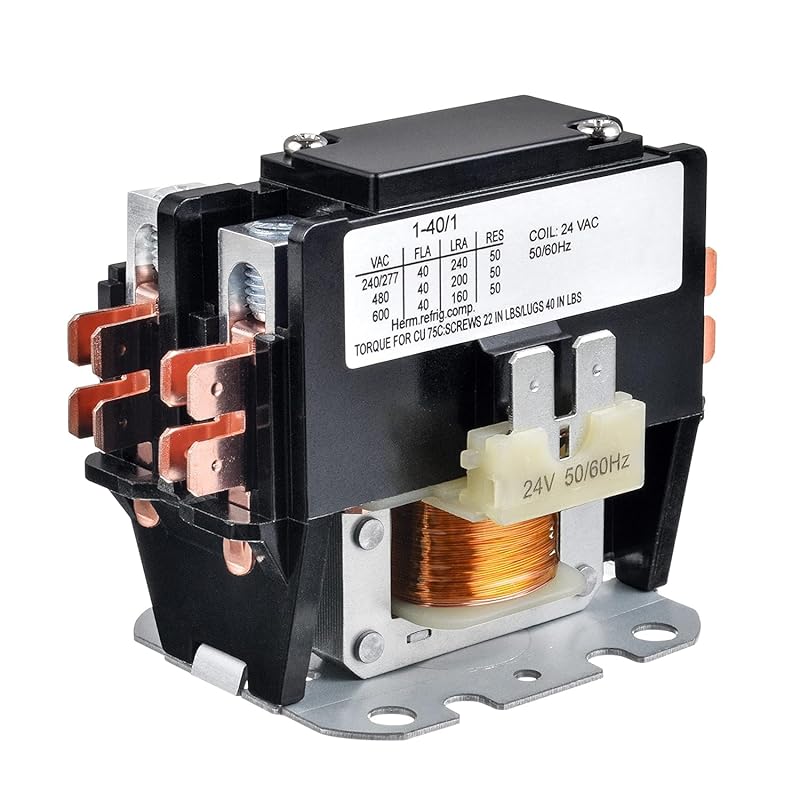
Carrier air conditioner fault 178 typically indicates a communication error between the indoor and outdoor units. This issue often stems from wiring problems, loose connections, or internal control board faults. Understanding the root cause can help you restore cooling quickly and avoid costly repairs.
Key Takeaways
- Fault 178 is a communication error: It signals a problem between the indoor and outdoor AC units.
- Common causes include wiring issues: Loose, damaged, or incorrectly connected wires are frequent culprits.
- Control board malfunctions may be involved: A faulty PCB in either unit can disrupt data flow.
- Troubleshooting starts with the basics: Check power supply, fuses, and connections before calling a technician.
- Professional diagnosis is recommended: Complex electrical issues require expert handling for safety and accuracy.
- Preventive maintenance helps avoid future faults: Regular servicing reduces the risk of unexpected breakdowns.
Quick Answers to Common Questions
Is fault 178 dangerous to ignore?
Yes. Ignoring fault 178 can lead to complete system shutdowns, reduced efficiency, or secondary damage to motors and compressors. Prompt action prevents further complications.
Can I reset fault 178 myself?
You can try power cycling the unit by turning off the breaker for 5 minutes. If the fault returns, the underlying issue isn’t resolved and requires investigation.
Will a dirty filter cause fault 178?
Indirectly. Severe airflow restrictions increase stress on control boards and sensors, potentially triggering communication errors over time. Clean filters help maintain stable operation.
Do all Carrier models show fault 178 for the same problem?
Most modern Carrier systems use consistent error codes across platforms, but firmware versions may affect exact wording. Consult your model-specific manual for confirmation.
How much does it cost to fix fault 178?
Costs vary widely: simple wire fixes may cost $50–$100, while PCB replacements range from $300–$800 plus labor. Annual maintenance reduces long-term expenses.
📑 Table of Contents
- Understanding Carrier Air Conditioner Fault 178
- What Does Fault Code 178 Mean?
- Common Causes of Carrier Air Conditioner Fault 178
- How to Troubleshoot Carrier Air Conditioner Fault 178
- When to Call a Professional Technician
- Preventing Future Carrier Air Conditioner Faults
- Real-World Examples and Case Studies
Understanding Carrier Air Conditioner Fault 178
When your Carrier air conditioner suddenly stops working and displays “Fault 178,” it’s more than just an inconvenience—it’s a signal that something isn’t communicating properly inside your HVAC system. As one of the most trusted names in cooling technology, Carrier has built a reputation for reliability, but even top-tier systems aren’t immune to technical glitches. Fault code 178 specifically points to a communication failure between the indoor and outdoor units of your central air conditioning system.
This error commonly appears on Carrier models equipped with inverter-driven compressors or those using digital control boards. Unlike older split-system ACs that rely on simpler mechanical switches, modern Carrier units depend heavily on electronic data exchange. When that exchange breaks down, your entire cooling system may shut down as a safety measure. The good news? In many cases, Fault 178 is fixable with some basic troubleshooting steps—especially if you know what to look for.
In this comprehensive guide, we’ll walk you through everything you need to know about Carrier air conditioner fault 178: what causes it, how to interpret the error message, and most importantly, how to resolve it efficiently. Whether you’re a DIY enthusiast or simply want to understand what your technician is talking about, this article will equip you with practical knowledge to keep your home cool and stress-free.
What Does Fault Code 178 Mean?
Visual guide about Carrier Air Conditioner Fault 178
Image source: myhighlands.de
Carrier air conditioner fault 178 is officially classified as a “Communication Error” within their diagnostic framework. This code appears when the control board responsible for managing your AC’s operations detects an irregularity in the data being sent back and forth between the indoor air handler (also called the furnace or evaporator coil unit) and the outdoor condenser unit.
Modern Carrier systems use a digital communication protocol—often referred to as “data line communication” or “signal transmission”—to coordinate tasks like compressor speed, fan operation, temperature sensing, and safety checks. Think of it like a two-way conversation: the indoor unit sends a command (“Turn on the compressor at 60% capacity”), and the outdoor unit responds with status updates (“I’m running smoothly”). If this dialogue becomes disrupted, the system interprets it as a serious malfunction and activates fault code 178 to prevent potential damage.
It’s important to note that while fault 178 is specific to Carrier’s naming convention, other brands might label similar communication failures under different codes. However, the underlying principle remains the same across all major HVAC manufacturers: when the indoor and outdoor units can’t talk to each other reliably, the whole system halts.
The Role of Control Boards and Wiring Networks
At the heart of this communication network are two key components: the indoor control board (usually located inside the air handler) and the outdoor unit’s printed circuit board (PCB). These boards act as the “brains” of your AC system, processing sensor inputs, executing commands, and facilitating real-time coordination.
The physical link between these boards is typically a set of four or six colored wires running through a conduit from the indoor unit to the outdoor unit. These wires carry low-voltage signals (usually 24 volts) that represent digital data rather than high-powered electricity. Because they handle delicate information, even minor damage—like pinched insulation or corrosion—can corrupt the signal.
For example, imagine trying to send a text message while walking through a storm. Static interference, dropped calls, or garbled words happen because the connection is unstable. That’s essentially what’s happening inside your AC when fault 178 triggers. The system senses “noise” or “no response” in the expected data stream and logs the error.
Common Causes of Carrier Air Conditioner Fault 178
Visual guide about Carrier Air Conditioner Fault 178
Image source: i.pinimg.com
While the official definition of fault 178 centers around communication failure, several underlying issues could be causing the disruption. Identifying the root cause is crucial because fixing the wrong thing won’t resolve the problem and may even make it worse. Below are the most frequent contributors to this error:
Loose or Corroded Wire Connections
One of the simplest yet most impactful causes of fault 178 is poor electrical connectivity. Over time, vibration from the compressor can loosen wire nuts or terminal connections inside the outdoor unit. Similarly, moisture intrusion in humid climates can lead to oxidation on copper contacts, creating resistance that interferes with signal transmission.
Consider a scenario where a wire nut on the outdoor PCB has come partially unscrewed. Even a slight gap in contact can break the data stream, triggering fault 178 without affecting overall power delivery. This type of issue is often overlooked during routine maintenance because it doesn’t always cause immediate visible symptoms—until the system tries to communicate.
Damaged or Crossed Wiring
Another common culprit is wiring damage due to installation errors or environmental factors. During new installations, improper routing of the interconnecting wires can expose them to sharp edges, rodents, or excessive bending. Rodents chewing through insulation is surprisingly prevalent in older homes and can sever critical signal lines.
Additionally, crossed wires—where two or more signal wires are swapped accidentally—can confuse the control boards. For instance, if the TX (transmit) and RX (receive) wires are reversed, the outdoor unit won’t recognize incoming commands, leading to a communication timeout and fault activation.
Faulty Control Boards (Indoor or Outdoor)
Sometimes, the problem lies not with the wires but with the electronics themselves. Control boards can degrade over time due to heat exposure, power surges, or manufacturing defects. A failing indoor control board may stop sending proper handshake signals, while a compromised outdoor PCB might fail to respond altogether.
In rare cases, firmware bugs or corrupted software on the board can also mimic hardware failure. While Carrier rarely releases public firmware updates for consumer units, internal diagnostics sometimes flag such anomalies under fault 178.
Poor Grounding or Electrical Interference
Electrical noise from nearby appliances (like pool pumps or garage door openers) can interfere with your AC’s low-voltage communication lines. Without proper grounding, stray voltages may distort the signal integrity, causing false error readings. Similarly, homes with outdated wiring or shared neutral circuits are more prone to interference-related faults.
How to Troubleshoot Carrier Air Conditioner Fault 178
Before reaching for a multimeter or calling a professional, start with these safe, logical steps. Most Carrier fault 178 issues can be diagnosed using only basic tools and a bit of patience.
Step 1: Power Down and Inspect
Always turn off the power to both the indoor and outdoor units at the breaker panel before beginning any inspection. Safety first! Once powered down, locate the disconnect switch near the outdoor unit—this is usually a large red lever or pull-cord labeled “Disconnect.” Flip it off to cut power completely.
Next, visually examine the wire harness connecting the indoor and outdoor units. Look for:
– Frayed or melted insulation
– Loose wire nuts
– Signs of rodent activity
– Corrosion on terminals
Tighten any visibly loose connections using a screwdriver. Avoid overtightening, which can strip plastic threads.
Step 2: Check the Indoor Unit’s Display
Reconnect power and restart the system. Observe whether fault 178 reappears immediately or after a few minutes. If it returns right away, the issue is likely persistent and requires deeper investigation. Note any additional error codes—sometimes multiple faults appear simultaneously.
On many Carrier models, pressing the “Menu” or “Info” button on the indoor unit’s display will show detailed diagnostic logs. Review these entries for patterns (e.g., repeated timeouts during startup).
Step 3: Test Continuity with a Multimeter
If you’re comfortable using a digital multimeter, test continuity across the communication wires. Disconnect the wire bundle at both ends and measure resistance between corresponding pairs (typically green-white, yellow-blue, etc.). Normal values should read close to zero ohms (a short circuit) or infinite resistance (an open circuit), depending on the wire’s function.
Compare your readings to the wiring diagram found in your Carrier user manual or online support portal. Significant deviations suggest damaged wiring or a bad connection.
Step 4: Swap Components for Isolation
If continuity tests pass but fault 178 persists, consider swapping suspect parts. Temporarily replace the outdoor PCB with a known-good unit (if available) or have a technician perform a controlled swap test. This method helps isolate whether the fault originates indoors or out.
Note: Never attempt to bypass safety interlocks or modify original wiring without consulting a licensed HVAC technician.
When to Call a Professional Technician
While DIY troubleshooting works for simple connection fixes, some scenarios demand expert intervention:
– You detect burnt smells or smoke near control boards
– Multiple error codes appear alongside fault 178
– The system powers on but won’t initiate cooling cycles
– You lack experience with low-voltage electrical systems
Licensed HVAC technicians possess specialized equipment—such as infrared thermometers, oscilloscopes, and advanced diagnostic scanners—that allow them to pinpoint subtle signal irregularities invisible to the untrained eye. They’re also trained to handle refrigerant safely and recalibrate sensitive controls according to Carrier’s specifications.
Moreover, attempting complex repairs without certification voids warranties and increases liability risks. Always prioritize safety and compliance when dealing with residential HVAC systems.
Choosing the Right Service Provider
If you decide to hire help, look for contractors certified by NATE (North American Technician Excellence) or authorized Carrier dealers. These professionals receive ongoing training on the latest model-specific diagnostics and have access to proprietary service tools. Ask for references and verify licensing before scheduling work.
Regular maintenance agreements often include priority response times and discounted emergency calls—worth considering if your system frequently throws error codes.
Preventing Future Carrier Air Conditioner Faults
Prevention is always better than cure—especially when it comes to expensive HVAC equipment. Here’s how to minimize the chances of encountering fault 178 or similar issues:
Schedule Annual Maintenance
Have a qualified technician inspect your system once per year. Routine checks include tightening electrical connections, cleaning coils, testing capacitors, and verifying control board functionality. Many providers offer spring and fall tune-ups tailored to seasonal demands.
Keep Vents and Filters Clean
Clogged air filters restrict airflow, forcing the system to work harder and generating excess heat that stresses control electronics. Replace disposable filters every 1–3 months; vacuum reusable ones regularly.
Avoid Blocking Outdoor Units
Ensure vegetation, furniture, or debris doesn’t obstruct airflow around the condenser unit. Poor ventilation raises operating temperatures and accelerates component wear.
Install Surge Protectors
Power surges from lightning strikes or grid fluctuations can fry delicate PCBs. Whole-house surge protectors shield your entire electrical system, including HVAC controls.
Monitor System Performance
Pay attention to unusual sounds, reduced cooling efficiency, or frequent cycling. Early signs often precede full-blown faults. Address minor quirks promptly before they escalate.
Real-World Examples and Case Studies
To illustrate how fault 178 manifests in practice, let’s explore two common household situations:
**Case Study 1: The Unscrewed Wire Nut**
A homeowner in Phoenix noticed their Carrier 3-ton unit suddenly stopped cooling mid-summer. The indoor display flashed “F178” repeatedly. After turning off power, the technician discovered one wire nut on the outdoor PCB had vibrated loose during the previous winter. Tightening it resolved the issue instantly. No parts were replaced, saving hundreds in labor costs.
**Case Study 2: Rodent Damage in Attic Space**
In suburban Ohio, a family’s Carrier system began showing fault 178 every afternoon. Investigation revealed squirrels had chewed through the insulation of the indoor-outdoor wire bundle stored in an attic crawlspace. Replacing the damaged section and installing protective conduit eliminated recurrence.
These examples highlight how seemingly minor environmental factors can trigger major system errors—and why proactive care matters.
Frequently Asked Questions
What does fault code 178 mean on my Carrier AC?
Fault 178 indicates a communication breakdown between your indoor and outdoor air conditioning units. This prevents the system from coordinating essential functions like cooling cycles and safety protocols.
How do I clear fault 178 on my Carrier air conditioner?
First, check all wire connections for looseness or damage. Power cycle the unit by switching off the main breaker for at least five minutes. If the error persists, consult a technician to inspect the control boards and wiring.
Can loose wires cause fault 178?
Absolutely. Vibration over time can loosen wire nuts or terminals in the outdoor unit, disrupting the low-voltage signal needed for communication between components.
Is fault 178 a serious problem?
While not immediately hazardous, it’s a warning sign that shouldn’t be ignored. Continuing to operate the system with this fault may result in further mechanical stress or total failure.
Does warranty cover fault 178 repairs?
Typically yes—if diagnosed by an authorized Carrier technician. DIY attempts to replace parts may void coverage, so professional evaluation is advised.
How often should I service my Carrier AC to prevent faults?
We recommend annual maintenance by a qualified HVAC specialist. Seasonal tune-ups ensure optimal performance and catch developing issues like wiring degradation before they trigger faults.