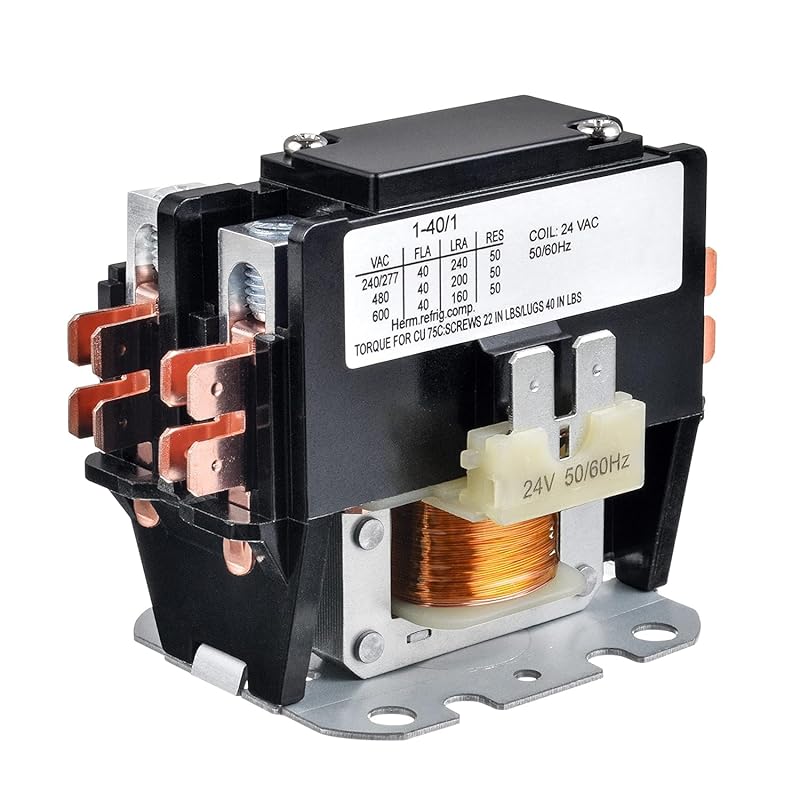
Carrier air conditioners are known for their reliability and energy efficiency, but many homeowners have questions about how they work, when to service them, and how to save on energy bills. This comprehensive guide answers the top Carrier AC FAQs so you can make informed decisions about your cooling system. Whether you’re installing a new unit or troubleshooting an issue, we’ve got you covered with expert advice and practical tips.
Key Takeaways
- Understanding carrier air conditioner faq: Provides essential knowledge
Quick Answers to Common Questions
How long does a Carrier air conditioner last?
A well-maintained Carrier AC typically lasts 15–20 years. Regular cleaning, timely repairs, and annual servicing help achieve this lifespan.
Can I install a Carrier AC myself?
No. Carrier air conditioners require professional installation due to refrigerant handling, electrical wiring, and safety regulations.
What’s the difference between single-stage and two-stage cooling?
Single-stage units run at full capacity only; two-stage operate at high and low speeds, improving efficiency and comfort.
How often should I replace my air filter?
Every 1–3 months, depending on pet hair, allergies, or dust levels. Clogged filters restrict airflow and raise energy bills.
Is a Carrier AC worth the investment?
Yes, especially for long-term savings, durability, and advanced features like smart controls and high SEER ratings.
📑 Table of Contents
- Your Complete Guide to Carrier Air Conditioner FAQs
- How Do Carrier Air Conditioners Work?
- Why Choose a Carrier Air Conditioner?
- Installation and Sizing Considerations
- Maintenance Tips for Optimal Performance
- Troubleshooting Common Issues
- Smart Features and Home Integration
- Warranty and Service Support
Your Complete Guide to Carrier Air Conditioner FAQs
If you’re considering a new air conditioning system or already own a Carrier unit, chances are you have questions. Carrier has been a trusted name in climate control for over a century, and for good reason—their systems combine innovation, durability, and energy efficiency. But with so many models, features, and technical terms floating around, it’s easy to feel overwhelmed. That’s why we’ve created this comprehensive guide to answer the most frequently asked questions about Carrier air conditioners.
This article covers everything from basic operation and installation to maintenance tips and troubleshooting advice. Whether you’re shopping for a new unit, scheduling service, or just curious about how your AC works, you’ll find clear, helpful answers here. We’ll keep things simple, conversational, and focused on real-world benefits—because no one wants to read dense technical manuals when a quick tip can solve their problem.
How Do Carrier Air Conditioners Work?
At its core, a Carrier air conditioner cools your home using the refrigeration cycle. Here’s a simplified breakdown:
Visual guide about Carrier Air Conditioner Faq
Image source: i.kym-cdn.com
- The outdoor unit houses the compressor and condenser coil.
- Refrigerant circulates through coils, absorbing heat from indoor air.
- The blower fan pushes warm air across evaporator coils inside the house.
- Cooled air is distributed throughout your home via ductwork.
- Heat extracted from indoors is released outside.
Understanding the Refrigeration Cycle
The magic happens in what’s called the vapor-compression cycle. Liquid refrigerant enters the evaporator coil as a low-pressure gas. As it absorbs heat from indoor air, it turns into vapor. This vapor travels to the compressor, which increases its pressure and temperature. Then it moves to the condenser coil outdoors, where fans blow air over it to release heat. The refrigerant returns as a cold liquid, ready to absorb more heat—and the cycle repeats.
Modern Carrier units often include additional components like variable-speed motors and smart thermostats to fine-tune performance and efficiency.
Types of Carrier Air Conditioners
Carrier offers several types of central air conditioners, each suited to different homes and needs:
- Single-Stage: Runs at full capacity only. Most affordable option, good for mild climates.
- Two-Stage: Operates at high and low speeds. More efficient and quieter—ideal for year-round comfort.
- Variable-Speed: Adjusts output continuously. Best for precise temperature control and energy savings.
- Ductless Mini-Split Systems: No ducts needed; perfect for room additions or older homes.
Each type comes with Carrier’s signature reliability and engineering, but choosing the right one depends on your home size, insulation, and budget.
Why Choose a Carrier Air Conditioner?
You might wonder: “Why not go with a cheaper brand?” While cost is important, Carrier stands out for several reasons. First, their units are built to last—many components are designed for decades of reliable service. Second, Carrier leads in energy efficiency, with some models earning ENERGY STAR® certification and achieving SEER ratings up to 26.
Visual guide about Carrier Air Conditioner Faq
Image source: d1avenlh0i1xmr.cloudfront.net
Additionally, Carrier offers excellent customer support and nationwide service networks. Their Comfort Advisor tool helps match the right model to your home, and their online resources make troubleshooting easier than ever.
Energy Efficiency and Cost Savings
One of the biggest advantages of a Carrier air conditioner is its potential to lower your utility bills. High-efficiency models use advanced compressors and fans that adjust output based on demand. For example, instead of turning on at full blast every time, a two-stage unit runs at 65–70% capacity most of the time—saving energy while maintaining comfort.
To put this into perspective:
- A 14 SEER unit uses about 2,900 kWh per year.
- A 21 SEER unit uses roughly 1,900 kWh—that’s nearly 35% less electricity!
Over the life of the system, those savings add up. And with federal tax credits available for high-efficiency HVAC upgrades, investing in a Carrier AC may be more affordable than you think.
Installation and Sizing Considerations
Installing a new Carrier air conditioner isn’t something you should DIY unless you’re a licensed HVAC technician. Proper installation ensures safe operation, maximizes efficiency, and keeps your warranty valid.
What Happens During Installation?
A professional technician will:
- Assess your home’s cooling load (square footage, insulation, window count).
- Select the correct BTU/hour rating for your space.
- Install both indoor and outdoor units with proper refrigerant lines and electrical connections.
- Test the system for leaks, airflow, and thermostat accuracy.
- Provide maintenance instructions and warranty details.
The Importance of Correct Sizing
Too small a unit struggles to cool your home; too large cycles on/off constantly, wasting energy and reducing comfort. Carrier uses Manual J calculations to determine the ideal size. For instance, a 1,500 sq ft well-insulated home might need a 3-ton (36,000 BTU) unit, while a poorly insulated 2,000 sq ft home could require 4 tons.
Remember: bigger isn’t always better. An oversized AC short-cycles, meaning it cools quickly but doesn’t dehumidify properly—leading to sticky, uncomfortable rooms.
Maintenance Tips for Optimal Performance
Like any appliance, your Carrier air conditioner performs best with regular care. Neglecting maintenance can reduce efficiency, increase energy bills, and shorten the system’s lifespan.
Monthly Maintenance Tasks
Do these yourself easily:
- Replace or clean air filters every 1–3 months (depending on usage).
- Clear debris from around the outdoor unit.
- Check thermostat settings and calibrate if needed.
Annual Professional Servicing
Schedule a tune-up once a year. Technicians will:
- Inspect refrigerant levels and charge if necessary.
- Clean coils and check for blockages.
- Lubricate moving parts.
- Test electrical connections and controls.
- Evaluate overall system health.
Think of it like an oil change for your car—preventive maintenance avoids expensive breakdowns down the road.
Troubleshooting Common Issues
Even the best Carrier air conditioners can run into hiccups. Here are some frequent problems and what they might mean:
Unit Doesn’t Turn On
First, check the circuit breaker. If it tripped, reset it. Also verify the thermostat is set correctly and batteries aren’t dead. If everything looks fine but nothing happens, call a technician—there could be an internal fault.
Air Isn’t Cold Enough
This usually points to low refrigerant, dirty filters, or blocked airflow. Start by replacing the filter. If that doesn’t help, check vents for obstructions. Persistent issues may require professional diagnosis, especially if refrigerant is involved (which requires EPA certification to handle).
Strange Noises
Rattling could mean loose parts; squealing suggests bearing trouble; grinding noises often indicate motor failure. Any unusual sound warrants immediate attention—delaying repairs risks permanent damage.
High Energy Bills
If your Carrier AC suddenly spikes consumption, look for hidden causes: dirty coils, malfunctioning thermostat, or improper sizing. Sometimes, simply cleaning the outdoor unit or adjusting fan speed settings can restore efficiency.
Smart Features and Home Integration
Many modern Carrier air conditioners come Wi-Fi enabled, allowing remote control via smartphone apps. You can adjust temperatures, monitor usage, receive maintenance alerts, and even integrate with voice assistants like Alexa or Google Assistant.
For example, imagine coming home from vacation and realizing you left the AC running. With the Carrier app, you can turn it off instantly—saving money and peace of mind.
Some models also include adaptive dehumidification, which automatically adjusts humidity levels based on outdoor conditions—keeping your home comfortable without manual tweaking.
Warranty and Service Support
Carrier backs its products with solid warranties. Standard coverage includes:
- Parts: 10 years (on select models), sometimes prorated.
- Compressor: Often 10 years with registration.
- Labor: Typically 1–2 years, depending on installer.
To maximize protection, register your unit online within 60 days of installation. Keep records of all maintenance visits—they strengthen warranty claims and prove proper care.
If you ever need service, Carrier’s network of certified dealers ensures qualified technicians handle repairs. Avoid third-party contractors who aren’t factory-trained—they risk voiding your warranty.
Frequently Asked Questions
What is the best time of year to replace my Carrier air conditioner?
Spring or early fall is ideal. Scheduling during off-peak seasons means faster service, lower prices, and cooler temps when you need them most.
Can I use a programmable thermostat with my Carrier AC?
Absolutely. Pairing your unit with a compatible thermostat allows automated scheduling and energy-saving modes for greater comfort and efficiency.
How do I know if my Carrier AC is low on refrigerant?
Signs include weak cooling, ice buildup on coils, or hissing sounds. Low refrigerant indicates a leak, which must be repaired by a licensed technician.
Are Carrier ductless systems suitable for whole-house cooling?
Yes, multi-zone mini-splits can cool entire homes without ducts—ideal for homes lacking ductwork or needing targeted cooling.
Does Carrier offer financing options?
Yes, many dealers provide flexible financing plans, including 0% APR promotions, to help spread the cost of new installations.
How can I improve indoor air quality with my Carrier AC?
Consider adding a HEPA filter or UV light system. Some Carrier models include built-in air purifiers and humidity control for cleaner, healthier air.