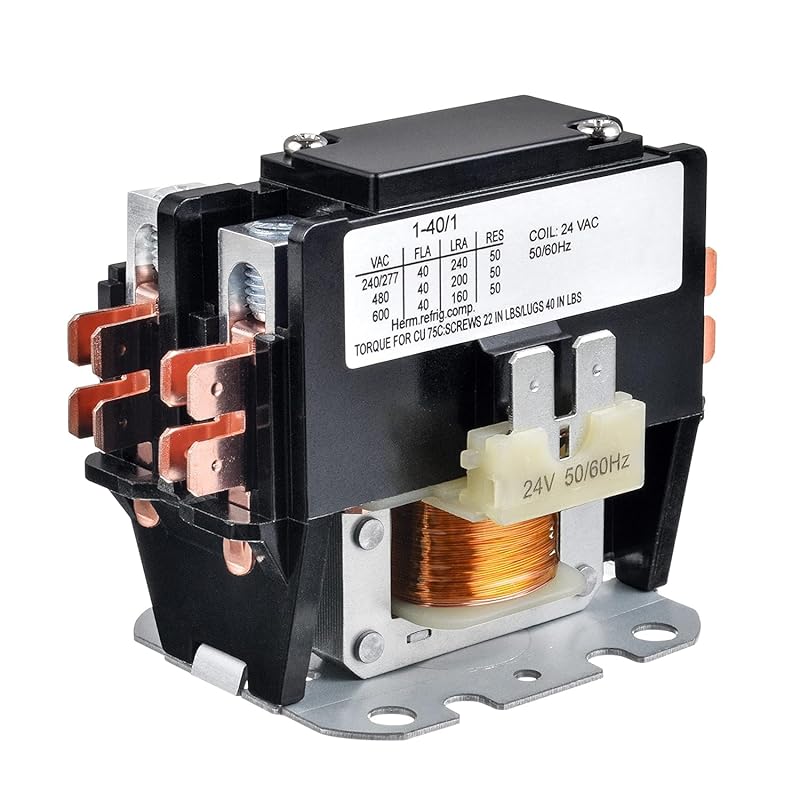
Replacing your Carrier air conditioner fan motor can save you hundreds in repair costs and extend your unit’s lifespan. Whether you’re dealing with a noisy blower or complete system shutdown, knowing the right replacement parts and steps makes all the difference. This guide walks you through everything from identifying symptoms to installing a new motor safely and effectively.
Key Takeaways
- Recognize common symptoms: A failing fan motor often causes unusual noises, weak airflow, or complete system shutdown.
- Match the correct model: Always verify your AC unit’s serial number and motor specifications before purchasing a replacement.
- Safety first: Turn off power at the breaker and discharge capacitors before handling electrical components.
- DIY vs. professional help: Simple replacements may be doable at home, but complex wiring or refrigerant work requires licensed technicians.
- Prevent future issues: Clean filters regularly and inspect belts and pulleys to avoid premature motor wear.
- Warranty considerations: Check if your Carrier unit is still under warranty—improper DIY repairs might void coverage.
Quick Answers to Common Questions
How do I know if my Carrier AC fan motor is bad?
Look for no airflow despite the AC running, loud grinding or buzzing sounds, frequent breaker trips, or warm air instead of cool. These are classic signs of a failing fan motor.
Can I replace the fan motor myself?
Yes, if you’re comfortable working with basic tools and electrical components. Always turn off power and follow safety precautions. Complex systems may require a professional.
What’s the average cost of a Carrier fan motor replacement?
Parts typically range from $150 to $400 depending on type (PSC vs. variable speed). Labor adds another $200–$500 if hiring a technician, totaling $350–$900.
Will a universal fan motor work for my Carrier unit?
Only if it matches voltage, horsepower, RPM, and mounting dimensions exactly. Using the wrong motor risks poor performance or system damage. Stick to OEM or verified equivalents.
How long does a Carrier fan motor usually last?
With proper maintenance, Carrier fan motors can last 10–15 years. Environmental factors like dust buildup or electrical surges may shorten this lifespan.
📑 Table of Contents
- Carrier Air Conditioner Fan Motor Replacements: Your Complete Guide
- Why Carrier Air Conditioners Use High-Quality Fan Motors
- Signs You Need a Carrier Air Conditioner Fan Motor Replacement
- How to Choose the Right Carrier Air Conditioner Fan Motor
- DIY vs. Hiring a Professional: What Should You Do?
- Step-by-Step Guide: Replacing Your Carrier AC Fan Motor
- Tips to Extend the Life of Your New Fan Motor
- Troubleshooting Common Issues After Replacement
Carrier Air Conditioner Fan Motor Replacements: Your Complete Guide
You’re sitting in your living room on a sweltering summer afternoon, expecting a cool breeze from your Carrier air conditioner—but instead, there’s nothing. No airflow. Just silence. Or worse, a loud grinding noise that makes you worry about a bigger breakdown. Chances are, your Carrier air conditioner fan motor has finally given up. Don’t panic—this is one of the most common HVAC issues, and it’s often fixable with the right knowledge and tools.
In this article, we’ll walk you through everything you need to know about Carrier air conditioner fan motor replacements. From diagnosing the problem to selecting the correct part and even doing the job yourself (if you’re comfortable), we’ve got you covered. Whether you’re a homeowner looking to save money or just want to understand what’s going on inside your AC, this guide will turn confusion into confidence.
Why Carrier Air Conditioners Use High-Quality Fan Motors
Carrier has long been recognized as a leader in HVAC technology, known for reliability, energy efficiency, and durability. One reason their systems last so long—and perform so well—is the quality of internal components, especially the fan motor. Unlike generic motors found in cheaper units, Carrier uses precision-engineered fan motors designed to handle continuous operation, resist heat buildup, and maintain consistent airflow over years of use.
The Role of the Fan Motor in Your AC Unit
The fan motor is the heart of your air conditioning system’s indoor blower assembly. It powers the blower wheel, which pushes cooled air through your ductwork and into your rooms. Without it, your AC can’t distribute cold air, making the entire system useless regardless of how cold the compressor runs.
There are two main types of fan motors used in Carrier units:
- Permanent Split Capacitor (PSC) motors: Common in older models, these run continuously and are less efficient but more affordable.
- Two-Speed or Variable Speed motors: Found in newer Carrier systems, these adjust fan speed based on demand, improving energy efficiency and comfort.
If your motor fails, you won’t get air—even if the compressor is working perfectly. That’s why prompt diagnosis and replacement matter.
Signs You Need a Carrier Air Conditioner Fan Motor Replacement
Not every odd sound or weak draft means your motor is dead. But certain warning signs point directly to a failing fan motor. Here’s how to tell:
Visual guide about Carrier Air Conditioner Fan Motor Replacements
Image source: img.tukuppt.com
1. No Airflow Despite the AC Running
If your thermostat says “cooling,” but no cold air comes out, the issue could be a stopped or severely weakened fan motor. Listen closely: if you hear the compressor humming but feel almost no breeze, the motor may have seized.
2. Loud Grinding or Buzzing Sounds
A healthy fan motor operates quietly. Any grinding, squealing, or high-pitched buzzing usually indicates worn bearings, misaligned blades, or electrical issues within the motor itself.
3. Frequent Tripping of Circuit Breakers
If your breaker keeps tripping when the AC turns on, it could mean the motor is drawing too much power due to internal damage or a short circuit.
4. Warm Air Instead of Cool
This might seem obvious, but sometimes only one side of the house gets cool air. If the opposite side stays warm, the fan motor on that side may be malfunctioning.
5. Visible Burn Marks or Smoke
Open your air handler (carefully!) and look for scorch marks near the motor housing. This is a clear sign of electrical failure and immediate replacement is necessary.
Keep in mind: while some symptoms overlap with other issues (like clogged filters or dirty coils), a persistent lack of airflow strongly suggests a motor problem—especially in Carrier units where components are built to last.
How to Choose the Right Carrier Air Conditioner Fan Motor
Buying the wrong replacement motor is a mistake many homeowners make. To avoid costly errors, follow these steps:
Step 1: Locate Your Model Number
Your Carrier AC unit should have a model and serial number plate—usually on the outdoor condenser or indoor air handler cabinet. Write it down carefully. You’ll need this to find an exact match.
Step 2: Identify Motor Specifications
Once you have the model number, check the existing motor for details like voltage (typically 120V), horsepower (e.g., 1/3 HP), RPM, and shaft size. These specs ensure compatibility.
Step 3: Match OEM or Equivalent Parts
Always prefer OEM (Original Equipment Manufacturer) parts when possible. While aftermarket alternatives exist, they may not meet Carrier’s performance standards. However, if OEM isn’t available, look for UL-listed equivalents with matching electrical ratings.
Step 4: Consider Motor Type
If your old motor is a PSC type, don’t assume a new PSC will work unless confirmed by your model number. Some Carrier models use ECM (electronically commutated motors) for better efficiency. Using the wrong type can cause system imbalance or damage.
Pro tip: Use Carrier’s official website or contact their customer service with your model number for verified part recommendations.
DIY vs. Hiring a Professional: What Should You Do?
Can you replace the fan motor yourself? Absolutely—many experienced homeowners succeed with basic tools and patience. But it depends on your comfort level and the complexity of your setup.
When to Try It Yourself
- You have basic hand tools (screwdrivers, wrenches, multimeter).
- Your unit is accessible with minimal ductwork removal.
- You’ve done similar electrical work before.
- You’re replacing a standard PSC motor in an older Carrier model.
For these cases, online tutorials and forums offer detailed step-by-step guides. YouTube videos showing actual installations can be incredibly helpful.
When to Call a Pro
- Your system uses variable-speed or ECM motors (more complex wiring).
- You’re uncomfortable working around live wires or capacitors.
- The motor is located in a tight or hard-to-reach space.
- Your unit is under warranty (DIY work may void it).
Licensed HVAC technicians have the training, tools, and insurance to handle replacements safely and correctly. Plus, they can inspect other components while they’re already servicing your system.
Step-by-Step Guide: Replacing Your Carrier AC Fan Motor
Ready to tackle this project? Follow these general steps. **Remember: always turn off power at the breaker and wait 10–15 minutes for capacitors to discharge.**
Tools & Materials You’ll Need
- Multimeter
- Screwdrivers (Phillips and flathead)
- Adjustable wrench
- Replacement fan motor (verified compatible)
- Safety glasses and gloves
Step 1: Shut Off Power
Locate your main electrical panel and switch off the breaker labeled “AC” or “HVAC.” Double-check with a non-contact voltage tester.
Step 2: Remove Access Panels
Unscrew the front or side panels of your indoor air handler. Be gentle—some clips break easily.
Step 3: Disconnect Old Motor
Take photos of wire connections first! Label them if needed. Unplug each wire carefully from the terminals. Note which color connects where (e.g., black to black, white to white).
Step 4: Remove Mounting Hardware
Unbolt the motor from its bracket. Some models use rubber isolators—don’t lose those!
Step 5: Install New Motor
Position the new motor exactly where the old one was. Secure it with bolts and reattach isolators if present.
Step 6: Reconnect Wires
Match the wires using your reference photos. Tighten terminals securely—loose connections cause sparks and poor performance.
Step 7: Test the System
Restore power and turn on your AC. Listen for normal operation and confirm airflow. Run it for 15 minutes to ensure stability.
⚠️ Warning: Never skip capacitor discharge. Even with the power off, stored energy can cause serious injury.
Tips to Extend the Life of Your New Fan Motor
A good replacement is only half the battle. With proper care, your new Carrier air conditioner fan motor can last 10+ years. Here’s how:
1. Change Filters Regularly
Clogged air filters force the motor to work harder, increasing wear. Replace pleated filters every 1–3 months; throwaway ones more frequently during peak seasons.
2. Keep Coils Clean
Dust and debris on evaporator or condenser coils reduce efficiency, causing the motor to compensate. Schedule annual coil cleaning.
3. Lubricate Bearings (If Applicable)
Some older motors have oil ports for manual lubrication. Check your manual—but most modern motors are sealed and maintenance-free.
4. Inspect Belts and Pulleys
If your system uses a belt-driven blower (common in larger homes), check for cracks or looseness. A slipping belt strains the motor.
5. Avoid Overworking the System
Set your thermostat reasonably. Cranking it to 65°F when it’s 90°F outside forces constant high-speed operation, shortening motor life.
6. Schedule Annual Maintenance
A certified technician can spot early signs of motor stress, clean internal components, and tighten loose connections before they fail.
Troubleshooting Common Issues After Replacement
Even with careful installation, problems can arise. Don’t assume the motor is faulty again—check these common post-installation issues:
Motor Still Doesn’t Run
Double-check all wire connections. Use a multimeter to test for continuity and correct voltage at the motor terminals.
Weak Airflow
Ensure the blower wheel spins freely. Sometimes the old motor’s debris clogs the wheel. Clean it gently with compressed air.
Strange Noises Return
Misalignment between the motor and blower wheel causes vibration. Rebalance the assembly or adjust mounting brackets.
System Cycles On/Off Rapidly
This could indicate a thermostat issue or low refrigerant levels—not the motor. Have a pro diagnose further.
If problems persist after checking these items, consult a technician. Rushing to replace another component without proper diagnosis wastes time and money.
Frequently Asked Questions
Is it worth replacing a carrier air conditioner fan motor?
Yes, especially if your unit is under 15 years old. A new motor restores full cooling capacity and prevents further damage to other components, offering excellent value compared to a full system replacement.
Can a bad fan motor damage other parts of my AC?
Absolutely. If the fan stops spinning, condensation builds up in the evaporator coil and freezes it. This leads to reduced airflow, higher energy bills, and potential ice buildup that damages the compressor.
How do I find the right replacement motor for my Carrier AC?
Use your model and serial number to search Carrier’s official parts database or contact their support team. Cross-reference voltage, HP, and mounting holes to ensure perfect fit and function.
Should I replace both the motor and capacitor at the same time?
If your capacitor is old or shows signs of bulging/leaking, yes—replace it too. Capacitors wear out gradually and often fail simultaneously with motors, so doing both saves future hassle.
What tools do I need to replace the fan motor?
Basic tools include screwdrivers, wrenches, pliers, and a multimeter. Safety gear like gloves and goggles are essential. Optional but helpful: a flashlight, label maker, and zip ties for organizing wires.
Does Carrier offer extended warranties on replacement motors?
Some authorized dealers sell extended service plans covering replacement parts, including motors. Check with local HVAC providers or visit Carrier’s official warranty page for details specific to your region.