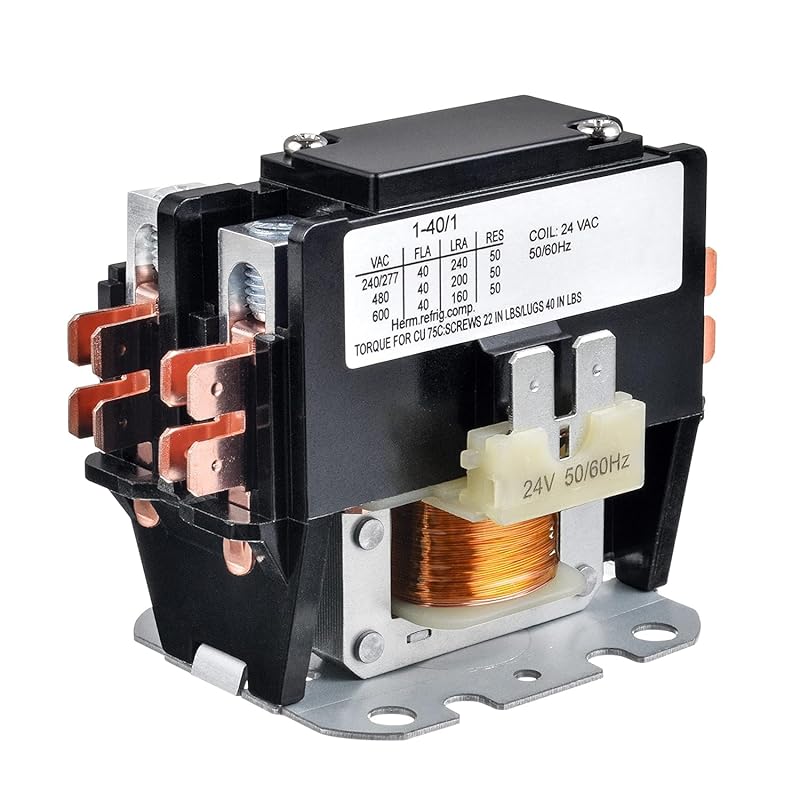
Carrier air conditioner fan motor parts are vital for keeping your HVAC system running smoothly. These components help circulate cool air and ensure energy efficiency. Whether you’re troubleshooting or replacing a part, understanding the basics can save time and money.
Key Takeaways
- Understanding carrier air conditioner fan motor parts: Provides essential knowledge
Quick Answers to Common Questions
Can I replace the fan motor capacitor myself?
Yes, replacing a capacitor is a common DIY task. Just ensure the power is off, discharge the capacitor safely using an insulated screwdriver, and match the new capacitor’s voltage and microfarad rating to your unit’s specs.
How often should I clean my AC’s blower wheel?
At least once per year—ideally before the cooling season begins. More frequent cleaning (every 6 months) helps if you live in dusty areas or have pets that shed fur.
Why is my Carrier AC making a loud humming noise?
A persistent hum without airflow often indicates a faulty capacitor or seized motor. Start by checking the capacitor; if it’s swollen or leaking, replace it. If the motor still won’t spin, professional diagnosis is needed.
Are variable-speed motors worth the upgrade?
Absolutely. Variable-speed (ECM) motors improve energy efficiency, reduce noise, and provide better humidity control. They’re ideal for larger homes or those using smart thermostats with zoning features.
How long do Carrier fan motors typically last?
With proper maintenance, most fan motors last 10–15 years. High-efficiency models with ECM technology may exceed 20 years. Neglect or hard water conditions can shorten this lifespan significantly.
📑 Table of Contents
- Introduction: Why Carrier Air Conditioner Fan Motor Parts Matter
- What Is the Role of the Fan Motor in a Carrier AC Unit?
- Common Carrier Air Conditioner Fan Motor Parts and Their Functions
- Recognizing Signs That Your Fan Motor Needs Attention
- DIY Maintenance Tips for Carrier Air Conditioner Fan Motor Parts
- When to Call a Professional vs. Handling Repairs Yourself
- Choosing Genuine Carrier Replacement Parts
- Conclusion: Keep Your Carrier System Running Strong
Introduction: Why Carrier Air Conditioner Fan Motor Parts Matter
When your Carrier air conditioning unit starts acting up, one of the first things you might suspect is the fan motor. After all, this component plays a central role in moving air through your home’s ductwork and maintaining comfortable indoor temperatures. But did you know that the fan motor itself relies on several smaller, yet equally important, carrier air conditioner fan motor parts? From the capacitor that powers the start winding to the blower wheel that pushes air across the evaporator coil—each piece works together like a well-oiled machine.
In this guide, we’ll walk you through everything you need to know about these essential components. Whether you’re hearing strange humming sounds, noticing reduced airflow, or just want to keep your system running efficiently, understanding how carrier air conditioner fan motor parts function will empower you to make informed decisions. We’ll cover common symptoms of failure, DIY maintenance tips, when to call a pro, and even where to find genuine replacement parts. By the end, you won’t just be a user—you’ll be an expert in your own cooling system.
What Is the Role of the Fan Motor in a Carrier AC Unit?
The fan motor is essentially the heart of your Carrier air conditioning system’s ventilation. It drives the blower assembly, which pulls warm air from your home, passes it over the cold evaporator coils, and then distributes cooled air back into your living spaces. Without a properly functioning motor, your unit simply can’t deliver consistent comfort—even if the compressor runs perfectly.
Visual guide about Carrier Air Conditioner Fan Motor Parts
Image source: dunenewsnet.com
How the Motor Powers Airflow
Most residential Carrier systems use a single-phase electric motor connected directly to a blower wheel via a drive belt (in older models) or directly coupled (in newer, more efficient designs). When power reaches the motor, it spins the blower wheel, creating suction and pressure differences that pull air through return vents and push cooled air through supply ducts. This continuous cycle is what keeps your rooms cool during hot summer days.
In modern Carrier units, especially those with variable-speed technology, the fan motor isn’t just on or off—it adjusts its speed based on temperature demands set by your thermostat. This allows for quieter operation, better humidity control, and significant energy savings. However, this added sophistication also means there are more carrier air conditioner fan motor parts involved, including sensors, control boards, and advanced capacitors.
Types of Fan Motors Used in Carrier AC Units
- Single-Speed Motors: Found in most standard models, these run at full capacity only. They’re reliable but less efficient than newer options.
- Two-Speed Motors: Offer low and high settings, allowing slightly better energy management.
- Variable-Speed (ECM) Motors: Use electronic commutation to adjust RPMs continuously. Ideal for zoned systems and smart thermostats.
If you’ve ever noticed your AC kicking on and off frequently or struggling to reach the desired temperature, the issue could lie with the motor type—or more specifically, one of its supporting carrier air conditioner fan motor parts.
Common Carrier Air Conditioner Fan Motor Parts and Their Functions
While the motor itself is crucial, it doesn’t operate alone. Several other carrier air conditioner fan motor parts work in tandem to ensure smooth performance. Let’s break down the most important ones:

Visual guide about Carrier Air Conditioner Fan Motor Parts
Image source: fabukmagazine.com
The Capacitor: The Energy Booster
The capacitor is often called the “starter” of the motor. It provides the extra electrical charge needed to get the motor spinning, especially during startup. Over time, capacitors degrade and lose their ability to hold a charge—a common reason why your AC might struggle to start or run weakly.
Signs of a bad capacitor include clicking sounds near the outdoor unit, slow ramp-up of the fan, or complete failure to engage. Replacing a capacitor is relatively inexpensive and straightforward for homeowners with basic electrical knowledge. Just remember to always disconnect power before handling any internal components.
The Blower Wheel (Fan Blade): Directing the Air
This is the actual blade attached to the motor shaft that moves air. If the blower wheel becomes clogged with dust, mold, or debris, airflow drops dramatically. In extreme cases, imbalance can cause vibration or noise. Cleaning the blower wheel regularly—especially after installation or seasonal changes—can prevent many performance issues.
For some Carrier models, the blower wheel is accessible from inside the furnace cabinet. Others require removing panels from the indoor unit. Always refer to your owner’s manual or contact a technician if you’re unsure how to access this part safely.
Motor Brushes (in Older Models)
Traditional induction motors used in older Carrier units have brushes that wear down over time. When they fail, the motor loses contact with the commutator, leading to sparking, heat buildup, and eventual burnout. Newer ECM motors don’t use brushes at all—they’re brushless for longer life and quieter operation.
Wiring Harnesses and Connectors
Even minor corrosion or loose connections in the wiring harness can disrupt power flow to the motor. Inspect terminals annually for signs of rust, fraying, or discoloration. Tightening loose wires or replacing damaged connectors is a simple fix that often resolves intermittent motor issues.
Control Board and Thermostat Signals
Modern Carrier systems rely heavily on digital control boards that interpret signals from your thermostat and adjust motor speed accordingly. If the control board malfunctions, the motor may not receive proper instructions—causing erratic behavior or total shutdown.
Diagnosing control board problems usually requires specialized tools and expertise. While it’s tempting to swap out suspected parts yourself, improper handling can damage sensitive electronics or void warranties.
Recognizing Signs That Your Fan Motor Needs Attention
Knowing when to replace carrier air conditioner fan motor parts begins with recognizing warning signs. Ignoring early symptoms often leads to costly repairs or premature system replacement.
Reduced Airflow or Weak Cooling
If rooms aren’t getting as cool as they should be—or if warm air keeps blowing instead of cool—the problem may stem from a sluggish motor. Check return and supply vents for blockages first, but if everything looks clear, the fan motor or one of its carrier air conditioner fan motor parts could be at fault.
Unusual Noises
Listen closely: screeching, grinding, or rattling sounds usually point to mechanical issues like a worn bearing, misaligned blower wheel, or failing capacitor. A humming noise without movement? That’s often a dead capacitor or seized motor.
Frequent Cycling or Short Cycles
Your AC shouldn’t turn on and off every few minutes. Frequent cycling can overload the motor and strain carrier air conditioner fan motor parts, shortening their lifespan. This symptom often indicates thermostat issues, refrigerant leaks, or electrical faults—but motor-related causes are possible too.
Overheating or Burning Smells
A burning odor coming from your indoor unit is never normal. It could signal overheating due to excessive friction in the motor bearings or insulation breakdown. Shut off the system immediately and consult a professional.
Visible Wear or Corrosion
During routine inspections, look for rust, greenish residue (indicating moisture), or cracked plastic housings around the motor assembly. These physical clues suggest environmental exposure or poor maintenance affecting carrier air conditioner fan motor parts.
DIY Maintenance Tips for Carrier Air Conditioner Fan Motor Parts
You don’t need to be an HVAC engineer to keep your Carrier system in top shape. With a few simple practices, you can extend the life of your fan motor and related carrier air conditioner fan motor parts.
Clean the Blower Assembly Annually
Dust accumulation is the #1 enemy of airflow efficiency. Use a vacuum with a brush attachment to gently remove grime from the blower wheel, motor housing, and surrounding fins. For stubborn buildup, lightly spray with a coil cleaner approved for metal surfaces—never use harsh chemicals that might corrode parts.
Lubricate Motor Bearings (if applicable)
Some older motors have oil ports for manual lubrication. Refer to your model’s service manual before adding lubricant. Modern sealed motors don’t require this, so avoid forcing oil where it’s not needed—it can trap contaminants.
Check Electrical Connections
Twist wire nuts firmly and inspect for discoloration. Loose connections generate heat and voltage drops that stress carrier air conditioner fan motor parts. If you spot melted insulation or burnt marks, replace affected wires immediately.
Replace Capacitors Every 5–7 Years
Capacitors naturally degrade over time regardless of usage. Proactive replacement prevents sudden motor failures. Purchase a capacitor matching your unit’s specifications—voltage, microfarad rating, and physical size must align exactly.
Schedule Professional Inspections
Even with great DIY care, some tasks are best left to licensed technicians. Annual checkups allow experts to test motor windings, measure amp draws, and verify alignment—all indicators of healthy carrier air conditioner fan motor parts.
When to Call a Professional vs. Handling Repairs Yourself
While minor fixes like capacitor swaps or vent cleaning fall under the “do-it-yourself” category, others demand professional intervention.
DIY-Friendly Tasks
- Replacing a capacitor
- Clearing dust from blower wheels
- Securing loose wire connections
- Resetting circuit breakers or tripped switches
Situations Requiring a Technician
- Motor won’t spin despite power reaching it
- Burning smells or visible smoke
- Control board diagnostics or firmware updates
- Bearing replacement or motor rewinding
- Refrigerant line repairs nearby
Attempting complex repairs without proper training risks injury, property damage, or invalidating your warranty. Always weigh the cost of a service call against potential long-term savings from preventing further damage to carrier air conditioner fan motor parts.
Choosing Genuine Carrier Replacement Parts
Using non-OEM (original equipment manufacturer) parts may seem cheaper upfront, but counterfeit or incompatible components often lead to repeated failures. Genuine Carrier fan motor parts guarantee fit, function, and safety—plus they’re backed by manufacturer warranties.
Authorized Dealerships and Online Stores
Purchase directly from Carrier’s official website, certified HVAC distributors, or trusted retailers like SupplyHouse.com or AirPartsDirect.com. Verify seller credentials before buying, especially on marketplaces like Amazon.
Cross-Reference Part Numbers Carefully
Each Carrier model has unique part numbers. Use your serial number to look up exact replacements. Never assume “universal fit” will work—mismatched carrier air conditioner fan motor parts can cause serious operational hazards.
Consider Extended Warranties
Many suppliers offer extended protection plans on motors and capacitors. While optional, they provide peace of mind against unexpected defects in carrier air conditioner fan motor parts.
Conclusion: Keep Your Carrier System Running Strong
Your Carrier air conditioner’s fan motor isn’t just another component—it’s the engine behind your home’s comfort. And like any engine, it depends on multiple carrier air conditioner fan motor parts working in harmony. From the capacitor that gives it a kickstart to the blower wheel that pushes cool air into your living room, each piece matters.
By staying alert to warning signs, performing routine maintenance, and choosing genuine replacement parts, you’ll keep your system efficient, quiet, and reliable for years. And when in doubt, don’t hesitate to consult a certified technician—they’re there to help protect both your investment and your comfort.
Remember: a small issue today could become a major headache tomorrow. Stay proactive, stay informed, and let your Carrier unit do what it does best—keeping you cool when it counts.
Frequently Asked Questions
===
What are the most common causes of fan motor failure in Carrier AC units?
Capacitor degradation, dust buildup on the blower wheel, loose wiring, and overheating due to poor ventilation are leading culprits. Environmental factors like humidity or pest infestations can also damage carrier air conditioner fan motor parts over time.
How do I know if my fan motor needs replacing or if another part is causing the issue?
Start by testing the capacitor and checking for loose connections. If the motor still doesn’t spin after confirming power delivery and a good capacitor, it likely needs replacement. Only a licensed technician can accurately diagnose internal motor windings or control board faults.
Can dirty air filters affect my fan motor’s performance?
Yes. Clogged filters restrict airflow, forcing the motor to work harder and overheat. This strain accelerates wear on carrier air conditioner fan motor parts and reduces overall system efficiency. Replace filters every 1–3 months depending on usage.
Is it safe to lubricate my fan motor at home?
Only if your model specifies removable oil ports and includes a service manual instruction. Most modern sealed motors don’t require lubrication. Incorrect lubrication can trap dirt or attract moisture, damaging carrier air conditioner fan motor parts.
Will using non-genuine parts void my Carrier warranty?
Generally yes—especially if the failure is traced to incompatible carrier air conditioner fan motor parts. To preserve warranty coverage, always use OEM-approved components and document all maintenance activities.
How much does it cost to replace a Carrier fan motor?
Parts alone range from $80 to $300 depending on whether it’s a basic single-speed or high-efficiency ECM motor. Labor adds another $200–$500. Total costs vary by region and unit complexity, but investing in quality parts pays off in longevity.