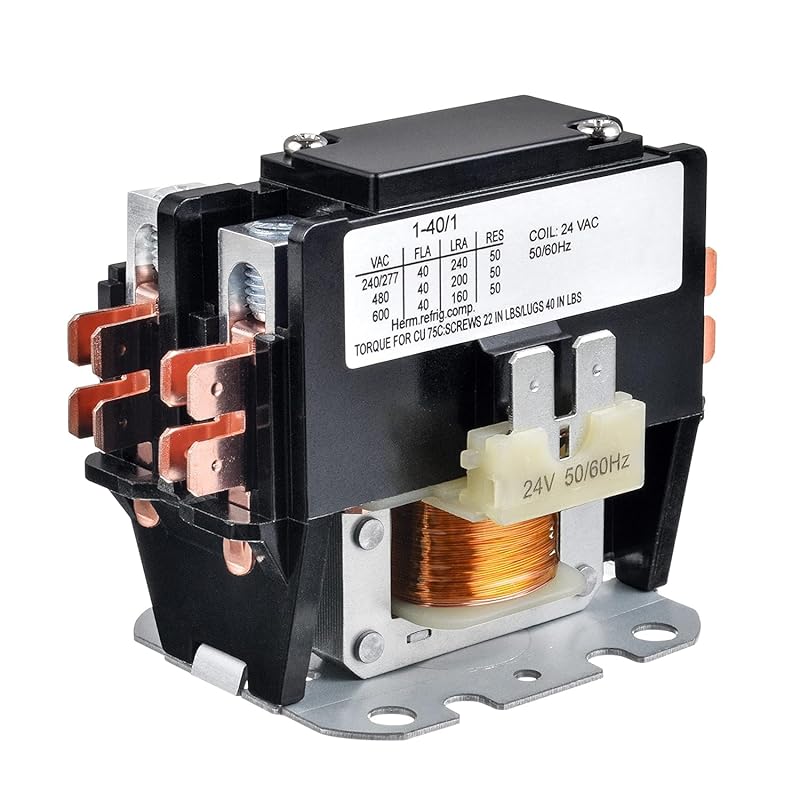
Carrier air conditioner fan motor parts are essential components that ensure your AC runs smoothly and efficiently. Whether you’re replacing a worn-out motor or upgrading to improve performance, using genuine Carrier parts guarantees compatibility and durability. Proper maintenance and timely replacements can extend your unit’s lifespan and reduce energy bills.
Key Takeaways
- Essential Function: The fan motor powers the evaporator coil fan, enabling proper airflow and cooling in Carrier AC units.
- Genuine Parts Matter: Using OEM (Original Equipment Manufacturer) Carrier fan motor parts ensures optimal performance and warranty compliance.
- Common Issues: Symptoms like unusual noises, weak airflow, or complete failure often indicate a failing fan motor.
- DIY vs. Professional: While simple replacements can be DIY-friendly, complex models may require certified HVAC technicians.
- Energy Efficiency: A well-functioning fan motor reduces strain on the compressor, lowering electricity consumption.
- Preventive Maintenance: Regular cleaning and inspection of fan blades and motor housing can prevent premature wear.
- Sourcing Options: Authorized dealers, online retailers, and Carrier service centers offer authentic replacement parts with warranties.
Quick Answers to Common Questions
Can I replace my Carrier AC fan motor myself?
Yes, basic models can be replaced by homeowners with basic HVAC knowledge and tools. However, variable-speed or hardwired motors are safer handled by professionals to avoid electrical hazards or voiding warranties.
How do I know if my fan motor is bad?
Signs include weak airflow, unusual noises (grinding or humming), frequent cycling, or complete failure to blow air. Use a multimeter to test continuity if you’re comfortable with electrical diagnostics.
Are aftermarket fan motors safe to use?
They may work temporarily, but aftermarket parts often lack precision fit and reliability. For critical components like the fan motor, OEM Carrier parts are strongly recommended to ensure safety and performance.
How often should I service my Carrier AC fan motor?
Perform light maintenance monthly (filter changes, vacuuming). Schedule a full professional inspection annually, especially before summer heat arrives.
Will a new fan motor improve my energy bill?
Absolutely. A properly functioning motor ensures efficient airflow, reducing strain on the compressor and lowering overall electricity usage—especially true with modern high-efficiency models.
📑 Table of Contents
- Understanding Carrier Air Conditioner Fan Motor Parts
- How the Fan Motor Works in Your Carrier AC Unit
- Common Signs Your Carrier AC Fan Motor Needs Replacement
- Choosing the Right Fan Motor Part for Your Carrier AC
- Installing or Replacing a Carrier AC Fan Motor
- Maintaining Your Carrier AC Fan Motor for Long-Term Reliability
- Cost Considerations and Warranty Protection
- Conclusion: Keep Your Cool with Confidence
Understanding Carrier Air Conditioner Fan Motor Parts
When your Carrier air conditioner starts acting up—whether it’s blowing warm air, making strange noises, or just not turning on—the fan motor is often one of the first components to suspect. But what exactly is the fan motor, and why does it matter so much?
At its core, the fan motor in a Carrier air conditioner is responsible for moving air across the evaporator coil. This process cools the air inside your home before circulating it back through the ducts. Without a properly functioning fan motor, even the most efficient refrigeration system can’t do its job. Think of it like the heart of your AC unit: if it stops beating, nothing else works.
In this comprehensive guide, we’ll dive deep into everything you need to know about Carrier air conditioner fan motor parts—from how they work and common signs of failure to where to buy authentic replacements and how to maintain them for maximum longevity.
—
How the Fan Motor Works in Your Carrier AC Unit
Visual guide about Carrier Air Conditioner Fan Motor Part
Image source: img.freepik.com
To appreciate the importance of the fan motor, it helps to understand its role in the overall cooling cycle. Carrier air conditioners operate using a closed-loop refrigerant system. When you turn on your AC, refrigerant flows through coils inside and outside the home, absorbing heat from indoor air and releasing it outdoors.
But here’s the catch: for this heat exchange to happen efficiently, air must continuously flow over the indoor evaporator coil. That’s where the fan motor comes in.
The Evaporator Coil Connection
The evaporator coil sits inside your furnace or air handler. As warm indoor air passes over it, the refrigerant inside absorbs heat, cooling the air. The fan motor drives a large blower fan attached to the motor shaft, pushing this cooled air into your ductwork and throughout your home.
If the fan motor fails or slows down, airflow drops significantly. Even if the refrigerant is working perfectly, the system can’t cool effectively because there’s no air movement. Over time, this imbalance can cause the entire unit to freeze up or trigger safety shutdowns.
Types of Fan Motors Used by Carrier
Carrier uses several types of fan motors depending on the model and application:
- Permanent Split Capacitor (PSC) Motors: Common in older residential units. These motors run continuously at full speed unless modified by a control board.
- Variable Speed Motors: Found in newer, high-efficiency Carrier systems like the Performance™ and Infinity series. These allow precise airflow control and improved dehumidification.
- Condenser Fan Motors: Sit outside the unit and blow hot air away from the outdoor coil. Though different from the indoor blower motor, these are also critical for overall efficiency.
Each type has unique wiring, voltage requirements, and maintenance needs. Knowing which kind your unit uses helps when diagnosing issues or ordering the right part.
—
Common Signs Your Carrier AC Fan Motor Needs Replacement
Spotting problems early can save you money and prevent further damage. Here are the top warning signs that your Carrier air conditioner’s fan motor might be failing:
1. Weak or No Airflow
If rooms upstairs or far from vents aren’t getting cold air, the issue could be a sluggish or dead fan motor. Check all registers—sometimes the problem isn’t the motor but clogged filters or blocked vents.
2. Unusual Noises
Listen carefully: grinding, buzzing, or clicking sounds often point to motor bearing wear or electrical issues. A humming motor that won’t start usually indicates a bad capacitor or seized bearings.
3. Frequent Cycling
If your Carrier unit turns on and off repeatedly, it may be struggling to maintain temperature due to insufficient airflow—a classic symptom of a failing blower motor.
4. Overheating or Tripped Breakers
A malfunctioning motor draws more power and generates excess heat. If your circuit breaker trips after running the AC for a few minutes, shut off the unit immediately and call a technician.
5. Visible Damage or Burn Marks
Inspect the motor housing near the fan assembly. Discoloration, melted wires, or smoke smells are red flags requiring immediate attention.
Don’t ignore these signs. Continuing to run a damaged motor can burn out other components like the control board or even start a fire.
—
Choosing the Right Fan Motor Part for Your Carrier AC
Not all fan motors are created equal—especially when it comes to Carrier systems. Using the wrong part can lead to poor performance, voided warranties, or costly repairs.
Know Your Model Number
Every Carrier AC unit has a model number printed on a label inside the access panel or on the data plate. This number tells you exactly which fan motor fits your system. You’ll need it when ordering parts from authorized suppliers.
For example:
- Carrier 50MCB036100 → Requires specific PSC motor with 1/3 HP rating
- Infinity Series 24ANB024100 → Uses variable-speed ECM motor
OEM vs. Aftermarket Parts
OEM (Original Equipment Manufacturer) parts are made by Carrier or their approved partners. They meet exact specifications and come with full manufacturer support.
Aftermarket alternatives may seem cheaper, but they often lack precision engineering and can cause compatibility issues. In HVAC systems, even small deviations matter.
For critical components like the fan motor, OEM is always recommended—especially if your unit is under warranty.
Where to Buy Authentic Carrier Fan Motor Parts
You can find genuine Carrier fan motor parts through:
- Authorized Carrier Dealers: Best for installation + parts together
- HVAC Supply Stores: Often carry inventory and offer technical support
- Online Retailers: Amazon, HVACDirect.com, or Carrier’s official website
Always verify seller credibility. Look for BBB ratings, customer reviews, and warranty information.
—
Installing or Replacing a Carrier AC Fan Motor
Replacing a fan motor isn’t rocket science—but it does require caution. Incorrect installation can damage wires, misalign fans, or create safety hazards.
Tools You’ll Need
- Screwdrivers (Phillips and flathead)
- Multimeter (for testing continuity)
- Ladder (if accessing motor above ceiling)
- Work gloves and eye protection
Step-by-Step Guide (Basic Models)
1. **Turn Off Power**: Locate the disconnect switch near your unit and cut power at the breaker box.
2. **Remove Access Panel**: Unscrew the front or side panel covering the motor.
3. **Disconnect Wiring**: Take photos before unplugging connectors. Label wires if needed.
4. **Unbolt Motor**: Remove mounting screws holding the motor to the blower housing.
5. **Install New Motor**: Align new motor carefully, secure with bolts, reconnect wires.
6. **Test Before Closing Up**: Restore power briefly to check rotation direction (should match fan blade arrow).
⚠️ **Note**: Variable-speed motors may require reprogramming via Carrier’s setup menu. Consult your manual or hire a pro for these models.
When to Call a Professional
Even experienced DIYers should consider professional help if:
– The motor is hardwired without quick-disconnects
– You suspect capacitor or wiring damage
– Your unit is over 10 years old with potential refrigerant leaks
Certified HVAC technicians have the tools, knowledge, and safety gear to handle complex installations correctly.
—
Maintaining Your Carrier AC Fan Motor for Long-Term Reliability
Prevention beats repair every time. With regular care, your Carrier fan motor can last 10–15 years or more.
Monthly Tasks
- Replace or clean air filters
- Vacuum around the blower assembly (use brush attachment)
- Check for debris blocking fan blades
Seasonal Inspections
During spring startup:
– Lubricate motor bearings (if applicable)
– Tighten loose screws and connections
– Listen for abnormal vibrations during test run
Professional Maintenance
Schedule annual tune-ups with an HVAC contractor. They’ll:
– Clean coils and drain pans
– Test electrical connections
– Calibrate thermostat settings
– Inspect fan belt tension (on belt-driven models)
These visits catch minor issues before they become major failures—and keep your Carrier running like new.
—
Cost Considerations and Warranty Protection
Fan motor prices vary widely based on type and model:
| Motor Type | Average Cost Range |
|————|——————–|
| Standard PSC Motor | $80 – $150 |
| High-Efficiency ECM Motor | $200 – $400 |
| Complete Blower Assembly | $300 – $600 |
While variable-speed motors cost more upfront, they pay off in energy savings and comfort control.
Most Carrier fan motors come with a 1-year parts warranty if installed by a licensed technician. DIY installations may void coverage, so check terms before proceeding.
Also remember: a cheap aftermarket motor might fail within months, costing more than an OEM part over time.
—
Conclusion: Keep Your Cool with Confidence
Your Carrier air conditioner’s fan motor is a small piece with a huge impact—on your comfort, energy bill, and peace of mind. Whether you’re troubleshooting weak airflow or planning a full upgrade, understanding how these components work empowers you to make smart decisions.
By choosing genuine Carrier fan motor parts, performing routine maintenance, and knowing when to call in experts, you’ll enjoy consistent cooling, lower costs, and fewer surprises.
Remember: quality matters in HVAC. Don’t compromise on something as vital as your fan motor. Invest in authenticity, and your Carrier will thank you with years of reliable service.
—
Frequently Asked Questions
What is the average lifespan of a Carrier AC fan motor?
With proper maintenance, most Carrier fan motors last between 10 and 15 years. Factors like climate, usage frequency, and filter quality can affect longevity.
Can I use any brand of fan motor for my Carrier AC?
It’s not advised. While some universal motors may fit, they don’t guarantee the same efficiency, noise levels, or compatibility as genuine Carrier parts.
Why is my Carrier AC making a loud humming noise?
A humming motor that won’t start often indicates a faulty start capacitor or seized bearings. These issues prevent the motor from spinning freely and require prompt repair.
Do I need to recharge refrigerant when replacing the fan motor?
No. Refrigerant handling is unrelated to fan motor replacement unless the system has been opened or shows signs of leakage—which would require a separate service call.
Is it worth upgrading to a variable-speed fan motor?
Yes, especially in larger homes or humid climates. Variable-speed motors improve dehumidification, reduce noise, and enhance energy efficiency compared to standard motors.
Where can I find the model number for my Carrier AC unit?
Look for a metal tag inside the access panel near the blower assembly, typically labeled “Model,” “Serial,” or “Part Number.” Write it down before calling a supplier.