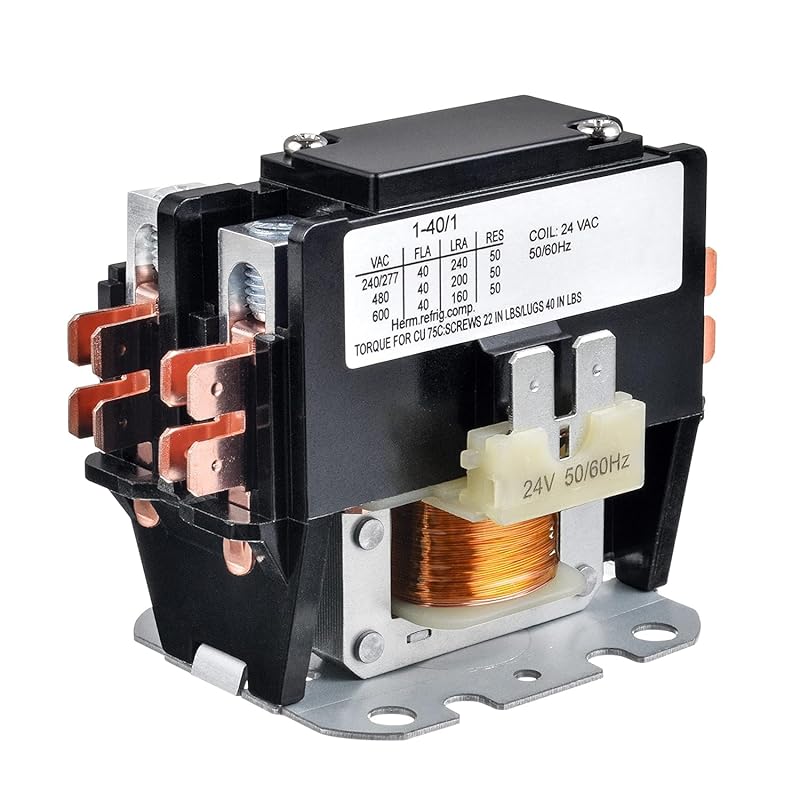
The Carrier air conditioner drain pan float switch is a small but vital safety device that monitors water levels in your AC’s drain pan and shuts down the system if flooding occurs. Without this component, excess condensation can back up into your home, causing leaks, mold, or even electrical hazards. This guide explains how it works, why it matters, and how to maintain it properly.
Key Takeaways
- Understanding carrier air conditioner drain pan float switch: Provides essential knowledge
Quick Answers to Common Questions
What does a Carrier drain pan float switch do?
It automatically shuts off your air conditioner when water reaches a dangerous level in the drain pan, preventing leaks and water damage inside your home.
How can I tell if my float switch is bad?
Look for frequent pump cycling, unexplained water leaks, sudden AC shutdowns, or error codes on your thermostat—all possible signs of a faulty switch.
Is it safe to replace the float switch myself?
Yes, if you’re comfortable with basic electrical work and follow safety precautions. Always turn off power first, and double-check compatibility with your model.
Where is the float switch located on a Carrier unit?
Inside the indoor blower compartment, near the condensate pump and drain pan—usually behind the front or side access panel.
How much does a replacement float switch cost?
Typically between $15 and $50, depending on features and whether it’s OEM or aftermarket. Labor costs vary but are often minimal for this repair.
📑 Table of Contents
- What Is a Carrier Air Conditioner Drain Pan Float Switch?
- Why the Drain Pan Float Switch Matters for Your Home
- Common Symptoms of a Faulty Float Switch
- How to Replace a Carrier Drain Pan Float Switch
- Maintenance Tips to Keep Your Float Switch Working Reliably
- Advanced Features in Modern Carrier Systems
- Conclusion: Small Parts, Big Protection
What Is a Carrier Air Conditioner Drain Pan Float Switch?
When you turn on your Carrier air conditioner, it cools indoor air by pulling heat through evaporator coils. As warm, humid air passes over these cold coils, moisture condenses into water—this is called condensate. That water needs somewhere to go, so it collects in a tray at the bottom of your indoor unit, known as the drain pan.
Now, here’s where things get smart: most Carrier systems don’t just let water drip out slowly. Instead, they use a small pump (called a condensate pump) to lift the water up and push it through a PVC pipe to your outdoor unit or exterior drainage point. But what happens if that pipe gets clogged? Or if the pump fails? Without protection, water would rise right back into the drain pan—and eventually flood your home.
That’s exactly where the drain pan float switch comes in. It’s like a tiny sentinel sitting in the bottom of your drain pan. When water reaches a certain level—usually just an inch or two above normal operating levels—the float rises and triggers a switch that tells your AC to shut off immediately. This prevents overflow, protects your floors, walls, and belongings, and keeps your system running safely.
How Does It Work Step by Step?
Think of the float switch as a seesaw on a small scale. Inside the drain pan, there’s a buoyant float (often made of white plastic) attached to a lever or magnetic mechanism. Under normal conditions, the float rests low, and the switch remains closed—meaning power flows freely to your AC and condensate pump.
But as water begins to back up due to a clog or pump failure, the float slowly rises. Once it hits a preset height (typically marked on the housing), the switch flips open. This cuts power to both the compressor and the pump. Your unit stops cooling, and the pump stops pumping—so no more water keeps rising.
Once technicians clear the blockage or replace the pump, they manually reset the system, and everything resumes normal operation. Some newer models have automatic resets after a cooldown period, but older systems often require manual intervention.
Where Is It Located on a Carrier Unit?
Finding the float switch isn’t hard once you know where to look. On most Carrier central air systems, the indoor coil and blower are housed in a metal cabinet—often behind a front access panel or side service door. Open that up, and you’ll see:
– The evaporator coil (cold and wet)
– A plastic or galvanized steel drain pan beneath it
– A small electric condensate pump mounted on the side or front of the pan
– And right next to the pump—or sometimes integrated directly into the pan—you’ll spot the float switch assembly
It usually looks like a round or rectangular plastic housing with two wires sticking out. The float itself sticks up through a tube or slot in the bottom of the housing. You might also see a small LED light (on digital versions) that glows red when activated.
For mini-split or ductless Carrier units, the setup is similar but smaller. The float switch sits in the indoor unit’s drain pan, which is typically accessible via a removable grille at the base of the wall-mounted head.
Why the Drain Pan Float Switch Matters for Your Home

Visual guide about Carrier Air Conditioner Drain Pan Float Switch
Image source: img.tukuppt.com
You might wonder: “Can’t I just check for leaks every few months?” Sure, but prevention beats cleanup every time—especially when it comes to hidden water damage. Here’s why this little switch does such heavy lifting for your comfort and peace of mind.
Prevents Structural Damage
Water doesn’t discriminate. If it backs up into your ceiling, behind drywall, or under cabinets, it can warp wood, stain paint, and compromise insulation. In severe cases, prolonged exposure weakens building materials and creates entry points for pests. A functioning float switch stops all that before it starts.
Stops Mold Growth Before It Begins
Mold thrives in damp environments—and your HVAC system is basically a perfect incubator if water pools in the wrong places. The float switch ensures moisture never lingers long enough for spores to take root. This protects not only your home but also your family’s health, especially those with allergies or asthma.
Avoids Electrical Hazards
Standing water near electrical components is never a good idea. While modern systems are designed with some safeguards, a persistent leak increases the risk of short circuits or even fires. Shutting off the unit at the first sign of trouble eliminates that danger entirely.
Reduces Repair Costs Down the Line
Fixing water-damaged sheetrock, flooring, or wiring is far more expensive than replacing a $20–$40 float switch. Plus, catching issues early means fewer emergency calls to repair techs and shorter downtime for your AC.
Common Symptoms of a Faulty Float Switch

Visual guide about Carrier Air Conditioner Drain Pan Float Switch
Image source: p7.itc.cn
Like any mechanical part, float switches wear out over time. But unlike other components, their failure rarely causes loud noises or dramatic breakdowns. Instead, you’ll notice subtle clues that something’s off. Watch for:
– **Frequent pump cycling**: If your condensate pump turns on and off every few minutes, even when drains are clear, the float may be stuck or misaligned.
– **Water leaking from vents or base**: This suggests water has already risen past the normal level—meaning the switch didn’t activate in time.
– **AC shutting off unexpectedly**: Sudden shutdowns during operation (not due to thermostat settings) could signal a tripped float switch.
– **Error codes on display**: Many Carrier systems show diagnostic lights or error messages (like “E1” or “Pump Fail”) when the float detects abnormal conditions.
– **Unusual odors or mustiness**: Even without visible leaks, lingering damp smells often mean moisture pooled somewhere inaccessible.
If you observe any of these signs, turn off your AC and schedule a technician visit. Don’t assume the problem is minor—water intrusion can silently damage walls and subfloors before you notice anything.
DIY vs. Professional Diagnosis
Can you test the float switch yourself? Absolutely—but only if you’re comfortable working around electricity and HVAC systems. Here’s a simple test:
1. Turn off power to the unit at the breaker.
2. Remove the access panel and locate the float switch.
3. Gently tilt the float up and down while watching the wires or LED.
4. If the circuit opens (LED turns off or multimeter shows infinite resistance), the switch is working.
5. If nothing changes regardless of position, the switch is likely defective.
However, diagnosing root causes (like clogs or pump failures) often requires specialized tools and expertise. So while checking the switch is doable, replacing it or clearing blockages should ideally be handled by a licensed HVAC professional.
How to Replace a Carrier Drain Pan Float Switch
Replacing the float switch is one of the simpler HVAC repairs you can tackle yourself. Most models use plug-and-play connectors, so no soldering or wire splicing is required. Still, safety first: always disconnect power before starting.
Tools You’ll Need
- Phillips-head screwdriver
- Multimeter (optional, for testing)
- Replacement float switch (confirm compatibility with your model—see below)
- Lint-free cloth (to clean connections)
Step-by-Step Replacement Guide
1. **Power Down**: Turn off the circuit breaker serving your AC unit. Wait 5–10 minutes for capacitors to discharge.
2. **Access the Indoor Unit**: Remove the front or side panel using your screwdriver.
3. **Locate the Float Switch**: Follow the drain line to find the pump and switch assembly.
4. **Disconnect Wiring**: Unplug the two-wire connector from the old switch. Note polarity if applicable (some switches are polarized).
5. **Remove Old Switch**: Unsnap or unscrew the mounting clip holding the switch in place.
6. **Install New Switch**: Position the new float so it moves freely without binding. Secure it firmly but gently.
7. **Reconnect Wires**: Plug the connector back in, ensuring a snug fit.
8. **Restore Power**: Turn the breaker back on and listen for normal pump operation.
9. **Test Functionality**: Pour a small amount of water into the drain pan (carefully!) to verify the float triggers shutdown.
Pro tip: Keep the old switch as a reference. Compare its orientation, wire color coding, and mounting style before discarding it.
Choosing the Right Replacement Part
Not all float switches fit every Carrier model. To avoid mismatches, gather your system’s serial number (found on the outdoor unit label) and consult Carrier’s official parts catalog or contact customer support. Alternatively, bring the old switch to your local HVAC supplier—they can match it exactly.
Common brands that manufacture compatible switches include Honeywell, Johnson Controls, and even OEM Carrier units. Prices typically range from $15 to $50 depending on features (e.g., built-in LEDs or audible alarms).
Maintenance Tips to Keep Your Float Switch Working Reliably
Even the best switches fail if neglected. Regular maintenance dramatically improves reliability and extends lifespan. Here’s how to keep yours in top shape.
Clean the Drain Line Quarterly
Clogs are the #1 cause of float switch activation. Over time, algae, dust, and mineral deposits build up in your PVC drain line. Flush it annually with vinegar and water, or use a commercial cleaner designed for HVAC systems. For stubborn blockages, a flexible drain brush or compressed air can help.
Inspect the Pump and Float Monthly
During seasonal tune-ups, visually inspect the condensate pump for debris or corrosion. Make sure the impeller spins freely. Also, check that the float moves smoothly without wobbling or sticking. Lubricate moving parts sparingly with silicone grease if needed.
Check for Leaks After Installation
After replacing the switch or performing any work near the drain pan, run the AC for 30–60 minutes and watch for leaks. Early detection prevents bigger problems later.
Upgrade to Smart Monitoring (Optional)
Modern Carrier systems support Wi-Fi thermostats and remote diagnostics. Consider installing a smart sensor that alerts you via app if the float activates—even before physical damage occurs. This adds an extra layer of protection, especially if you’re away frequently.
Advanced Features in Modern Carrier Systems
Today’s Carrier units go beyond basic float switches. Some models integrate multiple safety layers:
– **Dual Float Switches**: Two switches stacked vertically provide redundancy—if one fails, the other still protects against overflow.
– **Audible Alarms**: Integrated buzzers sound when water reaches critical levels, prompting immediate attention.
– **Self-Diagnostics**: The control board logs float switch events and displays them in error histories for easier troubleshooting.
– **Remote Shutdown Capability**: Via smartphone apps, users can manually disable the unit if flooding is suspected.
These upgrades aren’t just convenient—they reflect Carrier’s commitment to proactive home protection. If you own a newer model, explore your user manual to see what safeguards are built in.
When to Call a Professional
While DIY replacements are straightforward, certain situations demand expert help:
– You smell gas or see sparks near the unit
– Water has already damaged drywall or flooring
– The system repeatedly trips the float switch despite clean drains
– You’re unsure about electrical connections
Licensed technicians have the training, tools, and insurance to handle complex scenarios safely and efficiently.
Conclusion: Small Parts, Big Protection
The Carrier air conditioner drain pan float switch may be tiny, but its role in safeguarding your home is enormous. It’s the silent guardian that steps in when technology falters, preventing floods, mold, and costly repairs. Whether you’re troubleshooting a mysterious leak or planning routine maintenance, understanding this component empowers you to protect your investment and your comfort.
By staying alert to warning signs, performing simple checks, and replacing worn parts promptly, you ensure your AC operates safely year-round. And remember—when in doubt, consult a trusted HVAC professional. After all, even the smallest switch deserves respect when it comes to your home’s well-being.
Frequently Asked Questions
Can a clogged drain line trigger the float switch?
Yes. When the drain line gets blocked, water backs up into the pan, raising the float until the switch activates and shuts off your AC to prevent overflow.
Do all Carrier air conditioners have a float switch?
Most central and split-system Carrier units with internal condensate pumps include a float switch. Older window units without pumps may not have one.
Will my AC still cool if the float switch fails?
Possibly—but only until water rises high enough to trip other safety devices or cause physical damage. A failed switch removes critical protection.
How often should I inspect the float switch?
At least once per heating/cooling season. During routine HVAC maintenance, technicians typically check it along with the entire condensate system.
Can I bypass the float switch temporarily?
Not recommended. Bypassing it defeats its purpose and risks serious water damage. If your system keeps tripping, fix the underlying issue instead.
Does a float switch affect energy efficiency?
No direct impact—but preventing leaks and system shutdowns helps maintain consistent performance and avoids wasted cooling cycles during emergencies.