
Bypass AC Compressor Pulley – The Ultimate Guide
Living in a place with scorching hot summers? It can be a nightmare when your car's AC compressor pulley fails. But fear not, for we have the ultimate guide on bypassing the AC compressor pulley to keep your car running smoothly.
Can You Drive with a Bad AC Compressor Pulley?
Before we dive into the bypassing process, let's address an important question: Can you drive your car with a bad AC compressor pulley? For more on this, see our guide on how to bypass ac compressor pulley.
The answer is simple – it's not recommended. It's safer and more cost-effective to take your vehicle to a certified car AC compressor mechanic instead of risking expensive repairs due to continued use with a broken compressor pulley.

Credit: www.1aauto.com — a walkthrough of the bypass process on a typical sedan.
https://www.youtube.com/watch?v=JGOr-M1NFdU
Understanding the AC Compressor Pulley
First things first, what does an AC compressor pulley do? The pulley is responsible for driving the AC compressor, which in turn pressurizes the refrigerant in the AC system, enabling it to cool the air inside the car. For more on this, see our guide on mitsubishi split ac installation guide.
However, if the pulley locks up or becomes faulty, the entire AC system can fail, leaving you in the sweltering heat with no relief.
Tools and Materials Needed
Before starting the bypass, gather the following items to make the job smoother and safer:
- Socket set and ratchet (typically 13 mm, 15 mm, and 17 mm)
- Serpentine belt tool or long-handled breaker bar
- Replacement bypass pulley matched to your vehicle’s make, model, and engine
- Torque wrench for reinstallation bolts
- Penetrating oil for stubborn fasteners
- Safety glasses and mechanic’s gloves
- Vehicle service manual or reputable online guide for torque specs and belt routing
Having these on hand reduces the chance of mid‑job trips to the parts store and helps you follow the procedure without improvising. For more on this, see our guide on split ac installation guide.
How to Bypass the AC Compressor Pulley
Now, let's explore the steps to bypass the AC compressor pulley:
First, ensure the engine and electrical system are off.
Remove the drive belt from the pulley.
If the pulley doesn't rotate freely, it's a clear indication that bypassing is necessary.
Consider using a bypass pulley designed to replace the factory compressor. This allows you to retain the use of the standard drive belt while bypassing the inoperable AC compressor.
At this point, it's advisable to consult with experts or refer to specific guides for your car model to ensure a proper bypassing process.
Detailed Step-by-Step Procedure
For a more thorough walk‑through, follow these expanded steps:
- Disconnect the battery – Remove the negative terminal to prevent accidental shorts.
- Relieve belt tension – Use the serpentine belt tool to rotate the tensioner away from the belt, then slide the belt off the AC compressor pulley.
- Inspect the pulley – Spin it by hand; grinding, wobble, or resistance confirms the need for a bypass.
- Remove the compressor (if required) – Some vehicles need the compressor unbolted to install the bypass pulley; others allow a direct swap. Refer to your service manual.
- Install the bypass pulley – Bolt the new pulley in place, torquing to the manufacturer’s specification.
- Re‑route the belt – Follow the original belt diagram, ensuring the belt seats correctly on all remaining pulleys.
- Reconnect the battery and start the engine – Listen for abnormal noises and verify the belt tracks true.
- Test drive – Confirm that engine accessories (alternator, power steering, water pump) operate normally.
In practice, a common mistake is forgetting to re‑check belt tension after the first few minutes of running; the belt can settle and loosen slightly.
Benefits of Using an AC Compressor Bypass Pulley
Installing a bypass pulley offers several benefits:
Cost-effective solution compared to repairing or replacing the entire AC compressor
Retains the functionality of the standard drive belt
Reduces the risk of further damage due to a faulty compressor pulley
Provides a temporary solution to keep your car running while you plan for a comprehensive repair
Potential Drawbacks and Trade-offs
While a bypass pulley gets you back on the road, consider these points:
- No air conditioning – The AC system is completely disabled until a full compressor repair is performed.
- Resale impact – Buyers may view a bypass as a deferred maintenance item.
- Belt wear – The altered pulley geometry can change belt wrap angle, potentially accelerating wear on the belt or other pulleys.
- Emissions compliance – In some jurisdictions, disabling the AC compressor may affect vehicle inspection criteria.
Weigh these against the immediate cost savings and decide whether a full compressor replacement fits your timeline and budget. For more on this, see our guide on split ac outdoor unit installation guide.
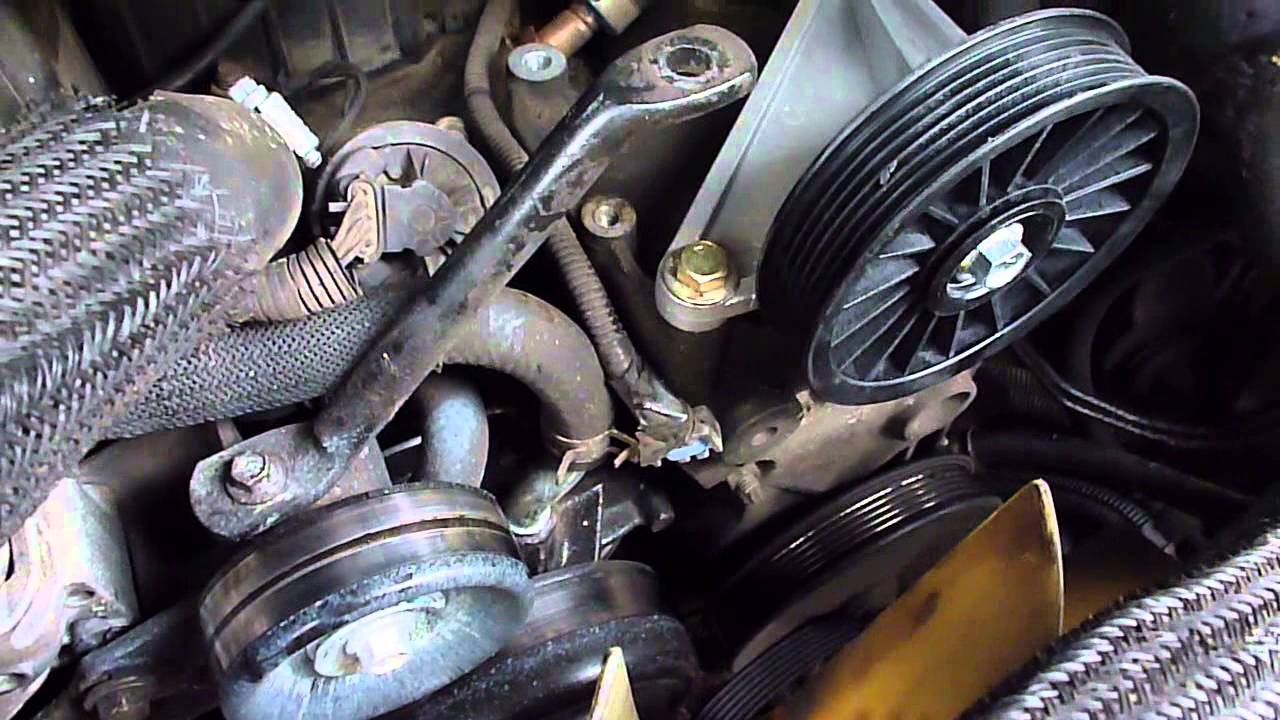
Credit: storables.com — exploded view showing the bypass pulley in place of the factory compressor.
Finding the Right Bypass Pulley
When searching for an AC compressor bypass pulley, consider the following:
Compatibility with your car's make and model
Quality and reliability of the bypass pulley
Warranty period and return policy
Expert recommendations and user reviews
Installation Tips and Best Practices
- Verify belt routing – Some engines have multiple belt diagrams (with/without AC). Use the “without AC” version.
- Apply anti‑seize – A thin coat on the pulley bolt threads eases future removal.
- Double‑check clearance – Ensure the new pulley doesn’t contact the frame, hoses, or wiring harness.
- Monitor belt tension – After the first 50 mi, re‑inspect tension and adjust if needed.
- Document the change – Note the bypass in your maintenance log; it helps future technicians understand the system state.
When to Seek Professional Help
If you encounter any of the following, it’s wise to involve a certified technician:
- The compressor clutch is seized but the pulley spins freely – a clutch replacement may be cheaper than a bypass.
- Belt routing diagrams are missing or unclear for your specific engine.
- You lack the tools to safely relieve serpentine belt tension.
- The vehicle is still under warranty; unauthorized modifications could void coverage.
A professional can also run a full AC system diagnostic to confirm that the compressor itself isn’t the only failure point.
Cost Estimate
| Item | Typical Price Range (USD) |
|---|---|
| Bypass pulley kit | $45 – $120 |
| Serpentine belt (if replaced) | $25 – $55 |
| Labor (shop) | $150 – $300 |
| DIY total | $70 – $175 |
| Shop total | $220 – $475 |
Prices vary by region and vehicle; always get a written quote before authorizing work.
Frequently Asked Questions Of Bypass Ac Compressor Pulley: Step-by-step Guide
Can I Drive My Car With A Bad Ac Compressor Pulley?
You should not drive your car with a bad AC compressor pulley. Seek professional mechanic assistance for repairs.
Does The Ac Compressor Pulley Spin Freely?
Yes, if the engine is off, the electrical system is turned off, and the drive belt has been removed, the AC compressor pulley should spin freely. It is important to ensure that the pulley is functioning properly to prevent any further damage or expensive repairs.
What Does An Ac Compressor Pulley Do?
The AC compressor pulley is responsible for transferring power from the engine to the AC compressor. It allows the compressor to draw in refrigerant gas and compress it, providing the necessary pressure for the AC system to function. Although it may be possible to bypass the pulley, it is not recommended as it can lead to other issues and is best addressed by a certified mechanic.
Can An Ac Compressor Pulley Lock Up?
Yes, an AC compressor pulley can lock up, causing issues with the AC system. Professional maintenance is recommended to prevent this problem.
How Long Does a Bypass Pulley Last?
A quality bypass pulley typically lasts 3–5 years or 50,000–80,000 mi under normal driving conditions. Regular belt inspections help catch early wear.
Will a Bypass Pulley Affect My Vehicle’s Warranty?
It can, especially if the vehicle is still under the manufacturer’s powertrain warranty. Check your warranty terms or consult the dealer before proceeding.
Conclusion
The AC compressor pulley plays a critical role in the performance of your car's air conditioning system. In the event of a malfunction, bypassing the pulley using a specialized bypass pulley can provide a cost-effective and practical solution to keep your car running smoothly. Always consult with professionals and refer to specific guides for your car model to ensure a proper bypassing process.
Ready to keep your AC running? Explore our seasonal maintenance checklist for year‑round comfort.

