How to Bypass AC Compressor Pulley: Easy DIY Solutions
How to Bypass AC Compressor Pulley | SEO Optimized
Are you experiencing problems with your car's AC compressor pulley and looking for a solution? Well, you're in the right place! In this article, we will explore different methods to bypass the AC compressor pulley and get your car's AC system up and running again.
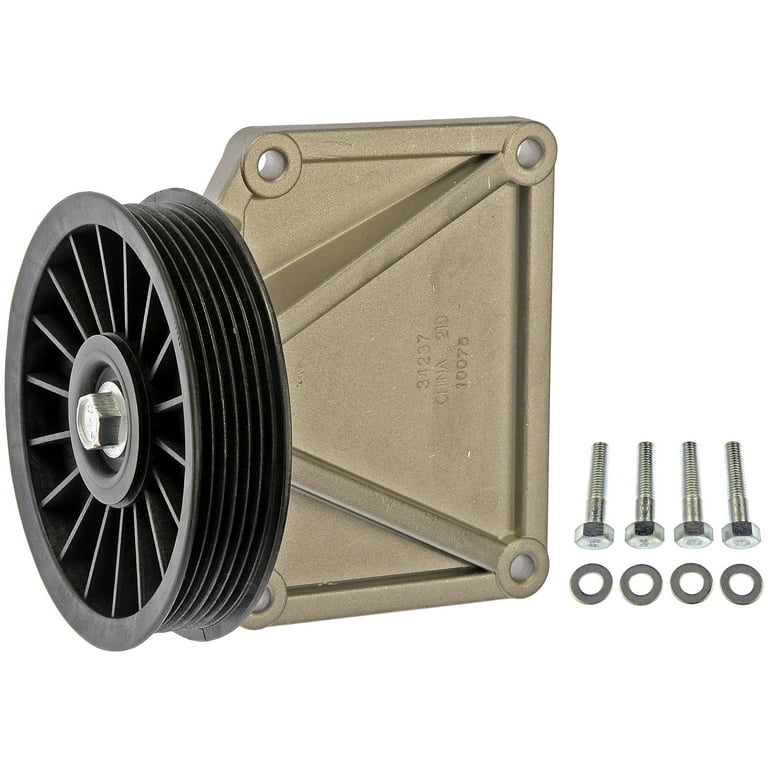
Credit: www.walmart.com — Dorman 34237 bypass pulley shown mounted in place of the factory compressor on a Dodge/Jeep application.
Table of Contents
Introduction
Can You Drive a Car with a Broken AC Compressor?
Methods to Bypass AC Compressor Pulley
Benefits of Using AC Compressor Bypass Pulley
Conclusion
1. Introduction
The AC compressor pulley is an essential component of the car's AC system. It is responsible for driving the compressor, which compresses and circulates the refrigerant needed for cooling. However, when the pulley malfunctions or seizes, it can lead to AC system failure and discomfort during hot summer days. For more on this, see our guide on diy home air conditioning solutions.
Safety Precautions Before Starting
Before attempting any bypass procedure, observe these safety practices. Disconnect the negative battery cable to prevent accidental starter engagement. Wear safety glasses and gloves — serpentine belts store tension energy that can cause injury if released unexpectedly. Never work on a hot engine; let it cool completely. If the vehicle uses R-1234yf refrigerant, be aware that it is mildly flammable and requires specific handling per SAE J2843. When in doubt, consult a certified technician; improper repairs can void warranties and create liability in the event of an accident. The National Highway Traffic Safety Administration publishes recall and safety bulletins that may affect your specific model.
2. Can You Drive a Car with a Broken AC Compressor?
No, it is not recommended to drive a car with a broken AC compressor. Continuing to drive with a malfunctioning compressor can cause further damage to the engine and electrical system. It is more affordable and safer to take your vehicle to ASE-certified car AC compressor mechanics and get the necessary repairs done. Driving with a broken compressor can result in expensive repairs that could have been avoided. For more on this, see our guide on air conditioner compressor.
Risks of Continuing to Drive
A seized pulley can shred the serpentine belt in seconds, instantly disabling the alternator, water pump, and power steering. Loss of alternator output leaves you stranded once the battery drains; loss of water pump circulation leads to rapid overheating and potential head-gasket failure. In practice, the cost of a tow and belt replacement is almost always lower than the collateral damage from a belt departure at highway speed. If you must move the vehicle a short distance, remove the belt entirely — but understand this also disables the water pump on most engines, so limit travel to a few hundred metres with the engine off between moves.

Credit: www.amazon.com — Typical serpentine belt layout; the AC compressor pulley is often the lowest accessory on the passenger side.
3. Methods to Bypass AC Compressor Pulley
If you are looking for a temporary solution to bypass the AC compressor pulley, there are a few methods you can consider:
AC Compressor Bypass Pulley: One way to bypass the AC compressor pulley is by installing a bypass pulley in place of the factory compressor. This pulley acts as a substitute and is designed to transmit power to the other pulleys in the system.
Using a Shorter Belt: Another method is to determine the length of the belt necessary for the remaining pulleys by wrapping a piece of string around them. Once you have the correct length, you can install a shorter belt to bypass the AC compressor pulley.
https://www.youtube.com/watch?v=DOSf2lo98wU
Tools and Parts You’ll Need
Assemble the following before starting: metric socket set (typically 10 mm, 12 mm, 14 mm, 17 mm), breaker bar or serpentine-belt tensioner tool, torque wrench (for reinstallation), replacement bypass pulley kit (vehicle-specific) or a shorter belt (measure with string first), threadlocker (blue), and a belt-routing diagram (under-hood decal or photo taken before removal). A common mistake is reusing the old belt — always install a new belt when routing changes, as the worn cord set will not track correctly on the new path. For more on this, see our guide on ac compressor running but no pressure change.
Step-by-Step: Installing a Bypass Pulley
- Remove the serpentine belt by rotating the tensioner away from the belt and sliding the belt off the AC compressor pulley first, then the remaining pulleys.
- Unbolt the AC compressor (usually three to four bolts) and disconnect the electrical clutch connector. Support the compressor with a bungee cord or zip-ties to avoid stressing the refrigerant lines — do not disconnect the lines unless you have recovery equipment and intend a full delete.
- Bolt the bypass pulley to the compressor mounting brackets using the supplied hardware. Torque to the vehicle manufacturer’s specification (typically 25–35 N·m / 18–26 ft-lb).
- Reinstall the serpentine belt following the original routing minus the compressor. Verify the belt sits centred on every pulley and the tensioner indicator falls within the usable range.
- Reconnect the battery, start the engine, and observe belt tracking for 30 seconds. Listen for chirping or flutter that indicates misalignment.
Step-by-Step: Shorter Belt Method
- With the belt removed, wrap a non-stretch string (mason’s line works well) around the remaining pulleys exactly as the new belt will run. Mark the overlap, measure, and cross-reference with a parts catalogue for the correct effective length (usually within ±15 mm).
- Purchase a quality EPDM belt (Gates, Continental, Dayco) in that length. Avoid “universal” stretch belts — they are not designed for serpentine drives.
- Install the new belt using the tensioner. Double-check routing against the under-hood decal.
- Run the engine and verify charging voltage (13.8–14.4 V) and stable idle.
4. Benefits of Using AC Compressor Bypass Pulley
The AC compressor bypass pulley offers various benefits, such as:
Cost-effective solution: Installing a bypass pulley is often more affordable than replacing the entire AC compressor.
Easier installation: The bypass pulley bolts in place of the factory compressor, making it easy to install.
Restored functionality: The bypass pulley allows the other pulleys in the system to function properly, ensuring the AC system operates as expected.
Trade-offs to Consider
While the bypass pulley restores belt drive integrity, it permanently disables air conditioning. In humid climates this also means no windshield defogging via the AC evaporator, which can be a safety issue in winter. Residual refrigerant oil in the disconnected compressor may eventually leak past the shaft seal if the clutch connector remains unplugged; capping the lines with O-ring plugs (if you later choose full delete) is cleaner but requires evacuation and recharge. For a seasonal fix, many owners reinstall the original compressor when budget allows — keep the mounting bolts and clutch connector accessible.
When NOT to Bypass the AC Compressor Pulley
Bypassing is inappropriate if: the compressor clutch is the only failed component (clutch-only replacement is cheaper and retains AC); the vehicle is under warranty (modifications can void coverage); the compressor failure introduced metal debris into the system (a full flush and component replacement is then mandatory); or local emissions/inspection programs require functional AC (rare but verify). In these cases, professional diagnosis saves money long-term.
Vehicle-Specific Considerations
Some late-model engines (e.g., certain Ford EcoBoost, GM Ecotec, and Toyota Dynamic Force units) use a dedicated stretch belt for the AC compressor only — removing it requires no shorter belt, just cut the old one and discard. Conversely, many hybrid vehicles (Toyota Prius, Ford Escape Hybrid) drive the compressor electrically; there is no pulley to bypass, and a “compressor not running” code usually points to inverter or high-voltage system faults. European models (BMW, Mercedes, VW/Audi) often integrate the compressor into the front-end accessory drive (FEAD) with a decoupler pulley; a bypass pulley must replicate the decoupler’s torsional damping or belt flutter will occur. Always verify the drive layout for your specific VIN before purchasing parts.
Comparison Table: Bypass Methods at a Glance
| Method | Parts Cost (2026 est.) | Install Time | Retains AC? | Best For |
|---|---|---|---|---|
| Bypass pulley kit | $45–$120 | 1–2 hrs | No | Permanent delete, tight budget |
| Shorter serpentine belt | $25–$55 | 30–60 min | No | Temporary fix, no bracket change |
| Clutch-only replacement | $60–$180 | 1–3 hrs | Yes | Clutch bearing failure only |
| Full compressor replace | $250–$650+ | 2–4 hrs | Yes | Internal compressor damage |
Prices are US aftermarket averages; OEM and dealer pricing runs higher. Labour extra if not DIY.
Post-Installation Checks and Maintenance
After the first 50 miles, re-check belt tension and pulley bolt torque. Inspect the bypass pulley bearing for noise or wobble at every oil change — a $20 pulley failure can again shed the belt. If you plan to restore AC later, cap the disconnected lines with proper O-ring plugs and label the clutch connector; this prevents moisture ingress and simplifies recharge. Seasonal air conditioning maintenance habits (running the system monthly, checking cabin filter) still apply to the blower and heater core even when the compressor is bypassed.
Troubleshooting Common Issues After Bypass
- Belt squeal on cold start: Tensioner worn or belt too long — replace tensioner first, then verify belt length.
- Charging voltage drops at idle: Alternator pulley decoupler failure (common on many 2015+ engines) — test with a ripple meter.
- Check Engine light (P0530, P0645, etc.): ECU detects missing compressor clutch circuit — some tuners can disable the monitor; otherwise a resistor pack across the clutch connector may clear the code without restoring AC.
- Vibration at 1,800–2,200 rpm: Bypass pulley not centred on bracket — loosen, centre, re-torque.
5. Conclusion
If you are facing issues with your car's AC compressor pulley, it is important to address the problem promptly. While bypassing the pulley may provide a temporary solution, it is recommended to seek professional assistance for a long-term fix. Consult with ASE-certified car AC compressor mechanics who can diagnose and repair your AC system effectively.
Remember, driving with a broken AC compressor pulley can lead to more significant damage and costly repairs. Take care of your car and enjoy a comfortable ride even on the hottest days!
Next step: If you’re weighing a full AC restore versus a permanent bypass, compare the total cost of a compressor replacement against the bypass kit plus future comfort loss — sometimes the numbers favour repair.
Frequently Asked Questions For How To Bypass Ac Compressor Pulley: Easy Diy Solutions
Can I Drive My Car With A Bad Ac Compressor Pulley?
Driving with a bad AC compressor pulley is not recommended. It's safer and more cost-effective to have it fixed by experts to avoid potential damages.
Does The Ac Compressor Pulley Spin Freely?
Yes, if the engine and electrical system are off, and the drive belt is removed, the pulley should rotate freely.
Can An Ac Compressor Pulley Lock Up?
Yes, an AC compressor pulley can lock up due to component failure or lack of lubrication. When this happens, it can cause the serpentine belt to break, resulting in loss of power steering and alternator functionality. It's essential to have this issue addressed by a professional mechanic promptly.
What Does An Ac Compressor Pulley Do?
The AC compressor pulley powers the air conditioning system by driving the compressor unit.
Will a Bypass Pulley Affect My Heater or Defroster?
The heater core uses engine coolant, so cabin heat is unaffected. However, the defroster relies on the AC compressor to dehumidify air in most modern vehicles; without it, windshield clearing slows significantly in damp, cool weather.
Do I Need to Evacuate Refrigerant Before Installing a Bypass Pulley?
Not if you leave the compressor in place with lines connected. If you remove the compressor entirely, federal law (Clean Air Act Section 608) requires recovery by a certified technician — venting refrigerant is illegal and carries fines up to $37,500 per day per violation.
Can I Use a Bypass Pulley on a Hybrid or Electric Vehicle?
Most hybrids (Prius, RAV4 Hybrid, etc.) use an electric compressor with no belt-driven pulley. A bypass pulley is irrelevant; diagnose the high-voltage system instead. Some mild hybrids (e.g., 48 V belt-starter-generator) still have a conventional compressor — verify your specific powertrain.
How Long Does a Bypass Pulley Typically Last?
Quality units (Dorman, Dayco, Gates) often last 80,000–120,000 km. Cheap unbranded pulleys can fail in under 20,000 km. Inspect at every service interval.
Where Can I Find the Correct Belt Length for the Shorter-Belt Method?
Use the string method described above, then cross-reference the measured length at RockAuto, Gates e-Catalog, or Dayco’s belt finder. Enter “AC delete” or “without AC” in the vehicle selector for factory-engineered lengths when available.