Air Conditioners for Sale
Looking for air conditioners for sale? You've come to the right place. In this guide, we'll cover everything you need to know about buying an air conditioner. Keep reading to find the best options for your home.
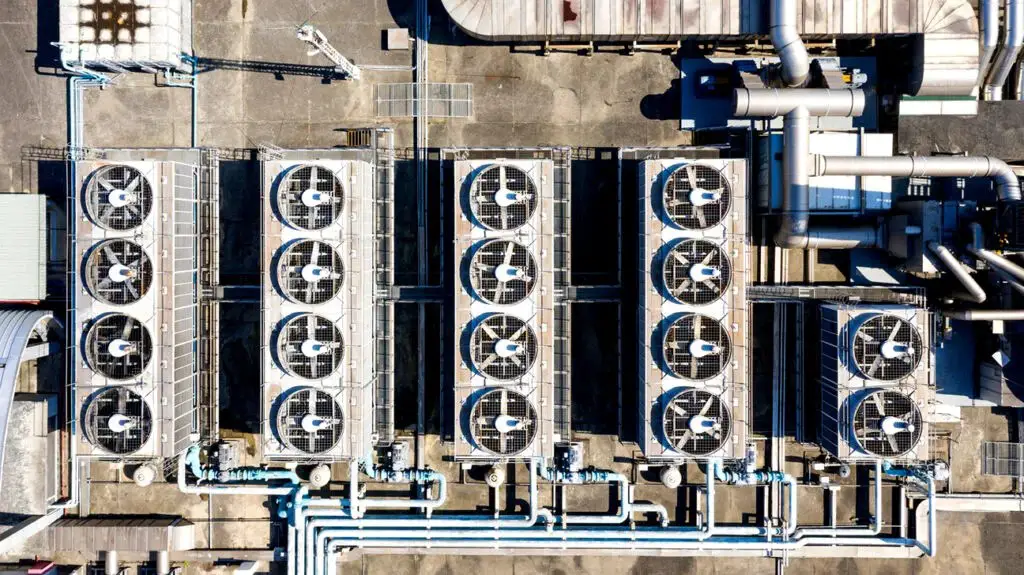
 A quick look at the variety of air conditioners you’ll encounter while shopping.
Why You Need an Air Conditioner
An air conditioner keeps your home cool and comfortable. It helps you escape the heat during hot summer days. Let's explore the benefits of having an air conditioner:
Comfort: Keeps your home at a comfortable temperature.
Air Quality: Improves indoor air quality by filtering out pollutants.
Sleep Better: A cool room helps you sleep better at night.
Productivity: Stay focused and productive in a cool environment.
Types of Air Conditioners
There are several types of air conditioners available. Each type has its own advantages. Let's look at the main types:
1. Window Air Conditioners
Window air conditioners are affordable and easy to install. They fit into a window and cool one room at a time.
Pros:
Low cost
Easy installation
Energy efficient
Cons:
Blocks window view
Limited to one room
2. Portable Air Conditioners
Portable air conditioners can be moved from room to room. They are great for small spaces and rentals.
Pros:
Easy to move
No permanent installation
Great for renters
Cons:
Less efficient
Can be noisy
3. Split Air Conditioners
Split air conditioners have two units. One unit is inside the home, and the other is outside. They are efficient and quiet. For more on this, see our guide on air conditioner vs heat pump cost.
Pros:
Quiet operation
Energy efficient
Cools multiple rooms
Cons:
Higher cost
Professional installation needed
4. Central Air Conditioners
Central air conditioners cool the entire home. They use ducts to distribute cool air throughout the house.
Pros:
Cools the whole house
Quiet operation
Consistent temperature
Cons:
High cost
Requires ductwork
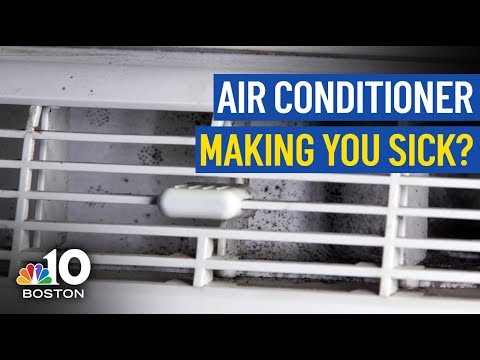
https://www.youtube.com/watch?v=PmO0x_Vi4eU
Top Brands of Air Conditioners
When shopping for an air conditioner, consider top brands. These brands are known for quality and reliability. Here are some top brands:
1. Lg
LG offers a wide range of air conditioners. They are known for their energy efficiency and smart features.
2. Carrier
Carrier is a trusted name in air conditioning. They provide high-quality central and split air conditioners.
3. Daikin
Daikin is known for innovative and energy-efficient air conditioners. They offer both residential and commercial options.
4. Whirlpool
Whirlpool offers reliable and affordable air conditioners. They are a good choice for budget-conscious buyers.
5. Samsung
Samsung provides stylish and high-performance air conditioners. They come with advanced features like Wi-Fi control.
Features to Look for in an Air Conditioner
When buying an air conditioner, look for key features. These features can enhance your cooling experience:
1. Energy Efficiency
Choose an air conditioner with a high Energy Star rating. This helps save on energy bills and is better for the environment. For more on this, see our guide on air conditioner versus heat pump.
2. Noise Level
Look for air conditioners with low noise levels. A quiet air conditioner ensures a peaceful home environment.
3. Smart Features
Some air conditioners come with smart features. These include Wi-Fi control and programmable settings.
4. Air Quality
Consider air conditioners with good filtration systems. They help improve indoor air quality by removing pollutants.
5. Size And Capacity
Choose an air conditioner that fits your room size. A larger room needs a higher capacity air conditioner.
In practice, matching the BTU rating to your square footage prevents short‑cycling and keeps humidity in check.
Portable units like this Black + Decker model are popular for renters who need flexibility.
How to Choose the Right Air Conditioner
Choosing the right air conditioner can be challenging. Here are some tips to help you make the right choice:
1. Measure Your Room
Measure the size of the room you want to cool. This helps you choose the right capacity air conditioner.
2. Set A Budget
Decide how much you want to spend. This helps narrow down your options.
3. Read Reviews
Read reviews from other buyers. This gives you an idea of the air conditioner's performance.
4. Consider Installation
Think about the installation process. Some air conditioners need professional installation.
5. Check Warranty
Choose an air conditioner with a good warranty. This protects your investment.
Where to Buy Air Conditioners
You can buy air conditioners from various places. Here are some options:
1. Online Stores
Online stores like Amazon and eBay offer a wide range of air conditioners. They often have good deals and discounts.
2. Appliance Stores
Visit appliance stores like Best Buy and Home Depot. You can see the air conditioners in person before buying.
3. Manufacturer Websites
Check the websites of top air conditioner brands. They often have exclusive deals and offers.
4. Local Retailers
Local retailers may have air conditioners for sale. They can also offer installation services.
Installation and Maintenance Considerations
Proper installation and routine upkeep are just as important as the unit you choose. A poorly sealed window unit can leak cool air, while a split system with incorrect refrigerant charge will run inefficiently and wear out faster.
- Professional sizing – Have a licensed HVAC technician perform a Manual J load calculation; this ensures the system matches your home’s heat gain.
- Duct inspection – For central systems, leaky ducts can waste 20‑30 % of cooling capacity. Sealing and insulating ducts is a high‑return DIY project.
- Seasonal maintenance – Clean or replace filters monthly during peak season, clear debris from the outdoor condenser, and schedule a professional tune‑up each spring. For a step‑by‑step checklist, see our guide on seasonal air conditioning maintenance tips.
- Bracket requirements – In cities like New York, window‑unit brackets are mandated for safety. Verify local codes before mounting; our article on air conditioner brackets in NYC outlines the rules.
Quick CTA: Ready to schedule a professional install? Compare certified contractors in your area today.
Energy Efficiency Standards for 2026
The U.S. Department of Energy updated minimum SEER (Seasonal Energy Efficiency Ratio) ratings effective January 2026:
- Split systems – minimum 15 SEER (up from 14).
- Packaged units – minimum 14 SEER.
- Heat pumps – minimum 15 SEER/8.2 HSPF.
Choosing a unit that exceeds these baselines — for example, a 18 SEER model — can cut annual cooling costs by 10‑15 % compared with a baseline unit. The Energy Star program maintains a searchable list of certified models that meet or surpass the new thresholds.
Smart Home Integration
Modern air conditioners increasingly support Wi‑Fi, voice assistants (Alexa, Google Assistant, Siri), and proprietary apps that let you set schedules, monitor energy use, and receive filter‑change alerts from your phone. When evaluating smart features, check:
- Compatibility – Does the unit work with your existing hub (e.g., SmartThings, HomeKit)?
- Geofencing – Automatic temperature setback when you leave home.
- Energy dashboards – Real‑time kWh tracking helps you verify savings.
For a deeper dive into the latest connected‑climate tech, see our roundup of air conditioning innovations.
Cost Breakdown and Budgeting
Beyond the sticker price, factor in these typical 2026 cost ranges (USD):
| Item | Low End | High End |
|---|---|---|
| Window unit (5,000 BTU) | $180 | $350 |
| Portable unit (8,000 BTU) | $250 | $500 |
| Ductless mini‑split (single zone) | $1,200 | $2,800 |
| Central system (3‑ton) | $3,500 | $7,500 |
| Professional installation | $300 | $2,500 |
| Annual maintenance (filter + tune‑up) | $80 | $200 |
Tip: Many utilities offer rebates of $50‑$300 for high‑SEER equipment — check your provider’s program before purchasing.
Buying Checklist
Print or screenshot this list before you shop:
- Room dimensions and BTU calculation
- Desired type (window, portable, split, central)
- Minimum SEER rating per 2026 standards
- Preferred smart‑home ecosystem
- Budget ceiling (unit + install + first‑year maintenance)
- Warranty length and coverage (compressor, parts, labor)
- Local code requirements (brackets, permits)
- Rebate/incentive eligibility
Frequently Asked Questions
What Types Of Air Conditioners Are For Sale?
Various types include window units, split systems, portable ACs, and central air conditioning systems.
How Do I Choose The Right Ac?
Consider room size, energy efficiency, and cooling capacity to choose the right AC for your needs.
Are Energy-efficient Air Conditioners Available?
Yes, many energy-efficient models are available, featuring advanced technologies to reduce energy consumption and costs.
How Much Does An Air Conditioner Cost?
Prices vary based on type, brand, and features, typically ranging from $200 to $2,000.
Conclusion
Finding the best air conditioner for sale is easy with the right information. Consider your needs, budget, and room size. Look for top brands and key features. Shop from reliable sources and enjoy a cool and comfortable home.