Air Conditioning Unit Efficiency: Maximize Comfort & Savings
All About Air Conditioning Units
Introduction
Air conditioning units keep us cool on hot days. They are important in homes and offices. Learn about how they work and their benefits.
https://www.youtube.com/watch?v=gVLhrLTF878
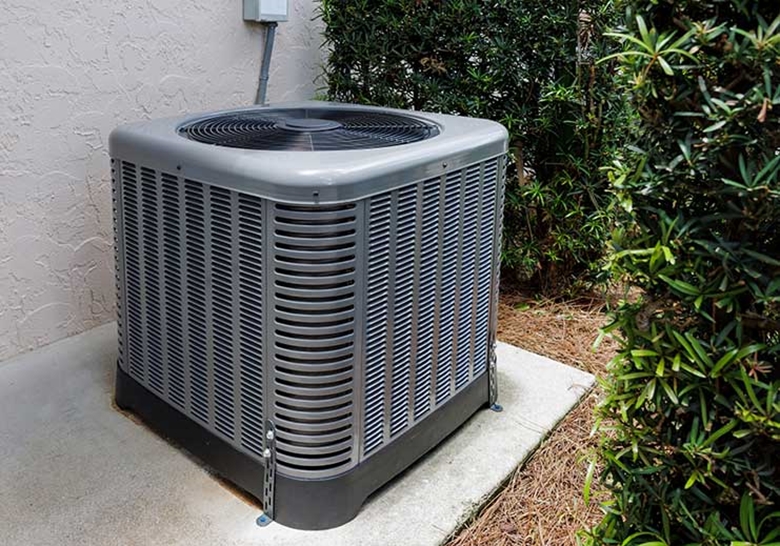 Residential heat pump air conditioner unit
How Air Conditioning Units Work
Air conditioners cool the air. They remove heat and moisture. The main parts include:
Compressor: Compresses the refrigerant.
Condenser: Releases heat outside.
Evaporator: Absorbs heat from the room.
Fan: Circulates cool air.
The refrigerant moves through these parts. It changes from gas to liquid and back. This cycle cools the air.
In practice, the refrigerant absorbs indoor heat at the evaporator, travels as a low‑pressure gas to the compressor where it’s pressurized, then releases that heat at the condenser before expanding again. This continuous phase‑change loop is what delivers consistent cooling even on the hottest days.
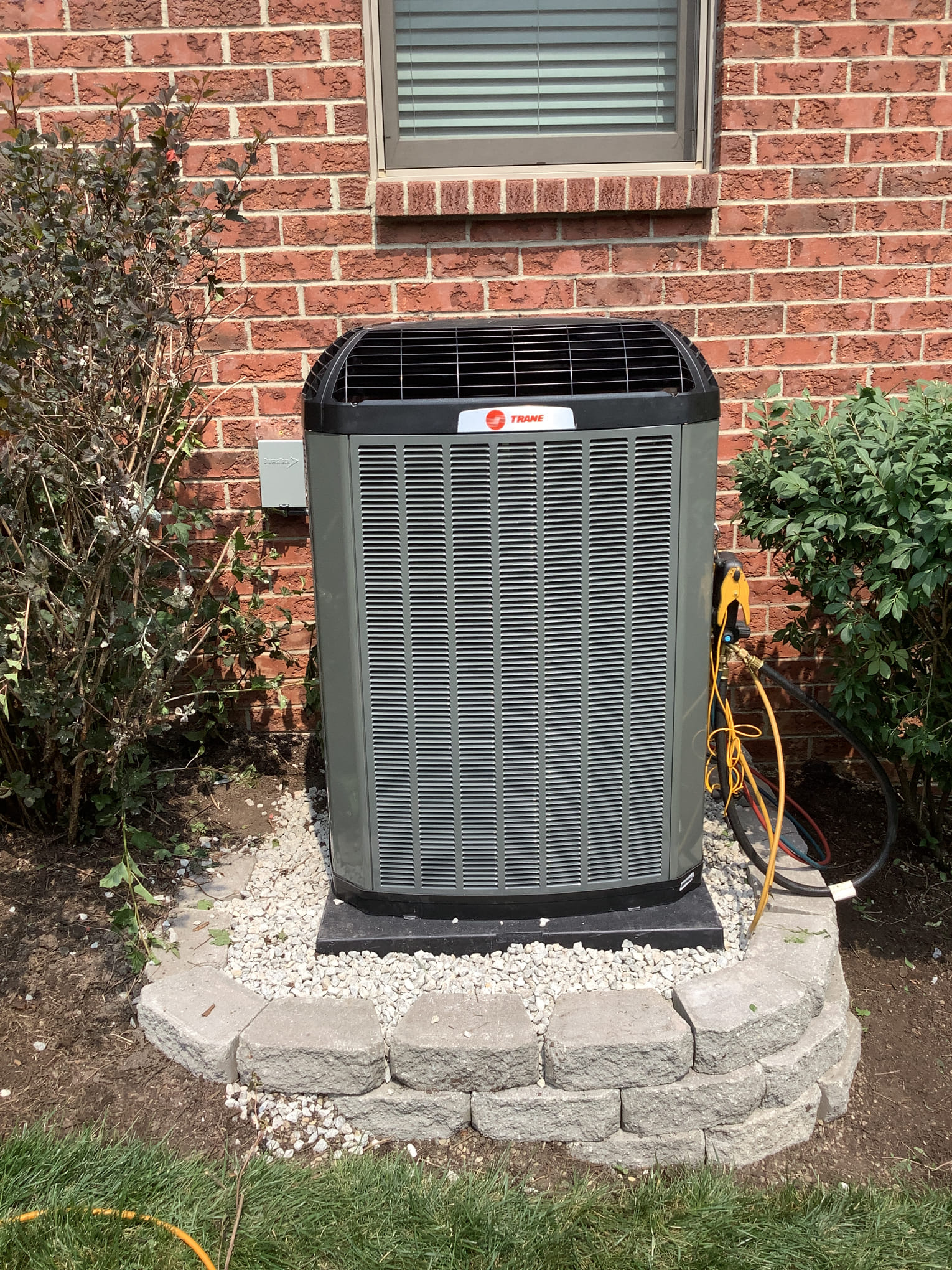 Split system indoor and outdoor components
Types of Air Conditioning Units
There are several types of air conditioners. Each has its own use. Here are the most common types:
Type Description
Window Air Conditioner Fits in a window. Good for single rooms.
Split Air Conditioner Has two parts: indoor and outdoor. Used for multiple rooms.
Portable Air Conditioner Can be moved. Good for small spaces.
Central Air Conditioning Cools the whole house. Uses ducts to spread air.
When choosing a type, consider installation constraints, noise tolerance, and whether you need zone control. Split systems, for example, excel at multi‑room comfort while window units are budget‑friendly for single‑room cooling.
Benefits of Air Conditioning Units
Air conditioners offer many benefits. Here are some reasons why they are important:
Comfort: Keeps you cool and comfortable.
Improves Air Quality: Filters out dust and allergens.
Reduces Humidity: Makes the air dry and comfortable.
Better Sleep: Cool air helps you sleep better.
Protects Furniture: Reduces moisture that can damage furniture.
Beyond comfort, modern units with high‑efficiency filters can capture fine particulates and volatile organic compounds, contributing to healthier indoor environments especially for allergy sufferers.
Maintenance Tips for Air Conditioning Units
Regular maintenance is key. It keeps your air conditioner working well. Follow these tips to maintain your unit:
Clean Filters: Clean or replace filters every month.
Check Thermostat: Make sure the thermostat is working.
Inspect Coils: Clean the evaporator and condenser coils.
Clear Debris: Remove debris around the outdoor unit.
Professional Check: Get a professional check-up once a year.
A common mistake is neglecting coil cleaning; dirty coils can raise energy use by 10‑15 % and shorten compressor life. Schedule a coil inspection at the start of each cooling season for best results.
Understanding SEER2 and EER Ratings
As of 2026, the industry uses SEER2 (Seasonal Energy Efficiency Ratio 2) and EER (Energy Efficiency Ratio) to rate cooling efficiency under updated test conditions. Higher SEER2 numbers indicate lower annual electricity consumption. When comparing models, look for a SEER2 of 15 or above for typical residential use. The U.S. Department of Energy recommends checking the yellow EnergyGuide label for both ratings before purchase. Energy Star guidelines provide a quick reference for certified high‑efficiency units.
Smart Controls and Zoning
Pairing your system with a programmable or learning thermostat can cut cooling costs by up to 10 % without sacrificing comfort. Zoning kits let you direct conditioned air only to occupied rooms, reducing waste in larger homes. For step‑by‑step guidance on setting schedules, see our article on energy‑saving thermostat settings.
When to Upgrade Your System
If your unit is more than 12 years old, requires frequent refrigerant recharges, or struggles to maintain set temperatures, replacement often pays off within 3‑5 years through lower utility bills. Newer models also incorporate variable‑speed compressors and advanced refrigerants with lower global‑warming potential. Explore the latest cooling tech in our roundup of latest cooling tech.
Professional vs DIY Maintenance
While filter changes and debris clearing are safe DIY tasks, refrigerant handling, electrical checks, and coil deep‑cleaning should be left to certified technicians. A yearly professional tune‑up typically includes pressure testing, airflow verification, and safety control inspection. For a detailed seasonal checklist, refer to our seasonal upkeep checklist.
Frequently Asked Questions
What Is The Best Ac Unit Brand?
The best AC unit brand varies by need. Popular choices include Carrier, Trane, and Lennox.
How Often Should I Service My Ac?
Service your AC unit at least once a year for optimal performance and efficiency.
How Can I Improve Ac Efficiency?
Clean filters regularly, seal ducts, and use a programmable thermostat to improve AC efficiency.
What Size Ac Unit Do I Need?
The size depends on your home’s square footage and insulation. Consult a professional for accurate sizing.
Should I Repair Or Replace An Aging Unit?
If repair costs exceed 50 % of a new system’s price or the unit is past its expected lifespan, replacement is usually the smarter financial move.
Conclusion
Air conditioning units are essential. They keep us cool and improve air quality. Regular maintenance ensures they work well. Choose the right type for your needs. Stay cool and comfortable!
Ready to boost your system’s performance? Review our split system setup guide or central system install guide for professional‑level insights.