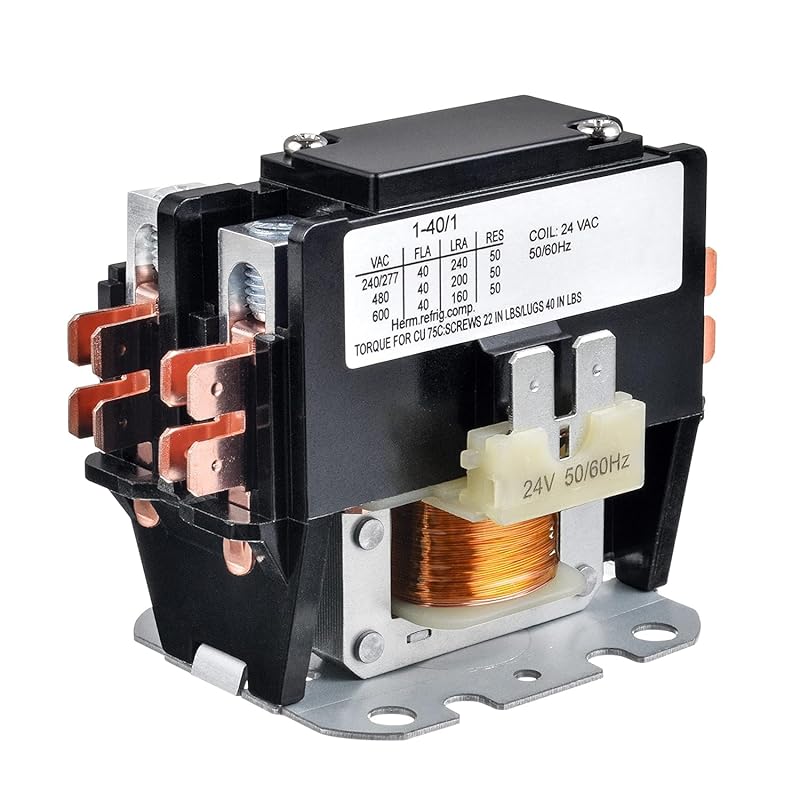
Carrier air conditioners are manufactured in multiple countries worldwide, including the United States, Mexico, and Asia. While some models are produced domestically for faster service and support, many units are assembled in international facilities to meet global demand efficiently. Whether you’re buying a residential or commercial unit, understanding where your AC is made can help you make an informed decision about performance, warranty, and environmental impact.
Where Is Carrier Air Conditioners Made?
When it comes to choosing an air conditioning system, brand reputation matters—but so does knowing where your unit is built. Carrier has been a household name in heating, ventilation, and air conditioning (HVAC) for over a century. From window units to massive commercial chillers, Carrier products are known for innovation, durability, and efficiency. But have you ever wondered: where exactly is Carrier air conditioners made? The answer isn’t simple. Unlike some brands that centralize production in one country, Carrier operates a global network of manufacturing plants. This article dives deep into the locations, reasons, and implications of where Carrier builds its air conditioners—so you can feel confident about your next purchase.
Why Manufacturing Location Matters
You might be asking: “Does it really matter where my air conditioner is made?” It absolutely does. The place of manufacture affects several key factors:
– **Shipping Time:** A unit made in Mexico will reach you faster than one shipped from China.
– **Environmental Impact:** Transporting goods across oceans increases carbon emissions.
– **Local Support:** American-made units often qualify for faster repairs and local technician availability.
– **Tariffs & Costs:** Trade policies can influence pricing depending on origin.
– **Regulatory Compliance:** Different regions have different safety and efficiency standards.
Understanding where Carrier air conditioners are made helps you evaluate all these factors—especially if you’re comparing models or considering long-term ownership costs.
Carrier’s Global Manufacturing Footprint
Carrier, now part of United Technologies Corporation (UTC), is headquartered in Palm Beach Gardens, Florida. Despite being an American company, Carrier doesn’t limit its production to U.S. soil. Instead, it leverages a global supply chain to serve customers around the world. Here’s a breakdown of major manufacturing locations:
United States: Home of Innovation and Service
Several Carrier air conditioner models—especially high-efficiency and commercial units—are still manufactured in the U.S. Key facilities include:
– **Palm Beach Gardens, Florida:** While not a traditional assembly plant, this is Carrier’s global headquarters and R&D hub. Engineering teams here design next-generation systems.
– **Jacksonville, Florida:** One of Carrier’s largest HVAC manufacturing plants, producing residential and light-commercial AC units.
– **Fort Wayne, Indiana:** Another major facility focused on high-performance air handlers and packaged terminal air conditioners (PTACs).
– **Tampa, Florida:** Specializes in commercial rooftop units and chiller systems.
These U.S.-made units benefit from proximity to service networks, easier warranty processing, and reduced import tariffs under programs like USMCA.
Mexico: A Strategic Hub for North America
Carrier has expanded significantly in Mexico, with manufacturing plants in:
– **Monterrey:** Produces a wide range of residential split-system air conditioners and heat pumps.
– **Puebla:** Focuses on commercial rooftop units and variable refrigerant flow (VRF) systems.
Mexico offers several advantages:
– Lower labor costs compared to the U.S.
– Duty-free access to the U.S. and Canada via trade agreements.
– Strong technical workforce familiar with HVAC standards.
Most Mexican-made Carrier units are sold in North America, making them a cost-effective and logistically efficient option.
China and Southeast Asia: Meeting Global Demand
For markets outside North America—including Europe, Australia, and parts of Asia—many Carrier units are produced in China. Facilities in cities like Shanghai and Shenzhen assemble window units, portable ACs, and smaller residential models.
While Chinese-manufactured units may take longer to ship to the U.S., they allow Carrier to:
– Scale production rapidly during peak seasons.
– Offer competitive pricing in price-sensitive markets.
– Adapt quickly to regional regulations and preferences.
It’s important to note that even though the final assembly happens overseas, components often come from multiple countries—reflecting Carrier’s integrated global supply chain.
Other International Locations
Carrier also maintains smaller production sites in:
– **India:** For the South Asian market, producing compact residential and commercial units.
– **Brazil:** Serving Latin America with localized models.
– **Europe:** Through partnerships and subsidiaries, Carrier manufactures and distributes units tailored to European climate zones and building codes.
This decentralized approach ensures that Carrier can respond swiftly to local demand while maintaining quality control.
What Makes Carrier Units Stand Out—No Matter Where They’re Made
Despite being made in various countries, all Carrier air conditioners share one thing: rigorous quality standards. Whether assembled in Florida or Shenzhen, every unit undergoes:
– **Component Testing:** Motors, compressors, and controls are tested before assembly.
– **Final Performance Checks:** Units are run through simulated real-world conditions.
– **Certifications:** Compliance with ENERGY STAR, AHRI, and local regulatory bodies.
Carrier’s commitment to innovation means that even overseas models incorporate cutting-edge features like smart thermostats, inverter technology, and low-global-warming-potential (GWP) refrigerants.
Tips for Choosing the Right Carrier Model Based on Origin
Knowing where Carrier air conditioners are made can guide smarter purchasing decisions. Here are practical tips:
1. **Choose U.S.-Made for Quick Service**
If you live in the U.S. and want fast local support, look for models labeled “Made in USA” or produced in Florida or Indiana. These units typically arrive sooner and qualify for streamlined warranty claims.
2. **Consider Mexican Models for Balance**
For a mix of cost, quality, and delivery speed, Mexican-made units are excellent. They’re often priced competitively and avoid long ocean freight delays.
3. **Evaluate Overseas Units for Export Markets**
If you’re importing a Carrier AC from abroad (e.g., online from Asia), factor in customs duties, shipping time, and potential compatibility issues with U.S. electrical standards.
4. **Check for Regional Certifications**
Units made outside the U.S. must still meet local safety and efficiency standards. Verify certifications like CE (Europe), ETL (North America), or SASO (Saudi Arabia).
5. **Ask Your Contractor About Origin**
A licensed HVAC technician can tell you whether a specific model is U.S.-made or imported and how that affects maintenance and parts availability.
The Future of Carrier Manufacturing
As climate concerns grow and energy efficiency becomes non-negotiable, Carrier continues to evolve its manufacturing strategy. Recent investments include:
– **Green Factories:** Newer plants incorporate solar panels, water recycling, and energy-efficient machinery.
– **Localized Production:** Expanding regional assembly to reduce carbon footprints.
– **Digital Twins:** Using virtual replicas of factories to optimize workflows and predict maintenance needs.
Carrier is also phasing out older refrigerants like R-410A in favor of more sustainable alternatives such as R-32 and R-290. These changes require retooling at many facilities—whether in the U.S. or abroad—but ultimately result in cleaner, quieter, and more efficient systems.
Conclusion: Quality Over Geography
So, where is Carrier air conditioners made? The honest answer is: everywhere. And that’s actually a strength. By leveraging global expertise, Carrier delivers reliable, efficient cooling solutions tailored to diverse climates and economies. Whether your unit rolls off a line in Florida or Monterrey, you can trust it meets the same high standards.
Rather than fixating solely on origin, focus on what truly matters: performance, efficiency, warranty coverage, and local support. Carrier’s distributed manufacturing model ensures you get a great product—fast—no matter where you live.
When shopping for a new AC, ask your contractor about the model’s origin. Use that info to weigh pros and cons, but don’t let geography overshadow substance. After all, the best air conditioner is the one that keeps you cool—and Carrier has proven it can do that, no matter where it’s built.
Key Takeaways
- Manufacturing Locations: Carrier air conditioners are made in facilities across the U.S., Mexico, China, and other countries—depending on the model and market.
- U.S. Production: Some high-end and commercial models are assembled in the United States, particularly at plants in Florida and Indiana.
- Global Supply Chain: Many components come from international suppliers, reflecting Carrier’s global sourcing strategy.
- Quality Control: All Carrier units undergo rigorous testing regardless of location to ensure consistent performance and reliability.
- Sustainability Efforts: Carrier invests in eco-friendly manufacturing practices and energy-efficient technologies across its global operations.
- Warranty & Support: Units made in the U.S. may offer easier access to local service and warranty claims.
- Consumer Impact: Knowing where your AC is made helps assess shipping time, environmental footprint, and long-term support options.
Frequently Asked Questions
Are all Carrier air conditioners made in the United States?
No, while some high-efficiency and commercial models are assembled in the U.S., many Carrier air conditioners are produced in Mexico, China, and other countries to meet global demand and serve regional markets.
Do U.S.-made Carrier units cost more?
Not necessarily. Although domestic production may reduce shipping costs, U.S.-made units aren’t always more expensive—especially when you consider faster delivery and local service benefits.
Can I find out where my specific Carrier AC was made?
Yes. Check the unit’s label or serial number documentation. You can also contact Carrier customer service with your model number for precise manufacturing details.
Is it better to buy a U.S.-made or imported Carrier AC?
It depends. U.S.-made units offer quicker service and easier warranty handling, while imported models may be cheaper or more suitable for export markets. Evaluate based on your location, budget, and support needs.
How does manufacturing location affect environmental impact?
Transporting heavy equipment across oceans increases carbon emissions. Local or regional production—like U.S. or Mexican plants serving North America—typically has a lower environmental footprint.
Are Chinese-made Carrier units as reliable as U.S.-made ones?
Yes. All Carrier units undergo strict quality control tests regardless of location. Reliability stems from engineering and materials, not just the factory floor.